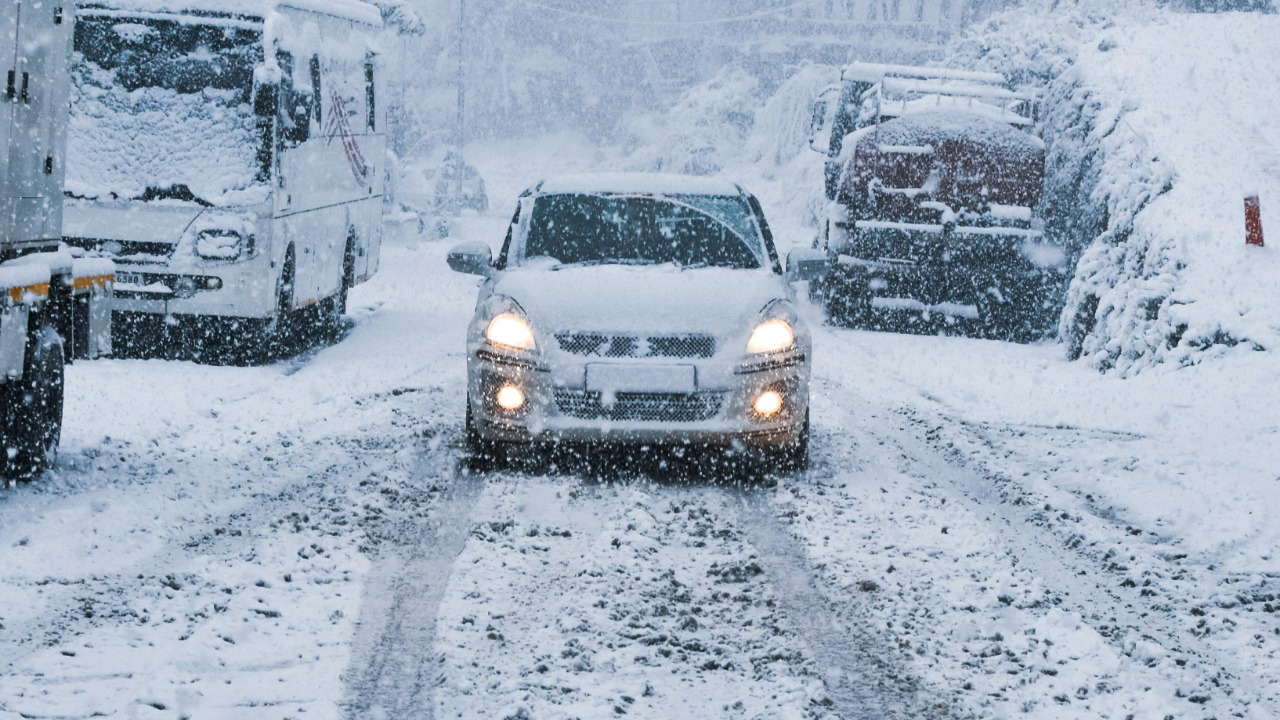

America’s power grid is heading into winter with a margin for error that keeps shrinking. Electricity demand is climbing after years of relative stability, while the fuel mix is tilting toward resources that do not always show up when Arctic air does. The result is a rising risk that extreme cold could trigger blackouts just as households and critical services need power most.
Grid planners now warn that what used to be once-in-a-decade stress events are becoming regular tests. As winter peaks grow and the system leans more heavily on natural gas and weather dependent generation, the question is no longer whether the grid will be challenged, but whether it can keep up with the speed of change.
‘Explosive’ demand growth collides with a fragile winter margin
The North American Electric Reliability Corporation, the nation’s grid watchdog, has been blunt about the stakes. In its recent work, The North American Electric Reliability Corporation, or NERC, found that more than half the country is at elevated risk of power shortfalls during periods of extreme cold, a warning that reflects how tight winter capacity margins have become in large swaths of the United States and Canada. That concern is echoed in a separate Winter review that underscores how severe weather can quickly overwhelm available supply.
NERC’s latest Long Term Reliability Assessment describes what it calls Explosive load growth across North America, driven by electrification, industrial expansion and a surge of large power users. In that assessment, NERC warns that more than half of North America faces heightened blackout risk and notes that, “Simply put, our infrastructure is not” keeping pace with the speed of demand and resource change, a conclusion reinforced in a companion Assessment that highlights winter specific vulnerabilities tied to fuel supply and generator performance.
Data centers and new loads are reshaping the winter peak
Behind the aggregate numbers are very specific new power users. Rising electricity demand from data centers is raising the risk of blackouts across a wide swath of the United States during extreme conditions, especially in regions that had grown used to flat consumption. One Rising analysis notes that this growth follows roughly two decades in which demand was largely stagnant, which means planners are now racing to catch up after years of assuming winter peaks would be predictable.
All regions have adequate resources in normal conditions, but the margin erodes quickly when temperatures plunge. In the same reporting, All regions are described as having enough capacity on paper, yet Data centers are singled out as a main contributor to load growth in the very areas where supply is already tight, a pattern that is especially pronounced in fast growing tech corridors. That dynamic is captured in a broader Nov overview that ties these new loads directly to winter reliability concerns.
Fuel mix shifts leave the grid exposed in deep cold
At the same time demand is climbing, the composition of the generation fleet is changing in ways that matter most in January. NERC’s latest work from WASHINGTON highlights how the rapid addition of solar power, which performs best in the sunny summer, is not as helpful during dark winter evenings when heating demand peaks. In its 2025 Long Term Reliability Assessment, or LTRA, NERC warns that resource adequacy risks are intensifying across North America as demand growth surges faster than firm capacity additions, a point underscored in the Long narrative that also flags growing dependence on natural gas fired generators.
That dependence is a double edged sword in extreme cold. During a recent severe winter storm, a large portion of the U.S. power grid was pushed to its limits as outages spread and demand surged, and During peak conditions natural gas supply constraints contributed to generator outages just as customers needed heat. That episode, described in detail in a During account, illustrates how gas infrastructure can freeze or face pressure drops, leaving grid operators short of dispatchable power during extreme weather even when nameplate capacity looks ample on paper.
Regional grids are already being stress tested
The largest U.S. power markets are now confronting these trends in real time. Earlier this week, record electricity demand tested the largest U.S. power grid, with operators warning that blackout chances rise if the issues are not addressed. In that event, Companies across the region faced soaring wholesale prices as Transmission congestion limited the flow of power from where it was available to where it was needed, while Natural gas supply issues again contributed to generator outages, according to a follow up Summary of the event.
In the Northeast, PJM, along with electric grids in New York and New England, are reporting that high voltage lines throughout their territories are heavily loaded during cold snaps, a sign that even where generation is sufficient, bottlenecks on the network can raise the risk of localized outages. That pattern is captured in a recent PJM outlook that also notes similar congestion issues stretching as far as Oklahoma, underscoring how widespread the strain has become.
Winter storms are exposing the system’s weak points
When theory meets weather, the consequences are immediate. Severe winter weather drives electricity demand sharply higher as households turn up electric heat and gas furnaces rely on powered blowers, and during a recent cold blast More than 847,000 customers were reported without electricity at the peak of the storm as federal disaster declarations were issued. That figure is a stark reminder that even short duration outages can affect hundreds of thousands of homes and businesses when they occur in the heart of winter.
Texas offers a case study in both progress and remaining risk. Challenges ahead remain even after the state’s grid operator, ERCOT, credited new generation with helping the system handle demand from a recent cold snap. Although the grid handled the demand from this week’s cold snap, a bigger test may still lie ahead, as ERCOT projects continued load growth and must prove it can keep up, according to a detailed Challenges review that also notes how Although the system has added capacity, it still faces tight conditions during prolonged freezes.
More from Morning Overview