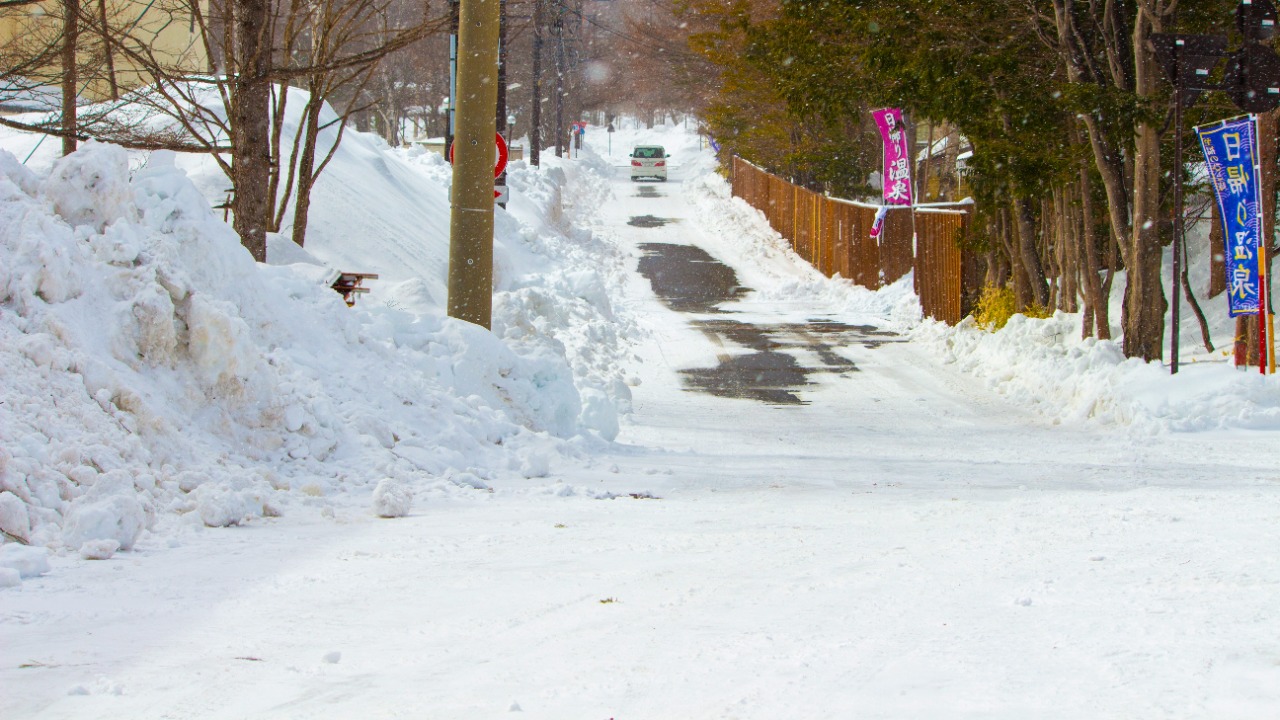

A vast winter storm has plunged much of the United States into a lethal deep freeze, killing dozens of people and cutting power to hundreds of thousands of homes and businesses. The sprawling system has buried cities in snow, glazed highways in ice and driven temperatures to levels that turn short walks into medical emergencies. As the cold lingers, the human toll is still being counted and the strain on energy, transport and emergency services is only growing.
Authorities across multiple states are now racing to restore electricity, clear roads and reach vulnerable residents before the next wave of Arctic air arrives. With at least 42 deaths already linked to the storm and more bodies being discovered outdoors and in unheated homes, the question is no longer whether this was a historic cold snap, but how prepared the country really was for a disaster that forecasters had warned was coming.
The mounting death toll in a country turned to ice
The most sobering measure of this deep freeze is the number of lives it has already taken. According to the 42 deaths attributed to the storm nationwide, many victims succumbed to apparent hypothermia after being stranded outside or trapped without heat. Earlier counts put the toll at 30 fatalities as the system first coated the country in snow and ice, but that figure rose sharply as rescuers reached more remote communities and as people died in the days after the snow stopped falling. One update on the deep freeze noted that the Deep Freeze Death 30 even as the storm was still unfolding.
The geography of the tragedy is as wide as the storm itself. In New York City, officials reported that 10 people had been found dead outdoors in the cold, a stark reminder that exposure can be fatal even in dense urban areas with shelters and services, according to a detailed account that began, “New York City.” Elsewhere, More deaths were reported across a dozen states, including people found in vehicles, on sidewalks and inside homes that had lost power and heat. One summary of the crisis described how More victims were discovered in the Indianapolis area in houses that had gone cold.
Families, children and the hidden dangers of ice
Behind the aggregate numbers are stories that cut through the abstraction of national statistics. In Bonham, Texas, three boys died after falling into an icy pond, a scene captured in a Bonham, Texas photograph that showed the frozen water where they lost their lives. The image, credited as a Photograph by Julio Cortez, has become one of the most haunting symbols of how quickly winter fun can turn deadly when ice is thin and temperatures are volatile. The same storm system triggered widespread school closures, which meant more children were at home and, in some cases, playing outside near frozen ponds and creeks that were not safe.
Those three boys were not the only young victims. A separate account described how Three Texas siblings who perished in an icy pond were among several dozen deaths in U.S. states gripped by frigid cold Tuesday as temperatures plunged. That report, datelined on a bitter Tuesday, underscored how the deep freeze turned everyday landscapes into traps, particularly for children and families who are not accustomed to such extreme conditions.
Power grids under siege and a nation in the dark
As temperatures plunged, the storm exposed just how fragile the country’s energy systems can be under stress. At the height of the crisis, at least 10 people died while roughly a million customers were left without electricity as the winter storm gripped the US, a figure highlighted in a Weather News gallery. That same Al Jazeera report described how outages stretched across multiple states over the weekend in subzero temperatures, leaving families to huddle under blankets or seek refuge in warming centers. The Gallery of images from the scene, filed under Weather, showed power lines encased in ice and crews struggling to restore service.
Even as utilities worked to bring customers back online, hundreds of thousands remained in the dark. One social media update noted that Over Half a Million Americans Remain, even as temperatures stayed dangerously low. Another widely shared post described a DEADLY WINTER STORM that left Dead and Power Out for a Million2,100-km snowstorm that paralyzed the US and shut down oil production.
Travel chaos, stranded passengers and a frozen economy
Transport networks, already fragile in winter, buckled under the weight of this storm. As heavy snow and freezing rain spread, at least 30 people were reported dead while an additional 3,800 flights were cancelled across the country. That wave of cancellations rippled through major hubs and smaller airports alike, stranding passengers overnight and disrupting cargo shipments. One detailed breakdown of the storm’s impact on aviation and road travel emphasized how the severe winter system coated the US in snow and ice, leading to accidents involving cars, sledging and even snowploughs, as described in a Jan dispatch.
On the ground, the situation was no better. A live weather blog noted that a What forecasters called a Widespread threat meant Two-thirds of the US population was facing a monster winter storm and extreme cold, with catastrophic ice threatening to knock out power for days and turn highways into sheets of black ice. That same live coverage warned of a travel nightmare as thousands of flights were cancelled and roads across the storm’s footprint became impassable, while record cold left more than half the country shivering, many of them without power for days.
Arctic air, the Polar vortex and a South unprepared
What made this event so punishing was not just the snow, but the intensity and reach of the cold air behind it. Meteorologists traced the outbreak to the The Polar Vortex, a circulation of frigid air that, when displaced, can send temperatures plunging across the Midwest and East. As the cold air moved south, forecasters warned that As the Arctic blast deepened, residents should stay indoors and conserve heat. A separate forecast explained that the Polar vortex would keep a frigid pattern locked over the eastern US through much of February, effectively keeping the freezer door wedged open.
That prolonged chill is already being felt in regions that rarely see such extremes. One analysis noted that While skies began clearing in some places, record low temperatures hit southern states that are unaccustomed to intense winter weather, contributing to the rising death toll. A separate television report described how an Arctic blast was plunging the South into a deep freeze, with the rare monster storm taking the lives of at least 21 people and leaving thousands without power amid dangerous low temperatures.
More from Morning Overview