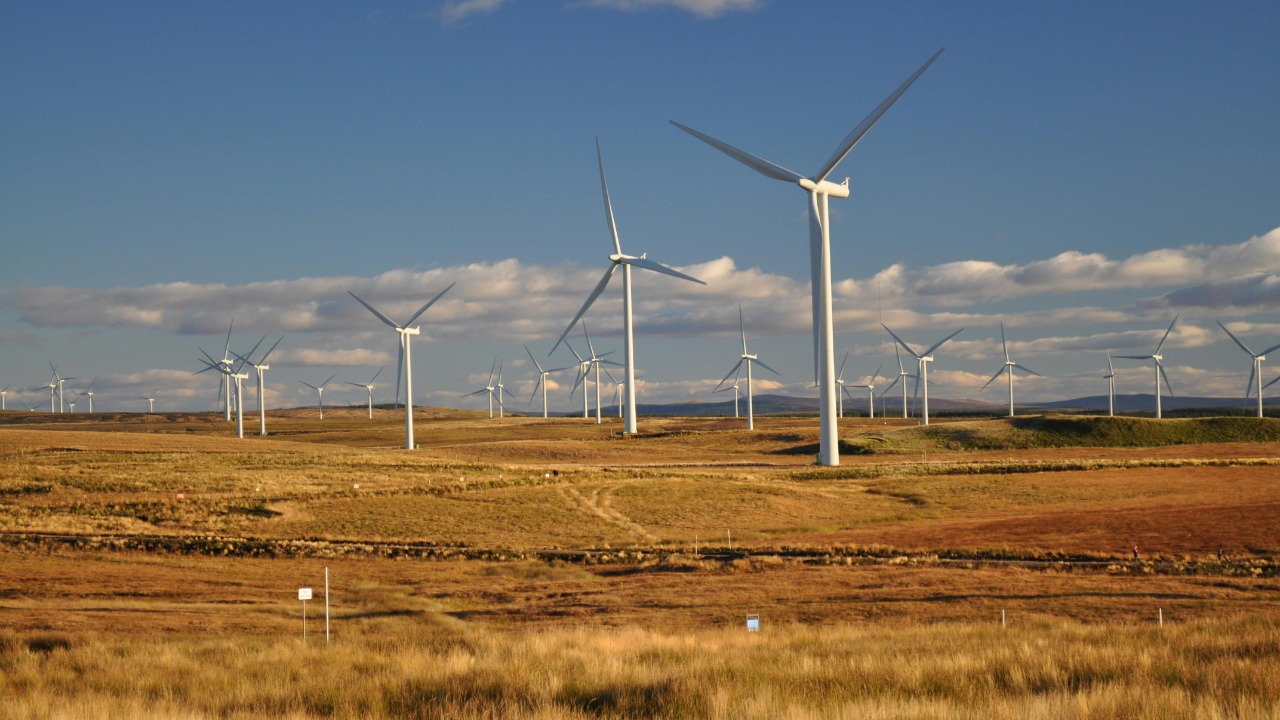

The United Kingdom has joined eight continental partners in a sweeping pact to turn the North Sea into a shared clean power hub, anchored by a 100 gigawatt offshore wind buildout. The agreement, framed as a strategic answer to both climate pressures and energy security risks, commits the group to coordinated planning, shared infrastructure and a long investment horizon. It is a bet that the shallow waters between Britain and mainland Europe can become one of the world’s most important renewable energy reservoirs.
By signing on alongside other European states, the UK is tying its energy future more tightly to regional grids and cross‑border cables rather than to imported fossil fuels. The deal also signals that, despite political frictions over recent years, London still sees deep value in working with neighbours on large‑scale infrastructure that no single country can efficiently build alone.
The 100 GW pledge and who is at the table
At the heart of the new pact is a shared commitment to develop 100 gigawatts of offshore wind capacity in the North Sea, a scale that would have been unthinkable when the first turbines went into these waters. The agreement brings together Nine European nations that see this sea basin as a common asset rather than a set of competing concession zones, and it sets out a roadmap for joint planning of generation zones and grid links. Reporting on the deal notes that the participating governments expect the buildout to unlock up to 1 trillion of investment by 2040, a figure that underlines how much capital will have to flow into turbines, cables, ports and supporting industries to make the target real, according to European countries.
The political choreography has been carefully staged. Monday’s deal is being signed at the North Sea Summit by Britain, Belgium, Denmark, Germany and several other coastal states that share the same windy waters, with a draft text having circulated earlier through Reuters. The United Kingdom’s presence is particularly significant because it already hosts some of the world’s largest offshore wind farms and has a mature regulatory regime, which gives it outsized influence over how quickly new projects can be consented and connected. Energy U.K. has hailed the agreement as a historic step that will turn the North Sea into a genuine regional clean power zone, a sentiment that reflects how industry sees the pact as a way to stabilise policy signals and unlock supply chain investment across borders, as highlighted in coverage of the North Sea project.
From 100 GW to 300 g: a longer‑term North Sea vision
While the 100 gigawatt target is the headline figure, the governments involved are already looking beyond it to a much larger transformation of the North Sea energy system. Nine European nations have articulated a shared ambition to reach 300 g of clean energy capacity in the basin by mid‑century, a level that would effectively turn the region into a continental‑scale power plant feeding multiple national grids. That longer‑term goal is framed not just as a climate measure but as a structural shift in how Europe sources its electricity, with offshore wind, green hydrogen and other technologies expected to layer on top of each other, according to reporting on the Nine European plan.
Officials and analysts are candid that current build rates will not be enough to hit that 300 g aspiration unless permitting, grid expansion and supply chains all accelerate. The same reporting warns that, on current trends, the mid‑century target will not be met, which is why the new pact emphasises joint planning and shared infrastructure rather than a loose collection of national projects. The UK’s decision to align itself with this broader vision signals that it wants to remain a central player in the North Sea’s next phase, even as it navigates its own domestic debates over planning rules, seabed leasing and how to balance offshore wind with other marine uses, a role that sits alongside its broader profile as a leading UK economy.
Interconnectors, shared grids and the “clean energy reservoir”
What makes this agreement structurally different from past offshore wind pushes is its focus on shared infrastructure rather than isolated national projects. At the core of the agreement is a rapid expansion of subsea interconnector networks, enabling clean electricity to flow seamlessly between multiple countries and smoothing out the variability of wind generation. The plan is to move away from simple point‑to‑point export cables and toward a meshed offshore grid, where hubs in the North Sea can route power to wherever it is most needed, a concept that underpins the description of the basin as Europe’s largest “clean energy reservoir” in coverage of the historic pact.
For the UK, which already has interconnectors to France, the Netherlands and Norway, the new deal means a step change in how those links are planned and financed. Rather than treating each cable as a bilateral project, the countries are committing to a more integrated approach where offshore wind farms are designed from the outset to feed multiple markets. Alliance News has reported that the agreement explicitly covers projects where offshore wind farms are linked between multiple countries, a model that could reduce costs and improve utilisation of both turbines and cables by sharing them across borders, as highlighted in the Alliance News briefing.
Energy security and the Russia factor
Behind the technical language of gigawatts and interconnectors sits a blunt geopolitical driver: the desire to reduce exposure to Russian energy leverage. Nine European governments have been explicit that they see North Sea wind as a way to resist Russian energy blackmail, a phrase that captures how the gas supply crises of recent years have reshaped thinking in European capitals. By building out 300 g of capacity in their own waters, they aim to cut the volume of imported fossil fuels needed to keep the lights on, a strategy laid out in detail in reporting by Andy Buchanan.
For London, the security argument is as important as the climate one. The UK has already seen how price spikes in global gas markets can feed directly into household bills and industrial costs, and policymakers now talk about offshore wind as a domestic resource that can buffer those shocks. Energy U.K. has framed the North Sea as a regional clean power pool that can underpin both resilience and decarbonisation, a view echoed in coverage of how European nations are knitting their energy systems together. In that context, the UK’s signature on the new pact is not just a climate gesture but a strategic move to anchor itself in a more self‑reliant regional energy bloc.
Costs, timelines and the politics of delivery
Ambition on this scale comes with daunting practical questions about who pays, how fast projects can be built and how to keep public support onside. Reporting on the shared 100 gigawatt North Sea wind project notes that the investment required could reach into the high hundreds of billions, with figures such as 40 and 46 used to illustrate the number of major offshore wind farms and interconnectors that may be needed to hit the target, according to By Paul Godfrey. Those numbers translate into very visible construction in coastal communities, from new substations and cable landfalls to expanded ports and manufacturing plants, all of which will test local planning systems and political patience.
More from Morning Overview