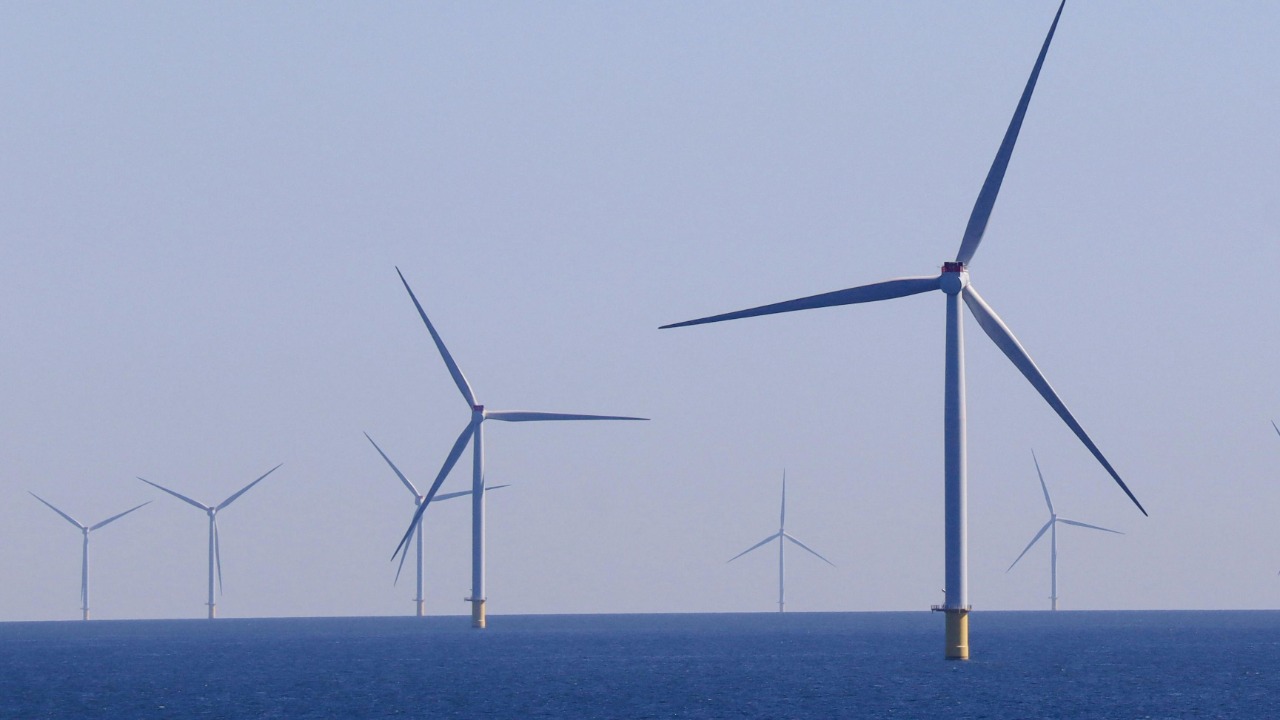

President Donald Trump has spent the past year trying to grind the United States’ offshore wind buildout to a halt, from emergency suspensions to tax policy designed to starve projects of support. Over the past week, however, a string of courtroom defeats has flipped the script, allowing several marquee wind farms to restart construction and exposing the legal vulnerabilities in the administration’s campaign. The result is a rare moment when judges, developers and grid planners are suddenly pulling in the same direction, even as the White House looks for new ways to slow the sector down.
The clash is about far more than a handful of turbines off the East Coast. It is a test of whether a president who has mocked wind farms as “losers” can still dictate the pace of a maturing clean energy industry that is now central to state climate plans, regional power markets and billions of dollars in private investment.
From blanket suspensions to a courtroom reckoning
The current wave of litigation traces back to a sweeping move late last year, when the Trump administration ordered work to stop on five major offshore wind farms along the East Coast, citing national security concerns tied to radar and military training. The order, which paused projects for at least 90 days, instantly froze construction schedules and rattled state officials who had counted on those megawatts to hit climate and reliability targets, as detailed in the Dec directive. The administration framed the suspensions as a necessary precaution, but it did not publicly release the underlying analysis, leaving developers to guess at the standards they were supposed to meet.
That opacity became a central issue as companies and states rushed to court. In one case after another, judges have pressed the government to explain why projects that had already cleared years of environmental and security reviews suddenly posed unacceptable risks. A federal Judge recently concluded that the administration had overreached when it halted one offshore wind farm around Christmas, clearing the way for construction to resume and signaling that national security cannot be invoked as a catchall justification without evidence.
Vineyard, Empire and Coastal Virginia punch through the blockade
The most visible reversal came when the country’s largest offshore wind farm was allowed to restart work after a court lifted Trump’s suspension order. The project, which had been cast as a test case for the entire industry, is now moving forward again in what one account described as a third major blow to Trump. The ruling did more than revive a single project. It undercut the legal foundation of the broader suspension strategy, giving other developers a roadmap to challenge similar orders and reassuring investors that courts are willing to scrutinize abrupt policy shifts.
That same dynamic is playing out across a cluster of East Coast projects that had been swept up in the December halt. Coastal Virginia Offshore Wind, a flagship development in the Mid-Atlantic, is preparing to restart work after a judge lifted the federal suspension, even as its backers continue to pursue a “durable resolution” with Washington. Company leaders have emphasized that they will keep negotiating with federal agencies while construction resumes, a stance that reflects both the legal momentum and the need for long term certainty for projects like Vineyard Wind 1, Revolution Wind and Empire Wind that were all named in the original stop work orders, according to While.
Revolution Wind and New York’s big bet on offshore power
In New England, the Revolution Wind project has emerged as another symbol of the administration’s legal troubles. A federal court recently ruled that Revolution Wind may proceed with its offshore wind energy project, rejecting the government’s attempt to derail the multibillion dollar development. The decision, described as yet another court battle the administration has lost, allows the roughly 100 turbine, 6.2 billion dollar project to keep moving through the permitting and construction pipeline, according to the analysis of Revolution Wind May. For states like Rhode Island and Connecticut, which have locked in long term contracts tied to that output, the ruling is a lifeline for their climate and jobs strategies.
New York scored a similar victory when a federal Judge cleared the way for a major offshore wind project serving the state to move forward despite the administration’s objections. That case, one of several the industry has won against the White House in recent days, underscores how deeply coastal states have already integrated offshore wind into their grid planning. Contracts, port upgrades and transmission investments are all predicated on these turbines eventually spinning, which is why state attorneys general have been so aggressive in challenging federal efforts to pull the plug.
National security claims, classified briefings and a shifting legal terrain
Even as judges side with developers, the administration is not backing away from its core argument that offshore wind can threaten military readiness. Officials have told courts that the Department of Defense has provided new classified information about advanced radar and training needs that, they say, justify a tougher stance on turbines in key offshore corridors. One account of the legal filings notes that the government did not provide details in public documents but cited the Department of Defense as the source of the new concerns, a strategy that makes it harder for outside experts to evaluate the claims.
Courts have so far been skeptical of blanket suspensions that rest on classified evidence, especially when projects have already cleared earlier security reviews. In one case, a judge noted that the administration had failed to show why mitigation measures negotiated over years of consultation were suddenly inadequate. That skepticism has been reinforced by reporting that the Trump administration in December issued stop work orders to five offshore wind farms, even as it acknowledged that the projects were among the first large scale clean energy developments expected to be built off the East Coast, according to a summary of The Trump. The tension between classified briefings and public accountability is now at the heart of the legal fight.
The bigger war: tax credits, permitting and a race against the clock
The courtroom setbacks are significant, but they are only one front in a broader policy offensive that has already reshaped the economics of offshore wind. Trump’s One Big Beautiful Bill accelerated the phaseout of federal tax credits for offshore projects, tightening the deadlines by which developers must start work to qualify for support. Industry analysts have warned that this change, combined with inflation and supply chain pressures, has made it harder for projects to reach financial close, a point underscored in coverage of One Big Beautiful. Even with favorable court rulings, developers are racing the calendar to lock in contracts and tax benefits before they disappear.
The administration has also used environmental and air quality rules in ways that have complicated offshore wind timelines. Earlier in Trump’s term, the Environmental Protection Agency revoked a Clean Air Act permit for the Atlantic Shores project, a move that came weeks after other actions that advocates described as part of a year of offshore wind carnage. That permit decision, which targeted a project off New Jersey, highlighted how agencies that once facilitated clean energy can be repurposed to slow it, as chronicled in the account of Environmental Protection Agency. The result is a patchwork of legal and regulatory obstacles that go well beyond the high profile suspension orders now being rolled back.
More from Morning Overview