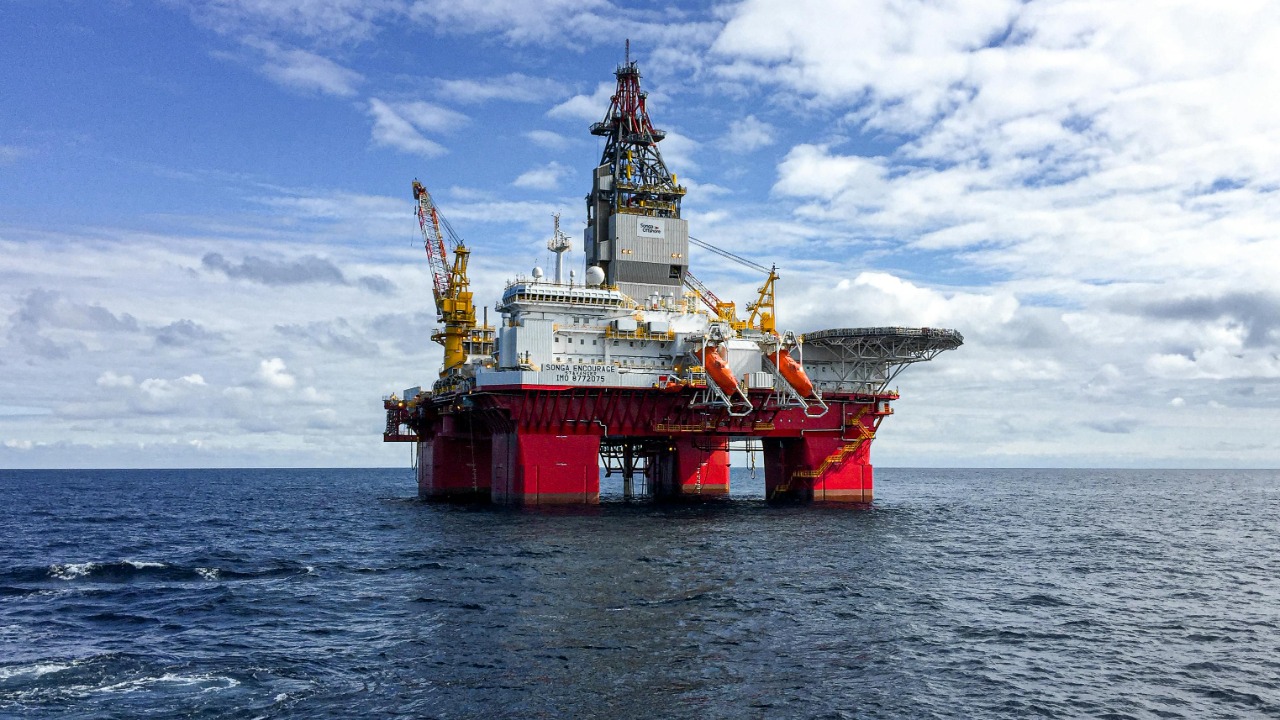

The Trump administration’s new offshore drilling blueprint is not just a political flashpoint, it is a quantified pollution gamble. A fresh analysis projects that the expanded leasing scheme could trigger more than 4,000 oil spills over its lifetime, a scale of routine contamination that would rival some of the worst chapters in U.S. energy history. The plan’s reach, from the Arctic to Southern California and Florida, means the risks would be spread across nearly every American coastline rather than confined to a single disaster zone.
Instead of centering on one catastrophic blowout, the projections describe a future of chronic leaks, sheens, and pipeline failures that add up to a slow-motion crisis. That prospect is already galvanizing opposition from coastal communities, environmental advocates, and some state leaders who see the proposal as a direct threat to local economies built on clean water and healthy oceans.
The scale of Trump’s offshore expansion
At the heart of the controversy is a federal five-year leasing program that would open vast new stretches of public waters to drilling. Interior’s draft plan, described as a sweeping expansion, targets areas off California, the Eastern Gulf near Florida, and all of Alaska, including sensitive Arctic waters that had previously been off-limits. One analysis of the Trump Offshore Drilling more than 4,000 Oil Spills, underscoring how aggressive leasing in multiple basins multiplies the odds of failure.
Earlier planning documents and advocacy briefs describe how the administration’s proposal would reach into protected public waters off California, the Eastern Gulf near Florida, and all of Alaska, including the Arctic Ocean north of Alaska, reversing prior protections. Legal advocates warn that Trump proposes massive that would risk the health and well-being of millions of people who live along these coasts. The same plan is described as targeting protected public waters off California, the Eastern Gulf near Florida, and all of Alaska, a geographic footprint that ensures any systemic problem with spills would have national consequences.
What “4,000 spills” really means
The headline figure of 4,000 spills is not a rhetorical flourish, it comes from an Analysis by the Center for Biological Diversity that extrapolates from historic incident rates in offshore drilling. According to that work, the Analysis concludes that the Trump Offshore Drilling Plan Could Generate more than 4,000 Oil Spills over the life of the program, with coastal communities and economies expected to suffer the most. A companion estimate from The Center for Biological Diversity warns that the same plan could release over 12 million gallons of oil into public waters, a volume that would not come from a single Deepwater Horizon-style catastrophe but from thousands of smaller incidents that rarely make national news.
That cumulative framing matters because it shifts the debate from whether regulators can prevent one spectacular blowout to whether they can realistically police thousands of wells, platforms, and pipelines scattered across multiple oceans. Reporting on the new five-year program notes that Interior’s plan has already reignited an offshore oil fight, with officials acknowledging that the proposal covers 48 potential lease sales and has drawn about 5,000 public comments as the Trump administration seeks input on where to drill and where to hold back. In that context, the 4,000 spill projection is less an outlier than a warning about what happens when a system is pushed to its limits.
Coastal communities and wildlife on the front line
The projected spills would not fall evenly across the map. Coastal economies that depend on tourism, fishing, and recreation would shoulder the heaviest burdens, especially in regions that have so far avoided large-scale offshore development. Advocates point out that Trump’s plan would risk the health and well-being of millions of people who live along coasts in California, the Eastern Gulf near Florida, and Alaska, and that every new platform or pipeline adds another potential failure point. Legal filings argue that Trump’s plan would not only public health but also cost American taxpayers immensely when cleanup, disaster response, and long-term ecological damage are factored in.
Wildlife advocates are equally blunt about what is at stake. The Center for Biological Diversity has highlighted species like the Pacific leatherback sea turtle, described as as ancient as the dinosaurs, which migrates all the way from Indonesia and along the West Coast, where it is already threatened by fisheries and ship strikes. Additional offshore drilling off California would place these turtles in the path of more industrial traffic and a higher likelihood of chronic oil exposure, a risk detailed in the group’s focus on the Pacific leatherback sea and its migration from Indonesia and across the Pacific. Similar concerns extend to marine mammals, seabirds, and coastal wetlands that have little resilience to repeated oiling.
Public backlash and political pressure
Opposition to the offshore expansion is not confined to environmental groups. Hundreds of thousands of people across the United States have voiced opposition to Trump’s plan to expand offshore drilling, submitting comments, signing petitions, and turning out at hearings. One coalition describes the proposal as a dangerous gift to the oil and gas industry at the expense of the planet and a shared future, citing polling that shows broad public concern about coastal drilling. That backlash is captured in campaigns that highlight how hundreds of thousands of people across the U.S. are mobilizing against the expansion and demanding a different energy path.
Inside the regulatory process, the fight is equally intense. Coverage of Interior’s five-year drilling plan notes that the proposal has reignited an offshore oil fight, with Interior officials weighing which regions to prioritize and which to shield. The draft program envisions up to 48 lease sales, and the agency has already logged about 5,000 public comments as it navigates competing demands from industry, states, and advocates. Reporting on the 5,000 comments and the 48 potential sales underscores how the process has become a proxy battle over the country’s broader climate and energy direction, with Trump and his allies arguing for more production while coastal communities warn of unacceptable risk.
Industry push, legal fights, and what comes next
Oil companies have made no secret of their interest in new offshore territory, particularly in regions that have been politically sensitive. Industry advocates have pressed for access to areas off Southern California and Florida, arguing that untapped reserves could bolster domestic supply and reduce reliance on imports. Congressional commentary on the administration’s move notes that the oil industry has been seeking access to new offshore areas, including Southern California and Florida, as part of a broader push to roll back restrictions that were tightened after past spills. For companies, the five-year plan is an opportunity to lock in leases that could produce for decades, even as global markets shift.
Environmental and climate advocates, by contrast, frame the proposal as fundamentally incompatible with long-term climate goals and coastal resilience. One policy analysis describes how the Trump administration’s offshore drilling plan would be an Environmental Disaster, warning that expanded leasing could lock in fossil fuel production and associated emissions over the next 30 years. That critique is echoed in legal and scientific briefs that argue the program would undermine efforts to phase down oil and gas, while also increasing the risk of chronic pollution in public waters. The warning that The Trump Offshore Drilling Plan an Environmental Disaster over the next 30 years sits alongside projections from The Center for Biological Diversity that Trump’s new five-year offshore drilling plan could release over 12 million gallons of oil, as highlighted in Center for Biological warning about Trump and the rollback of protections that had been built up by the Biden administration.
More from Morning Overview