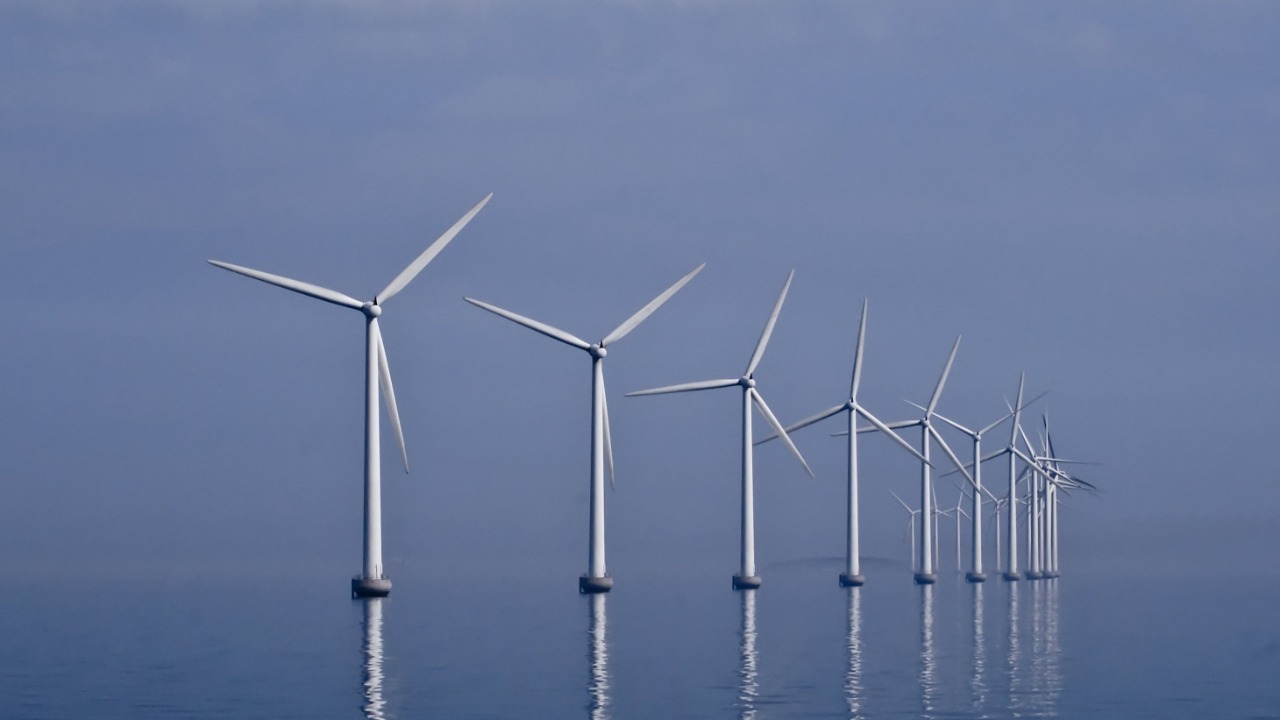

Donald Trump has spent years railing against wind turbines, mocking offshore projects as “losers” and casting them as a threat to everything from whales to national security. Yet as his administration has tried to turn that hostility into policy, federal judges have repeatedly stepped in to keep the blades turning. The result is a rare, clear scorecard in the energy wars: on offshore wind, the courts are batting 5-for-5 against the White House.
What is taking shape is not just a series of technical rulings but a test of how far a president can go in reshaping the energy mix by decree. I see a pattern emerging in which judges, from Maryland to Washington, insist that even a president who loathes wind farms must follow environmental law, administrative procedure and basic evidence if he wants to shut them down.
Trump’s anti‑wind crusade meets a legal brick wall
The most immediate clash has centered on five large offshore wind farms that the Trump administration abruptly ordered to stop work late last year. According to one account, all five projects were hit with a sweeping pause that developers said would strand investments and stall construction on critical infrastructure in the middle of the energy transition, a move that environmental advocates described as part of a broader campaign against clean power blocked projects. When developers and states sued, judges quickly began issuing preliminary injunctions that allowed construction to resume while the cases proceed.
By early February, a federal court had revoked the last of those stop‑work directives, meaning all five offshore wind projects that had been halted by Trump’s team could move forward again. One report described how a judge formally lifted the administration’s work shutdown order on the fifth project, underscoring that the government had not justified such a drastic step under the statutes it cited revoking the order. The administration’s attempt to turn a political dislike of turbines into a de facto moratorium had run into the hard limits of administrative law.
Five cases, five losses for the White House
What makes this moment striking is not just that Trump lost one big case, but that his administration is now winless across a cluster of related fights. A detailed tally by one advocacy group notes that the administration has gone 0‑for‑5 in court as it tried to scuttle offshore wind, with judges repeatedly siding with developers and states that argued the shutdowns were unlawful and economically damaging five losses. In one of those cases, a federal judge ruled that the Trump administration acted illegally when it tried to cancel $7.6 billion in clean energy grants that were helping to finance offshore projects.
Another ruling from a federal bench in Washington, D.C., described how the administration’s permitting freeze for wind projects violated core environmental and administrative safeguards, prompting what one environmental group called a reckless permitting ban to be struck down. Taken together with the injunctions on the five halted projects, the pattern is clear: judges are not just trimming around the edges of Trump’s anti‑wind agenda, they are dismantling its legal foundation.
Inside the five offshore projects Trump tried to stop
Each of the five offshore wind farms caught in this legal storm represents a different piece of the emerging Atlantic energy map. One project off Rhode Island, known as Revolution Wind, became a flashpoint when the administration argued it posed vague national security risks. A federal judge was unconvinced, issuing an order that blocked the latest attempt to stop the Rhode Island development and finding that the government had acted in violation of federal law when it tried to pull the plug on the project off Rhode Island. In a related dispute, a judge in the District of Columbia granted a preliminary injunction that allowed the same developer to keep working while the case plays out, a move that one legal analysis said came from Judge Carl Nichols of the federal District Court for.
Another of the five, Sunrise Wind off New York, was also swept up in the December pause before a federal judge allowed work to resume. A report on the case noted that all five offshore wind projects halted by the Trump administration in December could restart construction after a judge considered the last project challenge to the offshore wind pause and sided with the developers, including the company behind Sunrise Wind including Sunrise Wind. In Virginia, yet another case saw a judge grant Dominion Energy a preliminary injunction so it could resume work on the Coastal Vir offshore project, after the administration tried to halt that construction as well for Dominion Energy.
From permitting bans to a “wind energy moratorium”
Trump’s fight with wind power has not been limited to individual projects. His administration also tried to choke off the pipeline of future developments by freezing permits and issuing a broader directive that critics quickly labeled a wind energy moratorium. One federal court decision described how the president’s executive memorandum, which sought to halt new wind development across large swaths of federal waters, was unlawful and had to be vacated in its Entirety. A separate analysis of the same ruling emphasized that the judge concluded the memorandum and the steps taken to implement it were unlawful, describing the decision as a Federal Court Strikes moment.
Earlier, the administration had also imposed what environmental groups called a permitting ban on new wind projects, a move that a judge in Washington later rejected. In a statement from WASHINGTON, advocates hailed the decision as the Court Strikes Down Trump Administration action on a Reckless Wind Energy. Another summary of that case described how the U.S. Distri court in WASHINGTON, Dec, concluded that the administration’s attempt to freeze wind permits violated the statutes it was supposed to enforce, reinforcing the message that even high‑level executive actions must clear basic legal hurdles Court Strikes Down.
Maryland, D.C. and the growing judicial pushback
Some of the sharpest rebukes have come from regional cases that might otherwise have flown under the radar. In Maryland, a Federal judge sided with the state and threw out a Trump order that had been blocking development of wind energy off its coast, a decision that one report summarized under “Key Takeaways” as a clear rejection of the administration’s attempt to halt both offshore and onshore wind projects in that region Judge sides with. In Washington, a separate case saw a judge at the District Court for the District of Columbia issue a preliminary injunction that advocates described as another blow to Trump’s attacks on offshore wind, with a statement from Washington, Today, underscoring how the court viewed the administration’s actions as a threat to clean energy when it is needed most Washington, Today.
Another legal analysis from Washington described how On Jan, Judge Carl Nichols of the same District Court for the District of Columbia lifted stop‑work orders for three paused offshore wind projects, reinforcing that the administration’s justifications were not persuasive enough to keep union workers off the job and turbines idle On Jan. A separate commentary noted that The Trump administration is now in an 0‑for‑5 slump in its campaign against the offshore wind industry, with one judge, identified as Judge Lamberth, described as simply not buying the administration’s arguments about supposed risks from turbines at sea The Trump.
More from Morning Overview