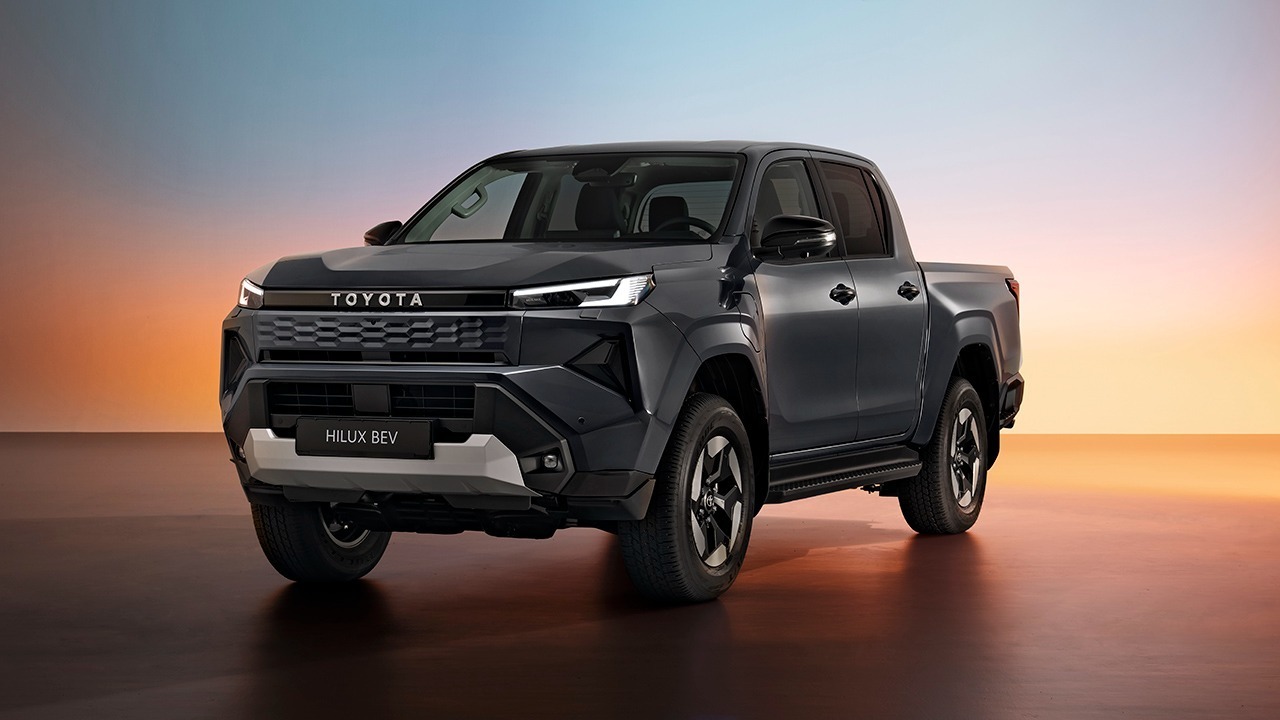

The first working battery-electric version of Toyota’s Hilux pickup is no longer a design study or a concept on a turntable. It is a production-bound truck with real numbers, real compromises and a clear job to do. By putting a usable electric Hilux into the wild, Toyota has effectively punctured the fantasy that batteries alone will deliver limitless range and towing for work vehicles, and instead has laid out a pragmatic template for how electrified pickups will actually be used.
Rather than chasing headline-grabbing figures, Toyota has built an electric Hilux that leans on the model’s reputation for durability and versatility, then accepts the limits of current battery tech in a tough, body-on-frame truck. That choice does not kill electric pickups, but it does kill the hype that they can defy physics and customer budgets at the same time.
What Toyota actually built, not what the hype promised
Toyota has been signaling this truck for some time, with Toyota officials confirming plans for an electric Toyota HiLux pickup truck by the end of 2025 as part of a broader electrification push that also includes the Tacoma EV in other markets, a move that framed the Hilux as a work-focused counterpart rather than a lifestyle toy, according to Toyota. When Toyota finally revealed the ninth-generation Hilux with a BEV model, it confirmed that The Hilux BEV powertrain features a 59.2kWh lithium-ion battery packaged to withstand harsh operating conditions, a relatively modest pack by modern EV standards that signals a deliberate cap on weight and cost, as detailed in The Hilux BEV. That decision alone separates the truck from the arms race of ever-larger batteries in American full-size EV pickups.
Performance figures underline the same philosophy. Electric Hilux brings 193 hp and 150-mile range from a 59.2 kWh lithium-ion battery, with the Hilux BEV using that pack to drive permanent all-wheel drive through front and rear e-axles, a setup that prioritizes traction and packaging over brute-force acceleration, as outlined for the Electric Hilux. Toyota’s own communications add that About the Hilux BEV, the company stresses the use of a 59 kWh lithium-ion battery and eAxles to secure permanent all-wheel drive while maintaining the familiar cabin and load bed, reinforcing that the engineering brief was to electrify a known workhorse rather than reinvent it, as described in Hilux BEV.
The range reality check that ends the fantasy
The most controversial number on the spec sheet is not power, it is range. The electric version of the Hilux has a 59.2 kWh li-ion battery with a quoted 130 mile advertised EPA range, a figure that has already drawn criticism from commentators who argue that such a number looks weak next to long-range American EV pickups, as highlighted in coverage of the Hilux. In Europe, early specifications for the Toyota Hilux EV point to just 240 km of range and 1,600 k towing capacity, figures that are likely to be the realities of the new electric Toyota Hilux in Euro markets rather than optimistic marketing claims, according to a short breakdown of the Toyota Hilux. Those numbers are a long way from the 300-mile promises that have dominated EV truck hype, but they are also more honest about what a mid-size work pickup can deliver with a battery that does not turn it into a rolling brick.
Toyota itself is not pretending otherwise. Executives have described the electric Hilux as attainable rather than cheap, acknowledging that “We know this is not going to be our biggest seller, but it’s got to be competitive and affordable for those that want it,” while also pointing to a usable range figure of around 149 miles (240 km) in certain driving cycles, a candid framing that accepts the truck will serve specific users rather than everyone, as noted in comments about making the BEV attainable. Independent reviewers have already stressed that the 2026 Toyota Hilux Battery EV is making people angry, with critics arguing that Toyota loves hybrids and hates EVs and that the Hilux pickup is sold basically everywhere except the US and Canada, but that things are about to change as fleets and regulators push for zero-emission options, a backlash captured in early reactions to the Hilux.
A work truck first, an EV second
Look past the range debate and the electric Hilux is clearly engineered as a work tool. The battery-electric Hilux will sit alongside a 2.8-litre diesel 48V mild-hybrid model and a confirmed hydrogen fuel cell variant, with the broader range retaining a towing capacity of 3,500kg, a sign that Toyota is not willing to sacrifice core utility as it electrifies the lineup, according to details on the updated Hilux. At the 2026 Brussels Motor Show, All-new Hilux with 48V powertrain variants shared the stage with the BEV, and Toyota confirmed that The Hilux BEV uses a 59 kWh lithium-ion battery and is expected to deliver up to 202 miles in the city cycle, a figure that hints at how the truck will be used in stop-start urban and regional work rather than long-haul towing, as outlined in the European debut of the All. That focus on city and regional duty cycles aligns with how many Hilux pickups already operate in Europe, Asia and Australia, where they serve as fleet vehicles, utilities and light construction trucks.
From the driver’s seat, early impressions suggest that the 2026 Toyota Hilux Electric capabilities, range and real-world behavior are designed to feel like the indestructible Toyota Hilx owners already know, only quieter and with instant torque, with reviewers asking what if the indestructible Toyota Hilx you’ve trusted for decades suddenly went silent and electric without losing an ounce of its toughness, as explored in a video review of the Toyota Hilx. Another detailed look at the truck notes that when Toyota revealed the Hilux BEV, key highlights included a dual-electric motor setup with a focus on off-road traction and payload rather than drag-strip launches, and that these solid specs may not thrill enthusiasts but make a lot of sense for commercial buyers, as discussed in coverage of the Hilux BEV. In other words, Toyota has built a truck that treats electrification as a way to enhance low-speed control, refinement and running costs, not as a ticket to headline-grabbing acceleration.
Multi-path strategy: batteries, diesel and hydrogen
The electric Hilux also makes sense only when viewed inside Toyota’s broader multi-path strategy. The company has been explicit that its new Hilux pickup goes diesel, electric and fuel cell as part of a successful multi-path approach to reducing emissions, which tailors the powertrain lineup to different regions and uses rather than betting everything on one technology, a philosophy laid out in analysis of Toyota. That approach is visible in the confirmation that Upcoming Toyota HiLux EV and FCEV are not just designed to meet emissions regulations, with Tightening local emissions laws described as only part of the story and Toyota also eyeing opportunities to on-sell its fuel cell technology to other automakers, a strategy outlined in reporting on the Upcoming Toyota. In that context, the BEV Hilux is one branch of a larger tree, not the whole forest.
More from Morning Overview