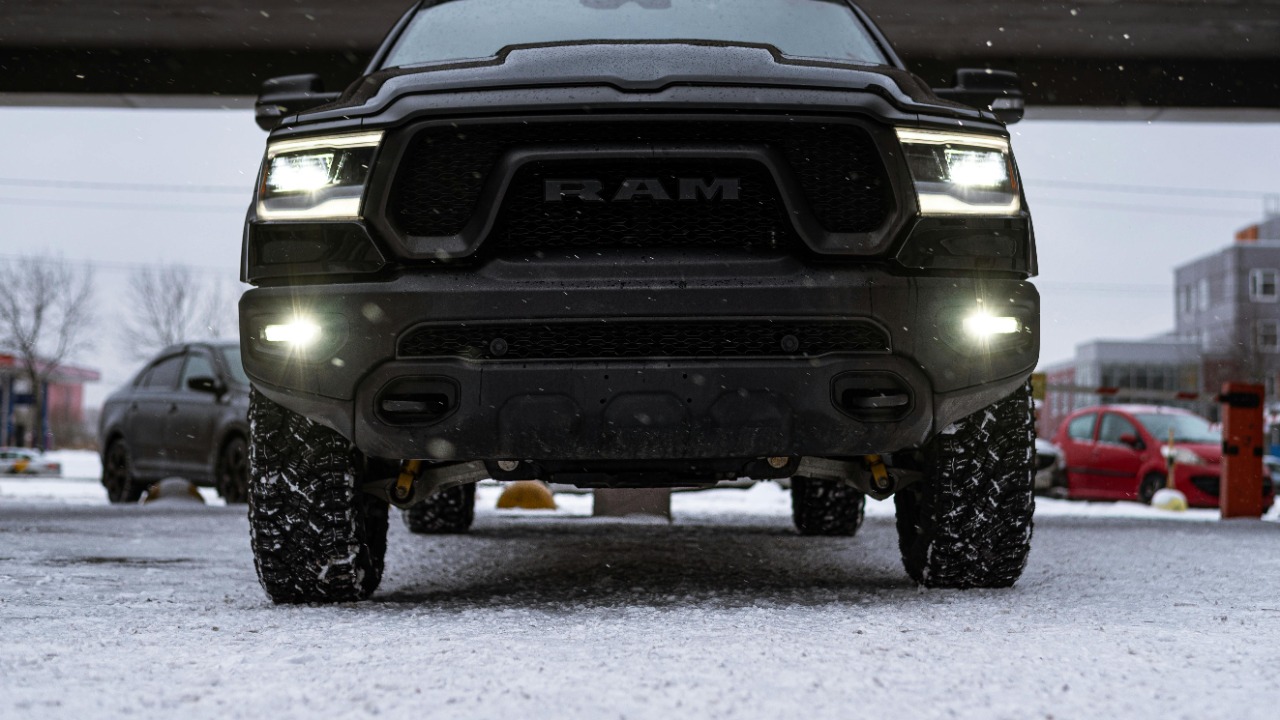

Winter driving exposes every weakness in a tire. When temperatures drop and roads glaze over with packed snow or black ice, the difference between a barely adequate tire and a truly capable winter design shows up in braking distance, steering feel, and how confidently a driver can accelerate away from a stop. To understand what makes a snow tire genuinely effective, I look past marketing labels and focus on the engineering details that translate into grip, control, and predictable behavior in the worst conditions.
Those details range from rubber chemistry to tread geometry and even how a tire interacts with the vehicle’s electronic safety systems. The best winter tires combine these elements into a coherent package that works with the driver, not against them, so the car feels stable and communicative instead of vague or skittish when the weather turns. What follows is a breakdown of the core features that separate a serious winter tire from a simple all-season compromise, framed in practical terms for anyone who has to face snow, slush, or deep cold.
Rubber compounds that stay flexible in real winter
The starting point for any competent snow tire is its rubber compound. Standard all-season tires are formulated to balance longevity, fuel economy, and warm-weather grip, which means their tread rubber stiffens as temperatures fall below freezing. A true winter tire uses a softer, silica-rich compound that stays pliable in the cold, allowing the tread blocks to conform to microscopic irregularities in ice and packed snow. That flexibility is what lets the tire generate friction instead of skating across a frozen surface.
Engineers approach this problem the way they would any complex materials challenge, by tuning polymers and fillers to hit a specific performance window rather than chasing a single metric like tread life. The same kind of methodical design process that shapes aerospace components or automotive structures, reflected in technical job descriptions for engineering full-time jobs, also underpins modern tire chemistry. When a winter tire is done right, the driver feels it as consistent grip from a cold start on a January morning through a long highway run on slushy pavement, without the sudden loss of traction that comes when a compound falls outside its intended temperature range.
Tread patterns that bite into snow and clear slush
Rubber chemistry sets the stage, but tread design is what most drivers see and feel. A capable snow tire uses deep grooves, aggressive lateral channels, and carefully shaped blocks to dig into loose snow while also evacuating slush and standing water. The goal is to maintain a clean contact patch so the tire can keep generating grip instead of hydroplaning on a mix of meltwater and ice. Directional or V-shaped patterns are common because they funnel material away from the center of the tread as the tire rolls, which stabilizes the footprint at speed.
Designing that pattern is a balancing act between competing priorities, much like optimizing a complex system where every change has trade-offs. In digital communication, for example, professionals are taught to weigh clarity, tone, and channel choice in structured frameworks such as those outlined in business communication guides; tire engineers face a similar need to reconcile snow traction, wet braking, noise, and wear. The best winter treads manage this by using computer modeling to predict how grooves will channel slush at different speeds, then validating those models in real-world testing so the final pattern feels stable on dry pavement yet still claws through a fresh snowfall.
Siping and micro-edges that grip on ice
On sheer ice or polished, compacted snow, even an aggressive tread pattern is not enough without fine-scale biting edges. That is where siping comes in, the thin slits cut into each tread block that open under load to create hundreds or thousands of micro-edges. These edges increase the effective surface area and help the tire interlock with tiny imperfections in the ice, improving braking and lateral grip. A well-designed winter tire uses a dense, three-dimensional siping pattern that maintains block stability while still allowing enough movement to generate friction.
The logic behind siping mirrors how effective arguments rely on many small, reinforcing points rather than a single sweeping claim. Rhetoric handbooks such as Thank You for Arguing emphasize layering evidence and appeals so the overall case becomes more persuasive; siping layers mechanical “arguments” for grip across the tread. Each tiny edge contributes a modest amount of traction, but together they transform how a car behaves on a frozen intersection, shortening stopping distances and giving the driver more steering authority when it matters most.
Sidewall construction and load support in deep cold
While tread gets most of the attention, sidewall design is just as critical to winter performance. In low temperatures, rubber stiffens and air pressure drops, which can make a tire feel harsh and unresponsive if the sidewall is not tuned for cold-weather compliance. A well-engineered snow tire uses a sidewall that can flex enough to keep the contact patch planted without feeling vague or “squirmy” in quick maneuvers. That balance is especially important on heavier vehicles like crossovers and three-row SUVs, where sidewall deflection under load can change how the vehicle responds to steering input.
Achieving that balance requires careful attention to structure and materials, similar to how early agricultural and industrial equipment had to be documented and refined through detailed engineering records. In practice, a good winter sidewall lets a driver of a 2024 Subaru Outback or a 2023 Ford F-150 feel the road surface through the steering wheel without transmitting every sharp impact from frozen potholes, which reduces fatigue on long winter drives and helps maintain control when the vehicle hits ruts or uneven snowbanks.
Compatibility with modern safety systems
Modern vehicles rely heavily on electronic safety systems such as anti-lock braking, traction control, and stability control, and a winter tire has to work in concert with those systems rather than confusing them. The tire’s grip characteristics, stiffness, and rolling circumference all influence how sensors interpret wheel speed and slip. If a tire is too mismatched in size or behavior, the car’s software may intervene too aggressively or not enough, leading to longer stopping distances or unexpected corrections mid-corner. A well-matched winter tire allows these systems to operate within their intended parameters so the driver experiences smooth, predictable assistance instead of abrupt pulses or cutouts.
That coordination is not unlike the way early childhood educators are urged to align tools, environments, and developmental goals in comprehensive frameworks such as the preschool learning foundations. In both cases, the underlying systems are only as effective as the components they rely on. For drivers, that means choosing winter tires in the correct size and load rating for their specific vehicle, and paying attention to manufacturer guidance on tire pressure and rotation intervals so the electronic aids can read the road accurately and respond in a way that feels natural behind the wheel.
How drivers actually use winter tires in daily life
Even the best-engineered snow tire can only deliver its potential if drivers use it correctly. That starts with timing: mounting winter tires before the first sustained cold snap, not after the season’s first major storm. Rubber compounds optimized for low temperatures perform best when the average daytime high is consistently below about 7 degrees Celsius, so waiting until roads are already slick means spending the most dangerous days on compromised all-season rubber. Rotating winter tires front to rear during the season also helps maintain even wear, which preserves consistent handling as the tread depth gradually decreases.
Real-world behavior matters as much as technical specifications, and the way people adapt to winter driving often reflects broader patterns in how communities respond to risk and guidance. Public health campaigns, such as those that appear in local medical outreach like pediatric health updates, show that clear, repeated messaging can shift habits over time. In the same way, consistent reminders from service advisors, insurance companies, and driver education programs about the benefits of dedicated winter tires can gradually normalize their use, especially in regions where snowfall is frequent but not constant enough for drivers to see them as an obvious necessity.
What to look for when you are shopping
For anyone standing in a tire shop or scrolling through online listings, the challenge is turning all of this technical nuance into a practical checklist. The most reliable starting point is the three-peak mountain snowflake symbol molded into the sidewall, which indicates that a tire meets a defined standard for severe snow service. From there, I look at tread depth, siping density, and whether the tire is studdable or non-studded, depending on local regulations and typical road conditions. Reading independent test results and owner reviews for specific models, such as the Bridgestone Blizzak WS90 or Michelin X-Ice Snow, helps reveal how those design choices translate into real-world performance on cars similar to my own.
Information overload is a real risk, which is why clear, structured guidance from trusted intermediaries is so valuable. Service departments that invest in thoughtful online explanations of tire options, similar in spirit to how some dealerships approach website optimization, can help drivers cut through jargon and focus on what matters: stopping distance, cold-weather grip, and longevity. Cultural context also plays a role, as cross-border comparisons in works like When Cultures Collide suggest that attitudes toward risk and regulation differ widely, which helps explain why winter tires are mandatory in parts of Scandinavia and the Alps but remain optional in much of North America.
Environmental and regulatory pressures shaping winter tires
Snow tires do not exist in a vacuum; they are shaped by environmental rules and public expectations about pollution and noise. Regulations on rolling resistance push manufacturers to design winter tires that do not dramatically increase fuel consumption or electric range loss, even as they add aggressive tread patterns and softer compounds. At the same time, concerns about particulate emissions from tire wear and road dust, documented in environmental assessments such as air quality reports, are prompting research into materials that maintain grip without shedding excessive microplastics into waterways and urban air.
Legal frameworks also influence how winter tires are marketed and used. In some jurisdictions, studded tires are restricted or banned because of the damage they can cause to road surfaces, while in others, carrying chains or using specific winter-rated tires is mandatory on certain routes during the cold season. The way these rules are written and enforced reflects broader legal reasoning about safety, liability, and individual responsibility, themes that surface in professional references such as the family law handbook even though the subject matter is very different. For drivers, the practical takeaway is simple: check local regulations before buying, and remember that compliance is not just about avoiding fines, it is about aligning personal choices with the shared responsibility of keeping winter roads safer for everyone.
Why winter tire decisions are ultimately about risk and communication
Choosing a winter tire is, at its core, a risk management decision. Drivers weigh the cost of a dedicated set of tires and possibly wheels against the potential consequences of reduced grip on a snowy commute or an icy highway trip. That calculation is influenced by how information is presented, whether through dealership conversations, online reviews, or public safety campaigns. Communication research, including structured approaches to persuasion and audience analysis found in professional communication texts, underscores that people respond best to concrete, relatable examples rather than abstract probabilities.
In practice, that means the most effective messages about winter tires focus on specific outcomes, such as the extra meters of stopping distance an all-season tire might need on ice compared with a dedicated snow tire, or the way a car with proper winter rubber can steer around an obstacle instead of sliding straight ahead. When safety officials and automotive professionals frame winter tires as a normal, expected part of living in a cold climate, rather than an optional upgrade, adoption tends to rise. That cultural shift mirrors how early education frameworks like the preschool framework gradually normalize best practices by embedding them in everyday routines. For drivers, the most important step is to move winter tires out of the category of “nice to have” and into the realm of standard equipment whenever snow and ice are a regular part of the season.
More from MorningOverview