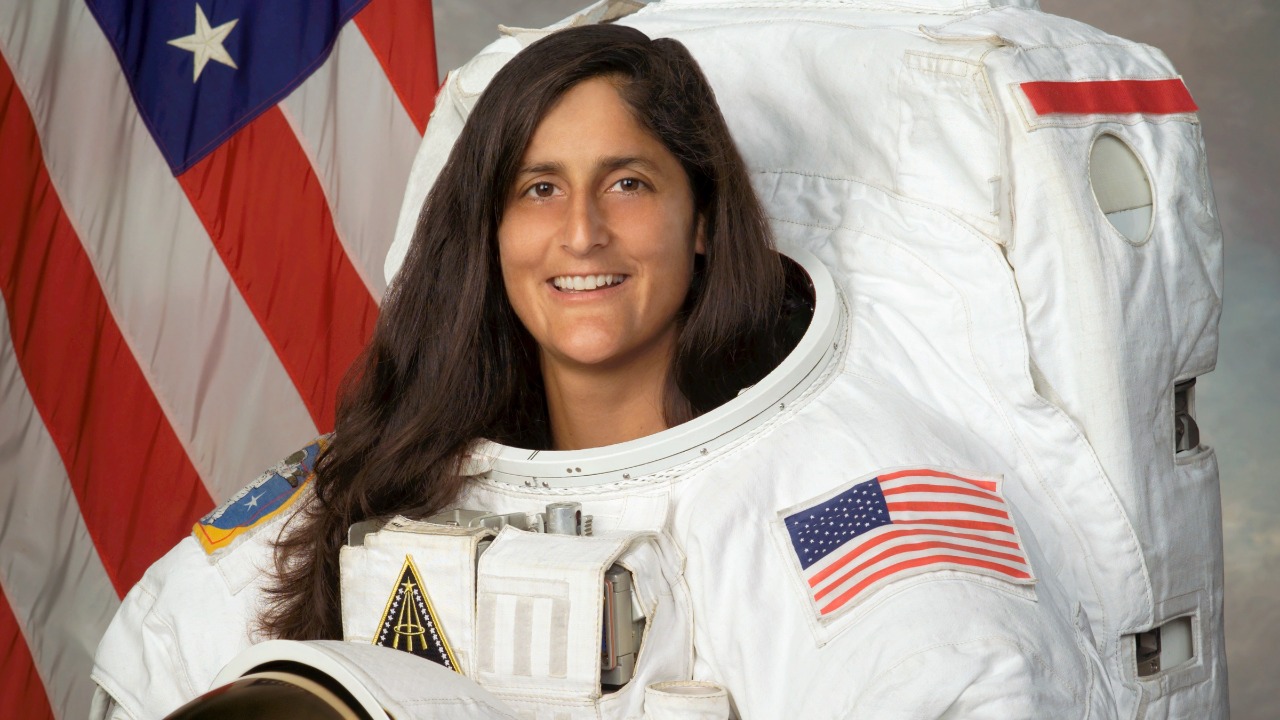

In orbit, time does not just feel different, it leaves fingerprints on the body. During a short trip to the International Space Station, a small crew showed biological changes that looked like they had aged years in a matter of days, only to see those signals swing back after landing. Their experience, paired with earlier work on astronaut twins, is forcing scientists to rethink how flexible human aging might be when gravity lets go.
I see this research less as a curiosity of space tourism and more as a live experiment in how quickly our cells can shift between stress and recovery. The same processes that made these astronauts briefly “older” could reveal levers to protect health on Earth, from intensive care units to long-haul flights and, eventually, to everyday aging.
The mission that made Four astronauts older, then younger
The story starts with a private mission to the ISS that lasted just over a week yet appeared to compress years of aging into that window. In A Nutshell, researchers tracked biological age markers in Four astronauts, whose chronological ages ranged from 31 to 67 years old, before, during, and after their stay. Over only 9 days in orbit, those markers shifted in a way that suggested nearly 2 extra years had been added to their biological clocks, a startling change for such a short mission.
Crucially, that apparent surge in age did not last. Within 24 hours of landing back on Earth, the same metrics that had spiked in space started moving back toward normal, effectively making the crew “younger” again in biological terms. One analysis of the mission emphasized that Within a day of return, many of the stress-related signals that had risen in orbit had already begun to reverse, hinting that the body’s aging machinery is more dynamic than the slow, one-way slide most of us imagine. Another summary of the findings underscored that this pattern was not limited to one narrow test but showed up across multiple measures of biological age, all captured in that same In A Nutshell description of how the astronauts’ markers started moving back toward normal.
When the Axiom crew turned spaceflight into an aging lab
The mission that produced these results was not a sightseeing trip, it was designed as a flying biology lab. When the When the four-member crew of Axiom-2 launched in May 2023, their 10-day itinerary was packed with experiments probing how microgravity affects cells, immune responses, and markers of aging. The Axiom mission gave scientists a rare chance to collect dense, time-series data, drawing blood repeatedly before, during, and after flight to watch molecular changes unfold almost in real time.
Those samples showed that some biological age indicators rose sharply in orbit, then dipped to levels that were even lower than pre-flight once the astronauts had been back on the ground for a short period. One report on Axiom highlighted that this rebound effect could make spaceflight a powerful “stress test” for the aging system, revealing vulnerabilities and repair mechanisms that are hard to see in slower, decades-long studies on Earth. In that sense, the mission turned the ISS into a kind of accelerator for aging research, compressing what might otherwise take years into a few intense days of microgravity and reentry.
The Immune System Takes a Hit, Then Shifts Gears
Behind the dramatic swings in biological age, the immune system appears to be doing much of the work. One analysis framed the pattern with a blunt subheading: The Immune System Takes a Hit, Then Shifts Gears. In orbit, immune cells showed signatures of activation and inflammation that are often associated with older age, including changes in how certain white blood cells behaved and how inflammatory pathways were switched on. Those shifts likely contributed to the “older” reading on biological clocks that integrate many molecular signals into a single age estimate.
Once the astronauts were back on Earth, those same immune markers did not simply drift back to baseline, they reorganized. The pattern suggested that the immune system had been jolted, then re-tuned, in a way that could even be beneficial if it meant clearing damaged cells or recalibrating chronic inflammation. One write-up posed the question directly: What if aging is not as one-way as we assume, and intense but brief stressors like spaceflight can trigger repair programs that leave some systems in better shape than before? A related version of that same analysis again asked What if the very plasticity that makes the immune system vulnerable in space could also be harnessed to slow or even reverse aspects of aging back on the ground.
Spaceflight, epigenetic clocks, and the Twins Study
The Axiom-2 findings did not emerge in a vacuum, they build on years of work showing that spaceflight can nudge the body’s epigenetic clocks. In the landmark Twins Study, scientists tracked identical twins, one in orbit and one on Earth, to see how their biology diverged. The Epigenomics arm of that project focused on DNA methylation, tiny chemical tags on DNA that help regulate genes and are central to many biological age calculators. Researchers reported that many of the methylation changes seen in the astronaut twin shifted back toward baseline upon his return, echoing the reversible pattern now seen in the Axiom crew.
Other parts of the Twins Study looked at how gene activity itself changed. Results from the Results showed that There were three major findings, including Gen expression changes in blood cells that ramped up during the year in space. A separate summary noted that Twelve universities and more than 80 researchers contributed to the work, and that Bailey’s project was one of 10 investigations supported by 84 researchers across 12 institutions, underscoring how central aging-related questions have become to human spaceflight research.
Scott Kelly, Chromosomal Bungee Cords, and lingering changes
The most famous participant in that twin experiment, Scott Kelly, has described how his body struggled after returning from a year in orbit. Scott Kelly said his return to Earth was quite difficult, but after about six months he felt better, a reminder that the subjective experience of recovery can lag behind the molecular shifts captured in blood tests. At the gene level, one analysis summed up the picture with a simple phrase: Not entirely. More than 90 percent of Scott’s genes returned to normal expression levels, but some small changes persisted, hinting at lasting adaptations to life in microgravity.
Another report, under the memorable banner Chromosomal Bungee Cords, emphasized that All of the surprising findings from the All of NASA work on Kelly’s genome did not mean his DNA had mutated in some science-fiction way. Instead, the focus was on telomeres, the caps at the end of each chromosome that often shorten with age. In space, some of Kelly’s telomeres actually lengthened, then shortened again after he came home, a pattern that fits with the idea of spaceflight as a powerful but reversible stressor. A separate overview noted that Spending a year in orbit changed his gene expression in ways that touched at least five biological pathways, according to Spending and Preliminary analyses from the NASA Twins project, reinforcing how many systems are pulled into the orbit of space-induced aging.
More from Morning Overview