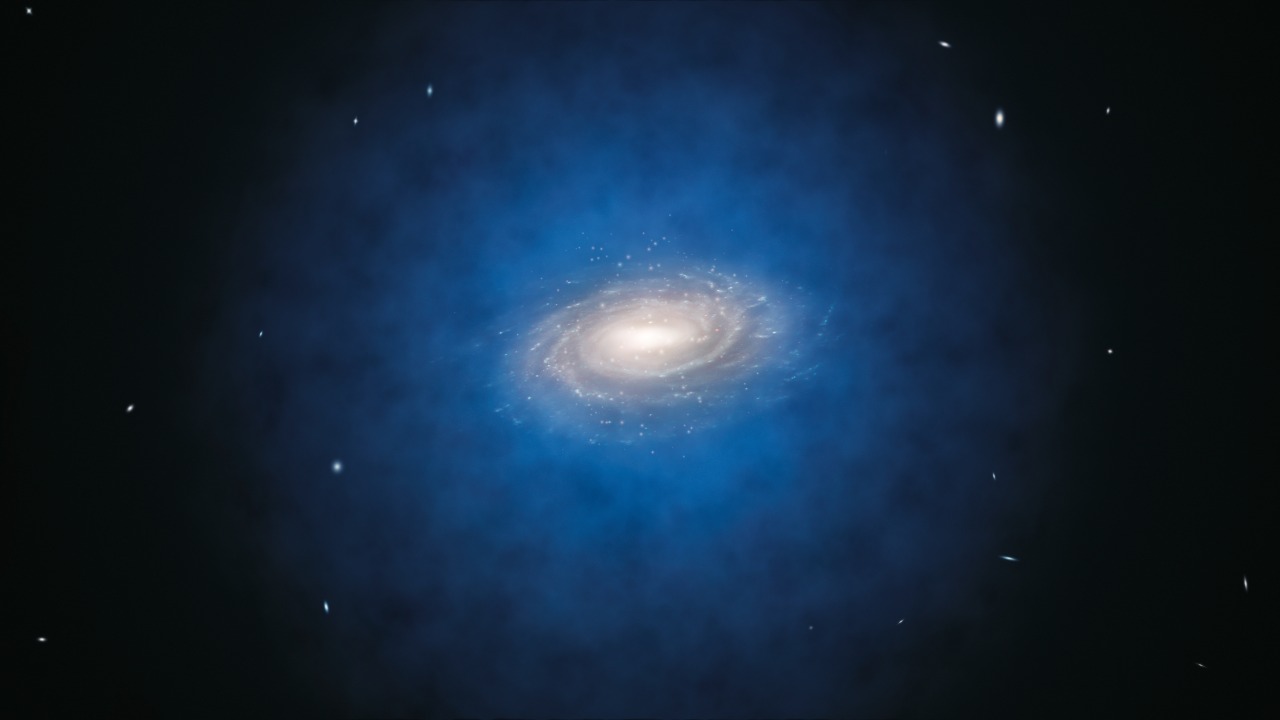

A revolutionary theory has emerged suggesting that the enigma of human consciousness could be intricately linked with the elusive dark matter. This idea invites us to delve into the uncharted territories of the quantum nature of consciousness, its potential ties to dark matter, and the profound implications for our comprehension of life, death, and post-mortem survival.
Understanding Dark Matter
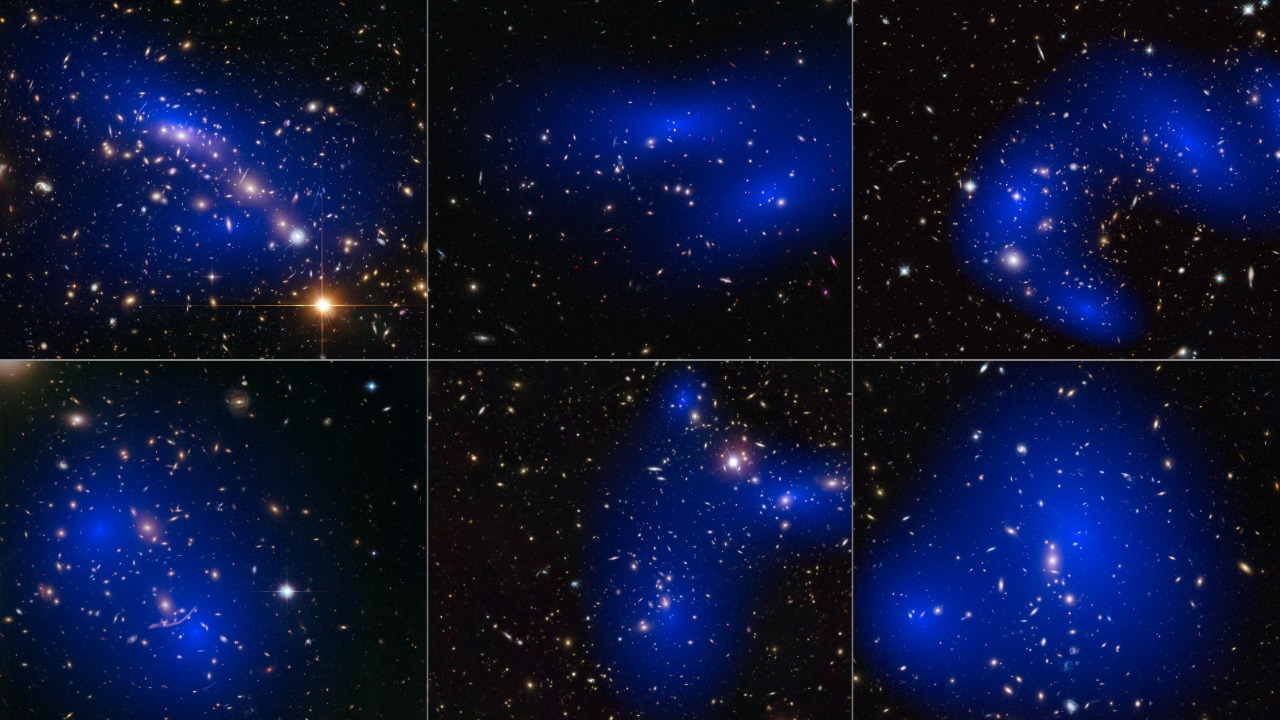
Dark matter, as the name suggests, is a mysterious form of matter that neither emits nor reflects light, rendering it virtually invisible. Despite its elusive nature, scientists believe that it makes up about 85% of the matter in the universe, playing a key role in holding galaxies together. Dark matter and its unique properties have been the subject of many theories and studies, with scientists striving to unravel its secrets.
Existing theories propose dark matter as a particle, yet none have been detected. Some astrophysicists suggest that dark matter might comprise of primordial black holes or new quantum particles. Despite multiple attempts to detect dark matter directly, its existence is only inferred from its gravitational effects on visible matter, radiation, and the structure of the universe.
The Quantum Nature of Consciousness
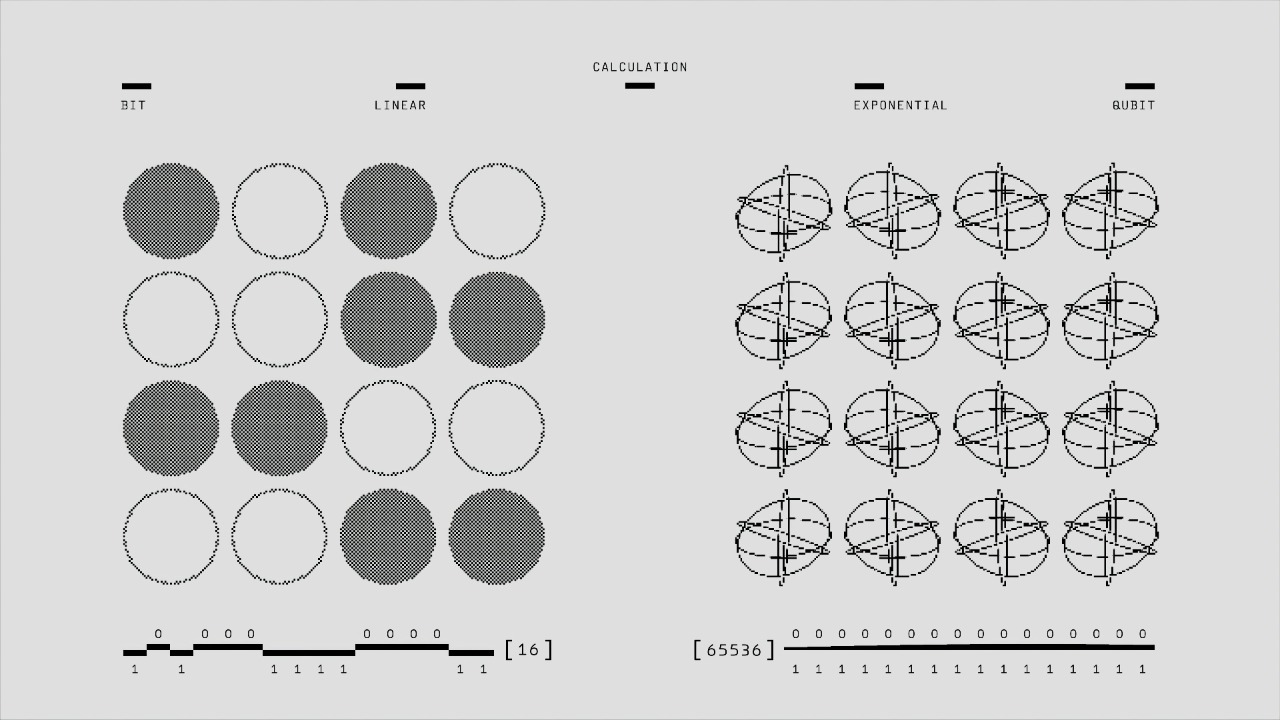
The quantum nature of consciousness is a provocative theory that posits consciousness as a quantum process. This theory hinges on the concept of quantum entanglement, a phenomenon where particles become interconnected. Changes to one particle instantaneously affect the other, regardless of their distance. This concept may provide an explanation for the interconnectedness and interaction within consciousness.
Several arguments and pieces of evidence support the quantum nature of consciousness. For instance, the famous “double-slit” experiment in quantum physics demonstrates the observer effect, suggesting that consciousness influences physical reality. In the realm of neuroscience, quantum effects in the brain, such as those within microtubules, have been proposed to explain consciousness.
Linking Consciousness and Dark Matter: A Revolutionary Theory
The theory proposing consciousness in dark matter is ground-breaking and has sparked fervent discussions and debates in the scientific community. This theory suggests that consciousness could be a form of dark matter, a concept that extends the boundaries of our understanding of both consciousness and the universe.
Potential scientific mechanisms and processes that might explain how consciousness could reside within dark matter are being explored. For example, theories propose that dark matter could interact with biological systems, influencing consciousness. Investigations into this area are ongoing, with researchers seeking to unravel this fascinating mystery.
Implications for Post-Mortem Survival
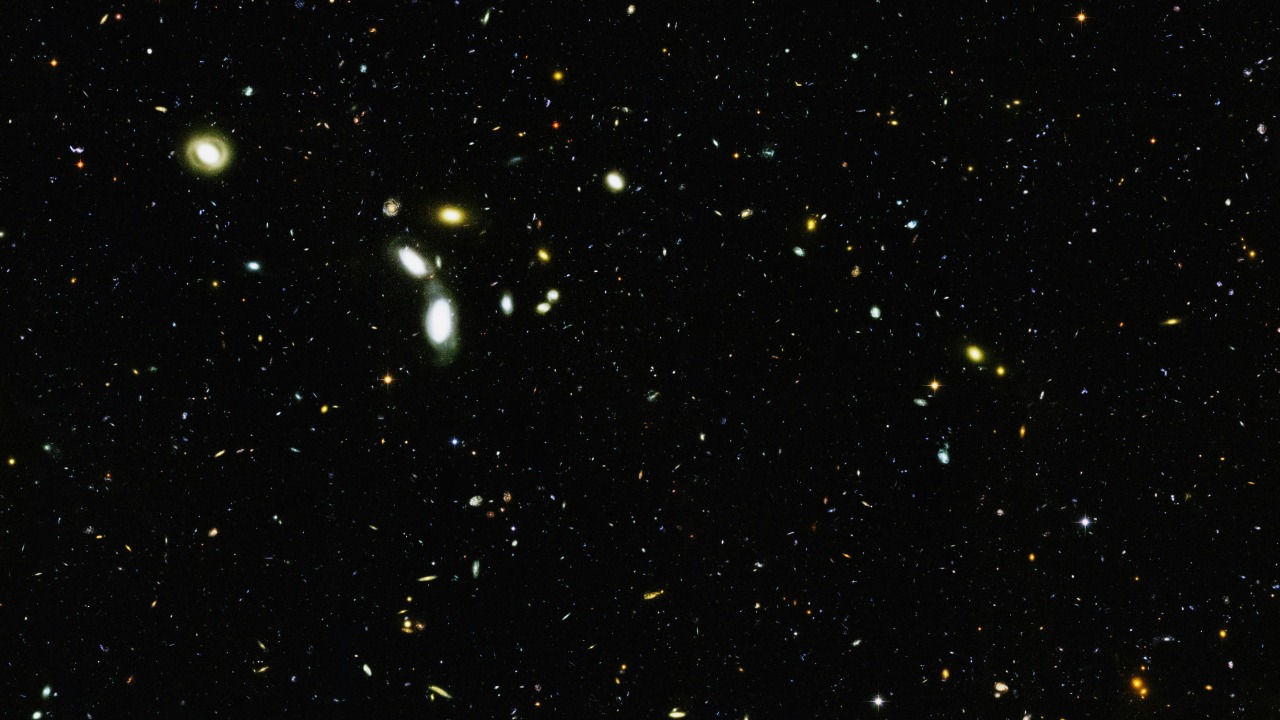
The theory’s implications for life after death, based on the quantum nature of consciousness, are profound. If consciousness is indeed a quantum process interwoven with dark matter, it could potentially exist independently of our physical bodies. This opens up the possibility of consciousness surviving after the cessation of bodily functions, a concept that challenges our understanding of life and death.
The dark matter theory might also affect our understanding of the human soul and its potential survival post-mortem. Traditional views conceive the soul as an immaterial entity, separate from the physical body. If consciousness, and by extension, the soul, is found to be a form of dark matter, this could provide a scientific basis for the notion of life after death. This idea is explored in detail in an article on the quantum nature of consciousness and its implications for post-mortem survival.
Future Directions and Potential Applications
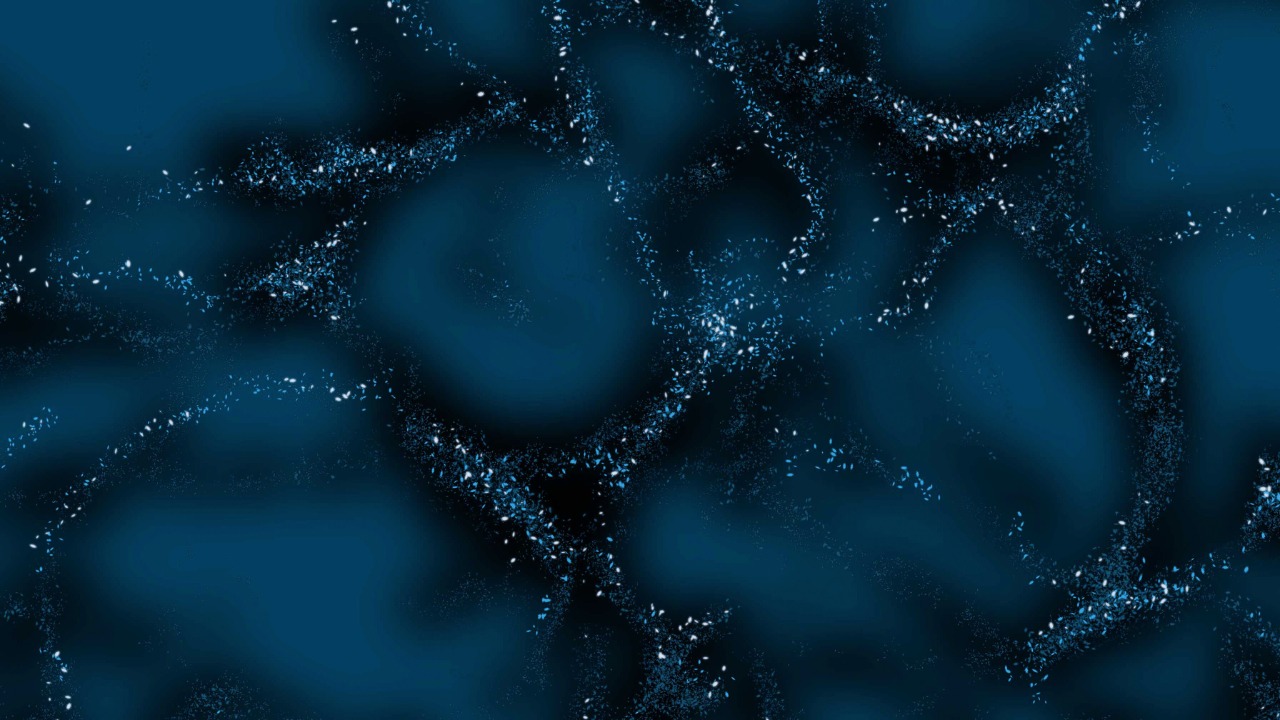
The connection between consciousness and dark matter opens up exciting new research directions. If true, this theory could revolutionize fields such as neurology and quantum physics, and even philosophy. Understanding the quantum nature of consciousness could lead to breakthroughs in understanding mental disorders, developing advanced AI, and more.
Practical applications of this theory, if proven, are vast. For example, understanding how consciousness interacts with dark matter could lead to advancements in quantum computing. Additionally, if consciousness can exist separately from the body, this could have significant implications for our understanding of life, death, and perhaps even the possibility of life extension or immortality. To delve deeper into this topic, a visit to this Reddit discussion on the possibility of consciousness being dark matter can offer additional perspectives.