
The world of automotive design is often a blend of art and engineering, producing vehicles that are both functional and aesthetically pleasing. However, not all cars have hit the mark, and some designs have been widely criticized by both experts and enthusiasts. We explore some of the most infamous car designs that have sparked debates and left a lasting impression for all the wrong reasons.
The Ill-Fated Designs of the 1950s and 1960s
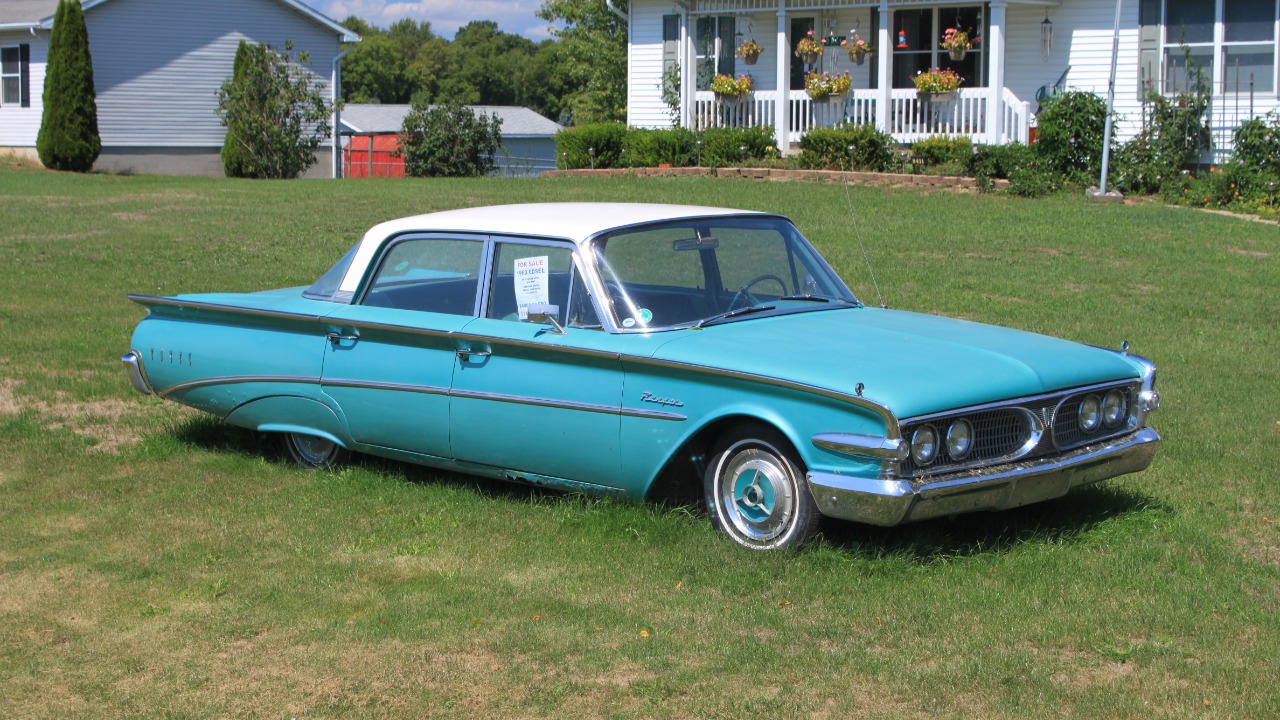
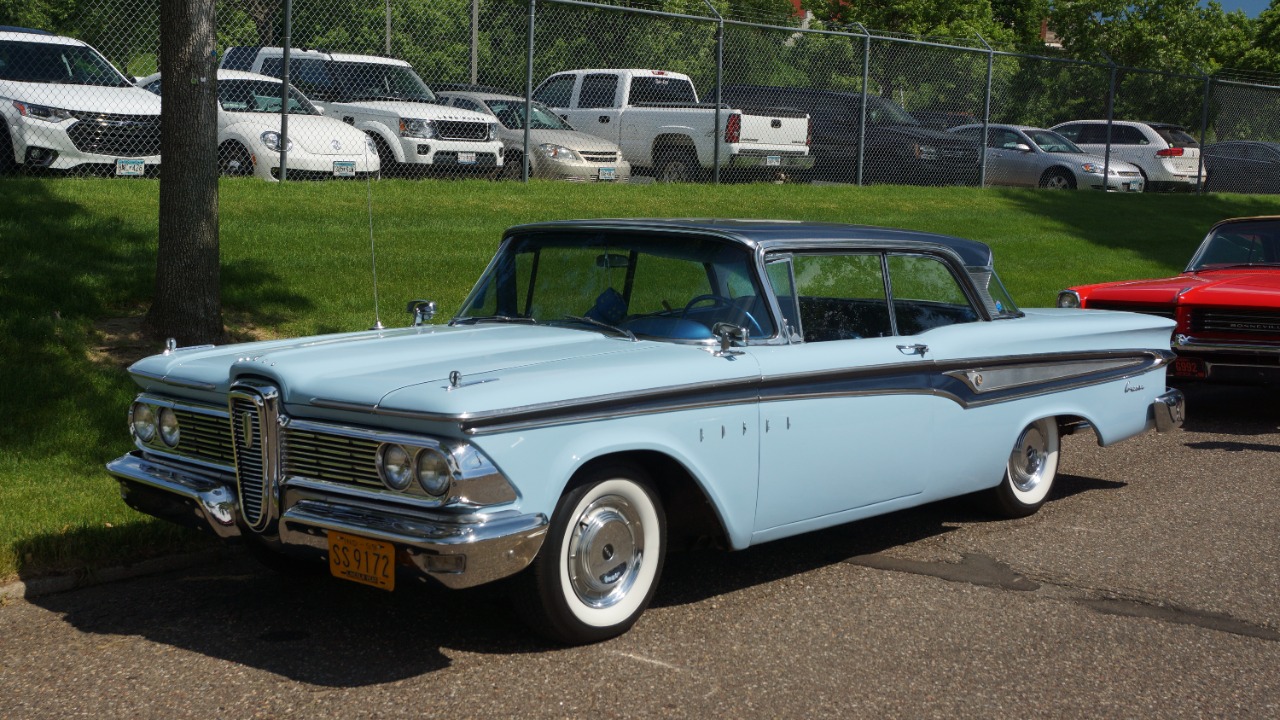
The 1950s and 1960s were a time of experimentation in car design, but not all attempts were successful. The Edsel is a prime example of a design that missed the mark. Its infamous front grille, often compared to a horse collar, failed to resonate with consumers and significantly impacted Ford’s reputation. Despite being heavily marketed, the Edsel became synonymous with failure, resulting in substantial financial losses for Ford.
Similarly, the Chrysler Airflow attempted to revolutionize aerodynamics in car design. While it was ahead of its time, the public was not ready for such a radical departure from traditional styles. The car’s streamlined design did not capture consumer interest, leading to disappointing sales figures. Another design misstep from this era was the Amphicar, which attempted to function as both a car and a boat. Unfortunately, it struggled on both land and water, leaving it as a cautionary tale about overextending engineering capabilities.
The Quirky and Questionable Creations of the 1970s
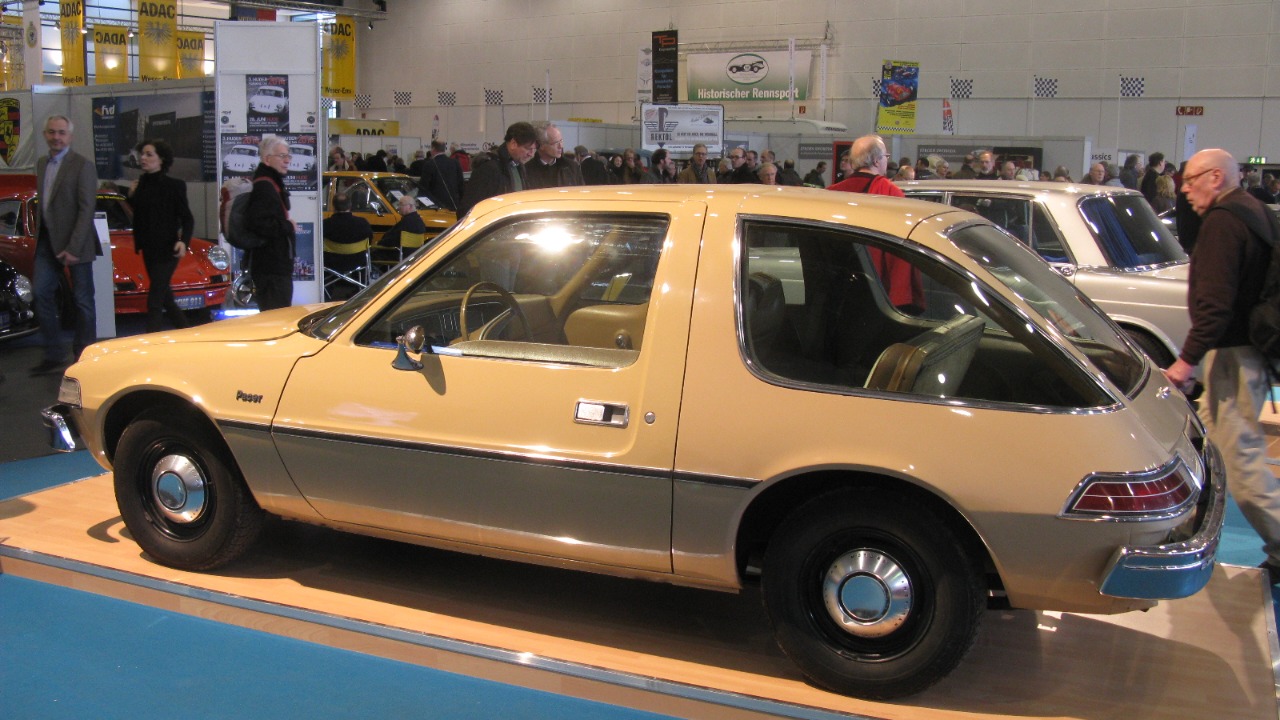
The 1970s brought a wave of quirky designs, with the AMC Pacer being one of the most memorable. Dubbed the “fishbowl” for its large glass area, its aesthetic was unique but impractical. The Pacer’s design prioritized visibility but compromised space and aerodynamics, making it a less-than-ideal choice for consumers seeking practicality.
The Ford Pinto became infamous not just for its design but for its safety issues. The placement of the fuel tank made it susceptible to fires in rear-end collisions, leading to intense scrutiny and a damaged reputation. Meanwhile, the Reliant Robin with its three-wheel design was notorious for its tendency to tip over, making it the subject of ridicule rather than praise.
The Uninspired Aesthetics of the 1980s
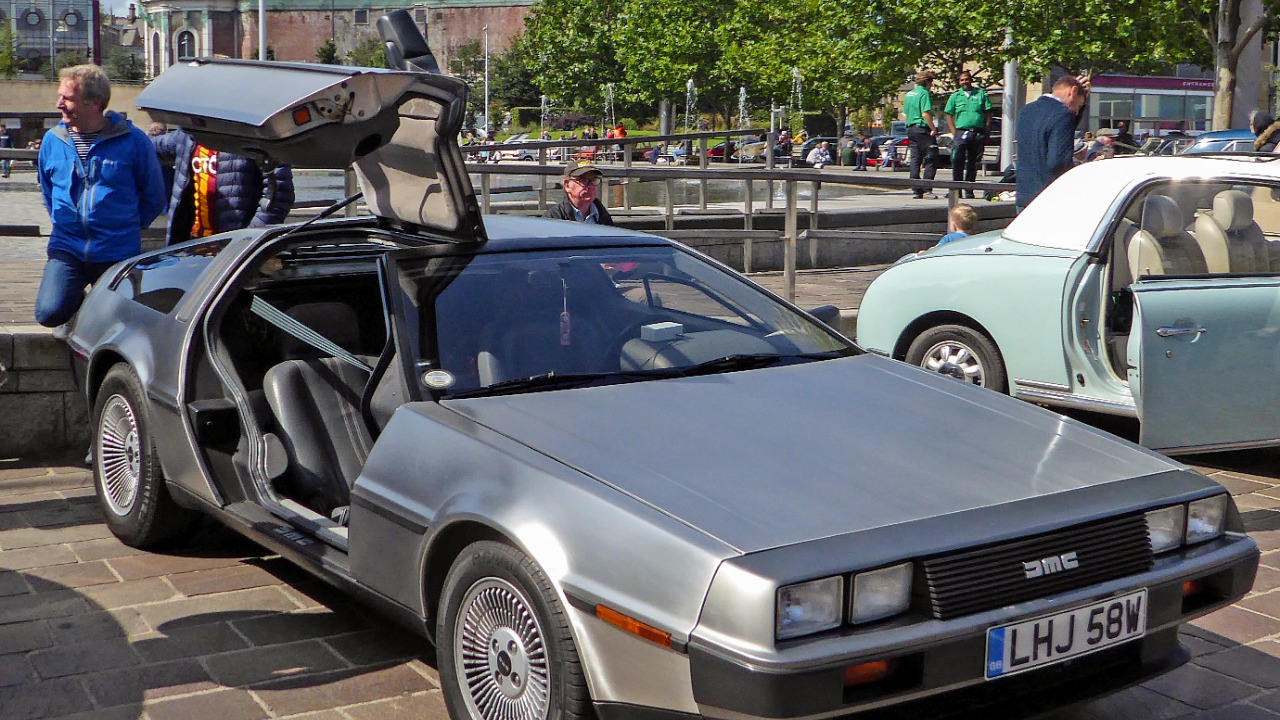
In the 1980s, certain car designs failed to capture the public’s imagination. The DeLorean DMC-12 featured a stainless steel body and gull-wing doors, which made it a futuristic icon in movies, but its commercial success was another story. The material choice led to maintenance challenges and a higher price point, which, combined with production issues, hindered its success.
The Yugo, known for its design simplicity, became a symbol of poor quality. Its affordability was overshadowed by frequent breakdowns and a lack of durability, cementing its reputation as one of the worst cars of its time. The Pontiac Fiero also faced issues with its early designs, including engine fires and poor build quality, which marred its initial release despite its sporty intentions.
The Overly Ambitious Concepts of the 1990s

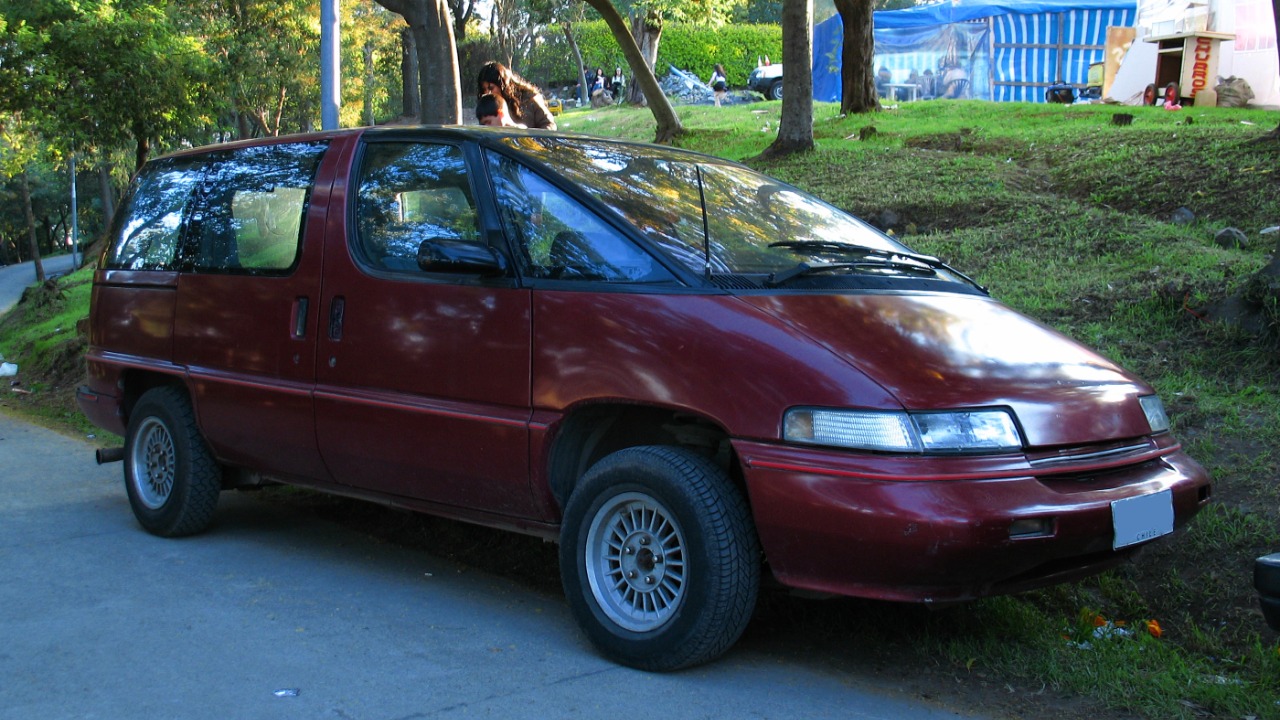
The 1990s saw ambitious redesigns that did not always hit the mark. The Ford Taurus, once a best-seller, underwent a radical redesign that received mixed reviews. While innovative, the changes were too drastic for some consumers, leading to a decline in its popularity. Similarly, the Chevrolet Lumina APV was criticized for its “dustbuster” appearance, which did not appeal to the family-oriented market it targeted.
The Suzuki X-90 was an odd blend of SUV and sports car features that left consumers confused. Its compact size and two-seater configuration did not fit well with the SUV image, leading to poor sales and an early discontinuation of the model.
The Modern-Day Missteps of the 2000s and Beyond
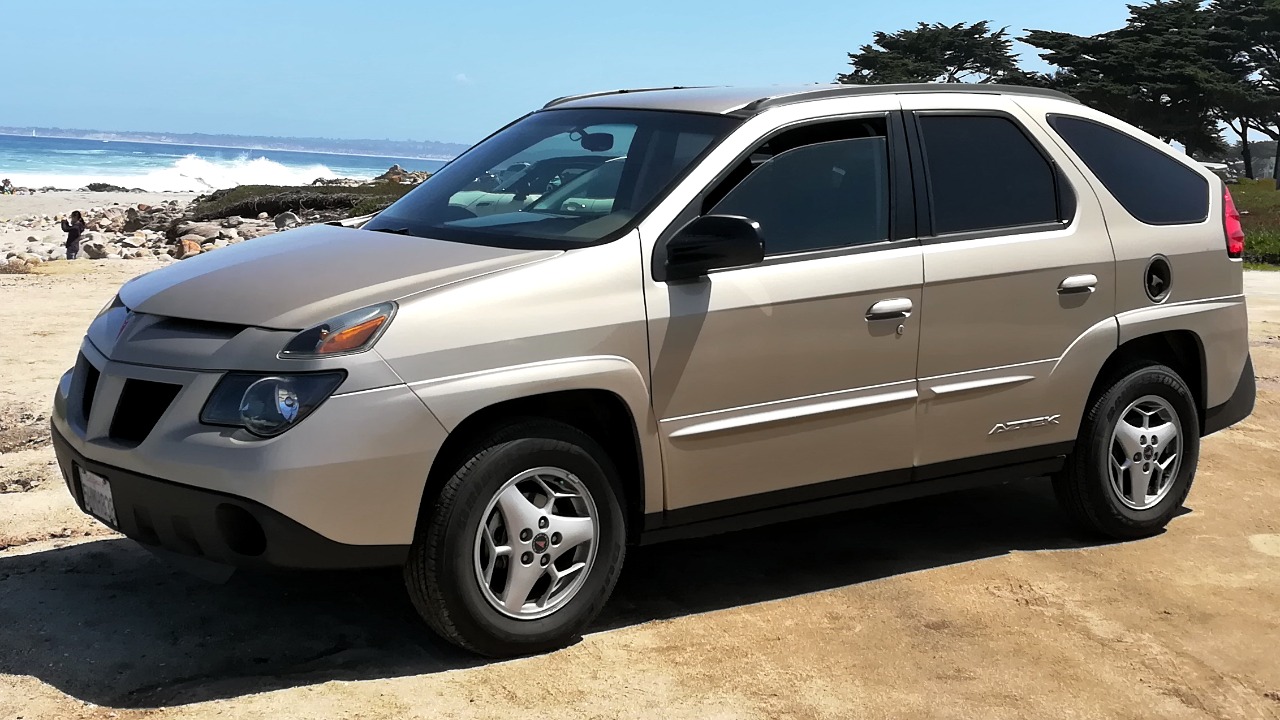
Even in the modern era, car manufacturers have not been immune to design missteps. The Pontiac Aztek is perhaps the most notable example, with its polarizing design earning widespread criticism. Despite its intentions to appeal to a younger audience, the Aztek’s unconventional style and poor market positioning led to its downfall, although it later gained a cult following due to its role in popular culture.
The Chrysler PT Cruiser initially drew attention with its retro styling but quickly fell out of favor as tastes evolved. Its novelty wore off, and sales declined, leading to its eventual discontinuation. Meanwhile, the Nissan Cube targeted niche markets with its boxy design, but it struggled to achieve widespread appeal, illustrating the challenges of balancing innovation with consumer preferences.
Lessons Learned and Design Innovations
The automotive industry has learned valuable lessons from past design failures. These missteps have informed modern design strategies, emphasizing the importance of balancing aesthetics with functionality. Consumer feedback now plays a crucial role in shaping future designs, ensuring that manufacturers are more attuned to market demands.
Innovation continues to drive the evolution of car aesthetics, with manufacturers striving to create designs that are both eye-catching and practical. As technology advances, designers have more tools at their disposal to experiment and push boundaries, but the key remains to learn from past mistakes to avoid repeating them. The future of automotive design will likely be a blend of creativity and pragmatism, shaped by a deeper understanding of what consumers truly seek in their vehicles.