
On October 3, 2025, a groundbreaking revelation shook the world of solar science. Observations of a phenomenon known as “solar rain” in the Sun’s corona have challenged long-standing models of solar dynamics. Captured through advanced imaging from solar observatories, these unexpected behaviors in the Sun’s atmosphere could redefine our understanding of stellar physics and space weather prediction.
Defining Solar Rain: A Plasma Phenomenon
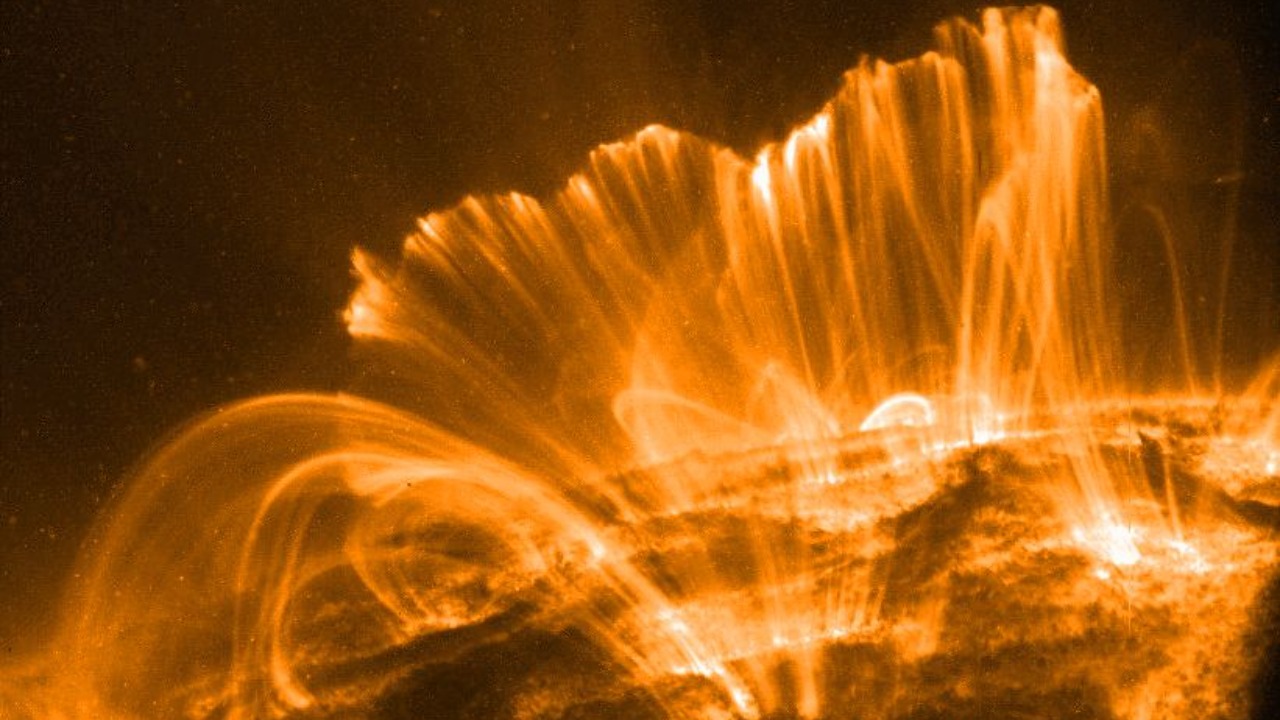
Solar rain is a fascinating event that occurs in the Sun’s corona, the outermost layer of the star’s atmosphere. It involves superheated plasma that cools and condenses before falling back to the photosphere, the Sun’s visible surface, along magnetic field lines. This process, akin to rain on Earth, is a captivating display of the Sun’s dynamic nature.
Observational evidence from telescopes such as the Solar Dynamics Observatory has shown solar rain events lasting hours and spanning thousands of kilometers. However, it’s important to note that solar rain differs from coronal mass ejections, another solar phenomenon. Unlike the latter, which are large-scale plasma discharges from the Sun, solar rain is more localized and recurring.
While the term ‘solar rain’ may evoke images of a fiery downpour, the reality is a bit more complex. The plasma involved in solar rain is a state of matter that is neither solid, liquid, nor gas. Instead, it is a superheated, electrically charged gas that makes up the Sun and other stars. This plasma, when cooled and condensed, forms the droplets of ‘rain’ that fall back to the Sun’s surface. The process is a testament to the Sun’s dynamic and complex magnetic field, which guides the plasma along its path.
According to the Solar Dynamics Observatory, solar rain is not a rare occurrence. It happens regularly, but its scale and impact vary. Some events are small and localized, while others can span large portions of the Sun’s surface. The plasma involved in these events can reach speeds of up to 200,000 kilometers per hour, making solar rain a truly spectacular phenomenon.
The Unexpected Discovery in Solar Observations
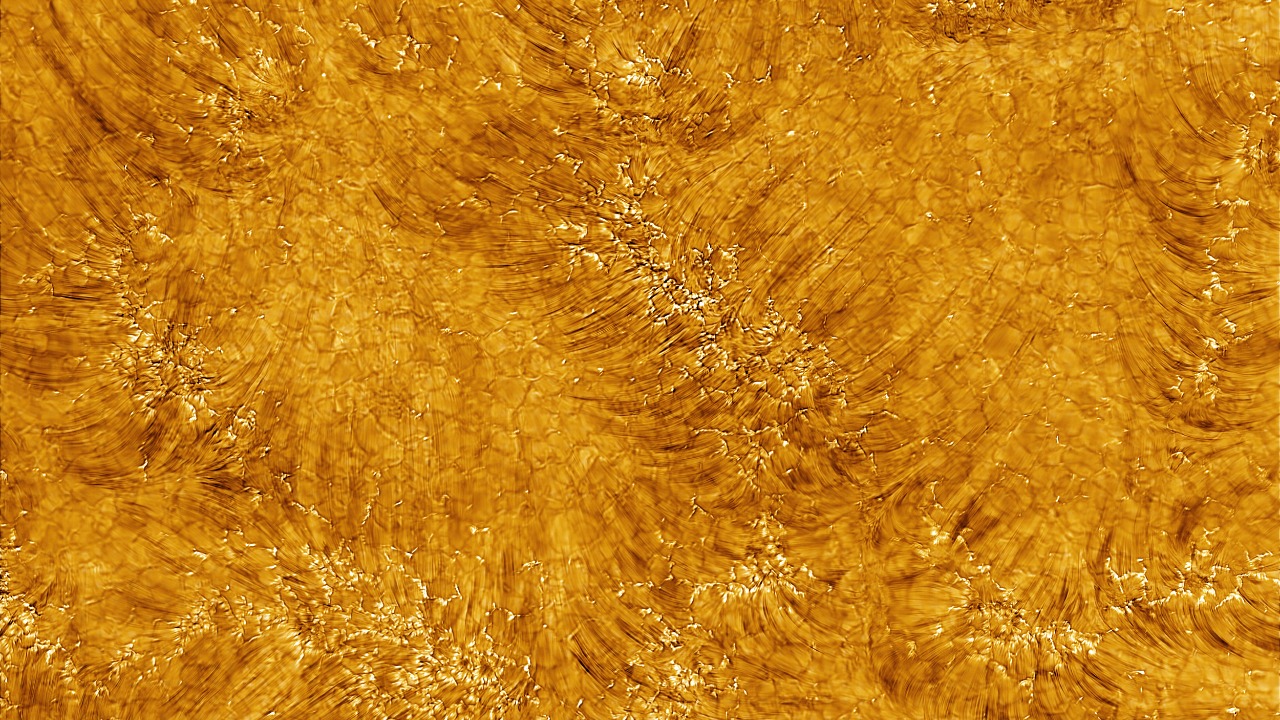
During a routine solar monitoring campaign, scientists detected anomalous plasma flows that revealed rain structures with unprecedented density and velocity. This discovery, reported on October 3, 2025, has brought new insights into the behavior of solar rain.
Key instruments, such as the Atmospheric Imaging Assembly, played a crucial role in capturing high-resolution footage of these events for the first time in such detail. Solar physicists are now exploring initial hypotheses on why this rain alters energy transfer models in the corona, opening new avenues for research.
The discovery of the anomalous plasma flows was a surprise to the scientific community. The density and velocity of the rain structures were far beyond what was previously observed. This suggests that the Sun’s corona may be more active and dynamic than previously thought. The discovery has sparked a flurry of research and debate, as scientists strive to understand the implications of these findings.
The high-resolution footage captured by the Atmospheric Imaging Assembly has provided invaluable data for this research. The footage has allowed scientists to observe the solar rain in unprecedented detail, revealing intricate patterns and behaviors that were previously invisible. This has opened up new possibilities for understanding the Sun’s corona and its role in solar dynamics.
Implications for Solar Atmosphere Models
The observed solar rain contradicts traditional theories of coronal heating. It suggests that plasma condensation plays a larger role in maintaining the Sun’s million-degree corona than previously thought. This discovery could lead to significant revisions in our understanding of the Sun’s atmosphere.
Quantitative findings have shown plasma temperatures dropping from 1 million degrees Kelvin to 10,000 degrees during rain formation. These observations could necessitate revisions to magnetohydrodynamic simulations, which are used to predict solar activity and understand the Sun’s behavior.
The discovery of the high-density solar rain has significant implications for our understanding of the Sun’s atmosphere. It suggests that the corona may be more complex and dynamic than previously thought. The traditional models of coronal heating, which assumed a relatively stable and uniform corona, may need to be revised to account for these new findings.
The observed drop in plasma temperatures during rain formation is particularly intriguing. This suggests that the corona may be cooled by the rain, a process that was not accounted for in previous models. This could have significant implications for our understanding of the Sun’s energy balance and the mechanisms that drive solar activity.
Connections to Space Weather and Earth
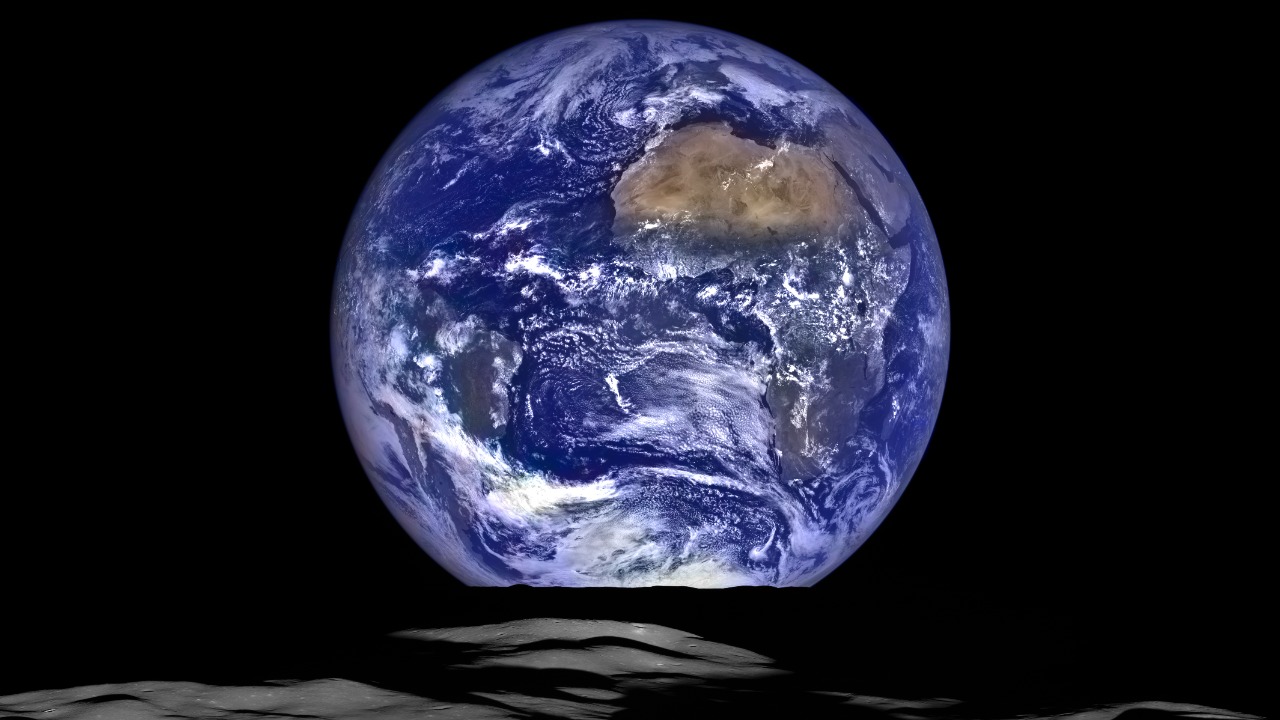
Solar rain events are linked to broader solar cycles. Their frequency peaks during the solar maximum, a period of high solar activity, and they could potentially influence geomagnetic storms. An enhanced understanding of solar rain could therefore improve forecasts for auroras and satellite disruptions caused by solar wind variations.
Historical solar rain observations from missions like Hinode provide context for the 2025 breakthrough. By comparing these past observations with the recent findings, scientists can gain a deeper understanding of the evolution and behavior of solar rain.
The discovery of the high-density solar rain also has potential implications for our understanding of space weather. Solar rain events are closely linked to solar activity, and their frequency and intensity could provide valuable clues about the Sun’s behavior. This could improve our ability to predict solar storms, which can disrupt satellite communications and power grids on Earth.
Furthermore, the comparison of historical solar rain observations with the recent findings could shed light on the evolution of the Sun’s activity. This could provide valuable insights into long-term trends in solar activity, which could have significant implications for climate change and other Earth-based phenomena.
Scientific Teams and Methodologies Behind the Find

An international team of researchers from NASA and the European Space Agency analyzed the data leading to this paradigm shift in solar science. Their work has shed new light on the Sun’s behavior and opened up new possibilities for future research.
The team used multi-wavelength spectroscopy techniques to measure plasma composition and motion speeds exceeding 100 km/s. They also collaborated with ground-based observatories like the Daniel K. Inouye Solar Telescope for validation, ensuring the accuracy of their findings.
Future Research Directions in Solar Science
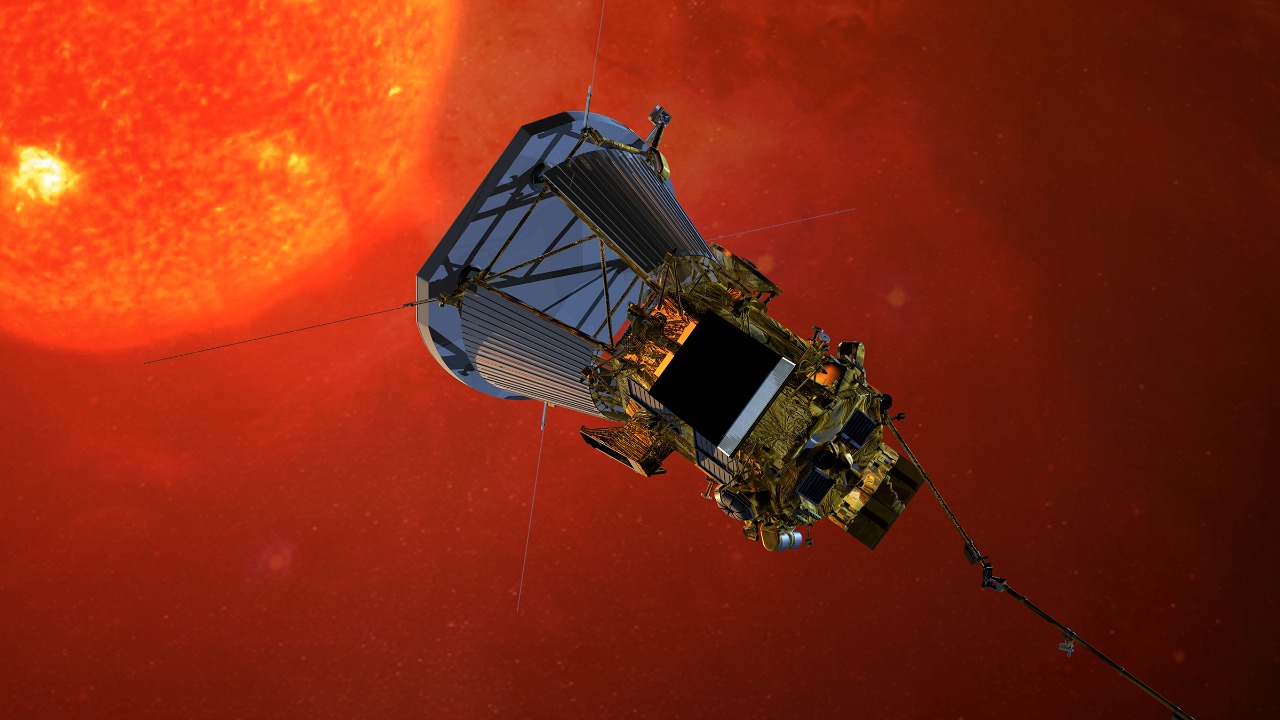
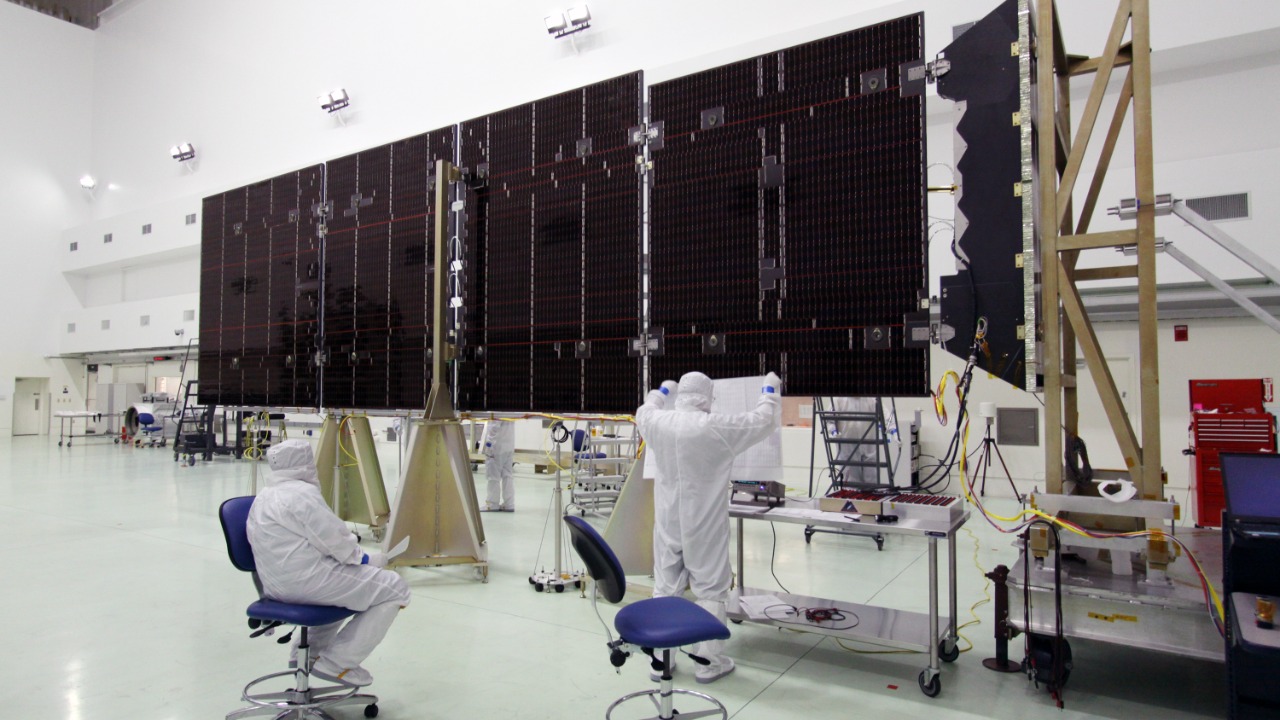
Upcoming missions, such as the Parker Solar Probe’s close approaches, could provide opportunities to study solar rain in situ and confirm the 2025 observations. These missions will allow scientists to observe solar rain directly, providing valuable data to further our understanding of this phenomenon.
These findings could also have applications in exoplanet studies. Similar rain mechanisms might explain the atmospheres on distant stars, broadening our understanding of the universe. However, modeling these events presents challenges, including the need for higher computational power to simulate triggers such as magnetic reconnection.
