
With smartwatches becoming a staple accessory for many, concerns regarding their potential to leak personal data are surfacing. This in-depth exploration will focus on the most susceptible smartwatches when it comes to data leakage, offering insights into safeguarding your personal data.
Understanding the Privacy Risks of Smartwatches

Smartwatches have the capacity to collect a wide range of personal data. From fitness tracking information like your heart rate and sleep patterns to financial data through contactless payments, these devices are a repository of sensitive data. The collection and storage of such data make smartwatches attractive targets for cybercriminals. If not properly secured, this information can fall into the wrong hands, leading to significant security risks.
There are multiple vulnerabilities in smartwatches that could result in data leakage. For instance, data can be intercepted during transmission if the watch and the paired device aren’t adequately secured. The apps used on the smartwatches may also have their own security weaknesses. Issues with the watch’s operating system or firmware could provide an entry point for hackers. An in-depth look at these potential risks can be found on VPNOverview.
Common Smartwatches and Their Potential to Leak Data
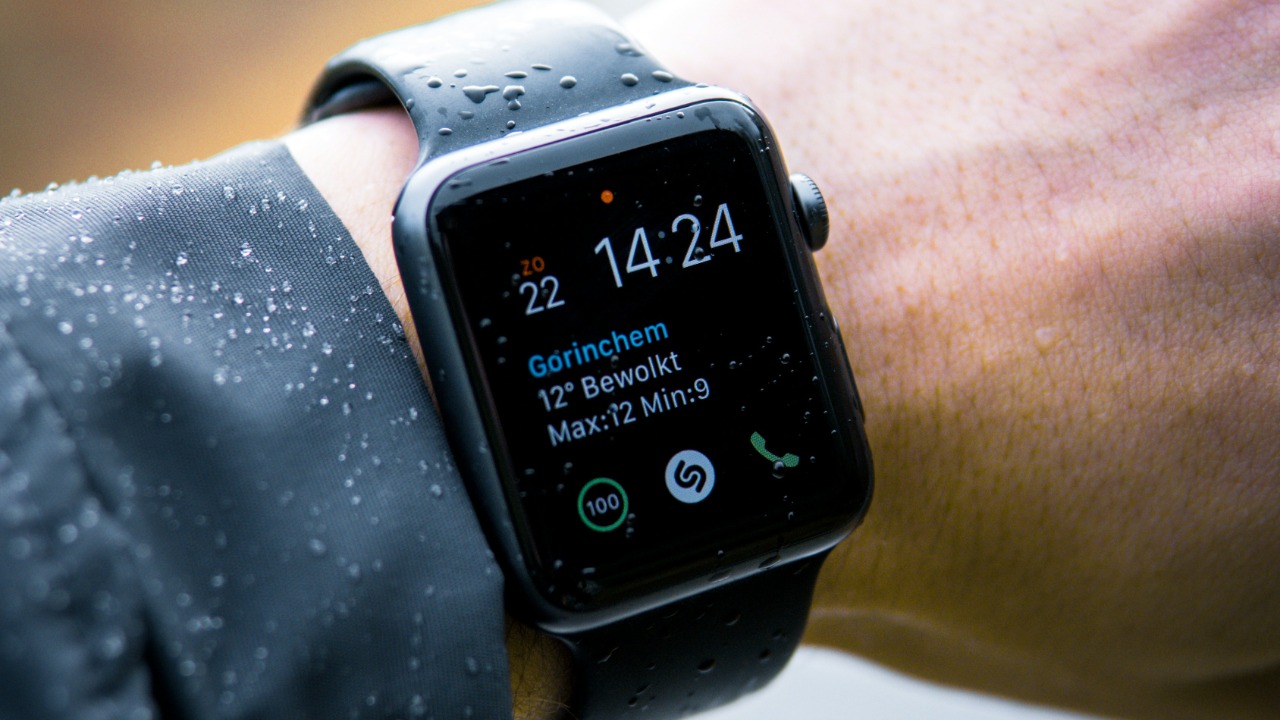
Many popular smartwatch brands and models have been scrutinized for their data leakage risks. For instance, Apple Watch, a leading player in the smartwatch market, was found to have vulnerabilities that could expose Wi-Fi passwords. Similarly, Fitbit, a popular fitness tracker, has had issues in the past with leaking users’ GPS data. These cases underscore the importance of understanding the potential data risks associated with your chosen smartwatch.
Several instances of data breaches involving smartwatches have been reported over the years. In one case, a flaw in Garmin’s Connect IQ app system allowed hackers to take control of the user’s watch and potentially access sensitive data. These instances highlight the need for users to be proactive in protecting their personal data.
Research Findings on Smartwatch Data Leakage
Several studies have been conducted into the potential for data leaks from smartwatches. A study by the IEEE found that many smartwatches lacked robust security measures, leaving them vulnerable to hackers. Another study by the Tampere University found that personal health information collected by smartwatches could be at risk of exposure due to weak data protection mechanisms.
Additionally, a report by Information Week revealed that fitness trackers, including smartwatches, were leaking personal data. The report indicated that the data leakage was primarily due to the apps associated with these devices and their lack of proper security measures.
How Smartwatch Data Leaks Can Impact Users
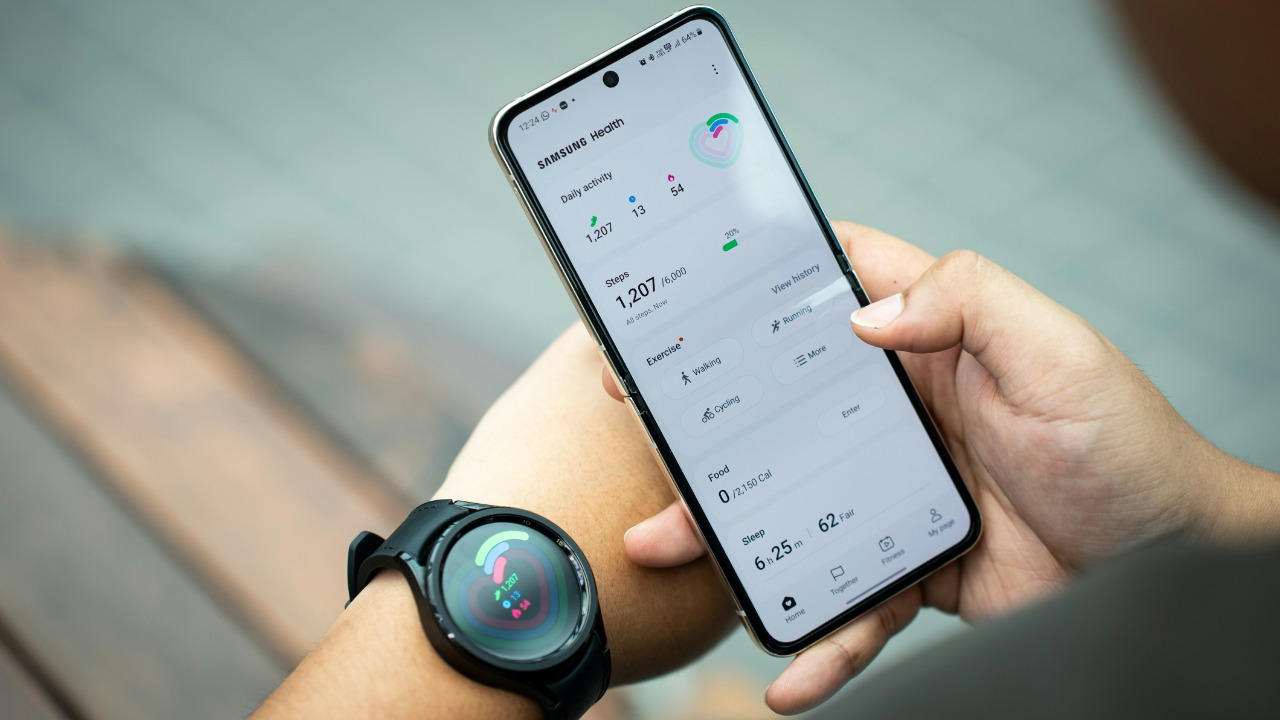
The consequences of smartwatch data leaks can be far-reaching. Sensitive health data could be used to discriminate against individuals in areas such as insurance and employment. Financial data can lead to identity theft and fraudulent transactions. In some cases, location data could potentially be used for stalking or other malicious purposes.
Leaked data can also be exploited by malicious actors to carry out targeted phishing attacks. By gaining access to personal information, attackers can craft convincing messages designed to trick the victim into revealing additional information or downloading malicious software. The severity of these impacts underscores the importance of securing personal data on smartwatches.
Preventing Personal Data Leak from Smartwatches
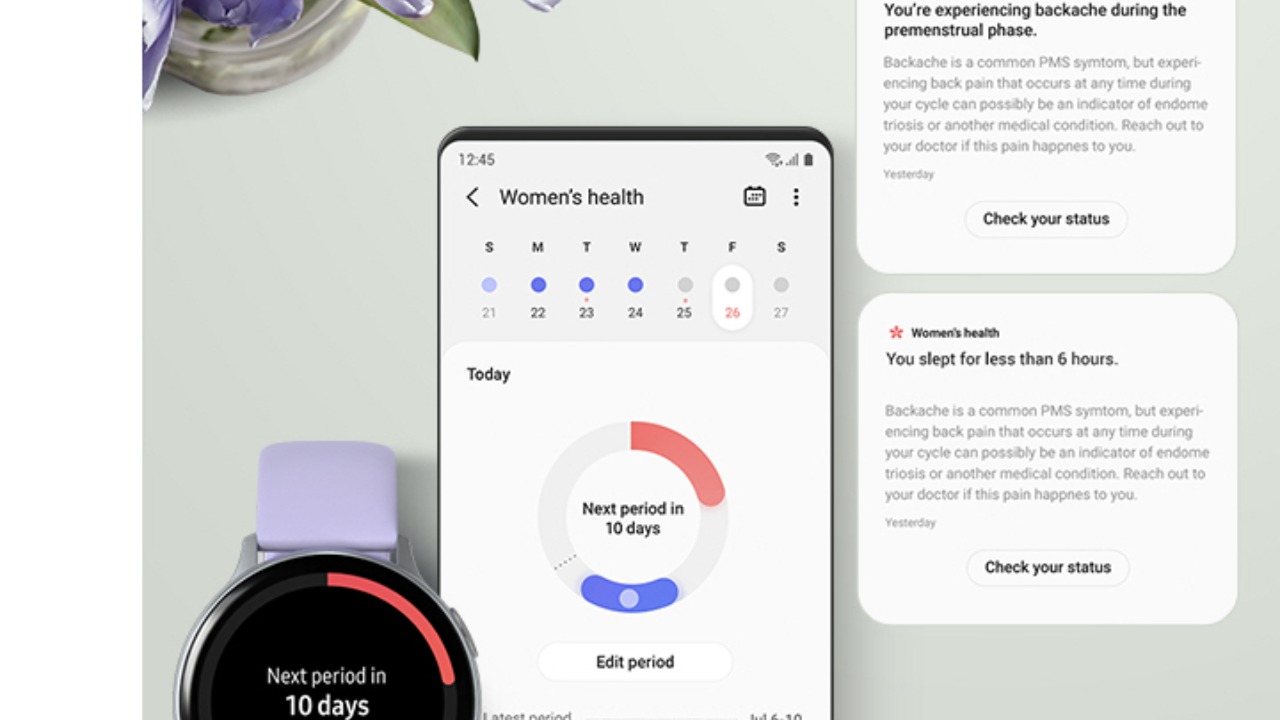
There are several steps you can take to secure your smartwatch and protect your personal data. Regularly updating the device’s software can help to fix any security vulnerabilities. It’s also crucial to scrutinize the privacy policies of any apps you install on your smartwatch. Make sure they do not have permission to access more data than necessary. Furthermore, using strong, unique passwords and enabling two-factor authentication can provide an additional layer of security.
Adopting best practices for using smartwatches safely can also go a long way in protecting your personal data. For instance, turning off features that you don’t need can reduce the amount of data your watch collects. Similarly, avoiding public Wi-Fi networks can help prevent data interception. A comprehensive guide on smartwatch security practices can be found in this Wiley Online Library article.
