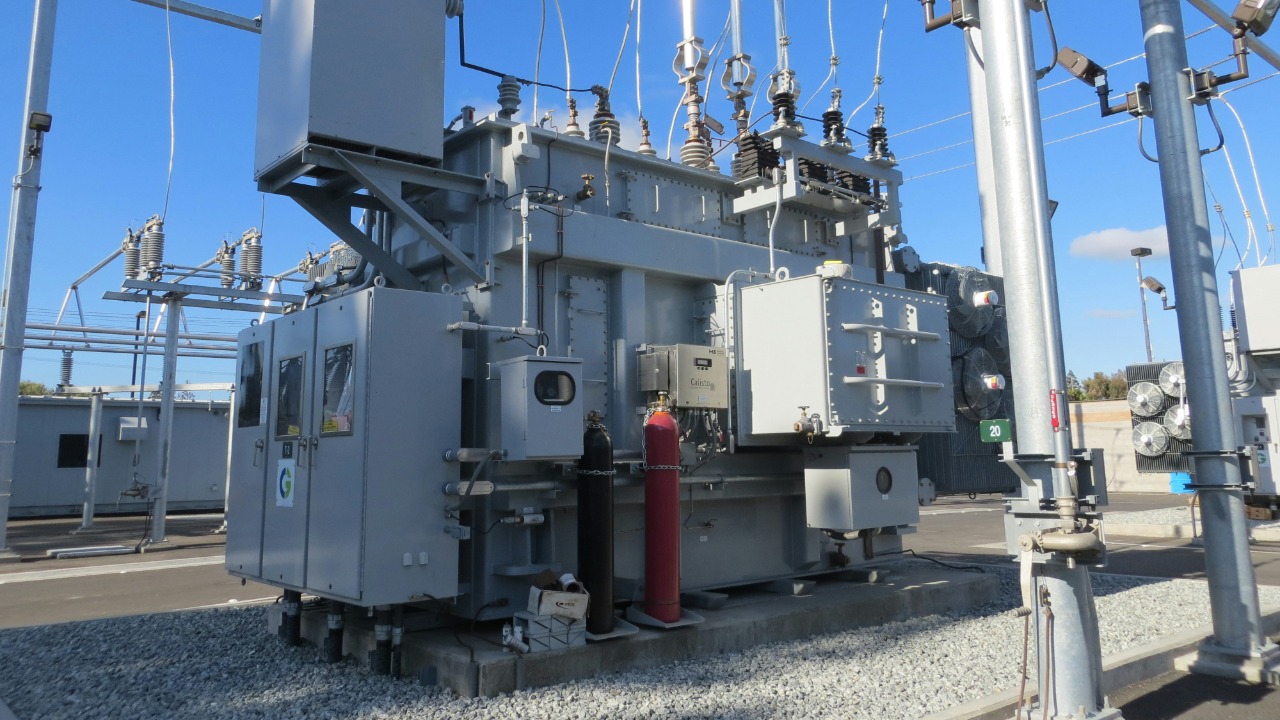

The power grid is being rewired from the inside out, not by new wires or pylons, but by vast banks of batteries quietly slipping into substations, solar farms and even neighborhood resilience hubs. As storage costs fall and new chemistries mature, batteries are shifting from a niche add‑on to the organizing backbone of a cleaner, more flexible electricity system. The result is a largely unseen revolution that is about to flip how power is generated, traded and consumed.
Global installations of grid storage have already crossed the symbolic 100 G threshold, and analysts expect Deployment to keep accelerating as Pricing falls and new business models emerge. In practical terms, that means batteries are beginning to decide when power plants run, how much rooftop solar a city can host and whether a community can ride out a heat wave without blackouts.
The scale shock: from pilot projects to 100 G and beyond
For years, grid batteries were treated as experimental side projects, but the market has abruptly tipped into industrial scale. Annual installations of energy storage passed 100 G for the first time, a milestone that signals batteries are no longer a rounding error in utility planning but a core asset class in their own right. Analysts tracking Energy storage in 2026 describe a sector where Deployment of Global capacity is set to exceed 100GW, even as Pricing in the United States and Europe falls by 10 to 20 percent per kilowatt hour, a combination that is rare in heavy infrastructure.
Behind those numbers is a wave of giga‑scale construction that would have sounded fanciful a decade ago. Commentators following the sector describe Battery storage as “EXPLODING,” with more than 120 giga‑scale projects either operating or in the pipeline, a build‑out visible in everything from desert solar hybrids to coastal peaker plant replacements. In parallel, detailed market tracking shows how Share of new grid investments is shifting toward storage as developers race to secure faster utility connections and monetize arbitrage opportunities that only large batteries can capture.
How batteries are already reshaping grid operations
The most immediate impact of this storage surge is operational rather than symbolic. Large Storage systems are now routinely used for Balancing supply and demand on second‑by‑second timescales, providing Frequency and voltage regulation that used to come only from spinning turbines, and shaving Peak demand so utilities can defer or avoid new fossil peaker plants. In some markets, batteries are already the first resource grid operators call on to stabilize frequency after a disturbance, precisely because they can respond in milliseconds instead of minutes.
That flexibility is starting to ripple through planning assumptions. Analysts note that energy storage is now recognized as one of the fastest and most affordable ways to add flexible power and capacity, a point underscored by experts quoted in assessments of what is next for battery technology in 2026. In the United States, Here are eight battery storage breakthroughs that collectively enable Battery storage to support 100 percent clean power on certain networks for extended periods, turning intermittent solar and wind into something that looks, from a grid operator’s perspective, a lot like a conventional 24‑hour clean power grid.
From backup to backbone: utilities harden for the next grid era
Utilities are not waiting for abstract future breakthroughs, they are wiring batteries directly into the bones of their systems. One sign of that shift is the surge in battery storage projects tied to grid modernization and resilience programs, where These upgrades will allow resilience hubs to provide reliable power for cooling spaces, food and medicine storage and essential services when the wider network fails. In Austin, a municipal utility has unveiled a $735 citywide grid hardening strategy that treats distributed batteries as a central pillar of resilience, while the Feds and CMS work to accelerate energy infrastructure development and ensure public facilities can stay online during disasters.
Public‑sector planners increasingly describe storage as a core part of “the next grid era,” not a bolt‑on emergency generator. Detailed case studies of battery storage projects in 2026 show how Additional work may include backup power for critical facilities, microgrids for emergency shelters and neighborhood‑scale systems that keep traffic lights, cell towers and water pumps running. In parallel, Batteries Withstanding Market Battering have held up as a clean energy bright spot, with analysts Taking stock of both headwinds and tailwinds and still projecting a solid year for new projects, provided financing conditions remain manageable and interconnection queues do not choke off the pipeline.
The chemistry shake‑up: Sodium, Non‑lithium and 100 k pilots
Under the hood, the battery revolution is no longer just a lithium‑ion story. Sodium technologies are moving from lab curiosity to commercial reality, with Sodium‑ion batteries highlighted as one of the breakthrough technologies of 2026. Reports on Sodium explain that for decades lithium‑ion cells powered phones, laptops and electric vehicles, But lithium’s limitations around cost and resource constraints have opened the door for alternatives that can use more abundant materials while still delivering acceptable performance for stationary storage.
Industry outlooks emphasize that Non lithium technologies, including sodium‑ion, are emerging at scale just as Clean energy enters a critical decade in markets such as Germany, Italy and California. Commercial guides to next‑generation systems note that Let us look at what is actually ready or close to hitting the market, pointing out that Sodium Ion Batteries Are Here and that Researchers have already demonstrated prototypes suitable for grid applications. At the frontier of duration, long‑duration startups are piloting systems that promise to store energy for days rather than hours, with While Graves describing a subsequent demo set to deliver up to 100 k of long‑duration capacity as part of a push to prove that alternative chemistries can compete on cost and reliability.
Long duration, grid‑forming and the new architecture of reliability
As variable renewables climb toward a dominant share of generation, the grid’s needs are shifting from simple peak shaving to multi‑day reliability. Analysts asking Why long duration storage is becoming a system requirement argue that LDES is essential if solar and wind are to carry the bulk of supply without frequent curtailment or backup from gas. In that framing, four‑hour lithium packs are a starting point, not the finish line, and planners are beginning to model portfolios that mix short‑duration batteries with eight‑, twelve‑ or even hundred‑hour systems to ride through cloudy weeks and wind lulls.
At the same time, the electronics that connect batteries to the grid are getting smarter. Battery storage with grid‑forming inverters, such as the 370MWh Koorangie BESS in Australia, has been identified as a key trend because it allows batteries to set voltage and frequency rather than simply follow them, a capability once reserved for large synchronous generators. Technical overviews of grid‑scale storage in 2026 explain how such systems help with Balancing, Frequency and voltage support and Peak management, turning batteries into active grid‑forming elements rather than passive sponges. In expert forecasts of what is next for battery technology, specialists argue that “In 2026, energy storage will be clearly recognized as one of the fastest and most affordable ways to add flexible power and capacity,” a judgment that reflects how quickly these capabilities are moving from pilot to standard specification.
More from Morning Overview