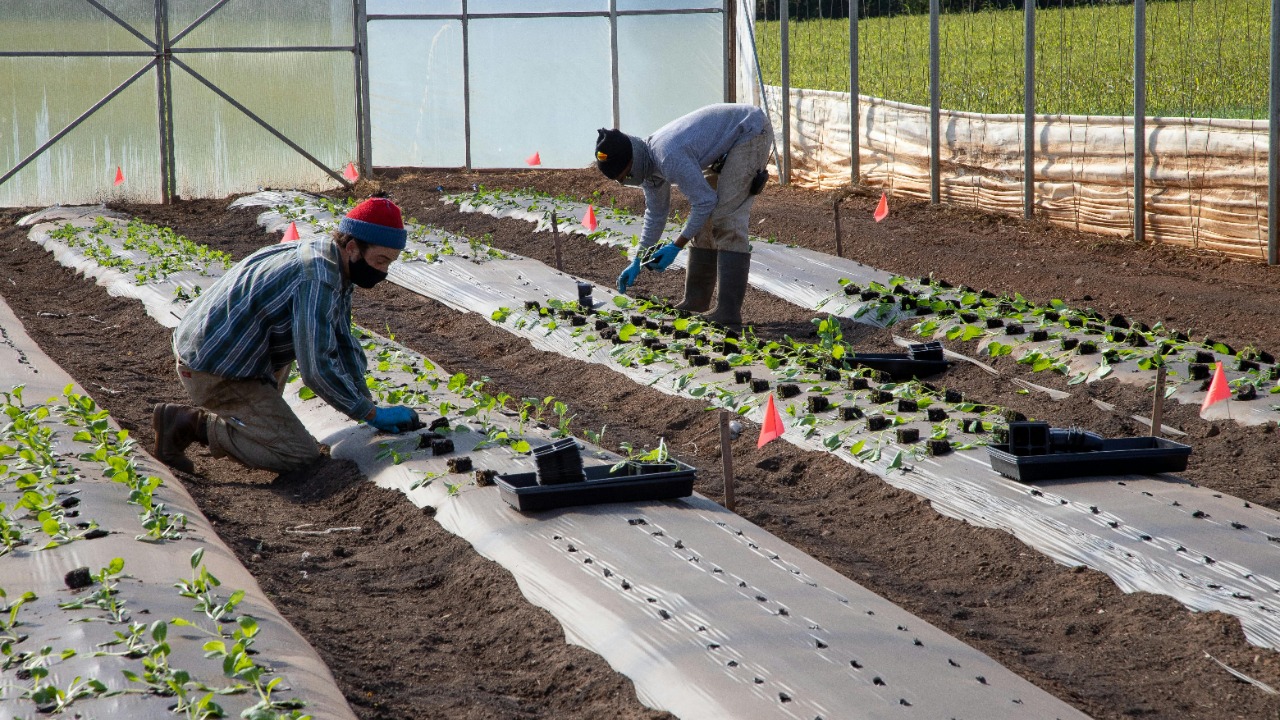

Across the world, fields and gardens are turning into lifeless crusts that repel water and resist roots. Yet the most effective way I see farmers bringing that “dead” ground back is not a new product but a quiet return to an old habit: keeping soil covered and largely undisturbed so life can rebuild itself. Instead of more steel and stronger chemicals, the overlooked trick is to stop fighting the ground and give it constant food, shade and time.
That shift is transforming everything from backyard beds to parched farmland, as growers rediscover techniques that rely on mulch, cover crops and minimal tillage to re‑create the underground networks that power plant growth. The approach looks deceptively lazy on the surface, but the evidence shows it can turn brick‑hard dirt into a living sponge that stores water, carbon and nutrients.
Why “dead” soil is usually just starving
What most people call dead soil is usually not empty, it is exhausted. When ground has been scraped bare, compacted and repeatedly dosed with quick‑hit fertilizers, the intricate web of fungi, bacteria and invertebrates that feed plants begins to collapse. One analysis notes that Forty percent of the world’s soils are already degraded, which means they have lost much of their ability to grow food, store carbon and support life. Another assessment of Without proper care warns that degraded soil cannot reliably support crops or hold nutrients near the surface where roots can reach them.
On the ground, that degradation shows up as dust that blows away or clay that bakes into a brick. Gardeners describe patches where water beads and runs off, seeds fail to sprout and even hardy weeds struggle. In one “lazy gardener” demonstration, the host Jul shows how bare ground dries, cracks and sheds rain until organic matter is added on top, turning a lifeless crust into a crumbly layer that finally absorbs moisture, as seen in the clip linked through Jul. A separate breakdown of soil restoration principles stresses that the process is about rebuilding biological function, not just adding inputs, and that it depends on feeding microbes with a steady flow of carbon in the form of simple sugars and residues, a point underscored in guidance on Soil restoration.
The “do less” technique that keeps paying off
The quiet revolution in these fields starts with a counterintuitive move: stop churning the soil. No‑till farming, also described as zero tillage or direct drilling, is defined as an agricultural technique for growing crops without disturbing the soil through tillage. Instead of plowing, farmers leave residues on the surface and plant directly into that protective layer. Advocates argue that when you leave the soil alone, it comes back to life, and one farm account describes how, once tillage stopped, roots and residues began to structure the ground and to feed the microbial life underneath, a shift captured in the phrase When You Leave.
Soil specialists now frame this as “minimal disturbance” rather than a rigid rule, but the direction is clear. A set of Regenerative Agriculture Practices lists Reduced or No‑till Farming Practices as a core pillar, alongside Cover Cropping and Compo based fertility. Another guide to Avoid aggressive Tillage warns that while deep cultivation can look like a quick fix, it destroys the very deep‑rooted living cover that holds structure together. Even at large machinery shows, minimal soil disturbance is now trending, with one report noting that, Having done its job, the catch crop is killed and returned to the soil with lighter tools rather than relying on heavy cultivators, a shift highlighted in coverage of Having minimal disturbance.
Cover crops and mulch, the “armor” that feeds the underground
If less tillage is the first half of the trick, the second is never leaving soil naked. In practice that means using cover crops and thick mulch as living and dead armor. One regenerative overview calls cover cropping a key practice because it feeds bacteria, fungi, nematodes and other organisms that drive nutrient cycling, a role spelled out in the list of Cover Cropping. A separate explainer on how regenerative practices rebuild soils notes that mulching is a powerful tool for restoring soil health, both by shielding the surface from erosion and by slowly feeding microbes as the material breaks down, a point emphasized in the discussion of Mulching.
Gardeners have been quick to adapt those ideas. In one widely shared permaculture Comments Section, a user writing under the name Autronaut69420 insists “Yes!! MULCHING WITH organic matter” is the best way to restore dead soil, arguing that it does not really matter what the material is as long as it adds carbon and beneficial microorganisms. Practical guides echo that advice, urging growers to Start with Organic Matter and explaining that compost and residues help move nutrients up from deeper layers and make them available to surface plants, as outlined in the Regenerative organic approach. A step‑by‑step program for reviving yards likewise opens with the instruction “Here are several of our tried‑and‑true methods: Stop using fertilizers,” warning that Nitrogen, phosphorus and potassium in standard NPK blends can compound biological problems if they are not paired with organic matter, a sequence laid out in the guide that begins with Here.
The forgotten liquids, roots and worms doing the heavy lifting
What makes this approach feel almost magical is that once the surface is protected, biology starts to do the work. One explainer on “dead” beds points out that if soil feels lifeless, hard and dry no matter what you add, the real problem is that the underground network that powers plant life is broken, a diagnosis spelled out in the video linked through Jul in “Dead Dead Soil? – This Magical Trick Will Bring It Back to Life” and again via the direct clip at Life No. Another video, titled The Forgotten Liquid That Brings Dead Soil Back to Life, argues that Long before chemical fertilize products, farmers relied on fermented plant juices and compost teas to inoculate fields with microbes, a tradition revisited in the piece linked as Forgotten Liquid That and again through the direct link that stresses Life and Long standing wisdom. In raised beds, one Amish‑inspired method layers homemade compost thickly over compacted soil, then lets worms move in on their own, a process described as feeding everything with compost until “they come to the party,” as shown in the clip linked through Jul and again via the direct Amish method.
Roots play a similar role. A no‑till gardening guide explains that a healthy cover crop digs in deep, sending nutrients far below the surface while also aerating the soil and leaving channels for the next crop, a benefit detailed in the description of a No-till winter cover. Another video on turning barren beds into a plant paradise highlights how Cover crops like carrots and fenugreek protect soil from erosion, improve moisture retention and then hand the baton to the next planting once they are cut down, a sequence described in the clip linked through Aug and again via the direct link that stresses how Cover crops look pretty while They take care of the rest. In larger fields, a Facebook report on a forgotten farming technique describes how Jan research into ancient methods is helping modern growers rebuild damaged land While modern agriculture relies heavily on chemicals and machinery, the technique focuses on restoring organic cover and soil life, a contrast drawn in the post linked through Jan and again in the duplicate link that highlights how While modern systems lean on inputs, the technique leans on biology.
More from Morning Overview