
Scientists have raised alarms about the Moon cracking open, revealing hidden seismic dangers that could pose significant threats to lunar missions. This unexpected development challenges previous assumptions of a geologically stable Moon and underscores the need for mission planners to reassess safety measures in light of increasing lunar activities.
Discovery of Lunar Cracks
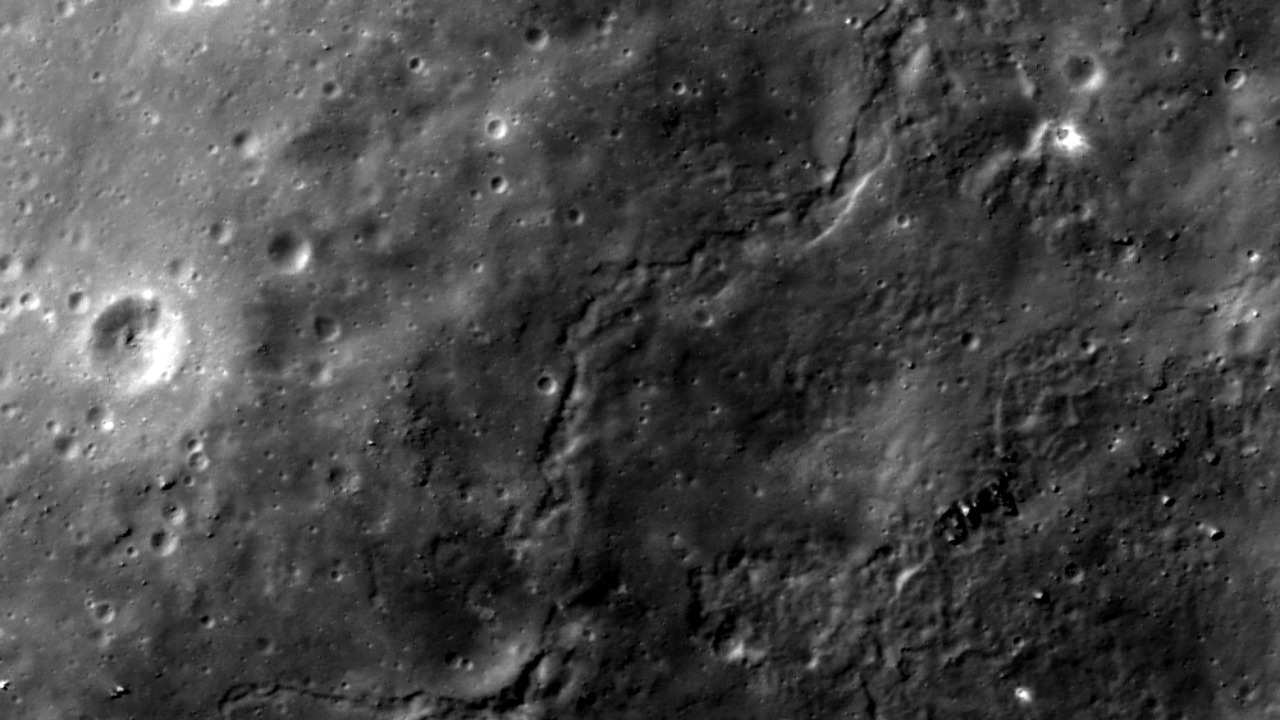
Recent scientific data has revealed a startling phenomenon: the Moon is cracking open. This discovery, reported by Daily Galaxy, represents a significant shift from previous models of lunar geology. Updated seismic monitoring has provided evidence of these cracks, challenging long-held assumptions about the Moon’s geological stability.
The scale and distribution of these fault lines across the lunar surface are alarming. Visuals and descriptions of the detected fault lines emphasize their extensive reach, further highlighting the seismic dangers they pose.
According to Daily Galaxy, the lunar cracks are not uniformly distributed. Some regions, particularly the highlands, show a higher concentration of these fault lines. This uneven distribution suggests a complex interplay of geological processes beneath the lunar surface, which are yet to be fully understood.
Moreover, the cracks are not static. They have been observed to widen and narrow over lunar day-night cycles, indicating that they are influenced by temperature fluctuations. This dynamic nature of the cracks adds another layer of complexity to the seismic risks they pose.
Scientific Warnings on Seismic Activity
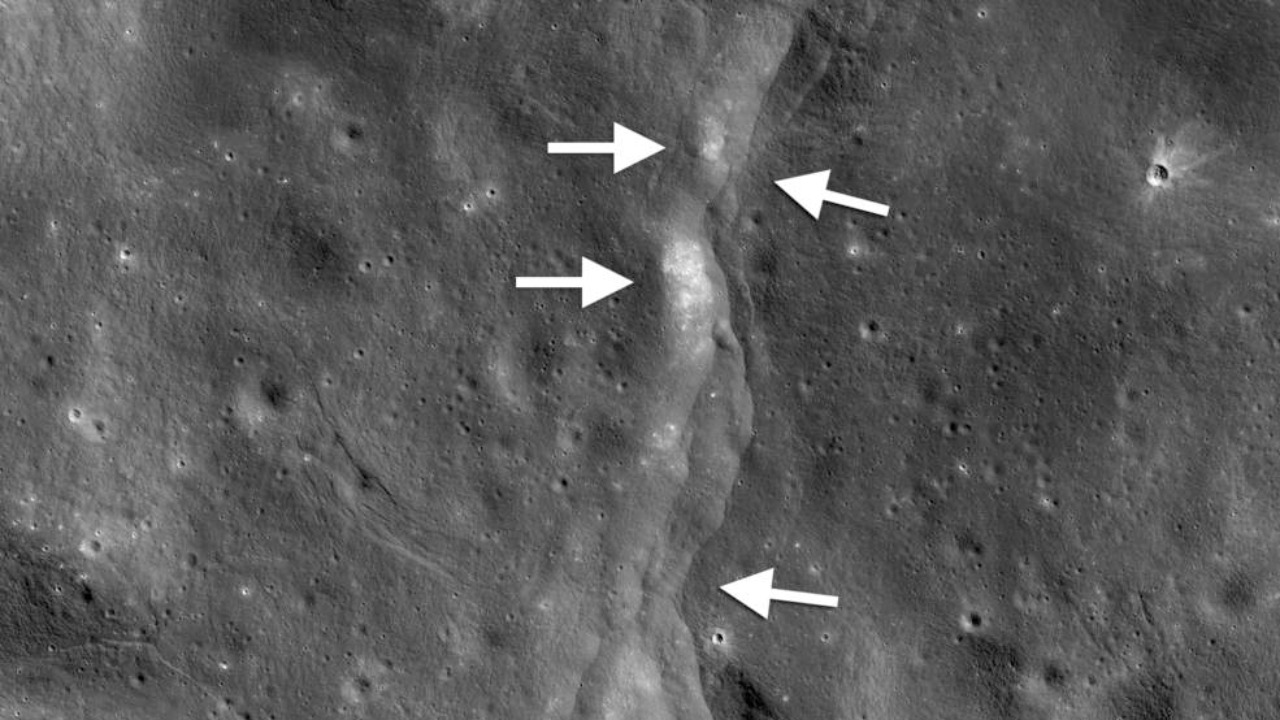
Scientists have issued direct warnings about the hidden seismic dangers posed by these cracks. The mechanisms behind lunar quakes triggered by these cracks have been explained, with measurements of their intensities and frequencies from 2025 observations providing critical data.
Interestingly, this seismic activity has intensified compared to data from Apollo-era missions. This marks a key change in our understanding of lunar stability, suggesting that the Moon is more geologically active than previously thought.
Scientists have noted that the lunar quakes triggered by these cracks are not just surface events. They seem to originate from deep within the Moon’s interior, suggesting a level of geological activity that was previously unanticipated. The energy released during these quakes has been measured to be equivalent to a magnitude 5 earthquake on Earth, which can cause considerable damage.
Furthermore, the frequency of these quakes is not constant. There have been periods of relative calm followed by a flurry of seismic activity. This unpredictability adds to the challenges of preparing for future lunar missions.
Impacts on Upcoming Lunar Missions
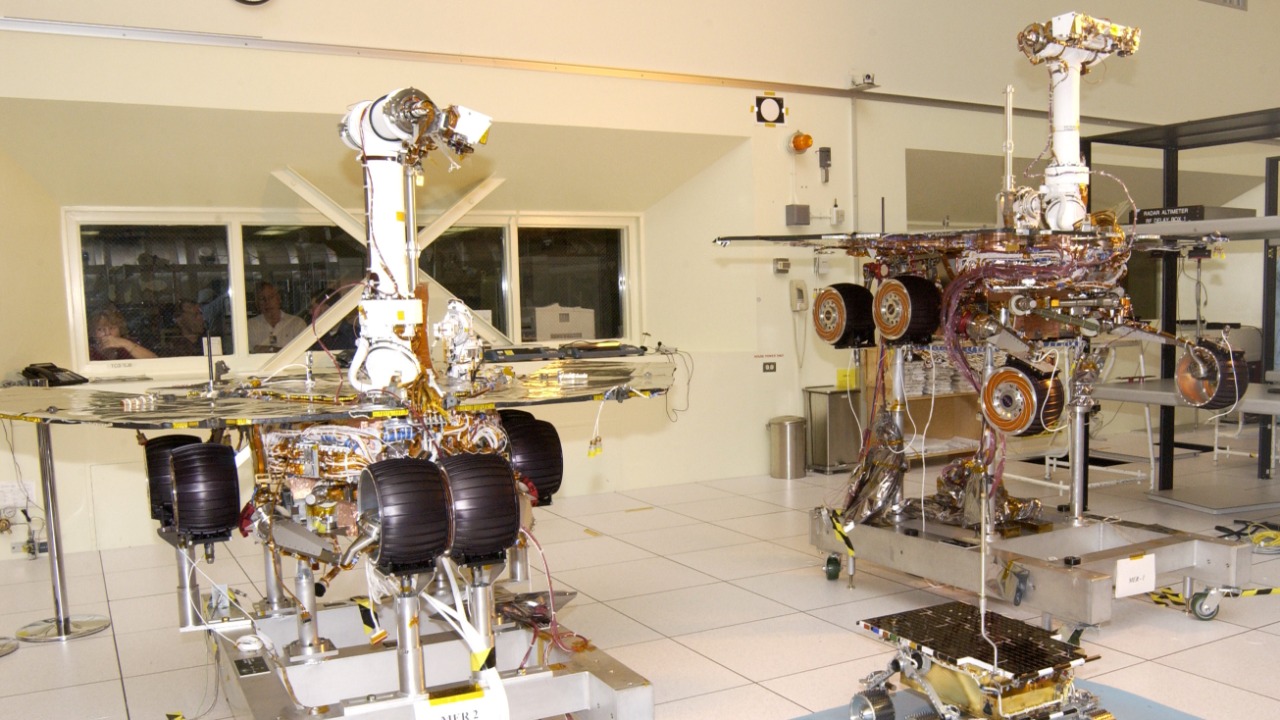
The seismic events triggered by these cracks pose significant threats to lunar missions. Risks to landers, habitats, and rover operations are particularly concerning. Stakeholders of programs like Artemis, which has planned landings for 2026, are understandably worried about potential disruptions to their timelines.
These newly identified dangers could lead to potential mission delays or even necessitate redesigns. The need for reassessment and adaptation in the face of these seismic risks is clear.
The cracks could potentially impede the movement of rovers, limiting their ability to explore the lunar surface. This could significantly affect the scientific objectives of these missions.
Moreover, the seismic activity could also impact the integrity of structures built on the Moon. Habitats and other infrastructure could suffer damage from the shaking, posing a risk to astronauts. This necessitates the development of quake-resistant designs for lunar structures.
Historical Context of Lunar Geology
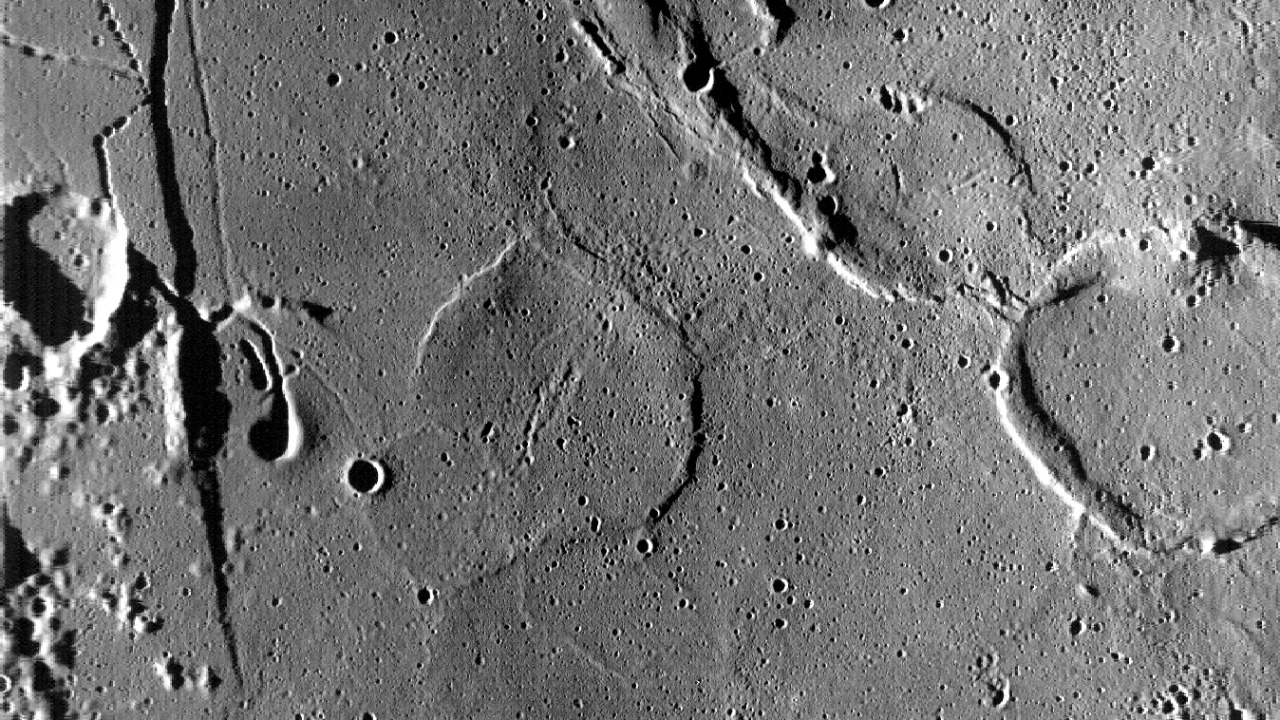
Looking back at past seismic events on the Moon, such as the shallow moonquakes recorded decades ago, the current cracking phenomenon significantly alters our understanding of lunar geology. The pre-2025 assumptions of a dormant Moon are now being challenged by the active faulting currently observed.
Data from legacy missions has been instrumental in showing the progression leading to this 2025 revelation. The Moon, it seems, is not as geologically stable as we once believed.
Historically, the Moon was thought to be geologically dead, with no active tectonic activity. This belief was based on observations from the Apollo missions and subsequent lunar probes. However, the discovery of these cracks and the associated seismic activity has upended this view, painting a picture of a Moon that is geologically alive and evolving.
Interestingly, some of the cracks align with features identified in Apollo-era images, suggesting that these are not entirely new phenomena. This raises questions about whether we missed signs of lunar tectonic activity in the past, and how our understanding of the Moon’s geology might evolve in the future.
Analogous Geophysical Shifts on Earth
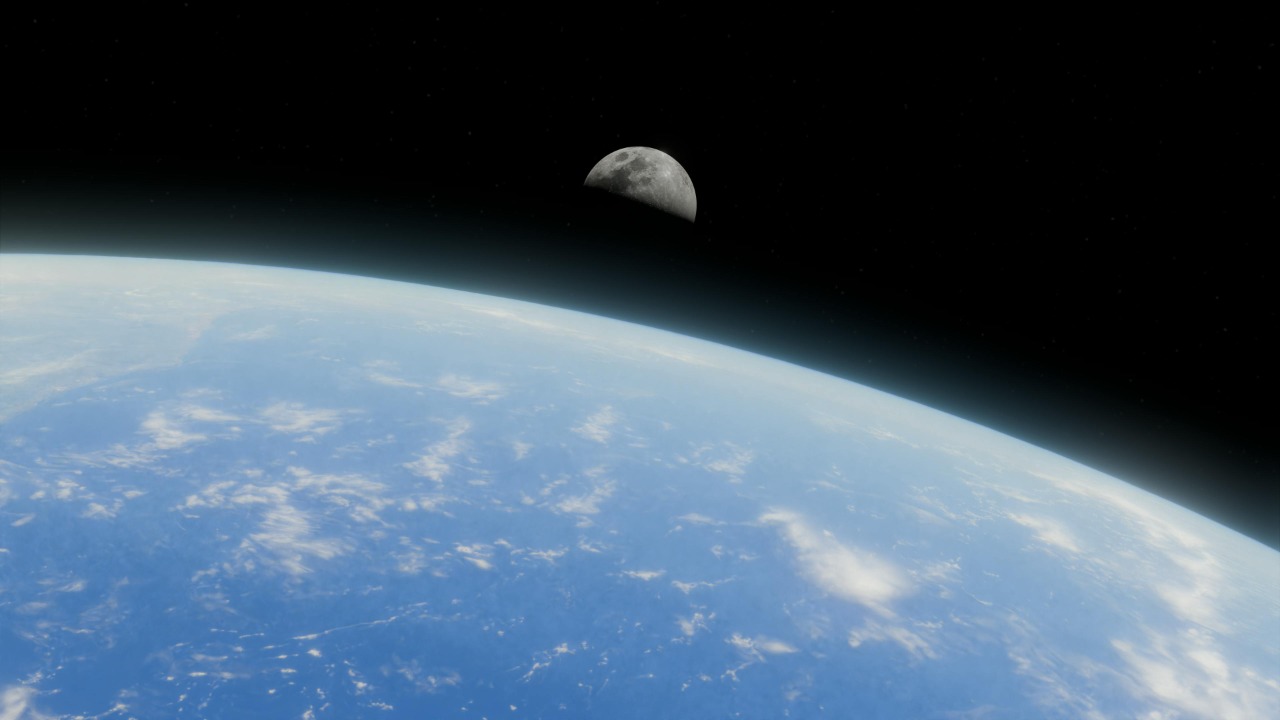
Interestingly, a parallel event has been reported on Earth. On September 28, 2025, scientists warned about the North Atlantic shifting, which could trigger global chaos. This event, reported by Daily Galaxy, serves as a stark reminder of the potential for widespread disruption due to geophysical shifts.
These warnings about the North Atlantic’s potential impact provide valuable lessons for lunar risk assessment. The changes in Earth’s ocean currents are part of broader planetary instability themes, which can inform strategies for monitoring the Moon’s cracks.
Strategies to Mitigate Lunar Risks

In response to the cracking dangers, scientists have proposed the use of enhanced seismic monitoring tools for future missions. These tools would provide more accurate data on seismic activity, helping to mitigate risks.
Additionally, guidelines for site selection have been updated post-2025 to avoid fault zones. This is a crucial step in ensuring the safety of future lunar missions. Scientists have also called for international collaboration to address these threats before the next lunar landings, emphasizing the global nature of space exploration and the shared responsibility in ensuring its safety.
One proposed strategy to mitigate the risks posed by the lunar cracks is to develop predictive models of seismic activity. By analyzing the patterns of past quakes, scientists hope to forecast future seismic events, allowing mission planners to prepare accordingly.
Another strategy is to develop technology that can withstand the lunar quakes. This could include quake-resistant habitats and rovers capable of navigating across the cracks. Such technological advancements would not only enhance the safety of lunar missions but also contribute to our understanding of how to live and work on other planetary bodies.
