
Toyota’s foray into hydrogen-powered engines, particularly with their V8 model, has sparked significant interest and debate among automotive enthusiasts and environmental advocates alike. Despite the promise of clean energy and impressive performance, there are numerous challenges and setbacks that the hydrogen V8 engine faces. This article delves into the critical aspects that reveal why this innovative concept might not be the future of sustainable automotive technology.
The Promise of Hydrogen Engines
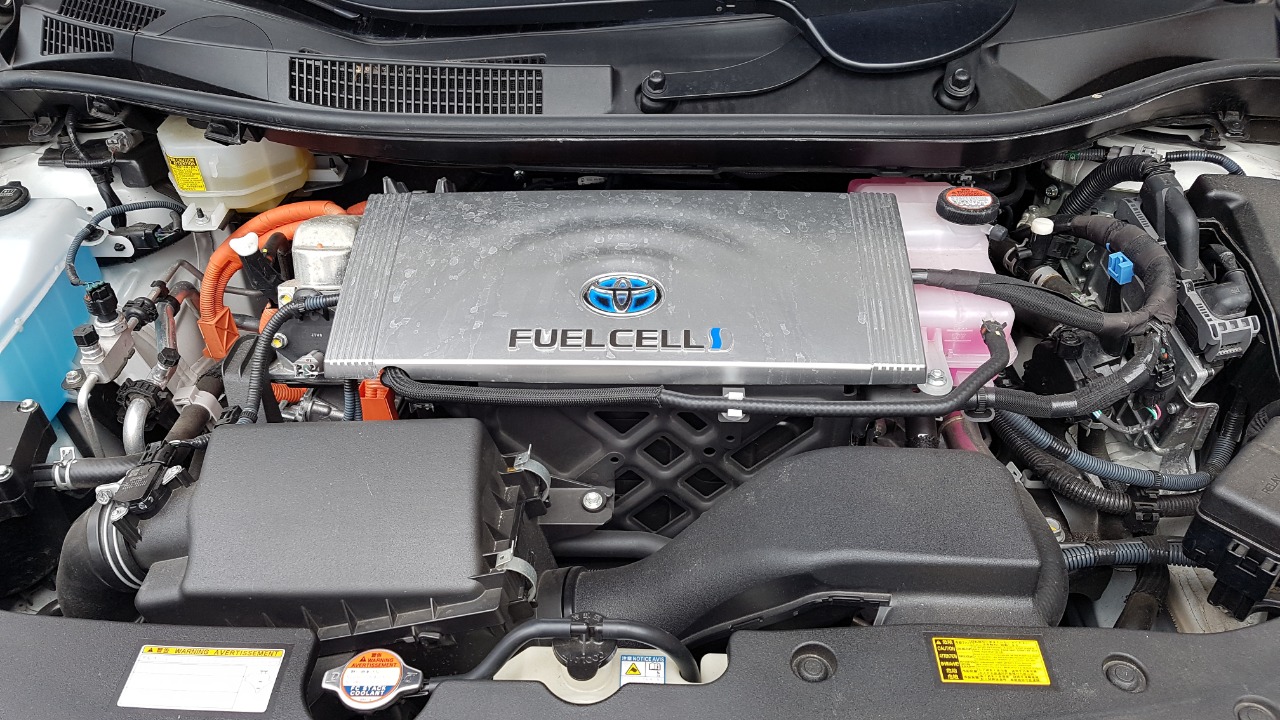
Hydrogen, as a clean energy source, holds immense promise in reducing the automotive industry’s carbon footprint. Hydrogen combustion produces only water vapor as a byproduct, offering a significant environmental benefit compared to carbon-emitting fossil fuels. Traditional gasoline and diesel engines release large quantities of CO2, contributing to global warming and air pollution. In contrast, hydrogen fuel offers a pathway to zero-emission driving, making it a tantalizing prospect for environmentally conscious consumers.
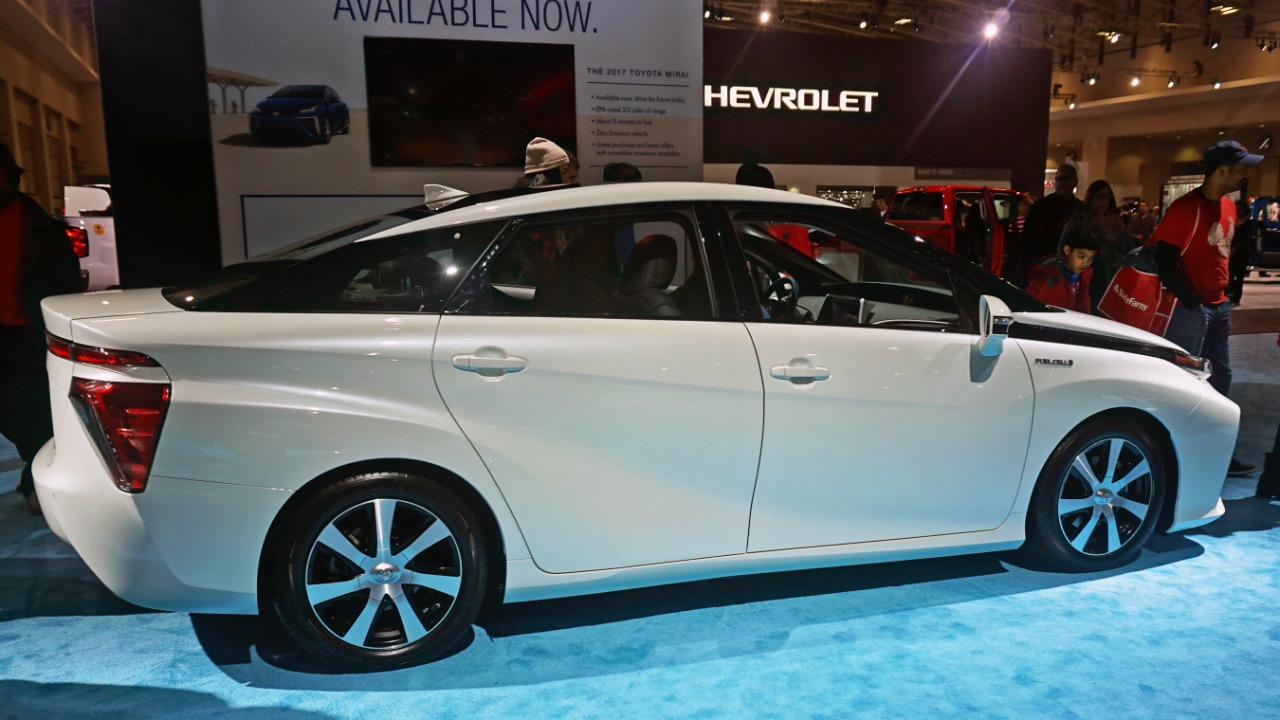
Toyota has long been a proponent of hydrogen technology, envisioning a future where hydrogen powers not only cars but also buses and trucks. With the introduction of the hydrogen-powered V8 engine, Toyota aimed to combine the performance and power of traditional engines with the environmental benefits of hydrogen. Historically, Toyota’s commitment to hydrogen is exemplified by its Mirai model, one of the first mass-produced hydrogen fuel cell vehicles. The company’s expectations for the hydrogen V8 engine were ambitious, hoping to set a new standard for sustainable performance vehicles.
Technical Challenges and Limitations
Despite its potential, hydrogen engines face significant technical challenges, particularly in terms of efficiency and energy density. Hydrogen engines currently struggle with lower energy conversion efficiency compared to conventional internal combustion engines. This inefficiency means that a hydrogen engine may not utilize the full energy potential of the fuel, leading to performance that does not meet consumer expectations. Furthermore, hydrogen’s low energy density presents a challenge, as it requires larger and heavier storage systems to provide the same energy as gasoline, impacting vehicle design and usability.
Adapting a V8 engine for hydrogen use is a complex task, fraught with performance bottlenecks. The engineering challenges include modifying the engine components to handle hydrogen’s unique combustion properties. The current technology limits the capacity to achieve the desired performance metrics, such as torque and acceleration, which are critical for high-performance vehicles. This complexity raises questions about the viability of hydrogen engines, especially when compared to the rapidly advancing electric vehicle technology.
Infrastructure and Economic Hurdles
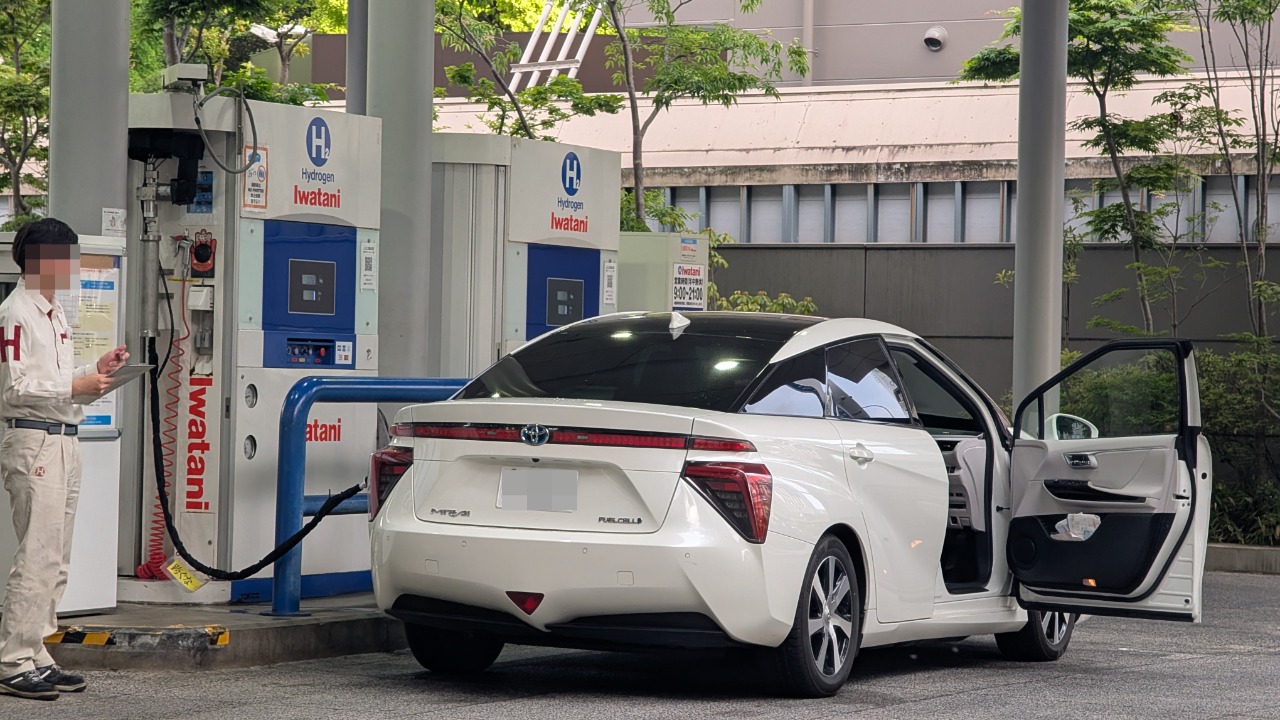
One of the most significant barriers to widespread adoption of hydrogen vehicles is the lack of refueling infrastructure. Unlike electric vehicles, which can be charged at home or at an increasing number of public charging stations, hydrogen vehicles require specialized refueling stations. Currently, the global network of hydrogen refueling stations is sparse, concentrated mainly in certain regions like California, Japan, and parts of Europe. The barriers to expanding this infrastructure are numerous, including high costs and regulatory challenges, which could impede the growth of the hydrogen vehicle market.
Cost considerations further complicate the economic feasibility of hydrogen engines. Producing hydrogen, especially through green methods such as electrolysis using renewable energy, remains expensive compared to traditional fuel production. The operational costs of hydrogen vehicles are also a concern, as they are typically higher than those of electric and hybrid vehicles. This economic disparity raises questions about whether consumers and manufacturers will invest in hydrogen technology over more mature alternatives like electric vehicles. For example, while Mazda is exploring hybrid options before transitioning to electric, the shift towards hydrogen remains uncertain.
Environmental and Safety Concerns
While hydrogen presents an opportunity for cleaner energy, the environmental impacts of its production cannot be overlooked. Hydrogen is categorized into different types based on production methods, with green hydrogen being the most environmentally friendly. However, a significant portion of current hydrogen production is gray hydrogen, derived from fossil fuels, which negates some of the environmental benefits. The production of gray hydrogen releases CO2, undermining the zero-emission goal of hydrogen-powered vehicles. Transitioning to green hydrogen is essential, but it requires substantial investment and technological advancements.
Safety is another critical concern when it comes to hydrogen storage and use. Hydrogen is highly flammable, and its storage poses risks such as boil-off and leakage. These risks necessitate stringent safety measures and technologies to ensure safe handling and storage in vehicles. Incidents of hydrogen leaks have raised concerns about the practicality of widespread hydrogen adoption. For instance, issues like boil-off highlight the challenges faced in maintaining safe and efficient hydrogen storage systems. Addressing these safety risks is crucial for gaining consumer trust and ensuring the long-term viability of hydrogen technology.
The Future of Hydrogen in Automotive Industry
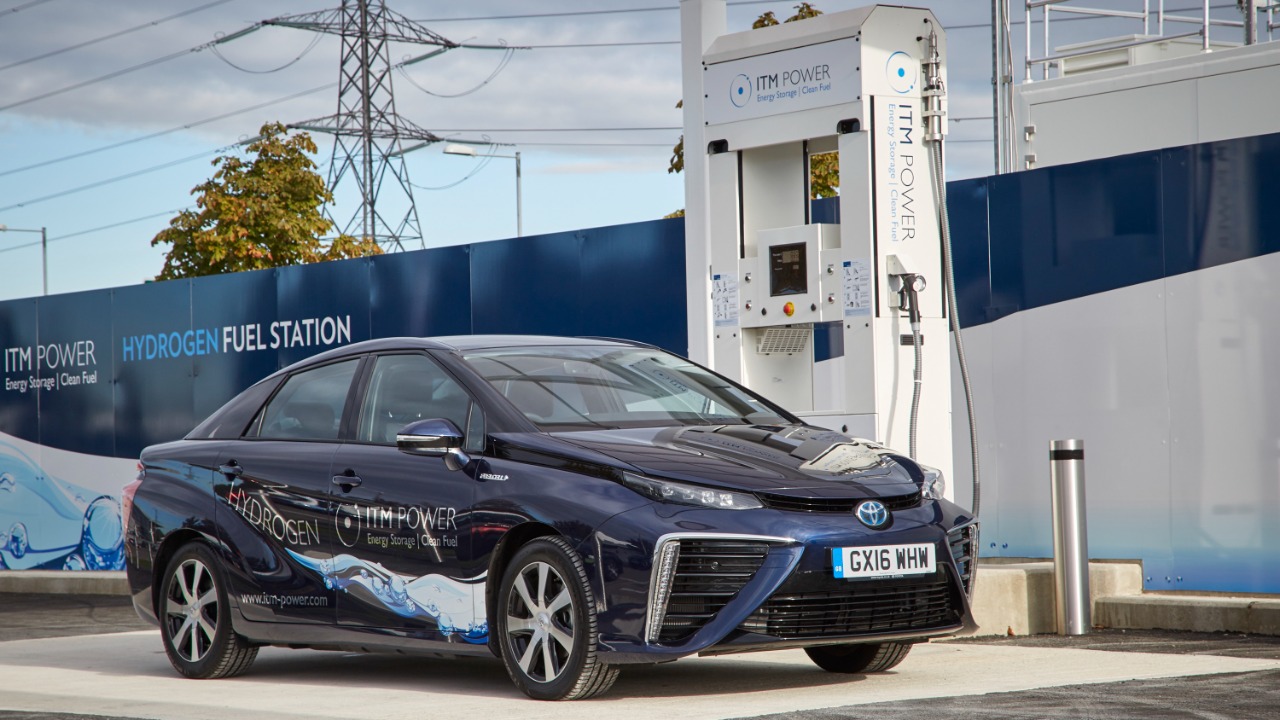
Despite the challenges facing hydrogen V8 engines, hydrogen technology may still find its place in the automotive industry. Alternative applications, such as in heavy-duty transport and industrial vehicles, could benefit from hydrogen’s high energy output and quick refueling times. Hybrid technologies that combine hydrogen with electric powertrains might also offer a more feasible pathway, allowing the strengths of each technology to complement one another. This approach could help overcome some of the limitations currently hindering hydrogen’s adoption in consumer vehicles.
Industry perspectives on hydrogen’s future in automotive applications are varied, with some experts expressing skepticism about its practicality for light-duty vehicles. Nonetheless, the potential of hydrogen in other sectors remains promising. As the industry evolves, trends such as increased investment in green hydrogen production and advancements in fuel cell technology could shift perceptions. Analysis from experts like those in Motor Mouth suggests that while hydrogen’s role may change, it will continue to be a part of the broader conversation on sustainable transport solutions.
The landscape of sustainable automotive technology is rapidly changing, with electric vehicles currently leading the charge. However, hydrogen’s unique properties offer opportunities that are worth exploring, even if the path forward is fraught with challenges. As the industry navigates these complexities, hydrogen technology could still play a vital role, particularly in areas where electric solutions may not be viable. For those interested in understanding the intricacies of Toyota’s hydrogen V8 engine and its implications, Engineering Explained provides a detailed analysis that highlights both the potential and pitfalls of this innovative yet challenging technology.
