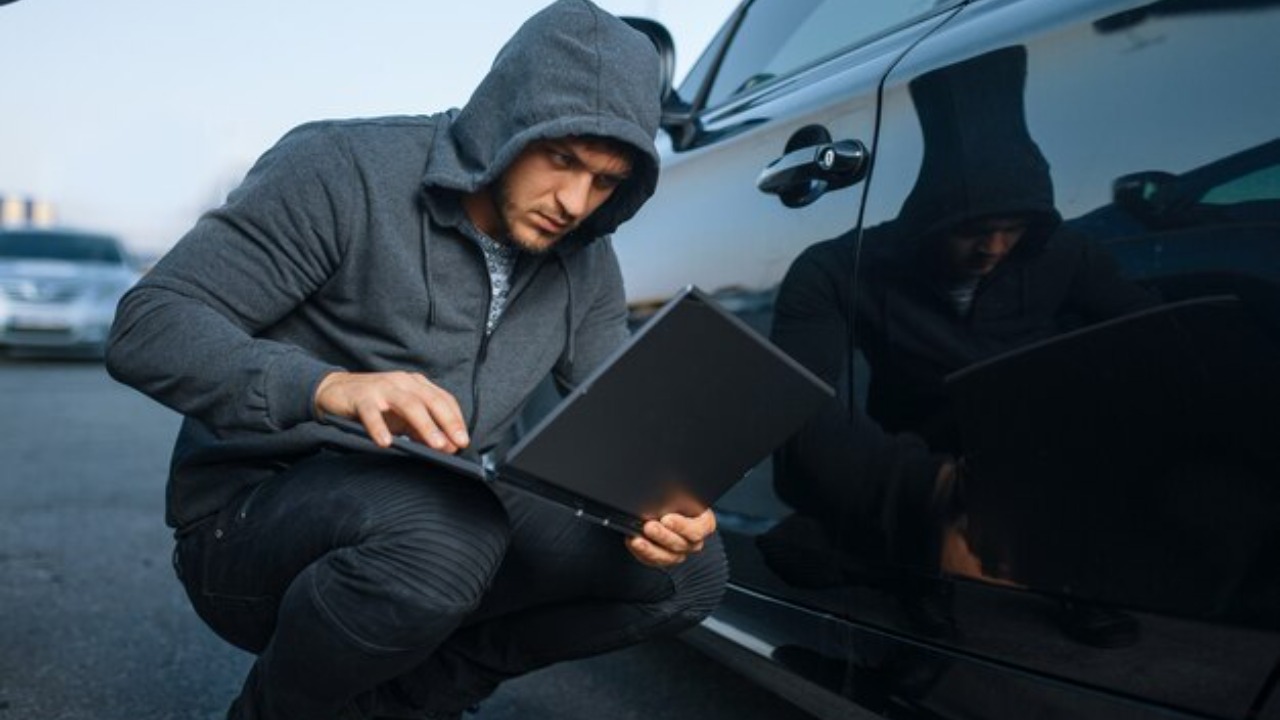

Imagine a world where car theft no longer requires smashing windows or hot-wiring ignition systems. Instead, a small, sophisticated gadget is used to unlock nearly 80% of cars wirelessly. This isn’t science fiction, but a real-world scenario involving the exploitation of vulnerabilities in the car’s keyless entry system. The result? A vehicle is stolen without the thief having physical contact with it.
Understanding the Science Behind the Gadget

The gadget in question operates by intercepting and mimicking the wireless signals emitted by car keys. This technology is advanced, but its process is straightforward. When a car owner uses a key fob to lock or unlock their vehicle, the fob sends a unique signal to the car. The gadget, sometimes referred to as a “relay box,” intercepts this signal, decodes it, and then mimics it, effectively fooling the car into thinking the legitimate key fob is nearby.
The technical elements that enable this are both simple and complex. The gadget contains a transceiver, which picks up and transmits signals, and a microprocessor for decoding the intercepted signal. By exploiting the vulnerabilities in the car’s security system, the device can trick the car into unlocking its doors and, in some cases, even starting the engine.
The Rise of Keyless Car Theft
Keyless car theft, often referred to as “relay theft,” has become increasingly prevalent in recent years. As keyless entry systems became more common, criminals adapted their methods, leading to a rise in this type of crime. According to recent statistics, the rate of keyless car thefts has dramatically increased since the introduction of this technology.
Case studies have shown that these thefts can happen anywhere and at any time. For example, a luxury car was stolen from the owner’s driveway in broad daylight in less than a minute using one of these gadgets. The owner was inside the house, and the key fob was well out of range, yet the car was effortlessly unlocked and driven away.
How the Gadget is Used in Practice
The process of using the gadget to unlock cars is chillingly simple. The thief approaches the car with the device, which scans for a signal from a key fob. Once the signal is detected, it’s intercepted and mimicked, unlocking the vehicle. As shown in this video, the operation can be completed in less than a minute, often without arousing any suspicion.
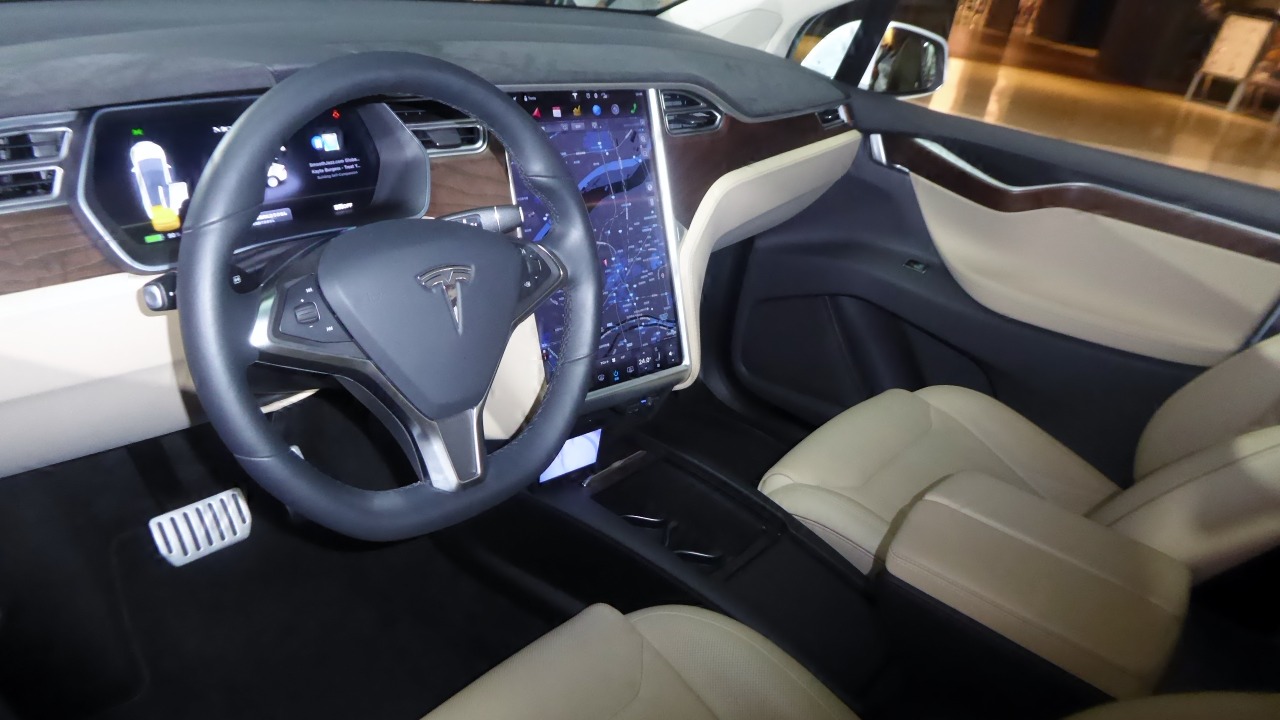
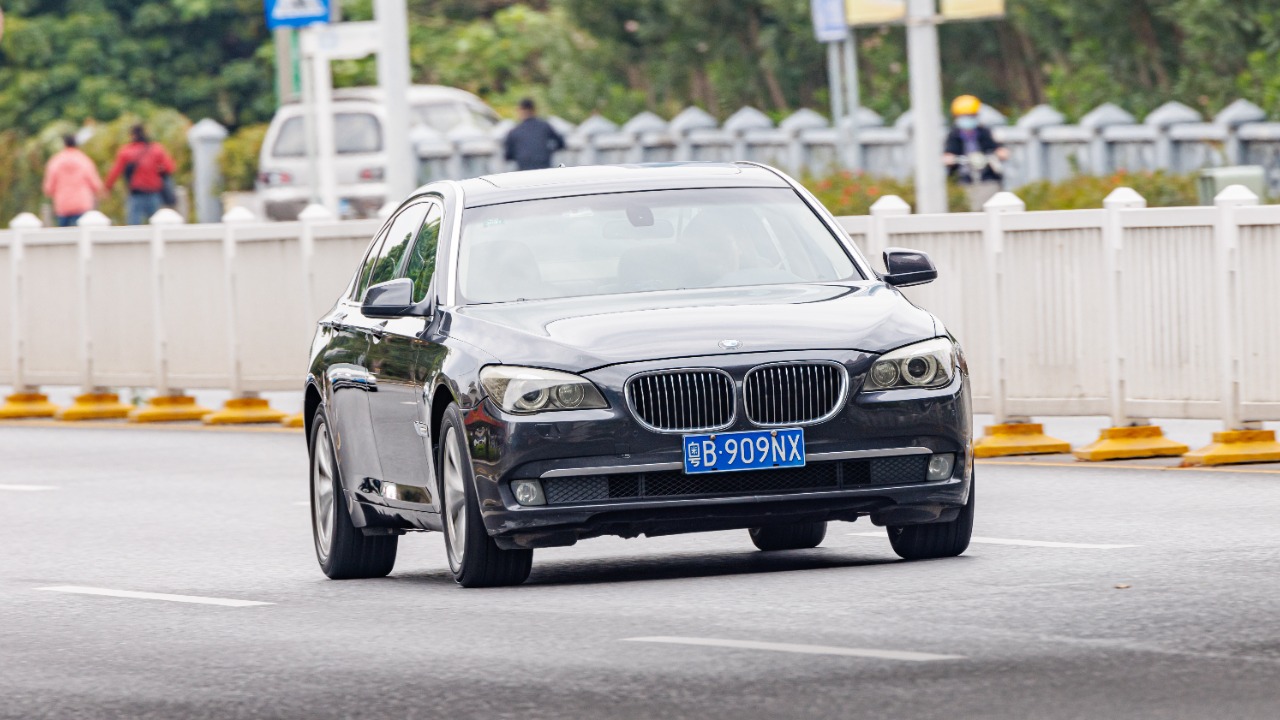
Interestingly, not all cars are equally susceptible to this type of theft. Luxury cars with advanced keyless systems, such as those found in the Tesla Model S or BMW 7 Series, are often targeted due to their high value and the perceived ease of theft. However, any car with a keyless entry system can potentially be at risk.
Preventing Wireless Car Theft

There are measures that car owners can take to prevent this type of theft. Simple solutions include storing key fobs in metal containers or using signal-blocking pouches, which prevent the key’s signal from being intercepted. More technologically advanced solutions involve updating the car’s software to include additional security features, or even replacing the keyless system with a more secure version.
Car manufacturers are also taking steps to improve the security of keyless entry systems. Some are incorporating additional layers of encryption into the key’s signal, making it harder for the gadget to decode. Others are introducing ‘sleep’ modes for key fobs, which stop emitting a signal when they are stationary for a certain period of time.
The Legal and Ethical Implications

The legal consequences for individuals caught using these devices for theft are severe. Convictions can result in lengthy prison sentences and heavy fines. However, the gadget itself exists in a legal gray area. In many jurisdictions, it’s not illegal to own or sell these devices, as they can also have legitimate uses, such as in the automotive repair industry.
The ethical considerations surrounding the creation and use of these devices are complex. The technology can be used legitimately, but it can also be used to facilitate crime. This has led to debates about the responsibilities of those who create and sell these devices. Additionally, the rise of keyless car theft has had a significant impact on insurance companies and car owners, leading to increased premiums and decreased peace of mind.