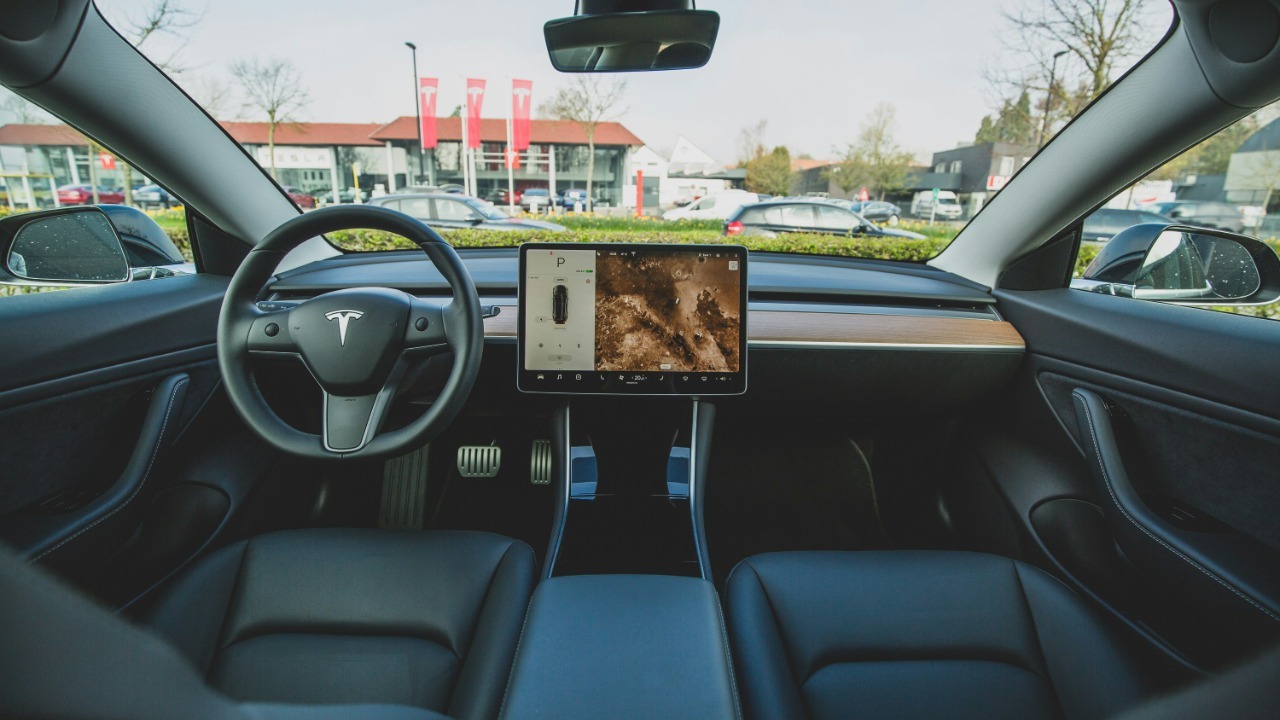

Tesla once defined the future of the car, turning electric vehicles from a niche curiosity into a global status symbol. Now the company is rapidly pivoting away from the basics of building safe, trusted automobiles and toward a risky bet on robots and full autonomy that regulators, courts, and customers are increasingly questioning. If that trajectory holds, the company that Made mass‑market EVs cool could end up undermining its own place in the industry it helped create.
I see a pattern emerging that looks less like bold disruption and more like a slow‑motion act of self‑sabotage: mounting safety concerns, an aggressive push to remove drivers from the loop, and a strategic shift away from proven cars toward speculative projects. The result is a widening gap between Tesla’s promises and the realities on the road, in courtrooms, and on its balance sheet.
Safety alarms are getting louder, not quieter
The core of any carmaker’s value is trust that its vehicles will protect people in the worst moments of their lives. For Tesla, that trust is being eroded by a growing body of crash data, lawsuits, and harrowing anecdotes. A detailed analysis of federal crash records reported that the fatal crash rate associated with Tesla vehicles is documented as the highest of all car brands, citing work with the FARS database and a rate of 5.5. That does not prove every incident is the car’s fault, but it does put hard numbers behind what many drivers and safety advocates have been warning about for years.
Regulators are now treating Tesla less like a scrappy innovator and more like a systemic risk. The National Highway Traffic has opened an investigation into 2.88 m Tesla cars equipped with driver‑assist features, after reports that vehicles were ignoring traffic laws and getting into crashes. That probe sits on top of a long list of earlier defect and recall inquiries cataloged on the agency’s own database. When the primary federal safety regulator is scrutinizing nearly the entire fleet, it signals that the company’s experiment with pushing software to the edge is colliding with the realities of public roads.
Autopilot promises collide with real‑world crashes
Tesla’s brand has been built around the idea that software can make driving safer than any human, yet the stories emerging from crash scenes tell a more complicated story. In one widely discussed account, a driver described how a vehicle suddenly accelerated with a baby in the car, raising questions about how Tesla’s internal statistics count only crashes where an airbag or other pyrotechnic system deploys, which can understate real‑world incidents involving Tesla systems. According to that reporting, the company’s preferred metrics paint a rosier picture than what many owners experience when software behaves unpredictably.
The human cost of those failures is increasingly visible. A video report on a crash in Germany described how people were Trapped in a Tesla and 3 Deaths followed in what was described as a German Crash, with Training and consulting experts dissecting how design and software choices can complicate escape after impact. In the United States, a wrongful death suit in Houston alleges that a Tesla Cybertruck crash turned fiery and fatal, with the family of a Houston man arguing that the Tesla Cybertruck did not protect its occupant as advertised. Each of these cases adds pressure on courts and regulators to test whether Tesla’s marketing about safety and autonomy matches the engineering reality.
Design decisions that turn cars into alleged “death traps”
Beyond software, Tesla is facing scrutiny for physical design choices that critics say prioritize sleek looks and novelty over basic survivability. A detailed investigation into door mechanisms found that Bloomberg documented a series of incidents where flush handles and powered latches allegedly failed in emergencies, leading to a lawsuit that describes the Cybertruck’s door design as a “death trap” and warns about the risk of losing power after a crash, particularly when Bloomberg says occupants most need a quick exit. For a company that once prided itself on top crash‑test scores, the idea that basic egress could fail in a fire is a reputational nightmare.
Those concerns are now feeding a wave of litigation that challenges Tesla’s entire safety narrative. One complaint describes a shocking crash that killed 4 people and a dog, with plaintiffs arguing that Tesla’s driver‑assist products were marketed as safer than human drivers and that the company ignored warning signs before the incident, according to a lawsuit summarized by Tesla hit with that filing. In Australia, a class action accuses Tesla of exaggerating battery life and self‑driving features of its Model range, with specific claims about “PhantomBraking,” “BatteryLife,” and “SelfDriving” that suggest a pattern of overpromising on core capabilities, according to a complaint that says Tesla is facing that class‑action in Australia. When design, software, and marketing are all under legal attack, the risk is not just damages but a long‑term erosion of consumer confidence.
A radical bet on autonomy and robots over proven cars
Instead of shoring up its core lineup and addressing these safety questions head‑on, Tesla is racing toward an even more extreme vision of driverless mobility. Chief executive Elon Musk has framed the future as one where human driving effectively ends, telling investors that the company is building for a world of fully autonomous vehicles and taking public shots at rivals like Waymo as he touts Tesla’s approach. That rhetoric sets expectations that software will soon replace human judgment entirely, even as regulators are still probing how current systems handle basic traffic laws.
The strategic shift is now visible on the factory floor. Tesla plans to end production of its Model S sedan and Model X SUV, closing the chapter on its longest‑running premium vehicles, according to a report that says Tesla plans to halt those Model lines. At its historic California factory, Tesla ends production of Model S and X cars to make way for mass production of the Optimus robot, marking a strategic shift toward artificial intelligence and robotics that one report describes as Tesla ends production in California to prioritize Optimus. Most of the record investment at that site is now earmarked for the Cybercab, a fully autonomous vehicle without a steering wheel, as Most of the new spending shifts toward humanoid robots and autonomy. For a company still struggling to prove that its current driver‑assist systems are safe, betting the factory on a car with no steering wheel looks less like vision and more like hubris.
Brand damage and a growing chorus of skeptics
Consumers are noticing the disconnect between Tesla’s futuristic promises and the messy reality of recalls, lawsuits, and controversial design choices. Research on brand perception found that the value of Tesla’s brand dropped 36% in 2025, marking a third straight year of declines, a slide linked in part to Elon Musk’s political moves and the company’s shifting focus, according to an analysis that notes 36% as the precise figure. When a brand built on aspiration and technological optimism loses more than a third of its value in a single year, it signals that early adopters and mainstream buyers alike are reassessing what the badge stands for.
That reassessment is playing out in online communities that once idolized Tesla. On one influential tech forum, a widely shared thread argued that Tesla is committing automotive suicide, with commenters on Hacker News and the related Hacker Newsnew feed pointing out that basic quality and control are now table stakes in the EV market. In a separate community of owners and critics, a post titled “Tesla is committing automotive suicide” framed the company’s history as “so strange,” noting that Tesla basically created mass‑market EV’s and Made them both look good and fast, yet is now alienating loyal customers with erratic strategy, according to a discussion on Tesla is committing automotive suicide. When the enthusiasts who once defended every misstep start echoing the phrase in the headline, it is a sign that the company’s most valuable asset, its community, is slipping away.
More from Morning Overview