
In the automotive industry, it’s not uncommon for car manufacturers to collaborate, resulting in vehicles that are essentially twins with different badges. These partnerships allow brands to share resources, technology, and manufacturing capabilities. Let’s explore nine SUVs that have been produced under such collaborations, showcasing the fascinating world of automotive alliances.
1) Toyota 86 – Subaru BRZ
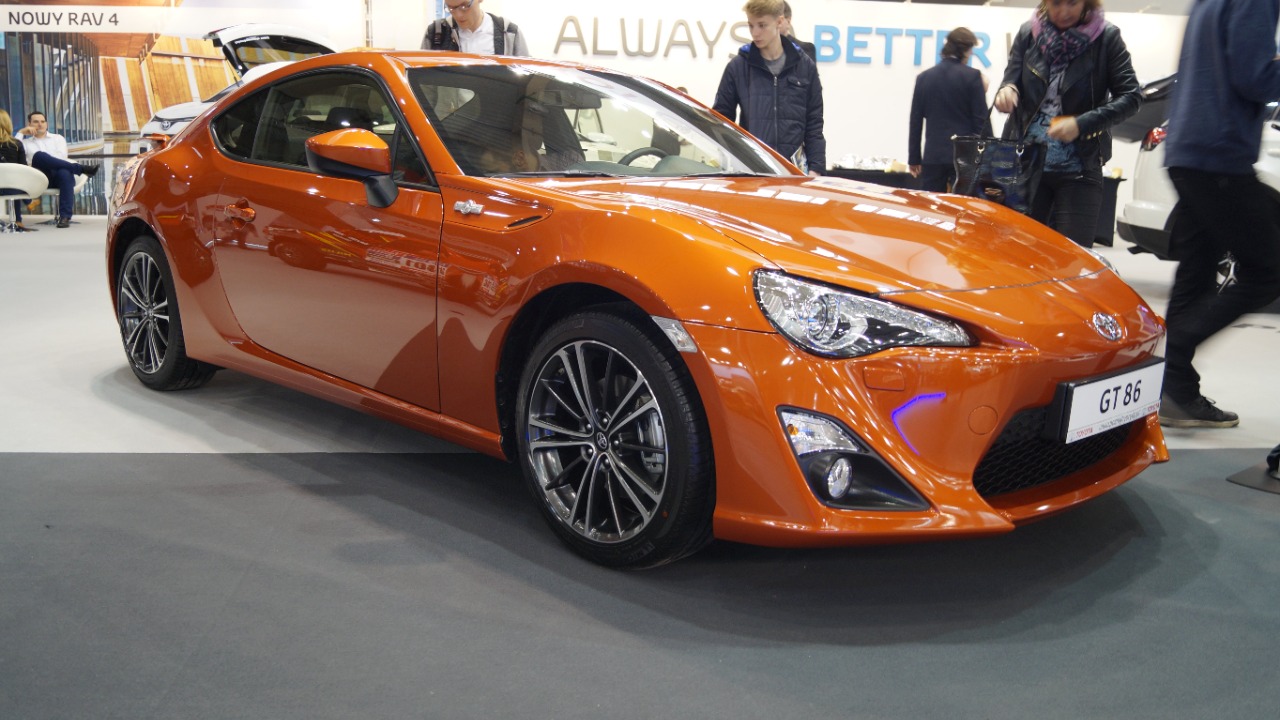
The Toyota 86 and the Subaru BRZ are the result of a collaboration between Toyota and Subaru, combining the strengths of both manufacturers. While both vehicles share the same platform and mechanical components, they each bring their unique styling and branding. The Toyota 86 is known for its sporty design and agility, while Subaru brings its expertise in handling and performance to the BRZ. This partnership exemplifies how two distinct brands can create a singular driving experience that appeals to enthusiasts.
2) Mazda B-Series – Ford Ranger
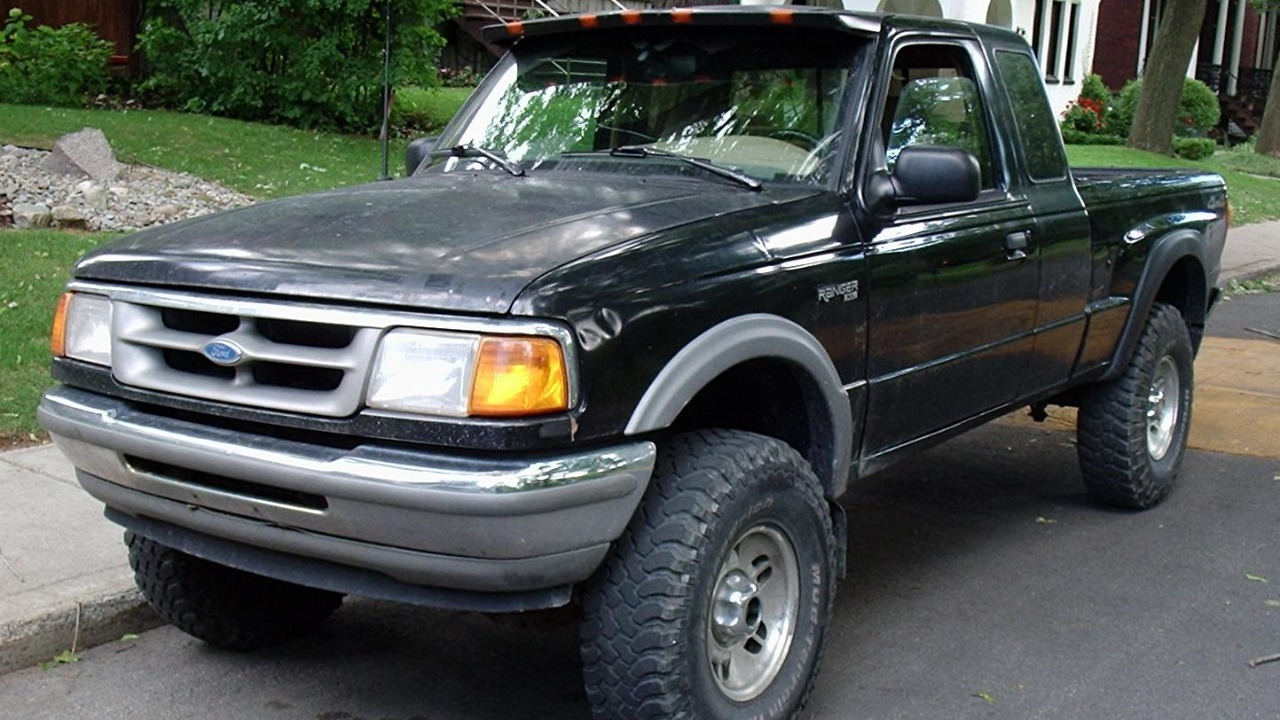
The Mazda B-Series and the Ford Ranger were essentially twin pickup trucks produced through a partnership that spanned several decades. During the 1990s and early 2000s, both vehicles shared the same platform and components. The Mazda B-Series offered a compact truck option with a focus on fuel efficiency, while the Ford Ranger maintained its rugged appeal and versatility. This collaboration allowed both companies to cater to different markets with minimal development costs.
3) Scion FR-S – Subaru BRZ
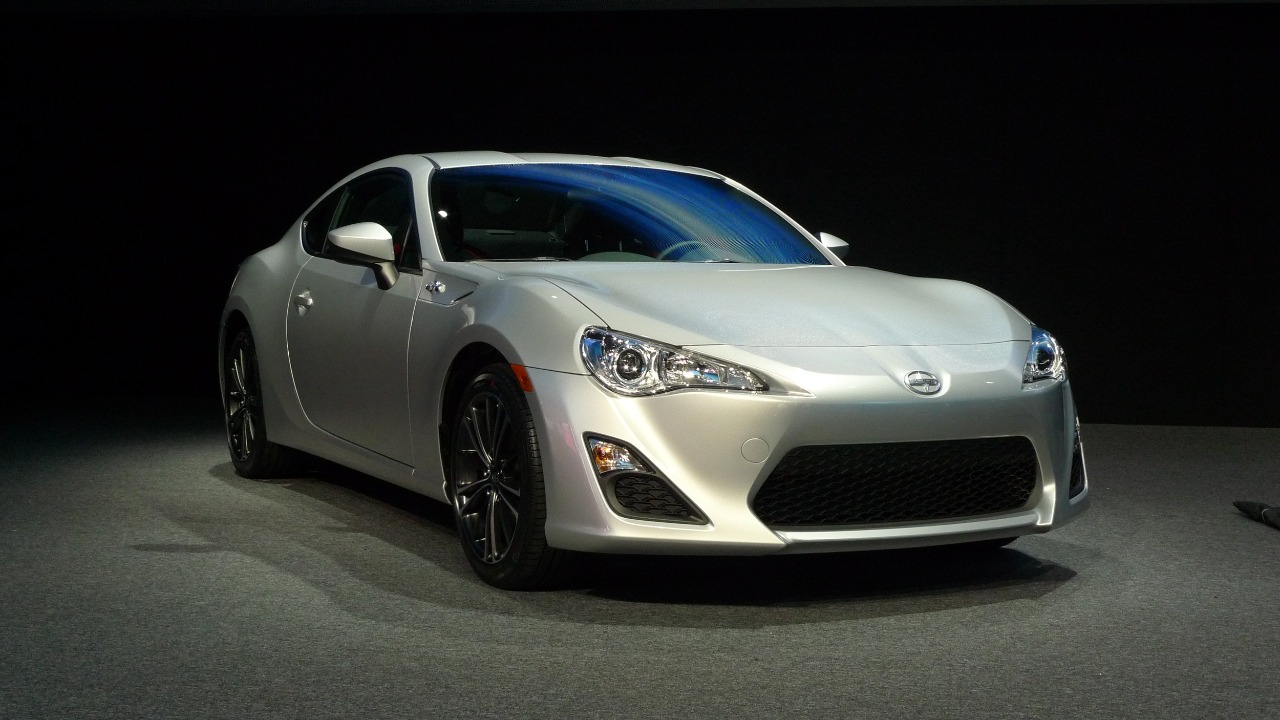
Before being rebranded as the Toyota 86, the Scion FR-S was part of the trio that included the Subaru BRZ. This collaboration maintained the same mechanical underpinnings as its siblings, with each brand offering slight variations in features and styling. The Scion FR-S, aimed at a younger demographic, emphasized affordability and customization. Subaru’s contribution to the project ensured that the BRZ, along with the FR-S, delivered on the promise of a fun and engaging driving experience.
4) Nissan Navara – Mercedes-Benz X-Class
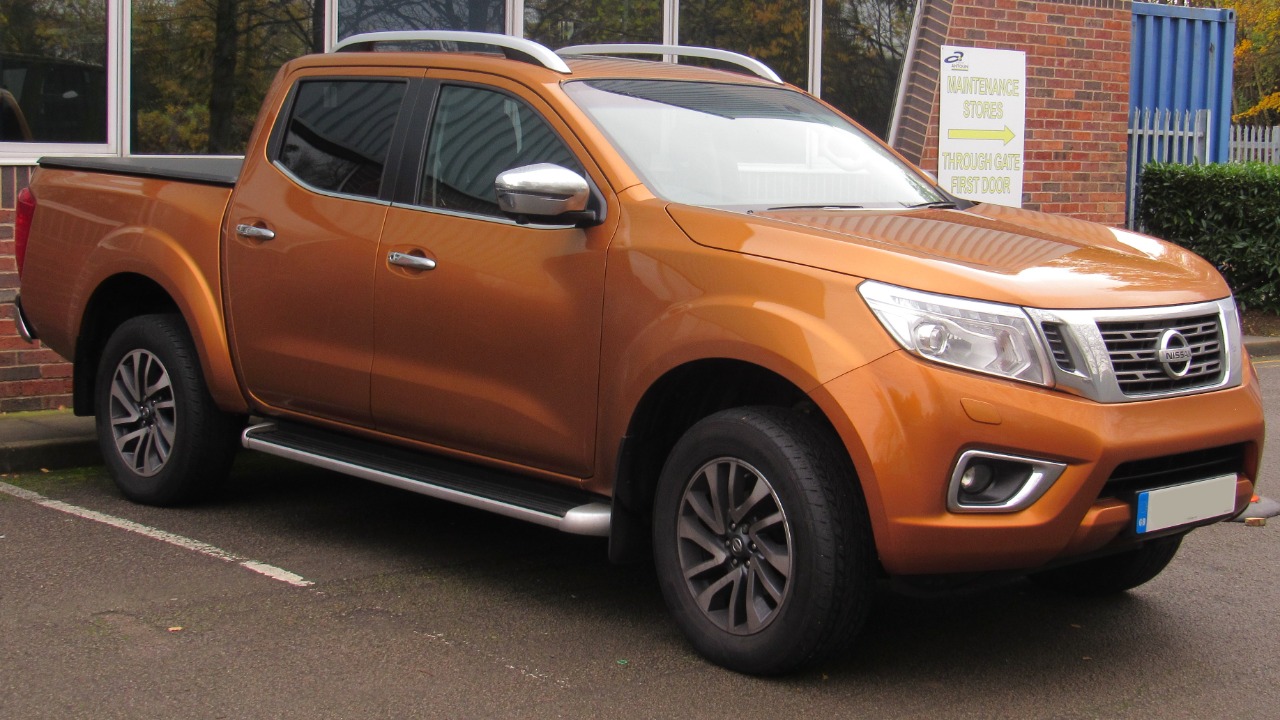
The Nissan Navara and the Mercedes-Benz X-Class partnership brought a luxury twist to a robust pickup platform. Sharing the same underpinnings, the X-Class was Mercedes-Benz’s entry into the pickup market, combining Nissan’s ruggedness with Mercedes’ premium features. This collaboration allowed Mercedes to leverage Nissan’s engineering while differentiating itself with upscale interiors and advanced technology.
5) Volkswagen Routan – Chrysler Town & Country
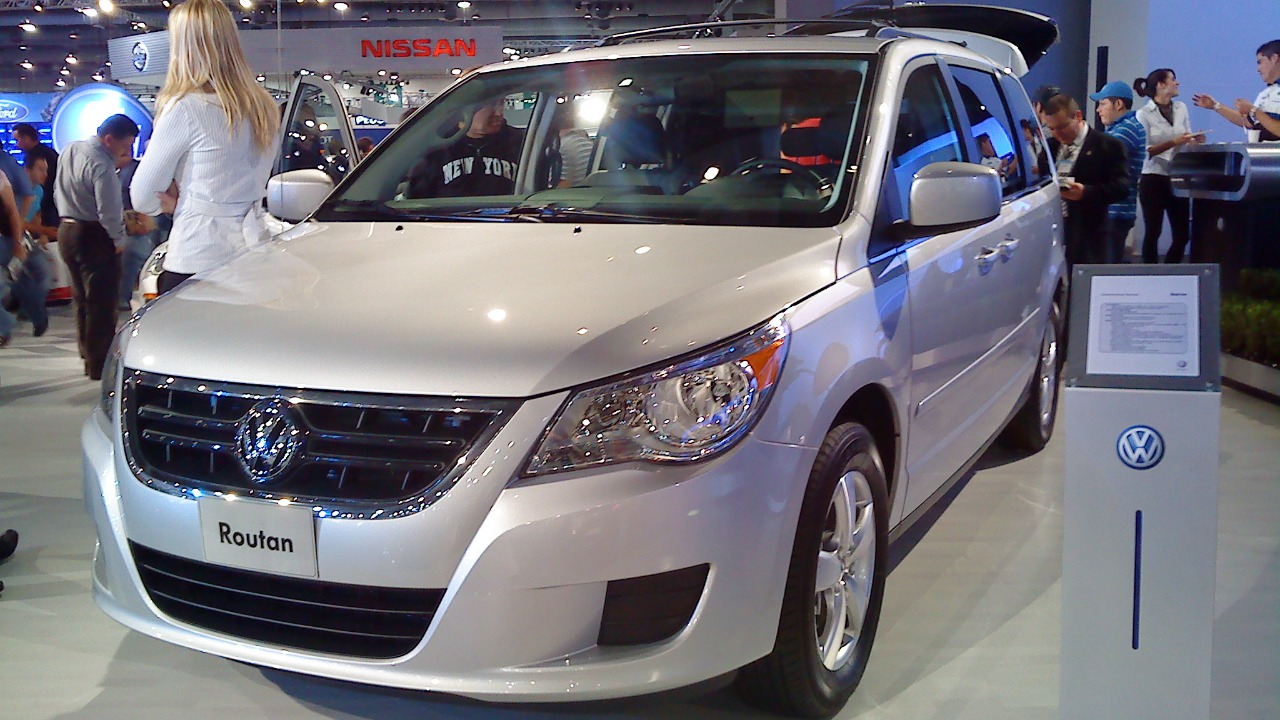
The Volkswagen Routan was a unique collaboration with Chrysler, based on the Town & Country minivan. While the Routan shared the same platform and many components, Volkswagen aimed to infuse its own design elements and driving dynamics into the vehicle. This partnership allowed Volkswagen to enter the North American minivan market without having to develop a new model from scratch, leveraging Chrysler’s manufacturing capabilities and experience in the segment.
6) Infiniti QX30 – Mercedes-Benz GLA
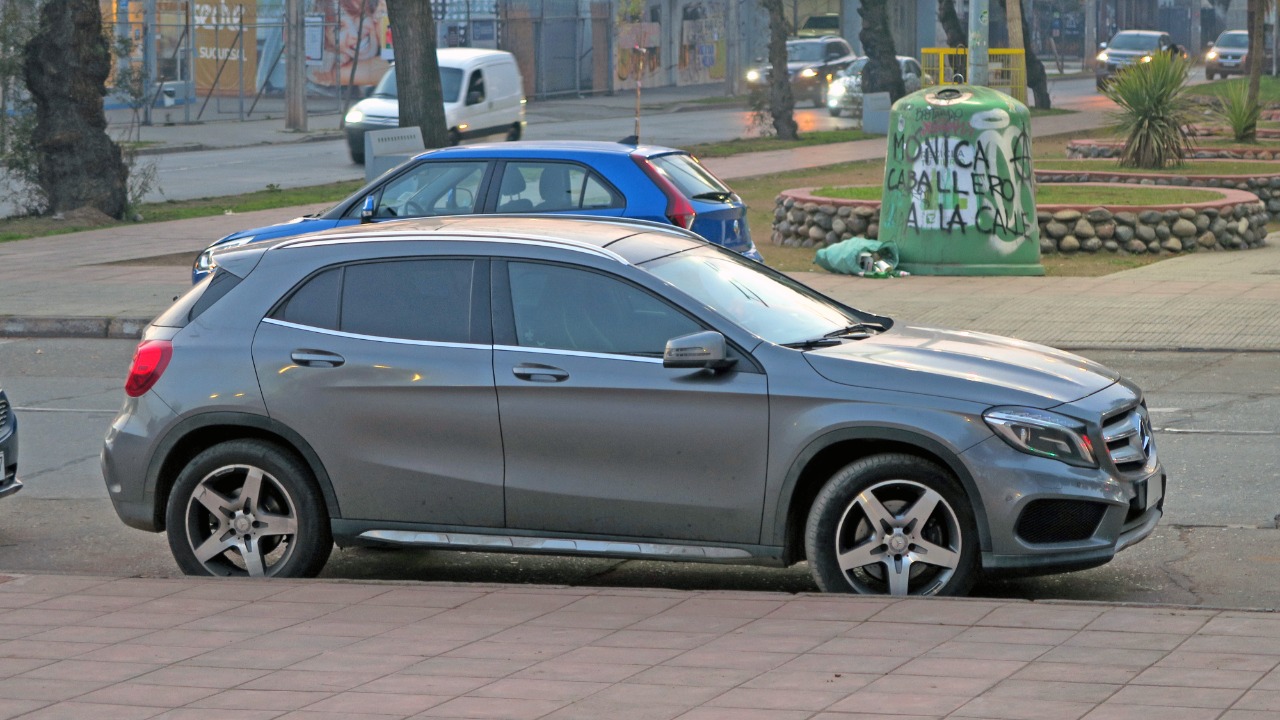
The Infiniti QX30 and the Mercedes-Benz GLA emerged from a collaboration between Nissan’s luxury division and the German automaker. Sharing the same platform and engines, the QX30 offered a more aggressive design and Infiniti’s signature styling cues. Meanwhile, the Mercedes-Benz GLA retained its premium feel and advanced technology, appealing to a different segment of luxury SUV buyers. This partnership highlighted how two brands could offer distinct products while sharing core elements.
7) Fiat 124 Spider – Mazda MX-5 Miata
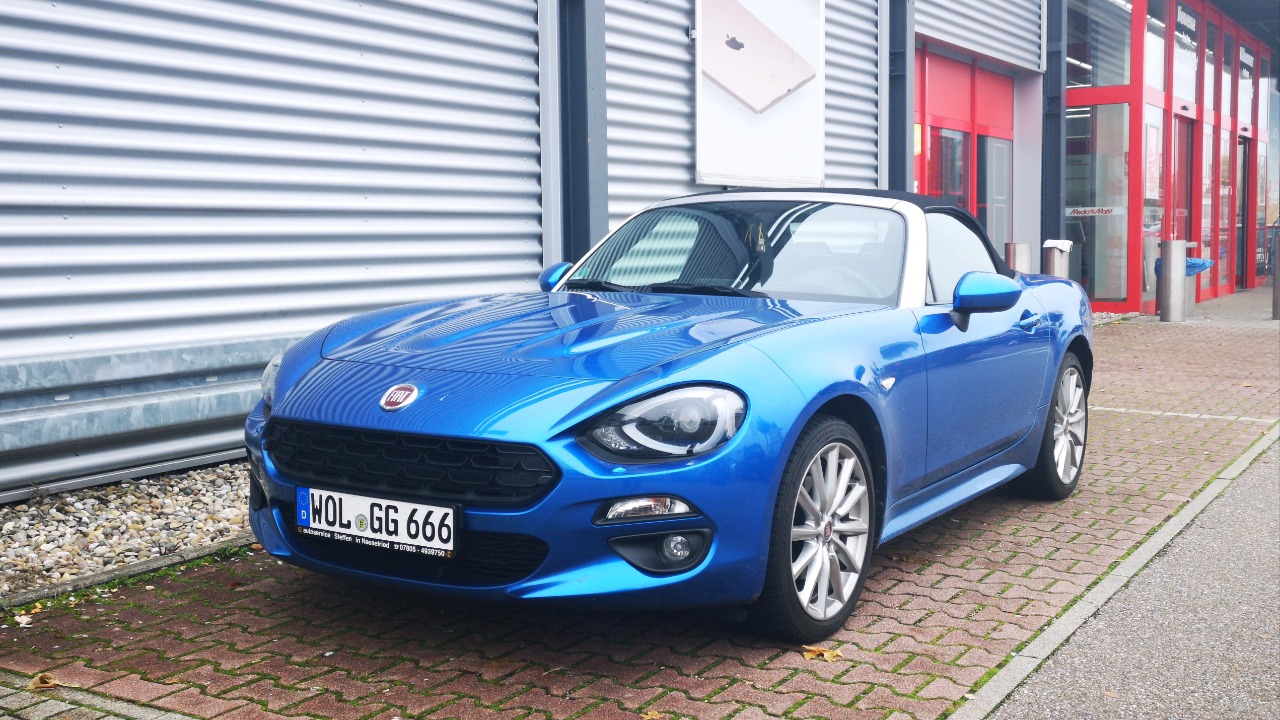
The Fiat 124 Spider and the Mazda MX-5 Miata represent a collaborative effort between two companies with different automotive philosophies. Based on the Mazda MX-5 platform, the 124 Spider features a Fiat-designed exterior and engine, offering a unique take on the classic roadster. This collaboration allowed Fiat to reintroduce the 124 Spider nameplate while benefiting from Mazda’s expertise in creating lightweight, fun-to-drive sports cars.
8) Mitsubishi Eclipse Cross – Renault Captur
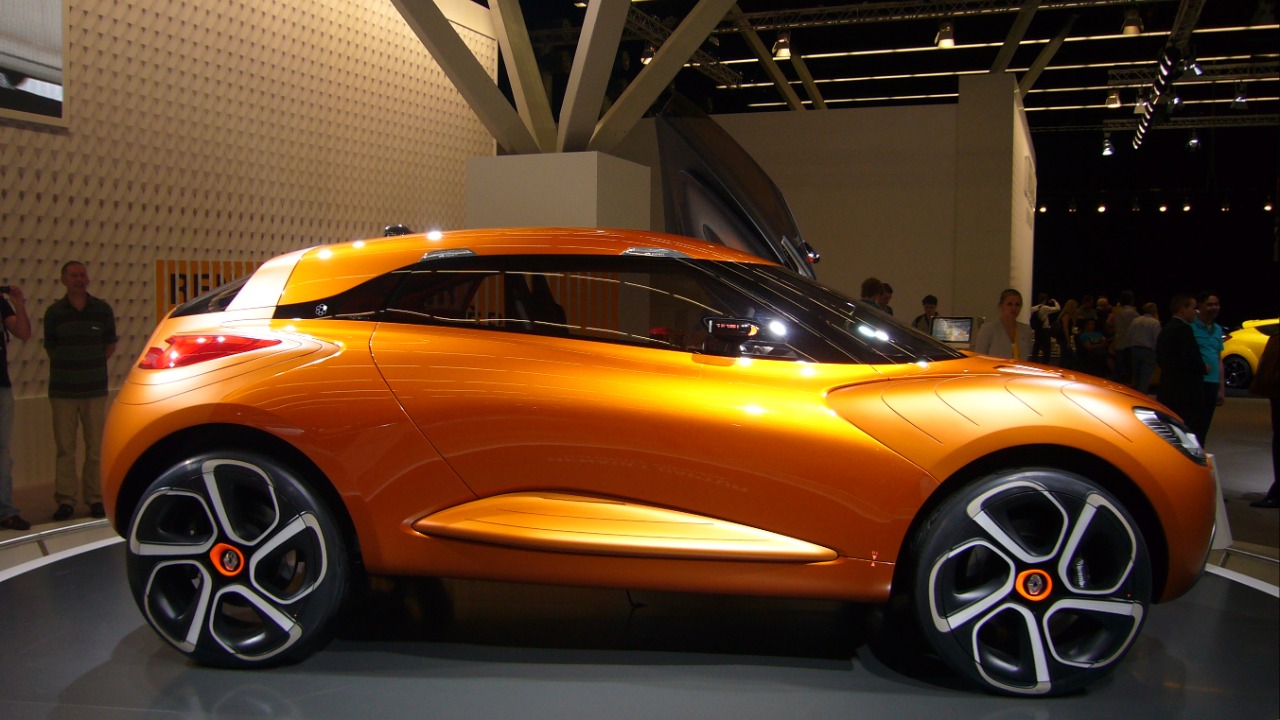
The Mitsubishi Eclipse Cross shares its underpinnings with the Renault Captur, thanks to the alliance between Mitsubishi and Renault-Nissan. While the Eclipse Cross features a distinctive design and Mitsubishi’s all-wheel-drive technology, the Captur focuses on compact city driving with its efficient powertrains. This partnership allowed Mitsubishi to expand its SUV lineup by leveraging existing platforms, catering to different market needs.
9) Dodge Journey – Fiat Freemont
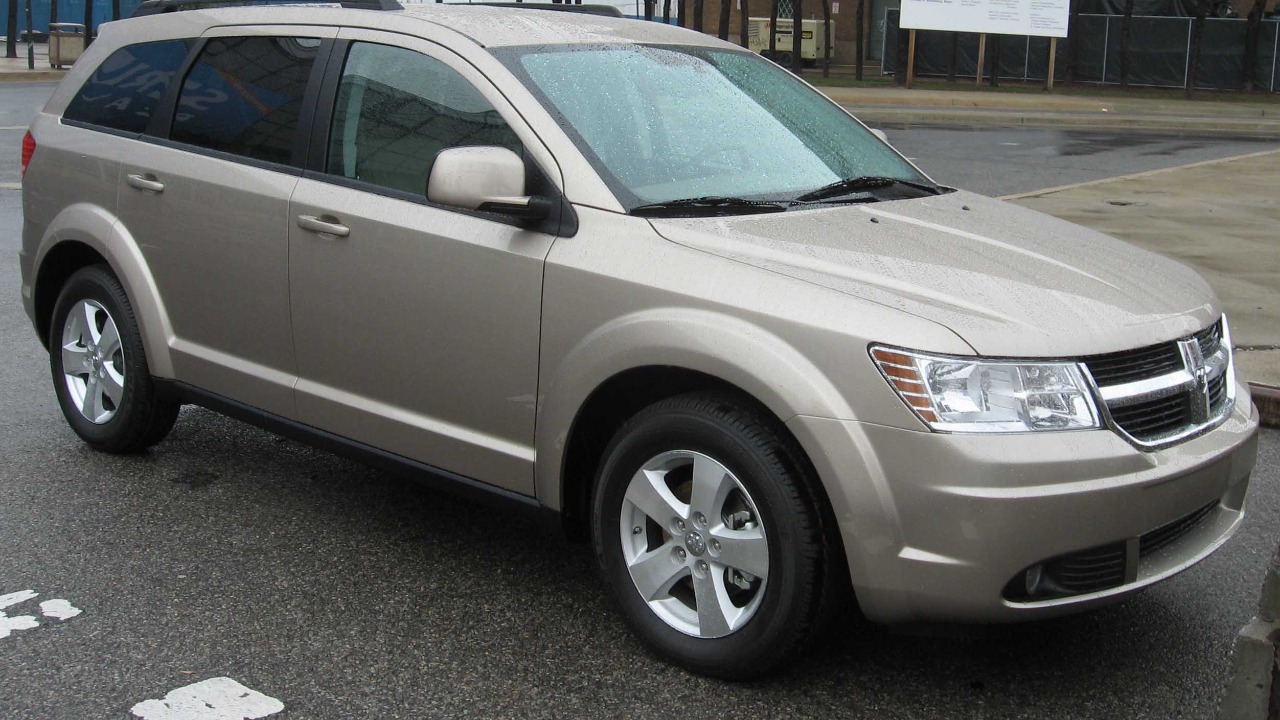
The Dodge Journey and the Fiat Freemont are essentially the same vehicle, with slight modifications to suit their respective markets. While the Journey was sold primarily in North America, the Freemont targeted the European market, capitalizing on Fiat’s established presence. This collaboration enabled both brands to offer a versatile and affordable family SUV while minimizing development costs. The partnership exemplifies how automakers can adapt existing models for different regional preferences.
