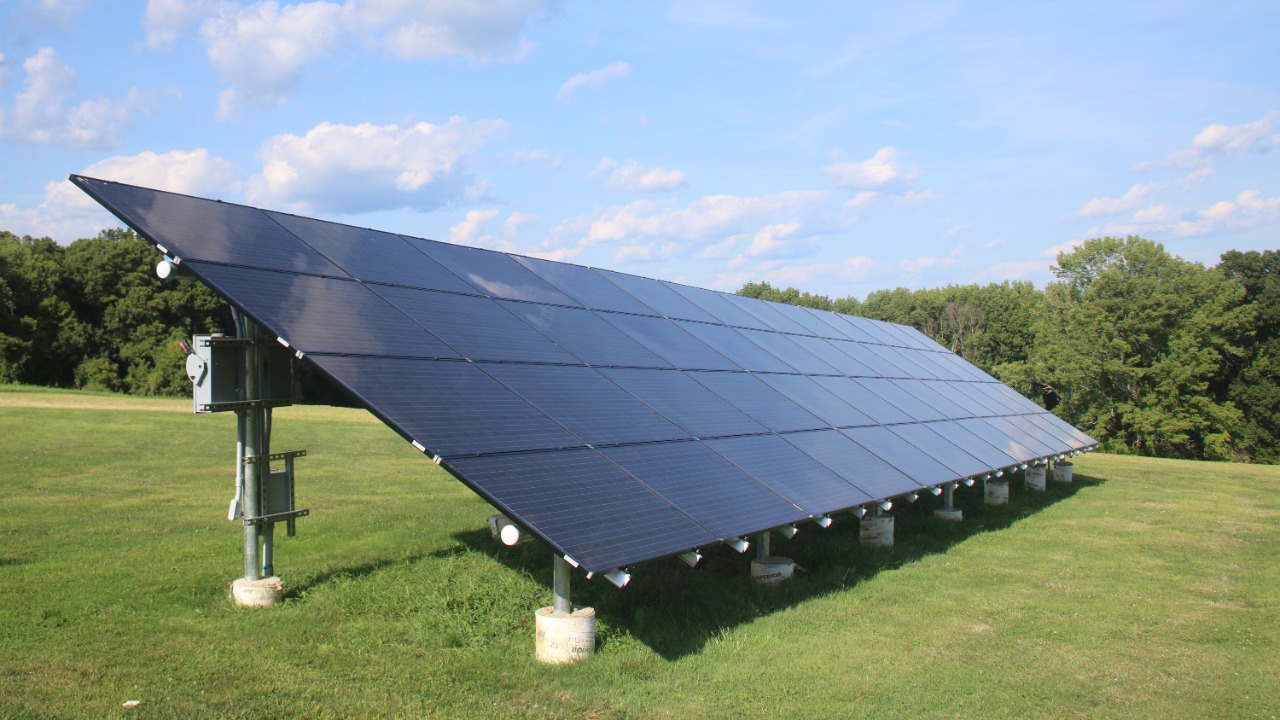

Nearly 60% of the new electricity generation that came online in the United States recently was driven by a single, fast-rising technology, signaling a decisive shift in how the grid is growing. Instead of new coal plants or a surge of natural gas, the bulk of fresh capacity is coming from cleaner sources that are rapidly undercutting fossil fuels on cost and speed of deployment. That pivot is reshaping investment decisions, manufacturing, and the politics of energy in America.
The new research on the American energy sector highlights how quickly the balance of power is changing, with 60% of new generation tied to technologies that barely registered on the grid a decade ago. I see that finding as less of a surprise and more of a confirmation that the economics of clean power have crossed a tipping point, even as federal policy under President Donald Trump has often leaned toward fossil fuels.
What the new study actually found
The standout finding is simple but striking: nearly 60% of all new electricity generation in the United States was driven by a single family of technologies that only recently became cost competitive. The study of the American energy sector shows that this 60% share reflects a structural change rather than a one-off blip, with developers consistently choosing projects that can be built quickly, financed cheaply, and operated with minimal fuel risk. In practical terms, that means the grid is being expanded far more by new clean capacity than by traditional fossil plants, even if legacy coal and gas still dominate total output.
Behind that topline number is a broader pattern of investment that is increasingly concentrated in renewables and storage, especially in regions with strong sun and wind resources. The analysis of the American market indicates that developers are steering capital toward projects that can lock in long term price stability, which clean technologies are uniquely positioned to offer because they do not depend on volatile fuel costs. That is why the new study of the American energy sector, highlighted in reporting on how 60% of new generation is being driven by these resources, has become a reference point for understanding where the grid is headed, and why Jan and other analysts are treating it as a turning point for the American power mix, as detailed in coverage of the new study.
Solar’s rise from niche to dominant growth engine
At the center of this shift is Solar power, which has moved from a niche option on rooftops to the fastest growing source of new utility-scale electricity in America. I see that transformation as the logical outcome of a decade of falling hardware costs, better financing tools, and a maturing supply chain that can now deliver gigawatt-scale projects on tight timelines. Federal analysts describe Solar as the main driver of near term growth in U.S. generation, with forecasts showing that new Solar projects will account for most of the incremental electricity added to the grid over the next two years, a trend underscored in the latest Electricity outlook.
Solar’s momentum is not just about forecasts, it is already visible in the monthly data. Recent federal statistics show that Solar generation set new records in November and across the first 11 months of 2025, with the Electric Power Mo series documenting how Solar’s share of total U.S. electricity has climbed steadily as more projects connect to the grid. That same dataset shows renewables providing roughly a quarter of U.S. electricity over that period, and it notes that in 2026 almost all net new generating capacity is expected to come from renewables and batteries, a pattern highlighted by Jan and the Solar records for November and the broader year to date.
Wind, storage, and the 99% forecast
Solar is not acting alone. Wind projects and large scale batteries are increasingly paired with new Solar farms, turning intermittent resources into more predictable, dispatchable power. Federal capacity forecasts for 2026 show that 99% of net new U.S. generating capacity is expected to come from Solar, wind, and storage, a figure that would have been unthinkable when coal was still the default choice for baseload power. I read that 99% projection as a clear signal to investors and utilities that the build out phase of the energy transition is now dominated by clean technologies, with fossil additions playing only a marginal role in capacity growth, as detailed in the latest EIA capacity forecast.
That capacity wave is backed by a long running trend in the official statistics, which show renewables steadily increasing their share of total generation while coal declines and natural gas plateaus. The core federal data series on U.S. electricity, which tracks generation by fuel type and region, now presents a picture of a grid where new investment is overwhelmingly clean even as existing fossil plants still supply a large share of daily power. For anyone following the numbers, the shift is visible in the charts and tables that the EIA publishes, where Solar, wind, and storage dominate the list of planned additions while coal barely registers.
Gas, policy headwinds, and the Trump factor
Natural gas is not disappearing, but its role is changing. Federal projections show U.S. natural gas fired generation totaling 1,696 BkWh in 2026, roughly flat with 2025 before edging up slightly in 2027 as new combined cycle plants and peaker units come online in fast growing regions like Texas. I interpret that 1,696 figure as evidence that gas is shifting from being the primary growth engine of the grid to more of a balancing resource that fills in gaps when wind and Solar output dip, a role that is likely to persist even as renewables expand, according to the detailed Jan forecast for gas generation.
All of this is happening under a federal administration that has often favored fossil fuels rhetorically and in regulatory moves. Despite that, renewable generation in the U.S. has kept surging, with one recent analysis noting that Even in the U.S., renewable generation grew substantially, including a 37% jump in Solar generation last year and strong gains in wind. She, a leading clean energy advocate quoted in that reporting, warned that America has a lot to lose if it squanders its manufacturing surge and global competitiveness by slowing the transition, a point that underscores how market forces and state level policies are pushing ahead even when federal signals are mixed, as described in the assessment of how renewables are surging despite Trump.
Why the economics now favor clean power
The deeper reason nearly 60% of new U.S. electricity is coming from clean sources is that the economics have flipped. Solar energy is now widely recognized as the fastest growing and most affordable source of new electricity in America, with utility scale projects often beating new gas plants on levelized cost while offering long term price certainty. As the cost of Solar energy systems has fallen, households, businesses, and utilities have all found it easier to justify investments that cut bills and emissions at the same time, a dynamic that federal energy officials highlight when they describe how Solar is helping more communities take advantage of clean energy, as detailed in the overview of energy innovation.
That cost advantage is reinforced by the way renewables interact with the broader grid. As more Solar and wind come online, they tend to push wholesale prices down during high output periods, which erodes the economics of inflexible coal plants and encourages utilities to retire older units rather than sink more money into maintenance. At the same time, advances in batteries and grid management software are making it easier to integrate variable resources without sacrificing reliability, a trend that shows up in the planning documents and data tables that the AP Photo/Ted Shaffrey analysis cites when it notes how quickly Solar and wind have grown over the past decade.
More from Morning Overview