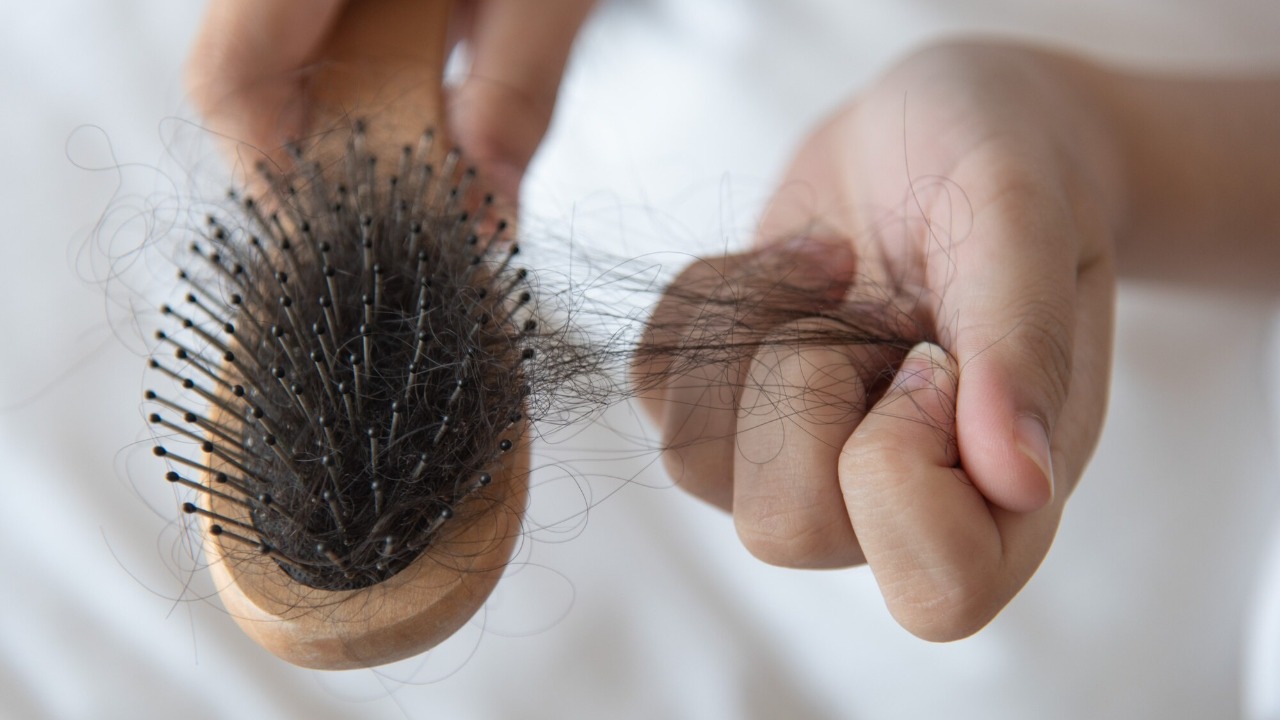

For decades, baldness treatments have inched forward with incremental gains and frustrating side effects. Now a simple gel built around a DNA sugar is producing such dramatic regrowth in animals that some researchers are openly talking about a potential cure rather than just slowing loss. The early data suggest that a deoxyribose-based formula can push dormant follicles back into action and even rival established drugs, while avoiding many of their drawbacks.
The idea sounds almost too neat: use a natural sugar that already forms part of human DNA to coax hair back to life. Yet a series of experiments from multiple teams, including work highlighted in Frontiers in Pharmacology and follow up reports from Dec and Jul, point to the same conclusion. When this sugar is delivered in a carefully engineered gel, hair comes back thicker, faster and more densely than in untreated skin.
From wound-healing sugar to hair regrowth shock
The story of this gel starts far from the beauty aisle. Researchers initially set out to understand how a natural sugar called deoxyribose, a key component of DNA, helps damaged tissue repair itself. While they were studying how deoxyribose boosts blood vessel formation and wound healing, they stumbled on an unexpected effect: treated skin began sprouting new hair more vigorously than normal, a twist that later reports from Dec described as a breakthrough that arrived by accident while scientists were focused on tissue repair more.
That serendipitous finding pushed the teams to retool their experiments around follicles instead of wounds. In the core animal model, they created a biodegradable alginate gel that could slowly release 2-deoxy-D-ribose directly onto the skin. The formulation, described in detail in a pharmacology study of androgenic alopecia, combined the sugar with polypropylene glycol and phenoxyethanol, then was tested in C57BL6 mice in which AGA had been induced by intraperitoneal injections of testosterone AGA. What began as a wound-healing project had suddenly become one of the most intriguing hair loss experiments in years.
How a DNA sugar wakes up sleeping follicles
To understand why a DNA sugar might regrow hair, it helps to look at its day job. Deoxyribose forms part of the backbone that holds the nitrogenous bases adenine, thymine, cytosine and guanine in place, giving DNA its structural framework. In the skin, that same molecule also acts as a signal that encourages new capillaries to form, improving blood flow around hair follicles. The pharmacology work and follow up analysis describe how this vascular boost appears to nudge follicles back into the growth, or anagen, phase, rather than leaving them stuck in rest or shedding DNA.
In practice, that biology translated into striking changes in animal coats. In controlled mouse studies, the deoxyribose gel accelerated the appearance of new hair compared with untreated skin and with animals that received a placebo gel without the sugar. Reports on the work note that the treated mice began to sprout new hair faster than untreated mice and that the proportion of follicles in the active growth stage increased, a shift that is crucial for maintaining density Surprise Hair Loss. One summary of the animal work described the treatment as a potential cure for baldness and hair loss because it specifically boosted the amount of hair in the growth stage and showed promise even in models of chemotherapy induced hair loss Oct.
Matching Minoxidil without the baggage
The benchmark for any new topical hair treatment is Minoxidil, a drug that has been on pharmacy shelves for decades and is licensed in many countries for pattern hair loss. In the deoxyribose experiments, the sugar gel did not just outperform placebo, it reached regrowth levels comparable to Minoxidil, with visible hair coverage that was similarly thick and pigment rich compared with untreated controls. One analysis of the Jul data described how the results were unexpected even for the researchers, who saw the sugar gel match Minoxidil’s roughly 90 percent success rate in animal models Jul.
Separate coverage of the same program highlighted that the biodegradable, non toxic gel made from deoxyribose was as effective as Minoxidil in triggering regrowth, while relying on a molecule that the body already uses in DNA. That comparison matters because Minoxidil can cause scalp irritation, unwanted facial hair and blood pressure changes, side effects that discourage some people from long term use. By contrast, the sugar gel’s early safety profile in animals appears cleaner, although human data are not yet available, and reports stress that independent verification is still very limited Sugar. For people who have tried Minoxidil and struggled with side effects, the idea of a DNA based alternative that can match its performance is understandably compelling.
Inside the animal trials and the 90 percent regrowth claim
The most detailed look at the gel’s performance comes from the Jun pharmacology study of androgenic alopecia in C57BL6 mice. In that model, testosterone injections first triggered AGA, shrinking follicles and thinning the coat, before the alginate gel containing 2-deoxy-D-ribose was applied. Over the following weeks, investigators tracked hair coverage, follicle counts and microscopic changes in the skin. They reported that the sugar gel not only restored visible hair but also improved the underlying follicle structure, a pattern that suggests more than a cosmetic effect on the surface Jun.
Follow up summaries of that work and related experiments from Dec and Jul sharpened the headline numbers. In one widely cited figure, the deoxyribose gel boosted regrowth by about 90 percent compared with untreated controls, effectively matching Minoxidil’s 90 percent success rate in the same animal system. Coverage of the program described how scientists from the University of Sheffield and COMSATS University in Pakistan spent eight years building toward this discovery, using human tissue samples to compare changes in blood vessels and follicle health after exposure to the sugar Surprising Sugar Discovery. That long runway helps explain why the latest animal data look so polished, even if the leap to human scalps still lies ahead.
Who is behind the discovery and how cautious should patients be?
The scientific push behind this gel is not coming from a single lab working in isolation. Reports describe how Scientists from the University of Sheffield and COMSATS University in Pakistan collaborated on the foundational work that linked deoxyribose to improved blood flow and follicle activity. Over the past eight years they have focused on male pattern baldness, a condition that affects a large share of men worldwide and has only a handful of licensed drugs to treat it Cure for. Additional coverage from Apr and Dec highlights how other scientists have developed a potential new treatment for baldness built around a sugar gel that showed strong results in early testing, reinforcing the sense that multiple groups are converging on the same mechanism Apr.
Despite the excitement, the most responsible voices around the project are urging restraint. One expert quoted in Aug coverage said the public should view these results with cautious optimism, stressing that the study provides hope for new natural treatments that might help people retain the hair they have but that more work is needed before anyone can promise a cure. That same analysis noted that the findings could ultimately lead to therapies based on sugar stored in the body, but only after rigorous human trials confirm safety and effectiveness Aug. I see that balance between hope and caution as the right lens: the animal data are extraordinary, but until similar results appear in carefully controlled human studies, any talk of a definitive cure remains unverified based on available sources.
More from Morning Overview