
A recently published paper opens an intriguing discussion: could Earth have been terraformed by advanced extraterrestrial beings? This bold hypothesis, while controversial, paves the way for fresh perspectives in cosmological research and understanding.
Unveiling the Terraforming Hypothesis
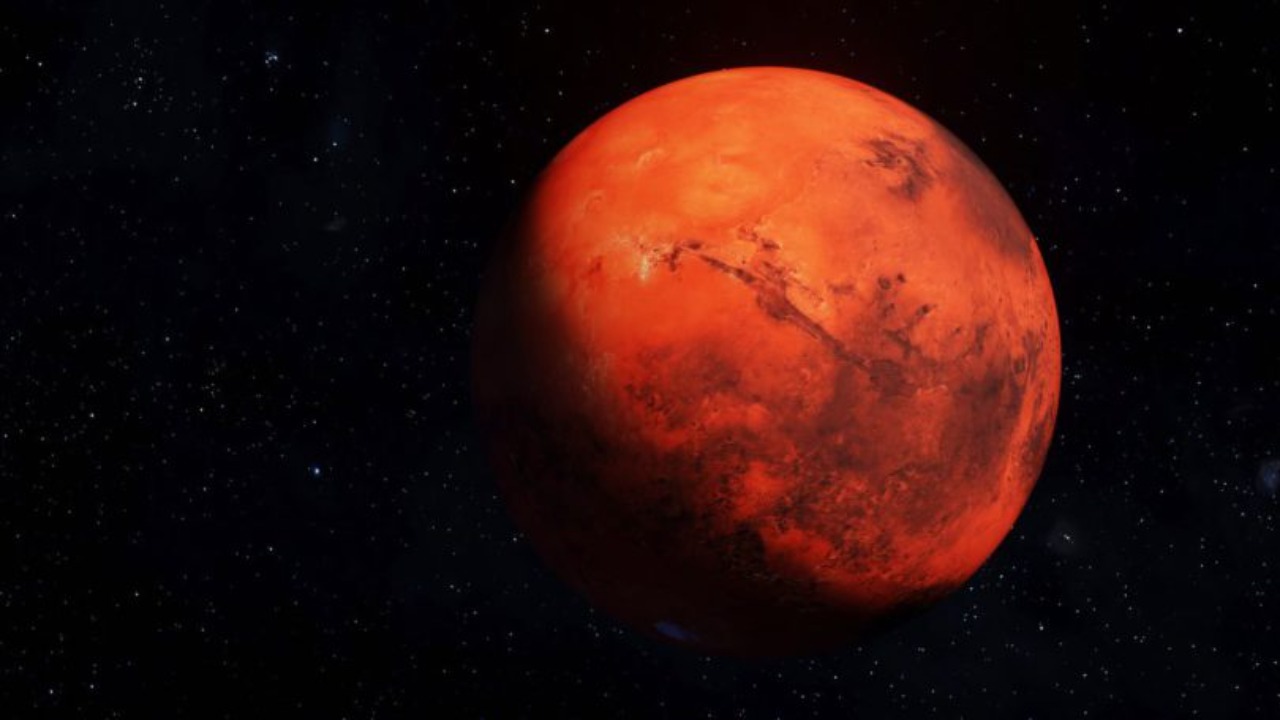
The terraforming concept involves intentionally altering the environment of a planet or moon to make it habitable for life as we know it. Originating from science fiction, the concept has gradually found its way into serious scientific discourse. The recent paper proposes an audacious twist to this: Earth, our home planet, might have been a product of such a process, carried out by advanced extraterrestrial civilizations.
Historically, the idea of terraforming has been linked to Mars, with proposals to modify its atmosphere to sustain human life. However, this paper shifts the focus to Earth. It suggests that Earth’s life-supporting conditions could be the result of deliberate engineering by advanced extraterrestrials. If proven, this could revolutionize our understanding of our planet and life itself.
Scientific Evidence Supporting the Hypothesis
The paper presents a collection of geological and biological indicators that could potentially support this hypothesis. These include the rapid rise of oxygen levels in Earth’s atmosphere around 2.4 billion years ago known as the Great Oxygenation Event, and the sudden diversification and complexity of life during the Cambrian explosion around 540 million years ago.
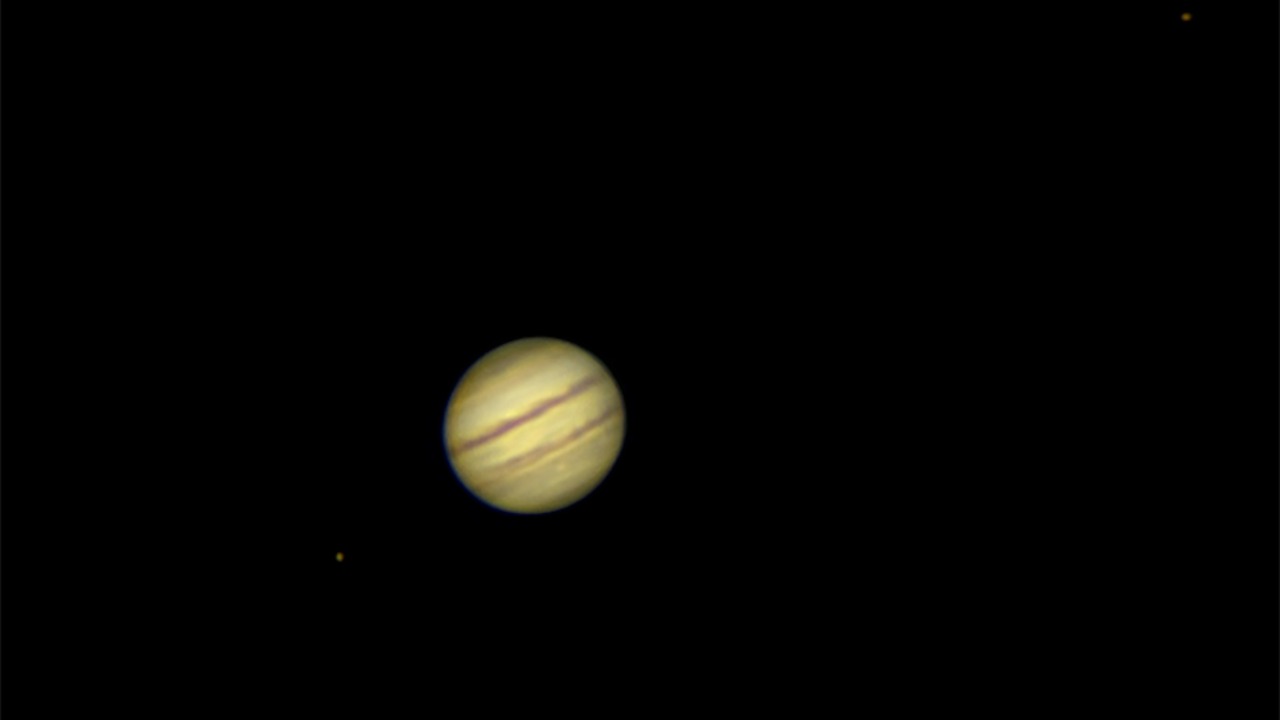
Furthermore, the field of astrobiology, which studies the potential existence and effects of life beyond Earth, provides additional support. Research in this field has shown that life can exist in extreme conditions, such as in the harsh environments of Mars or the icy moons of Jupiter and Saturn. This strengthens the possibility that advanced life forms, capable of large-scale planetary engineering, could exist elsewhere in the universe.
Challenges and Controversies Surrounding the Hypothesis
The reception of this hypothesis by the scientific community has been mixed, with valid criticisms and doubts raised. The primary critique is the lack of direct evidence. While geological and biological events may suggest the possibility of extraterrestrial influence, they can also be explained by natural Earth processes.
Moreover, the hypothesis seems to contradict the Fermi Paradox, a long-standing conundrum in astrobiology. The paradox questions why, given the vast number of stars and planets in the universe, we have yet to encounter signs of extraterrestrial civilizations. This apparent silence from the cosmos casts doubt on the idea that advanced aliens could have terraformed Earth.
Implications for Future Research and Space Exploration

Despite the controversies, the hypothesis could significantly impact our search for extraterrestrial life. If Earth was indeed terraformed, then signs of such intervention might be found on other planets as well. This could guide future missions and research, potentially uncovering new evidence of extraterrestrial life.
Moreover, the hypothesis presents intriguing possibilities for future terraforming endeavors. The ongoing debates about terraforming Mars, for instance, could benefit from a better understanding of how such a process could have occurred on Earth. A recent study on the feasibility of terraforming Mars underlines the importance of this discussion.
Reflecting on the Bigger Picture: A Philosophical Perspective
The terraforming hypothesis is more than just a scientific proposition. It challenges our understanding of life and the universe, potentially shifting our anthropocentric worldview. The Anthropic Principle, which posits that the universe appears to be finely tuned for the emergence of conscious life, gains a new dimension in light of this hypothesis.
Furthermore, the hypothesis raises profound theological and ethical considerations. If Earth was indeed engineered by other beings, what does it imply about our place in the universe? And as we contemplate terraforming other worlds, what responsibilities do we bear? A thoughtful piece on the ethics of terraforming illustrates these dilemmas. As we continue exploring this hypothesis, it’s clear that the implications extend far beyond the realm of science, touching upon deep questions about our existence and future.
