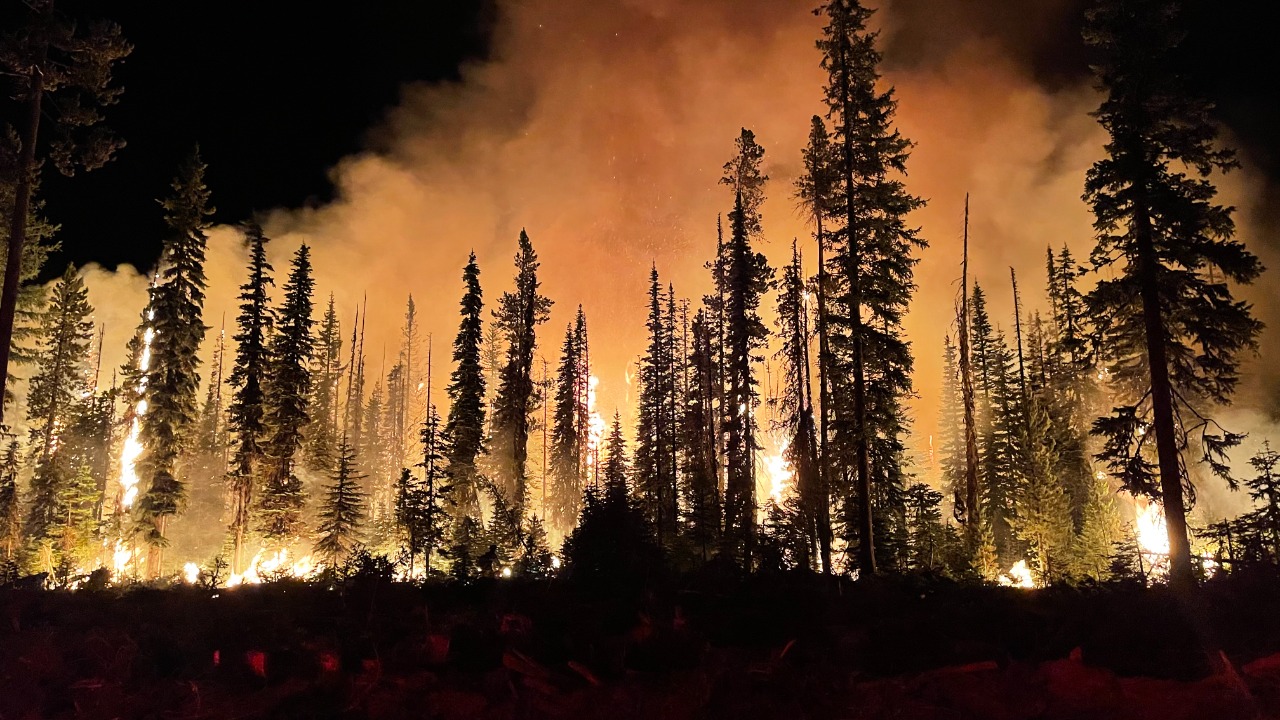

A recent study has revealed a significant escalation in wildfire intensity and impact globally, with the world experiencing far more damaging fires now than in the 1980s. This trend is closely tied to climate change, with devastating examples like the Lahaina wildfires that caused extensive damage and loss of life. The findings underscore the urgent need to address rising fire risks in vulnerable regions.
Key Findings of the Study
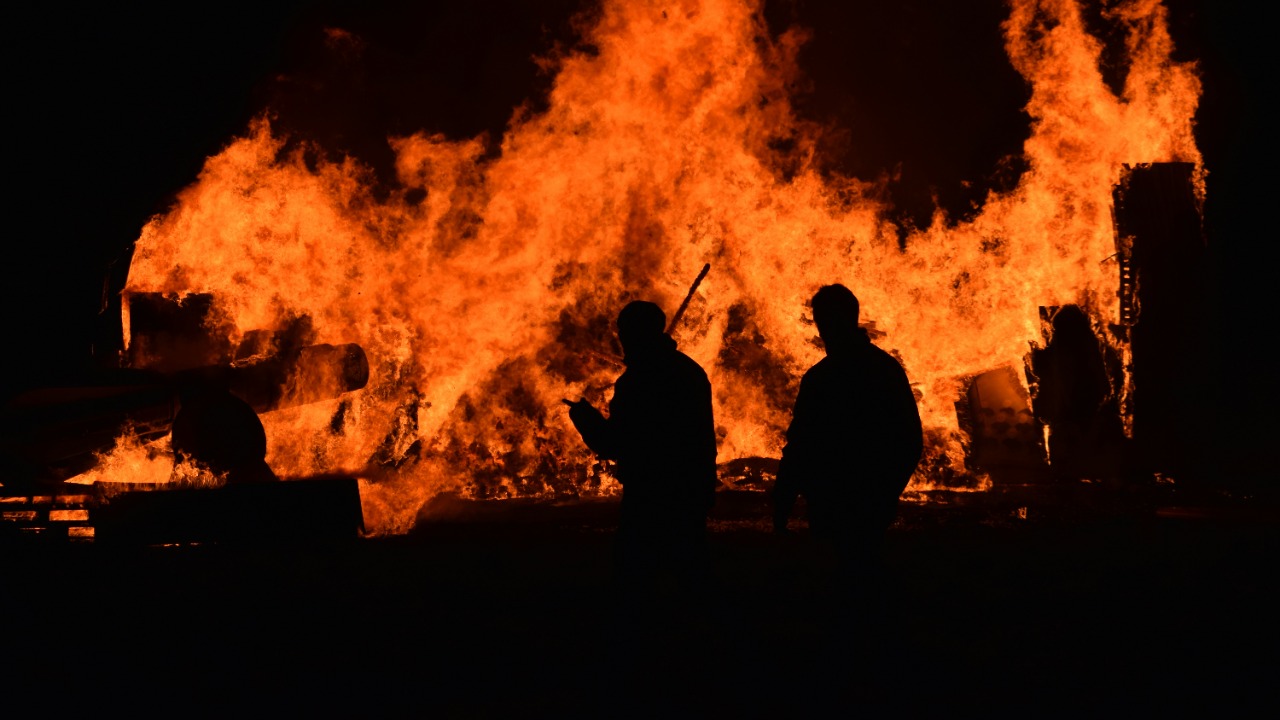
The study employed a comprehensive methodology, utilizing data sources on global fire activity from satellite observations and ground reports spanning several decades. It highlighted a quantitative increase in fire-damaged areas, with expanded burn extents and frequency compared to baseline measurements from the 1980s. This data points to a significant escalation in the intensity and impact of wildfires globally.
Moreover, the study also discussed qualitative shifts in fire behavior. It noted that fires have become more intense and prolonged, affecting ecosystems and human settlements alike. These changes in fire behavior have been linked to various factors, including climate change and human activities.
Another significant finding was the increase in the severity of wildfires. The study found that fires are burning hotter and spreading faster than in the past. This has resulted in larger areas being affected and greater damage being inflicted. The study also noted an increase in the number of ‘megafires’ – fires that burn over 100,000 acres – which were relatively rare in the 1980s but have become more common in recent years.
Historical Comparison to the 1980s
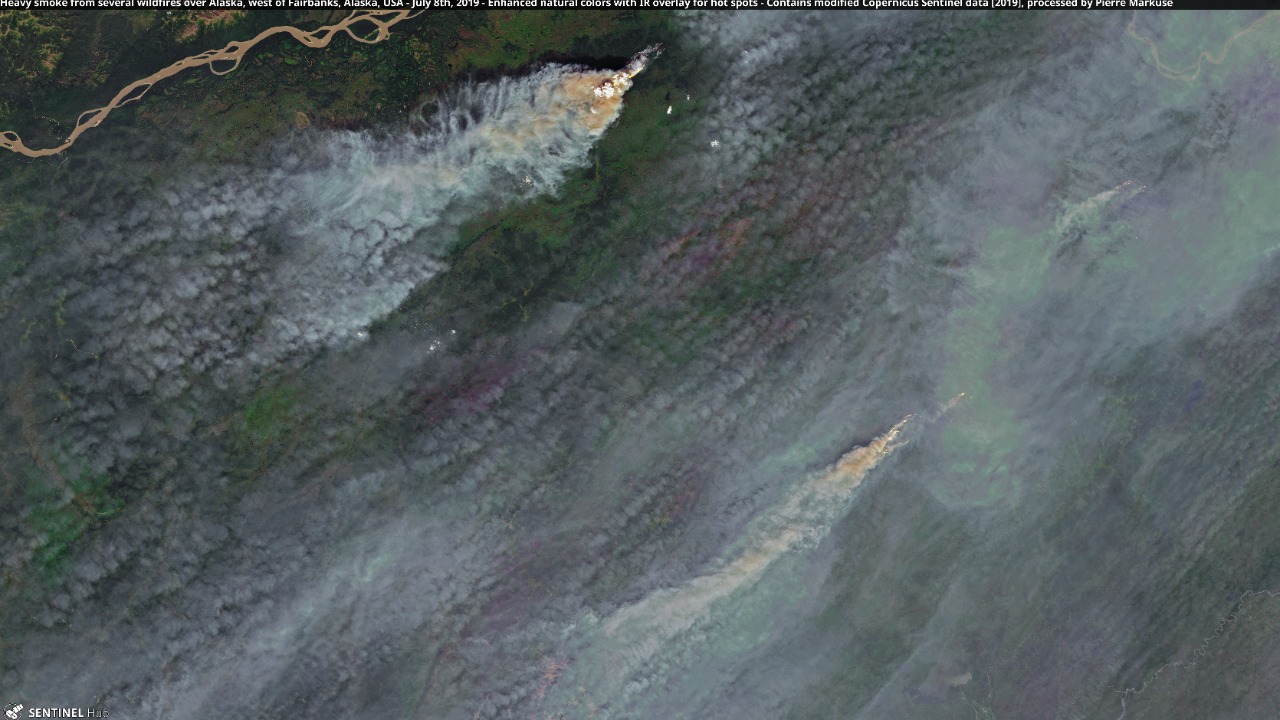
When comparing global fire metrics from the 1980s, the study noted a lower incidence of large-scale damaging fires based on historical records. It also examined regional variations, highlighting that certain areas experienced reduced fire activity during the 1980s compared to current hotspots.
The study also analyzed contributing factors from that era, such as cooler temperatures and different land management practices. These factors played a significant role in controlling the spread and intensity of wildfires during the 1980s.
The study also pointed out that the 1980s saw fewer instances of extreme fire behavior, such as rapid spread and high intensity, compared to the present. This is attributed to a combination of factors including changes in climate, land use, and fire management practices. The study also highlighted that the 1980s had fewer instances of urban-wildland interface fires, where wildfires encroach on populated areas, compared to the present.
Link to Climate Change
The study explored how rising global temperatures and drier conditions have amplified fire risks worldwide. It referenced scientific models showing climate-driven increases in fire weather conditions since the 1980s. This indicates a strong link between climate change and the increased intensity and frequency of wildfires.
Furthermore, the study discussed feedback loops, such as fires releasing more carbon that exacerbates warming. This creates a vicious cycle where increased warming leads to more intense fires, which in turn release more carbon, further contributing to climate change.
The study also examined the role of climate change in exacerbating fire weather conditions. Fire weather refers to weather conditions that promote the spread of wildfires, such as high temperatures, low humidity, and strong winds. The study found that these conditions have become more common and severe due to climate change, leading to more intense and destructive wildfires.
Case Study: Lahaina Wildfires
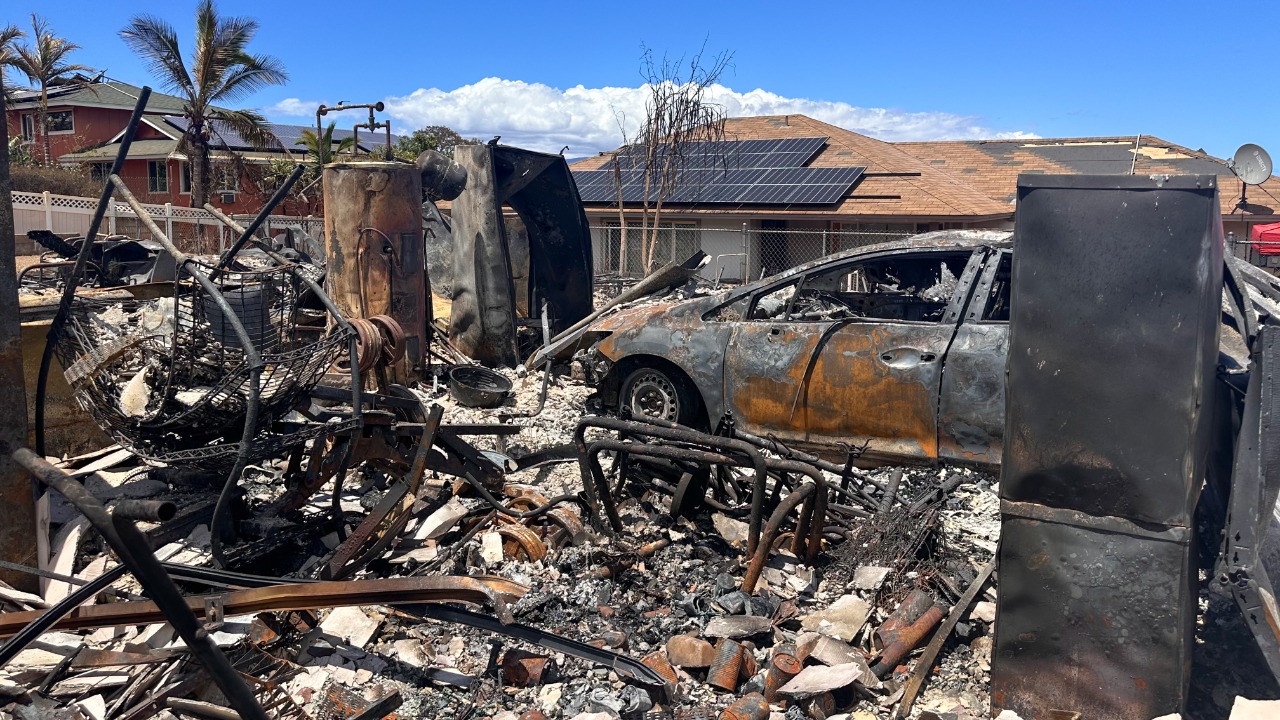
The 2023 Lahaina fires in Hawaii serve as a stark example of the devastating impact of these intensified wildfires. The fires caused extensive property damage and loss of life, highlighting the human toll of these events. The role of climate change in intensifying these events was also detailed, with hotter, drier conditions fueling rapid spread.
Recovery challenges for affected communities were also covered in the study. These include rebuilding efforts and long-term displacement, further emphasizing the far-reaching impacts of these destructive fires.
The noted that the fires left a lasting impact on the local community, with many residents losing their homes and livelihoods. The study also highlighted the environmental impacts, including the loss of native vegetation and wildlife habitats, and the increased risk of soil erosion and landslides. The study underscored that these impacts are representative of the broader global trend of escalating wildfire impacts.
Global Impacts and Examples
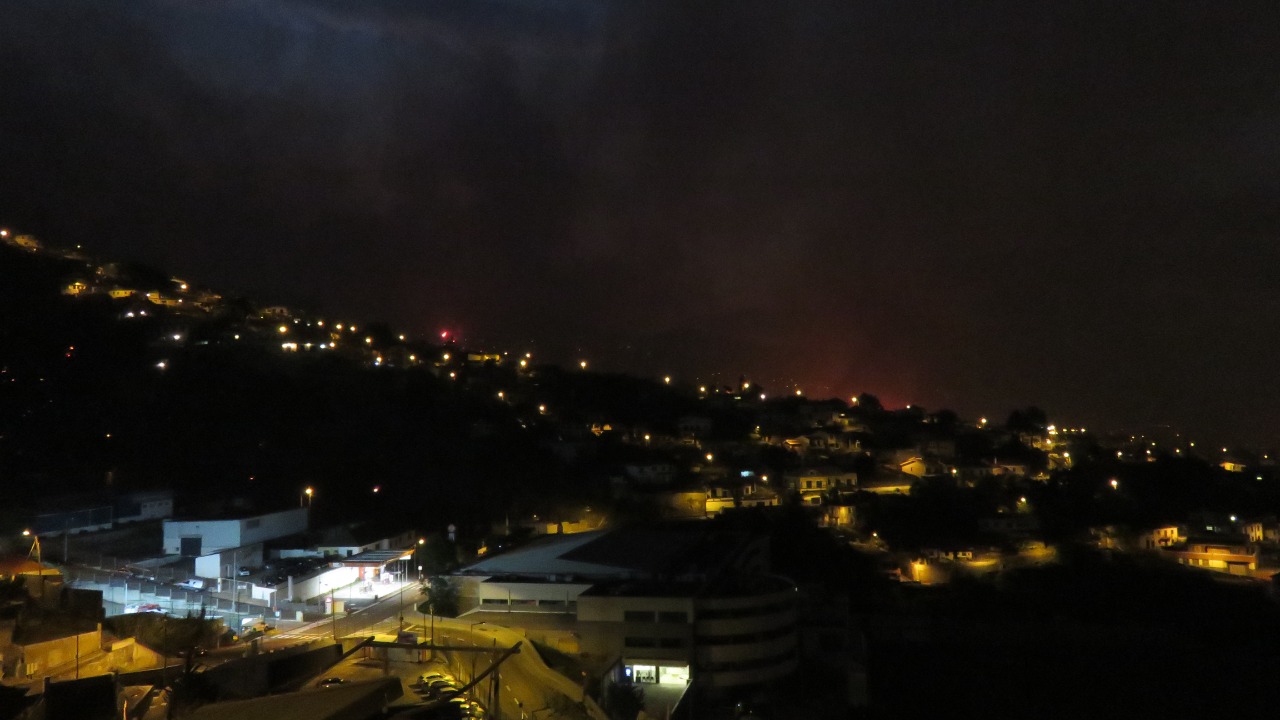
The study outlined the effects of increased wildfires on biodiversity, with increased habitat loss in fire-prone regions beyond the 1980s levels. It also highlighted the human tolls of these events, including evacuations, economic costs, and health risks from smoke exposure.
Examples from other regions, like intensified wildfires in Australia or Europe, were also provided. These examples further underscore the global nature of this issue and the need for concerted international efforts to address it.
The study further explored the global impacts of increased wildfires. It noted that wildfires have led to significant economic losses, including damage to property and infrastructure, loss of income, and increased spending on firefighting and recovery efforts. The study also highlighted the health impacts of wildfires, including respiratory problems caused by smoke inhalation and mental health issues related to the trauma of experiencing a wildfire.
The study also provided examples of intensified wildfires from around the world. It cited the 2019-2020 Australian bushfire season, which saw unprecedented levels of fire activity and destruction, and the 2020 wildfires in the western United States, which were some of the largest and most destructive in the region’s history. These examples further underscore the global nature of the wildfire crisis and the urgent need for action.
Implications for Policy and Prevention

The study made several recommendations for enhanced fire management, such as improved early warning systems. These systems can help communities prepare for and respond to wildfires more effectively, potentially reducing their impact.
International policy responses to climate-fueled fires were also explored, including emission reduction targets. These policies aim to address the root cause of increased wildfires – climate change – by reducing greenhouse gas emissions.
At the community level, the study suggested strategies like controlled burns and resilient urban planning in high-risk areas. These strategies can help communities mitigate the risk of wildfires and better prepare for when they do occur.
Overall, the study’s findings highlight the urgent need for action to address the escalating global wildfire crisis. As the world continues to warm, the risk of damaging fires is only expected to increase, making it imperative to implement effective fire management strategies and policies that address climate change.