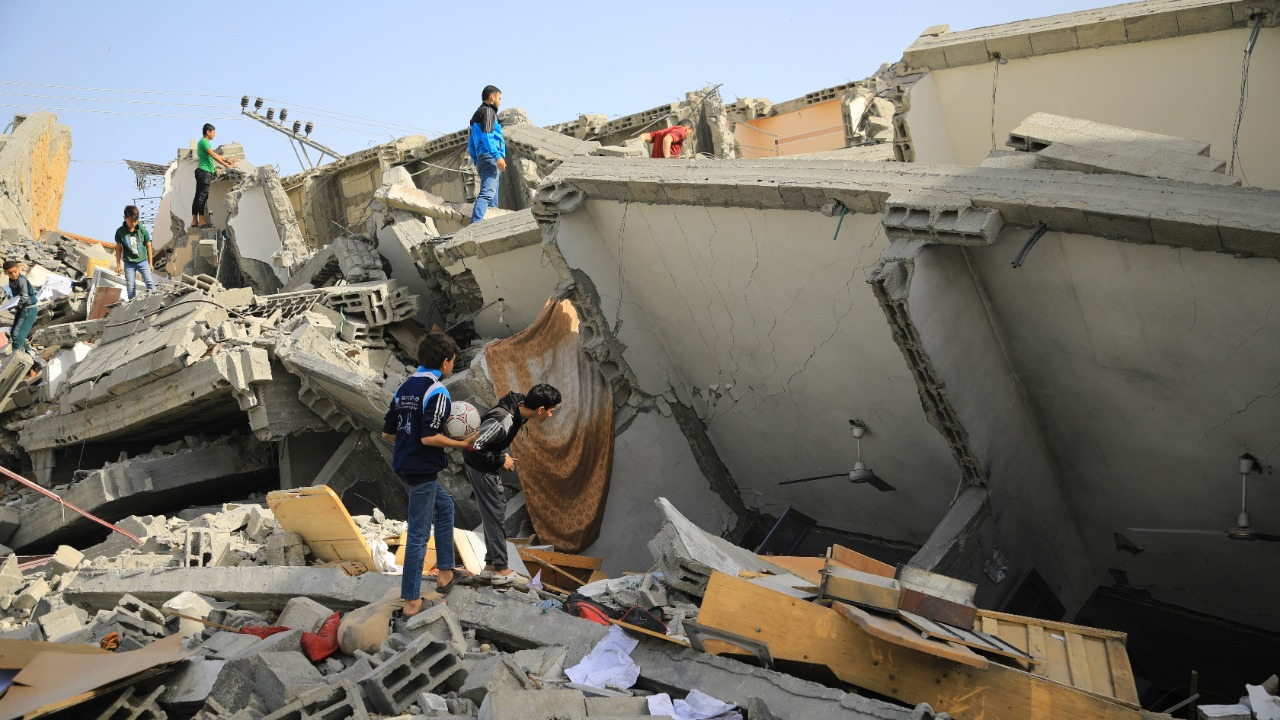

A powerful tremor has shaken northern Italy, jolting residents from their homes and sending crowds into the streets in the dark, anxious minutes after the ground began to move. The quake, felt across a wide swath of the region, rattled buildings, set off car alarms and revived memories of earlier disasters that have scarred the country’s seismic landscape.
While full assessments are still emerging, early reports from towns and cities across the north describe frightened families huddling outdoors, emergency crews checking damaged structures and local authorities weighing whether this latest shock is an isolated event or part of a broader pattern of instability beneath Italy’s soil.
Shock in the north as buildings sway and streets fill
The first instinct for many people in northern Italy was to run. Residents described a deep rumble followed by a sharp jolt that made apartment blocks creak and shopfronts shudder, prompting families to grab children, pets and documents before rushing outside. In some neighborhoods, the shaking was strong enough to send plaster dust drifting from ceilings and to knock small objects from shelves, a visceral reminder of how quickly daily life can be upended when a fault line slips beneath a densely populated area.
Witness accounts from earlier tremors in the country help explain the intensity of the reaction. In one recent episode, a series of 4.5 magnitude shocks prompted people to flood into the streets as houses shook and alarms wailed, a pattern now repeating in the north as residents relive the same fear. In towns like Fornace Zarattini and other communities across Emilia Romagna, people spoke of a low roar rising from the ground, followed by a rolling motion that seemed to last far longer than the seconds shown on seismographs.
Emilia Romagna on edge after fresh jolt
I have seen how quickly fear spreads in regions that already live with a sense of vulnerability, and Emilia Romagna is one of those places. The latest quake has rattled a corridor that has been under strain from multiple directions, from seismic risk to extreme weather. Local authorities in the northeast have spent recent years dealing with flooded roads, damaged bridges and recurring alerts, and now they are once again urging residents to stay calm but vigilant as engineers inspect schools, hospitals and industrial sites for cracks or structural shifts.
Earlier warnings to travelers about the north east region of Emilia Romagna and nearby areas highlighted how fragile local infrastructure has become under the combined weight of heavy snowfall, torrential rain and violent wind. When a new quake hits a region already coping with swollen rivers and saturated soil, the risk is not only from falling masonry but also from landslides and embankment failures that can cut off towns and complicate rescue efforts. That layered vulnerability is shaping how officials now talk about resilience, pushing them to think beyond single hazards and toward a more integrated view of risk.
Echoes of past disasters from Amatrice to Calabria
Every strong tremor in the north reverberates emotionally far beyond the immediate epicenter, because Italians carry a collective memory of tragedies that unfolded in other regions. The name AMATRICE still evokes images of collapsed stone houses and frantic searches for survivors, and the country has not forgotten how Rescue workers scrambled through rubble in isolated towns and villages in central Italy after a major landslide leveled homes and left people missing. When the ground shakes again, even hundreds of kilometers away, it reopens questions about whether lessons from those disasters have truly been absorbed in building codes, emergency drills and public awareness.
The country’s seismic story also stretches south, where the memory of the 1783 Calabrian earthquakes in Calabria still looms large in historical accounts. Those events, which triggered destructive tsunamis along the coast, are a reminder that seismic risk in Italy is not confined to one region or one type of hazard. When new tremors strike off the coast of Crotone or in the Apennines, they are read against this long backdrop of catastrophe, shaping how communities interpret even a brief jolt and how quickly they decide to leave their homes for open ground.
Naples and the south show what prolonged shaking can do
Although the latest event has centered in the north, I cannot ignore how recent quakes in the south illustrate the stakes when shaking is both strong and prolonged. In Strong seismic episodes around Naples, residents have been forced into the streets and cars as buildings swayed and local tsunami warnings were briefly considered. Video from those moments shows people crying, praying and clutching one another as they wait for aftershocks, a scene that now feels uncomfortably familiar to those standing outside apartment blocks in the north.
Earlier this month, Naples was described as having been rocked by one of the worst earthquakes in 40 years, with residents forced to sleep on the streets after a huge roar preceded tremors that shook for about 20 seconds. Firefighters worked tirelessly to rescue panicked residents, pulling an injured person from a building where the ceiling collapsed in Pozzuoli and freeing trapped people in the neighboring Bagnoli district as masonry fell and windows shattered. Those scenes underline how quickly a strong quake can overwhelm urban systems, a warning that northern cities are now taking seriously as they review their own emergency plans.
Panic, perception and the politics of preparedness
From my perspective, one of the most revealing aspects of any major tremor is not just the physical damage but the way fear travels through a community. A 26-second tremor that shattered a city’s calm and triggered widespread panic, as described in one account shared by Public Anthony Joseph 103 others, shows how even a relatively short burst of shaking can leave psychological scars that last far longer than the event itself. In northern Italy, parents now talk about children who refuse to sleep away from the door, elderly residents who keep a packed bag by the bed and workers who eye the nearest exit whenever a truck rumbles past.
The sensory experience of a quake often mirrors descriptions from other conflict and disaster zones, where people speak of the sound of massive explosions rocking buildings and causing widespread panic, as reported in areas around Gaza City. In both cases, the combination of noise, vibration and uncertainty fuels a sense of helplessness that can quickly turn into anger if people feel authorities are not transparent or prepared. That is why clear communication from civil protection agencies, mayors and national leaders is crucial in the hours after a quake, not only to share technical data but to acknowledge the emotional shock that residents are living through.
More from Morning Overview