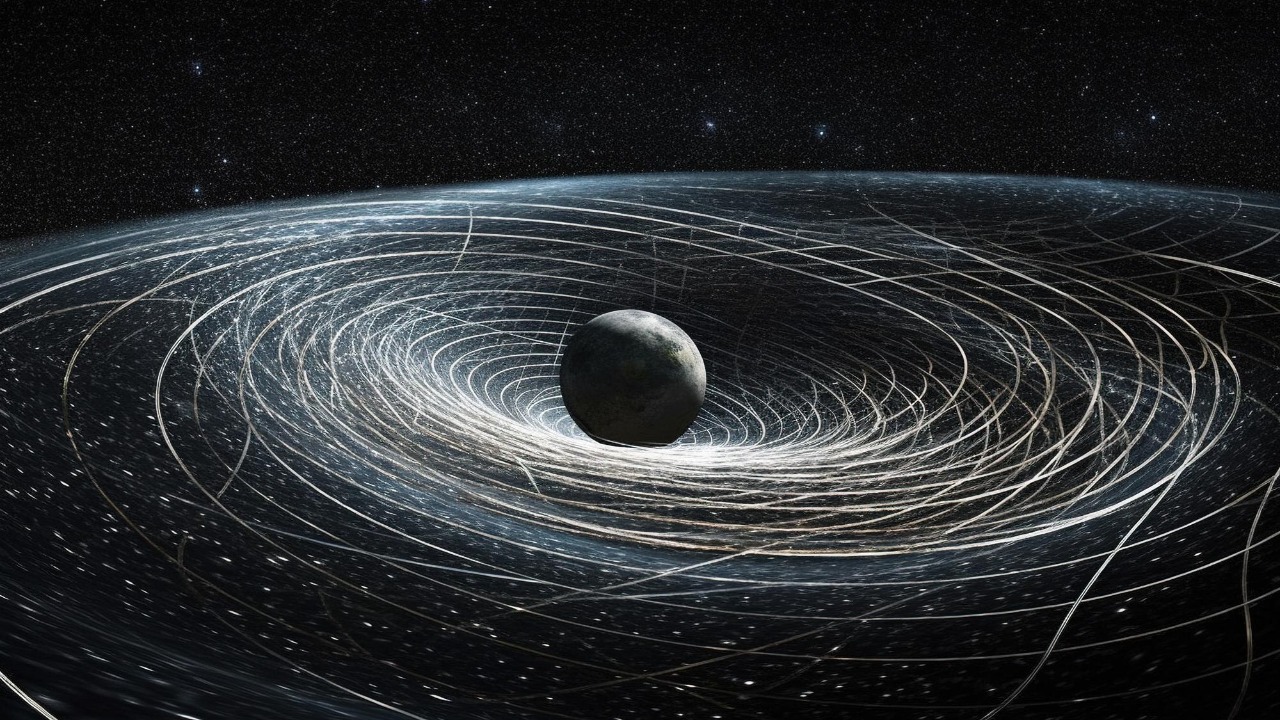

In an extraordinary testament to the predictive power of Einstein’s theory of general relativity, a star system has been discovered that demonstrates extreme gravitational lensing. This observation not only validates long-standing theoretical predictions, but also provides us with exciting insights into the complex workings of the cosmos.
Understanding Gravitational Lensing
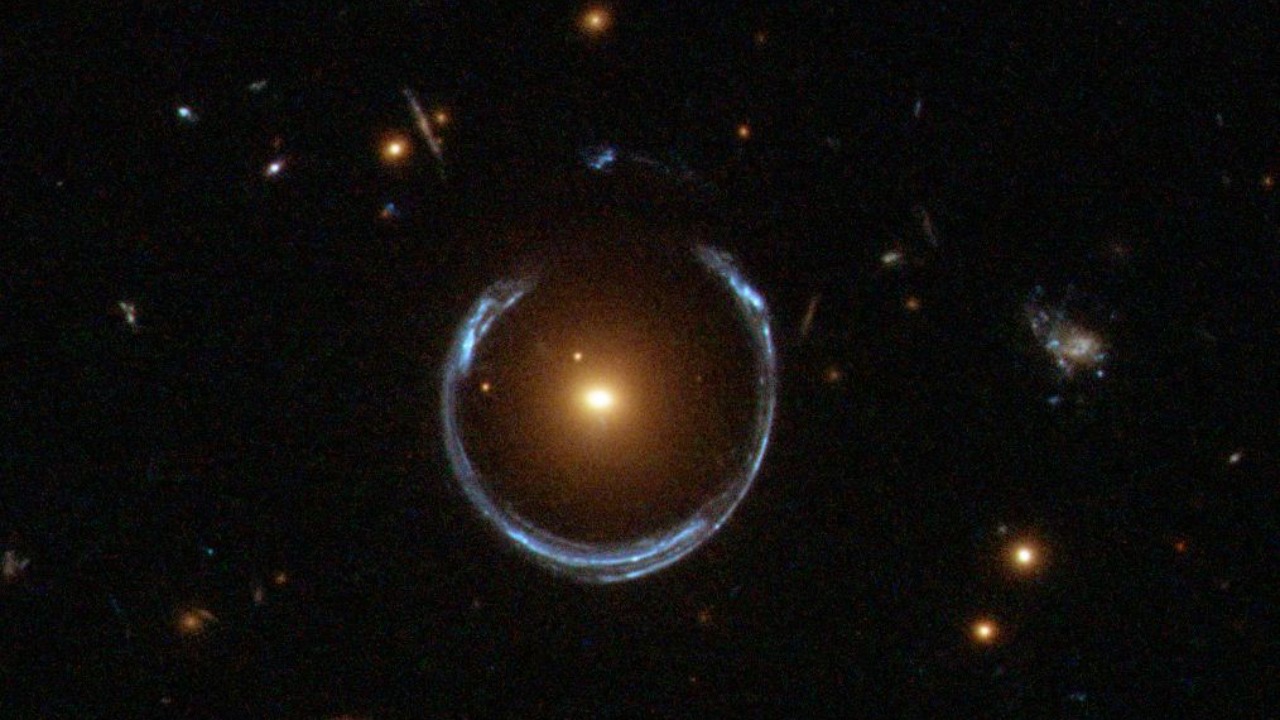
Gravitational lensing, predicted by Einstein’s general relativity, is a phenomenon where light from a distant object is bent by the gravitational field of a massive object located between it and the observer. This distortion can cause the distant object to appear magnified or distorted, or even create multiple images of the same object. It’s like looking at the universe through a giant cosmic lens.
There are three main types of gravitational lensing: strong, weak, and microlensing. Strong lensing creates highly distorted, magnified, or multiple images of distant objects; weak lensing distorts objects less dramatically and is more difficult to detect; and microlensing, the most elusive of the three, occurs when a small but massive object passes in front of a distant object, causing a brief increase in brightness. Examples of gravitational lensing abound in the universe, from the arcs and rings seen around massive galaxy clusters to the Einstein Cross, where a single quasar appears as four separate objects due to the lensing effect of a foreground galaxy.
Discovering Extreme Gravitational Lensing in the Star System
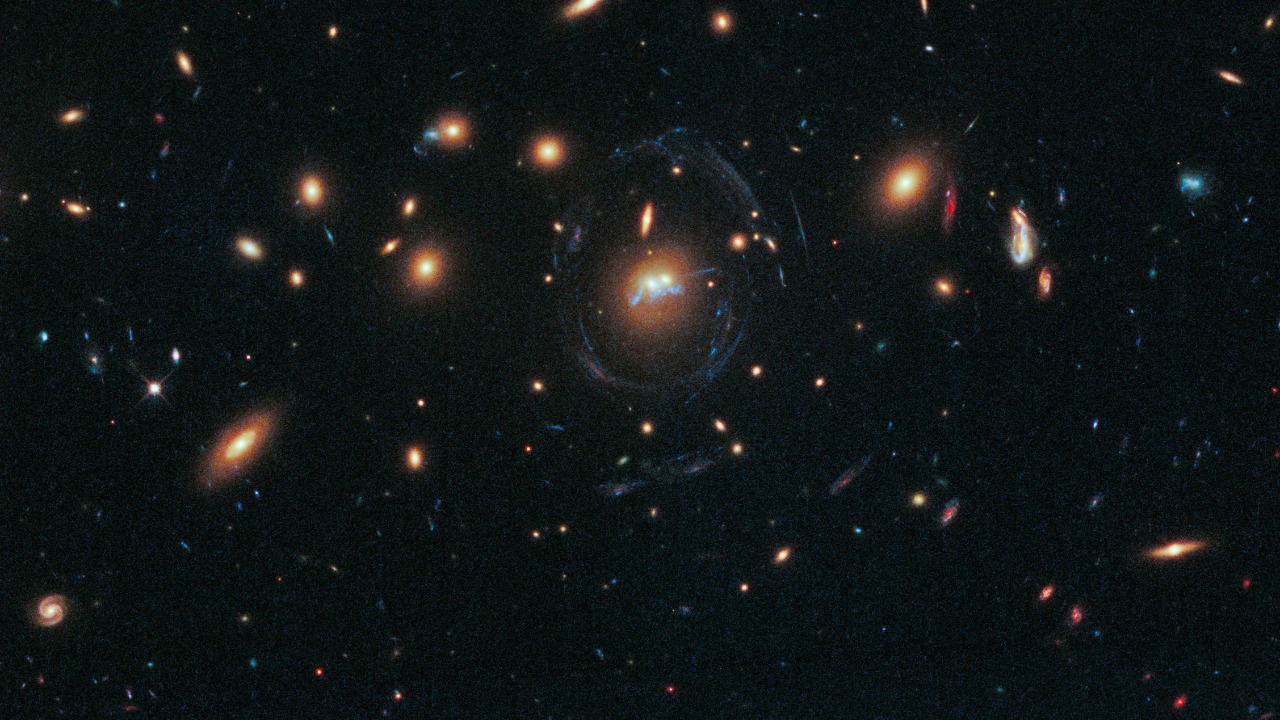
The discovery of the star system demonstrating extreme gravitational lensing is truly a landmark achievement. The detection was made possible thanks to the cutting-edge capabilities of the Euclidean Telescope ESO. This powerful instrument has revolutionized our ability to observe distant objects with unprecedented clarity and precision.
The star system in question exhibits unique features that contribute to the extreme lensing effect. The precise alignment of the star system, the intervening massive object, and our observation point on Earth creates a perfect scenario for strong gravitational lensing. The details of the star system are still under examination, and scientists are eagerly probing its mysteries.
Insights from the Heaviest Black Hole
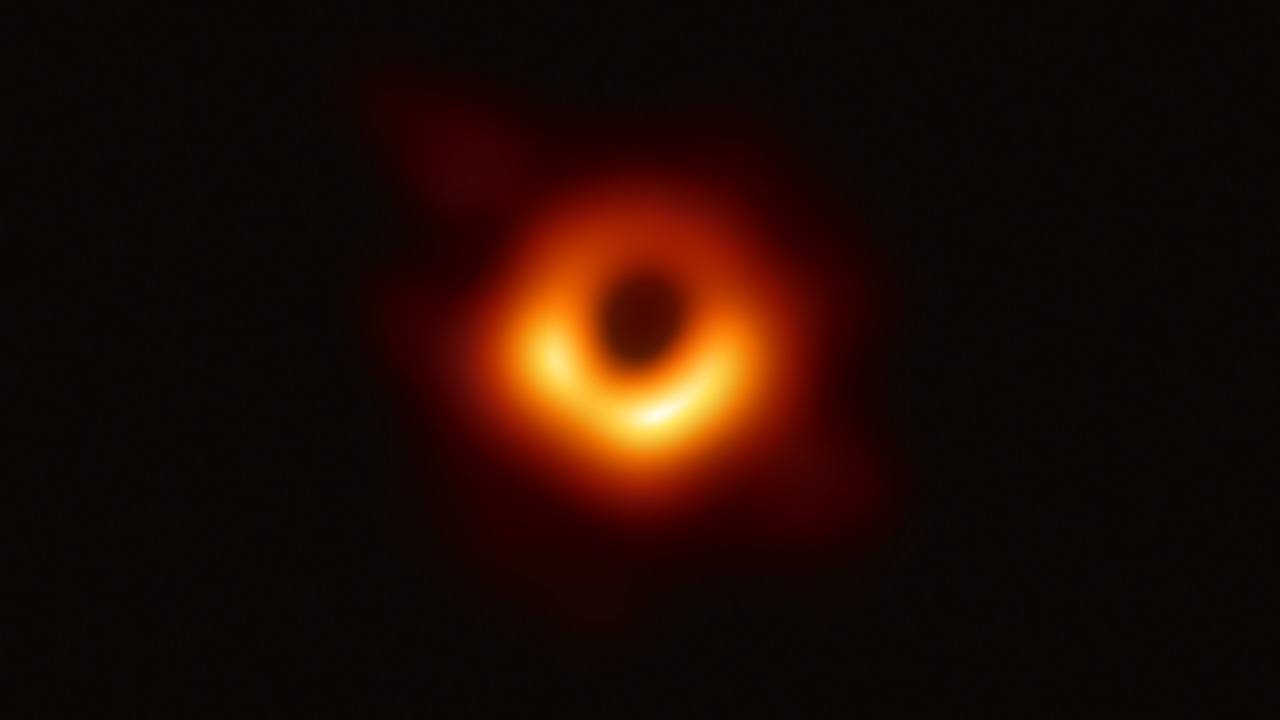
Black holes play a significant role in gravitational lensing due to their incredibly high mass and density. Their intense gravitational pull can distort space-time significantly, leading to dramatic lensing effects. The heaviest black hole ever discovered, weighing in at 36 billion solar masses, provides a fantastic example of this phenomenon.
The link between the black hole’s mass and the extreme gravitational lensing in the star system is a subject of ongoing study. Current theories suggest that the black hole’s immense gravity is bending the light from the distant star system, leading to the observed lensing effect. However, more research is needed to fully understand this complex relationship.
The Einstein Ring: A Cosmic Mirage
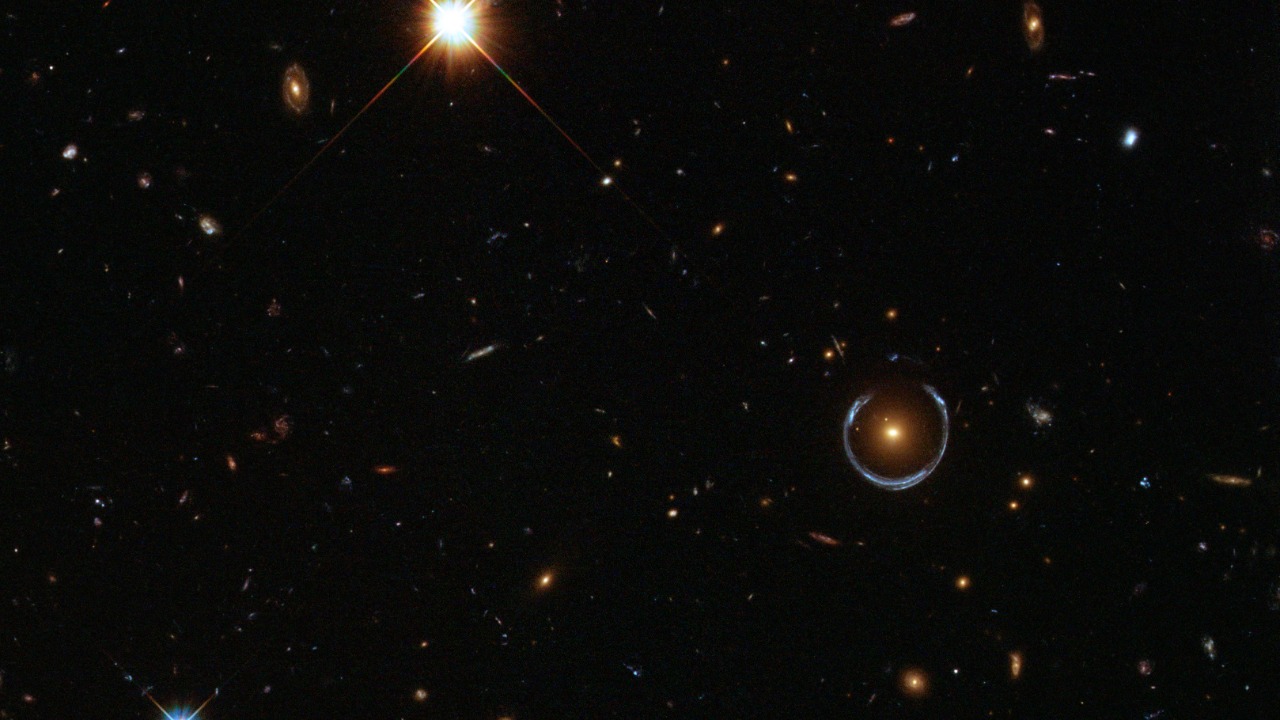
The Einstein Ring is a particular type of gravitational lensing phenomenon where the alignment of the observer, the lensing object, and the distant light source is so perfect that it creates a circular or ring-like image. This cosmic mirage is both beautiful and scientifically intriguing.
In the case of our star system, the extreme gravitational lensing has resulted in the formation of an Einstein Ring. This phenomenon’s detection has significant implications for cosmology, as it helps refine our understanding of gravity’s influence on light and the distribution of mass in the universe.
Implications and Future Research
The discovery of this star system’s extreme gravitational lensing offers a wealth of insights into the universe. It not only validates theoretical predictions of general relativity but also helps us better understand the distribution of mass in the universe, the nature of black holes, and the behavior of light in extreme gravitational fields.
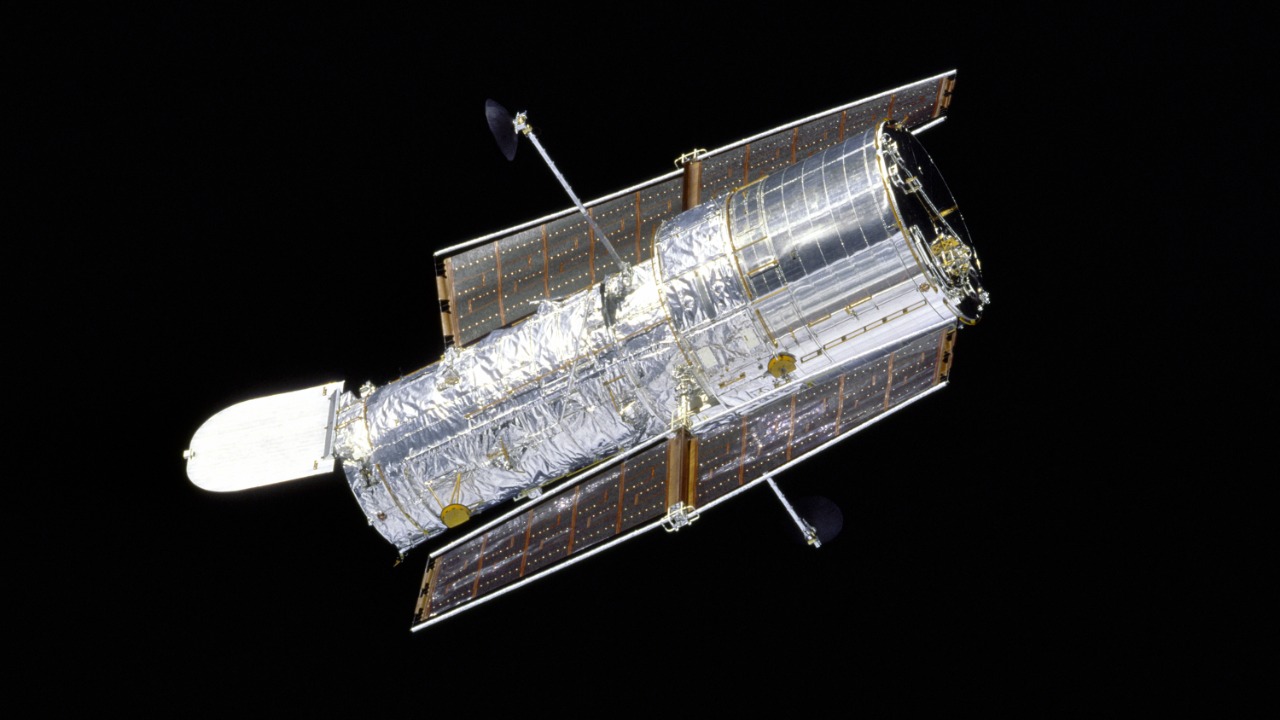
Ongoing and future research efforts promise to shed more light on these phenomena. For example, NASA’s Hubble mission has been instrumental in observing and studying gravitational lenses. Such studies, coupled with technological advancements, promise to further our understanding of gravitational lensing and its implications, revealing more about the universe’s grand design.
As we continue to explore the cosmos, discoveries like this star system’s extreme gravitational lensing remind us of the awe-inspiring complexity and beauty of the universe we inhabit. They also underscore the importance of scientific curiosity and perseverance, as we strive to unravel the mysteries of the cosmos.