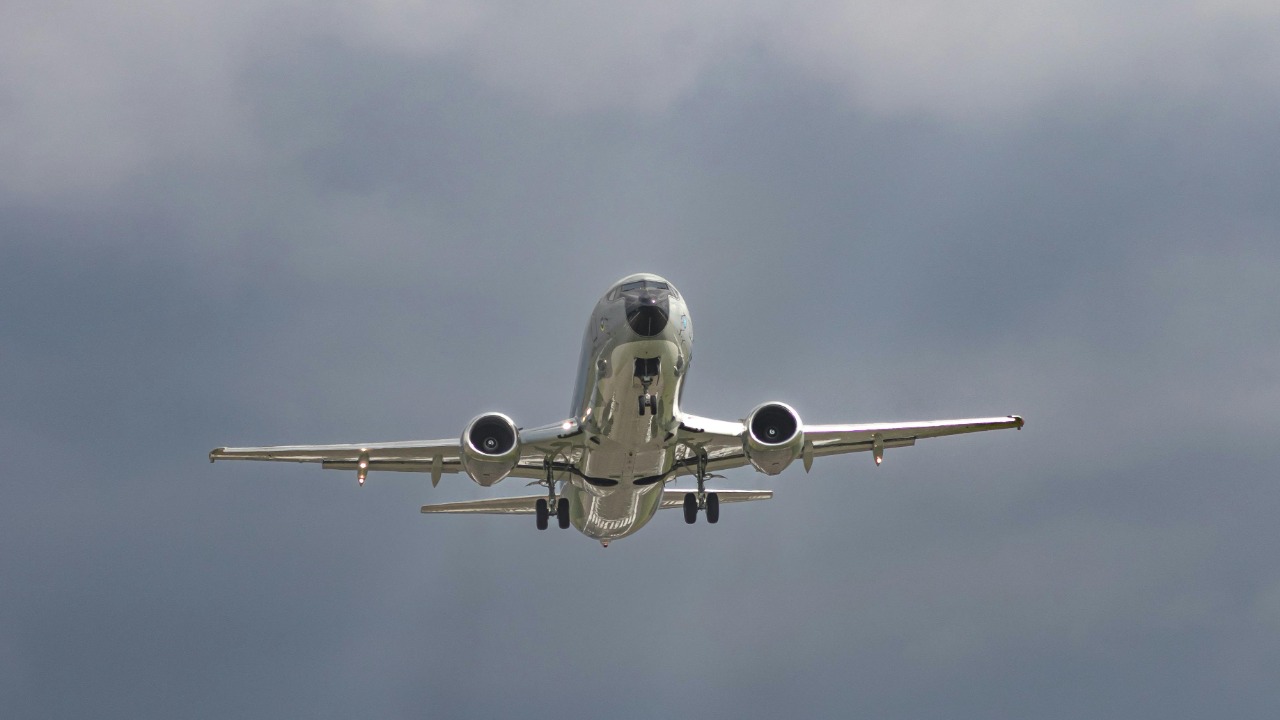

South Korea’s newest low-cost carrier is on the verge of a dramatic leap across the Pacific, with regulators in Washington giving Parata Air a tentative nod to begin flying to the United States. The move would thrust a tiny operator that only began scheduled services in late 2025 into some of the world’s most hotly contested long haul markets, linking Seoul with major West Coast gateways. If the approval is finalized, Parata Air will test whether an upstart can carve out space between deep-pocketed network airlines and established budget rivals on transpacific routes.
The tentative green light and what it covers
Parata Air has secured a preliminary decision from the U.S. Department of Transportation that would allow it to launch passenger and cargo services between South Korea and American cities, subject to a final order after the usual comment period. Reporting from By Tae and Kim in SEOUL describes the decision as a tentative approval for scheduled flights, a standard step before full authorization is granted. The same filing process is referenced in separate coverage that notes how the carrier sought authority from the U.S. Department of Transportation transpacific rights.
The tentative order clears the way for Parata Air to begin long haul services as early as March for the 2026 summer season, connecting Seoul with U.S. destinations using widebody aircraft. Regulators highlighted that the airline plans to deploy Airbus A330‑200 jets on the new routes, a detail echoed in network analysis that notes Parata Air’s intention to use Airbus A330‑200 aircraft on U.S. operations. A related summary of the agency’s reasoning notes that officials explicitly cited Parata Air’s plan to start long haul services in March for the 2026 summer schedule and confirmed that these same A330‑200s would be deployed for U.S..
A tiny carrier with big Pacific ambitions
Parata Air is not a household name even in its home market, which makes its rapid push into the United States all the more striking. The airline is a low cost carrier based at Yangyang in Gangwong Province, and it emerged from the restructuring of Fly Gangwon, which is referenced in its profile as the carrier’s former identity under the name Fly Gangwon. A separate operational update notes that the start‑up carrier began scheduled services on September 30 from its base at Yangyang, with the first commercial flight marking its debut as a new scheduled carrier in South Korea.
The brand itself is carefully chosen to project a particular image. Corporate material explains that the name PARATA AIR is derived from the Korean word for sky blue, a nod to the clear‑sky experience the airline wants to associate with its product. Industry commentary has described Parata Air as a new South Korean low cost carrier, often abbreviated as an LCC, that is positioning itself as the latest long haul budget entrant targeting the United States, with filings to the U.S. Department Of Transportation underscoring that ambition.
From first flight to U.S. filing in a matter of weeks
The speed of Parata Air’s expansion plans is unusual even in a region accustomed to aggressive low cost growth. Within weeks of operating its first commercial flight, the airline was already drawing up plans for transpacific services, a timeline highlighted in analysis that notes how quickly it moved from domestic operations to preparing trans‑Pacific flights. A separate profile of the carrier’s launch reiterates that Parata Air, identified by the code WE and based at Yangyang, only commenced scheduled operations at the end of September, underscoring how compressed its early growth phase has been since that Start date.
By late October, Parata Air had already filed an application with U.S. regulators to begin scheduled flights, a move summarized in a set of Key Takeaways that describe how the South Korean low cost airline sought authority to begin U.S. services as part of its post‑restructuring strategy. Another passage from the same coverage stresses that the South Korean low cost airline Parata Air has filed an application to start U.S. flights with an eye to adding additional routes in the future, a detail that underscores how the carrier’s leadership sees the American market as central to its long term Parata Air network.
Targeting Los Angeles and Las Vegas with a lean fleet
The initial U.S. push is focused on two high profile West Coast destinations that already see heavy traffic from Asia. Parata Air has filed to operate flights from Seoul to Los Angeles and to the resort city of Las Vegas, placing it directly into markets dominated by large incumbents and other Asian carriers. Route filings describe how the airline plans to serve these cities from Seoul using its existing widebody fleet, a strategy that aligns with broader network analysis showing that the planned U.S. routes would put Parata Air into two competitive long haul markets that already feature dense schedules, as reflected in data from OAG Schedules Anal.
Parata Air will be relying on a small but diverse fleet to make these long haul ambitions work. Fleet descriptions note that the airline operates Airbus A320‑200s on short haul services and Airbus A330‑200s on longer routes, a mix that allows it to balance regional flying with intercontinental operations using a limited number of aircraft from Airbus. Industry commentary has described Parata Air as a tiny South Korean low cost carrier, noting that many travelers have not yet heard of it and pointing out that its fleet averages 16.7 years of age, a reminder that its long haul push will depend on older jets even as it markets itself as a fresh You brand.
How Parata fits into Korea’s low cost wave
Parata Air is part of a broader surge of budget airlines in South Korea that are increasingly looking beyond regional routes to long haul opportunities. Industry profiles describe it explicitly as a South Korean low cost carrier, or LCC, that has filed applications with the U.S. For the Department Of Transportation to serve the United States, positioning it alongside other Korean budget brands that have experimented with long haul flying. One analysis introduces readers to this trend with the phrase “Meet Parata Air, South Korea’s new low cost airline that wants to fly to the US,” emphasizing that the Korean carrier is making a bold move to connect South Korea and the United States on a budget model.
Another piece of coverage reinforces this framing by again inviting readers to “Meet Parata Air, South Korea’s new low cost airline that wants to fly to the US,” and describing how the Korean low cost carrier is making a big bet on transpacific demand between Korea and the United States. A separate analysis of long haul low cost trends notes that Parata Air, described as a new South Korean low cost carrier, has filed an application with the U.S. DOT to serve the American market, underlining that it is the latest in a line of budget airlines trying to make long haul economics work from South Korean Low bases.
More from Morning Overview