
A brutal winter storm pushed the U.S. power system to its limits, and officials now say the country narrowly avoided a cascading grid failure. They credit that escape to a rapid reversal of Biden-era climate rules and a scramble to lean on coal, gas and diesel that would have been constrained just months ago. The episode has turned a technical emergency into a political flashpoint over how fast the United States can decarbonize without risking the lights going out.
At the center of the fight is a simple but uncomfortable reality: electricity demand is rising faster than planners expected, even as extreme weather grows more punishing. The snowstorm did not just bury highways, it exposed how fragile the balance has become between climate ambition and the brute need for reliable power in a deep freeze.
How a single storm exposed a fragile grid
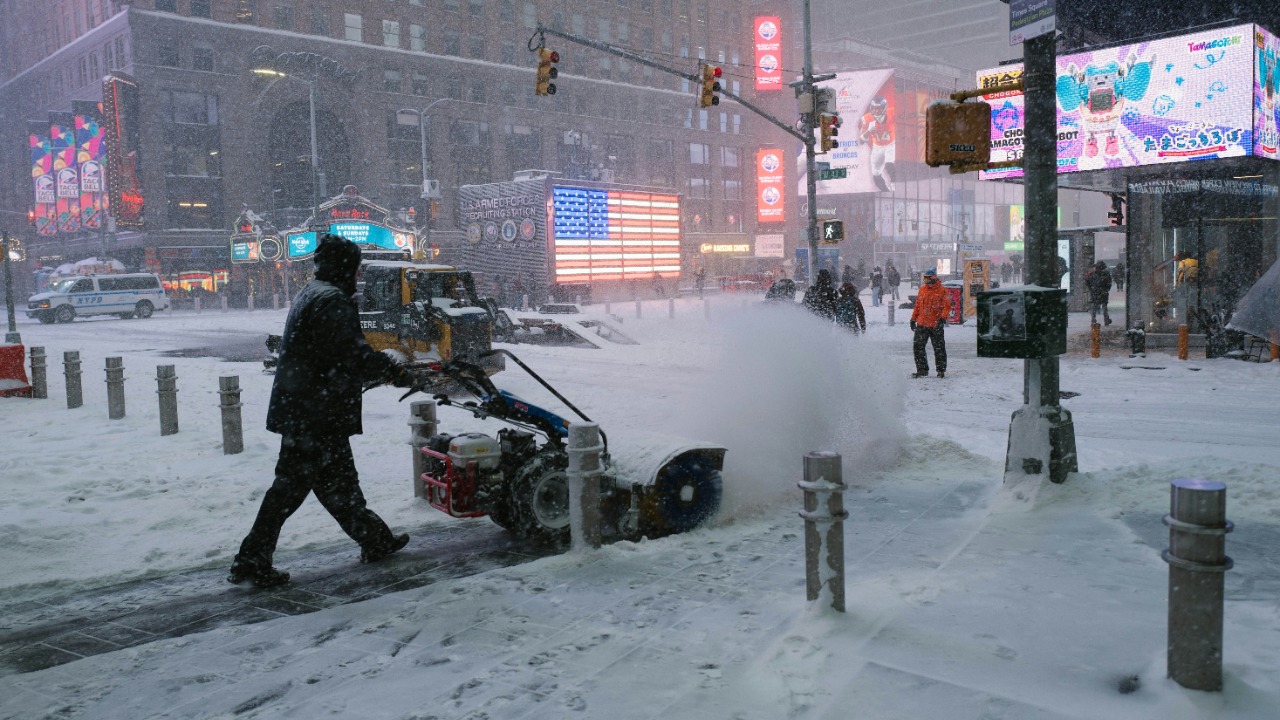
When the latest Snowstorm swept across much of the country, grid operators saw demand spike just as wind output sagged and gas infrastructure strained in the cold. According to officials who briefed reporters, the electric grid kept power flowing for most customers only because emergency steps allowed more fossil fuel generation to run than current environmental rules would normally permit. One person described the situation as a near miss, arguing that without those interventions, the system could have tipped into a wider catastrophe.
The storm hit as a broader cold snap had already settled over large parts of the United States, tightening supplies and forcing utilities to call on every available megawatt. Analysts noted that the brutal conditions revived the long running argument over whether coal and gas plants are still indispensable backstops when wind turbines ice up and solar panels are buried in snow. That debate has been sharpened by President Donald Trump’s energy team, which has framed the episode as proof that rapid climate regulation under Biden went too far, too fast, before being rolled back.
Reversing the Biden climate agenda in the name of reliability
Even before the storm, the administration had signaled that it saw Biden-era rules as a threat to grid stability. In a policy document titled PREVENTING BLACKOUTS AND REVERSING THE BIDEN energy subtraction agenda, officials argued that the previous administration’s approach had discouraged investment in firm capacity that can run through long cold snaps. They highlighted steps to keep coal and gas plants online during periods of peak demand, portraying those moves as a necessary correction rather than a retreat from long term climate goals.
Supporters of the shift say the storm vindicated that strategy. A separate statement circulated by the White House press operation claimed that the Trump administration kept five major coal plants available as part of its reliability push, and that those units, along with gas facilities, were crucial in meeting demand when temperatures plunged. Critics counter that leaning on aging coal units may buy time but deepens dependence on the very fuels driving climate change, a tension that will only intensify as more extreme weather hits.
Emergency orders, diesel generators and a pollution tradeoff
Behind the scenes, the Energy Department used rarely invoked authority to let power producers exceed normal environmental limits. In a series of emergency orders, Department of Energy allowed big generators to run harder than their air permits would usually allow, explicitly prioritizing grid stability during the extreme winter weather. A related order, described in internal summaries, gave operators flexibility to exceed emissions or other permit limitations as long as they documented the need to keep power flowing.
The same calculus played out in the data center sector, where Energy Secretary Chris authorized widespread use of diesel backup generators to ease pressure on the bulk system. Wright has publicly downplayed the pollution from those units, arguing that in an emergency they are a lesser evil than rolling blackouts. According to one account, his team pointed to a poll to suggest that most Americans would accept temporary air quality impacts if it meant avoiding outages in subfreezing conditions.
Frozen lines, coal vs wind and the politics of the cold
The storm’s physical impacts were visible from Chicago to the Mid Atlantic, where Ice accumulated on utility lines on Monday in Nashville, Tennessee, captured in photographs by Brett Carlsen. That icing, combined with heavy snow, increased the risk of local outages even as system operators fought to maintain overall balance. In some regions, wind turbines also faced icing, reducing output just when demand for electric heat and gas furnaces surged.
The weather shock landed in the middle of a fierce political argument over the role of coal and wind in keeping people safe. Commentators sympathetic to the administration have pointed to the cold spell as evidence that dispatchable coal and gas remain essential, while others argue that better winterization and more transmission could allow renewables to perform more reliably. One analysis of the cold snap noted that the brutal conditions tested electric grids like never before and reignited the debate over whether a rapid shift to wind can keep Americans safe through a storm, a point that has been amplified in Jan commentary.
What watchdogs and analysts say about the next storm
While politicians trade blame, grid experts are focused on a more structural problem. A recent reliability assessment warned that electricity demand in North America is quickly outpacing supply, driven by data centers, electrification and population growth. The watchdog concluded that without significant new investment in generation and transmission, more regions will face tight conditions during both winter cold snaps and summer heat waves. That finding suggests the recent storm was not an outlier but an early warning of a system running closer to the edge.
Independent analysts have also highlighted how extreme cold affects both sides of the energy equation. One review of January’s weather noted that Winter Storms Are Electric Grid because extreme cold weather also affects fuel supplies, from frozen coal piles to constrained gas pipelines, just as demand remains high. The United States, that analysis argued, is entering a period where planning for such compound stresses is no longer optional but central to energy policy.
More from Morning Overview