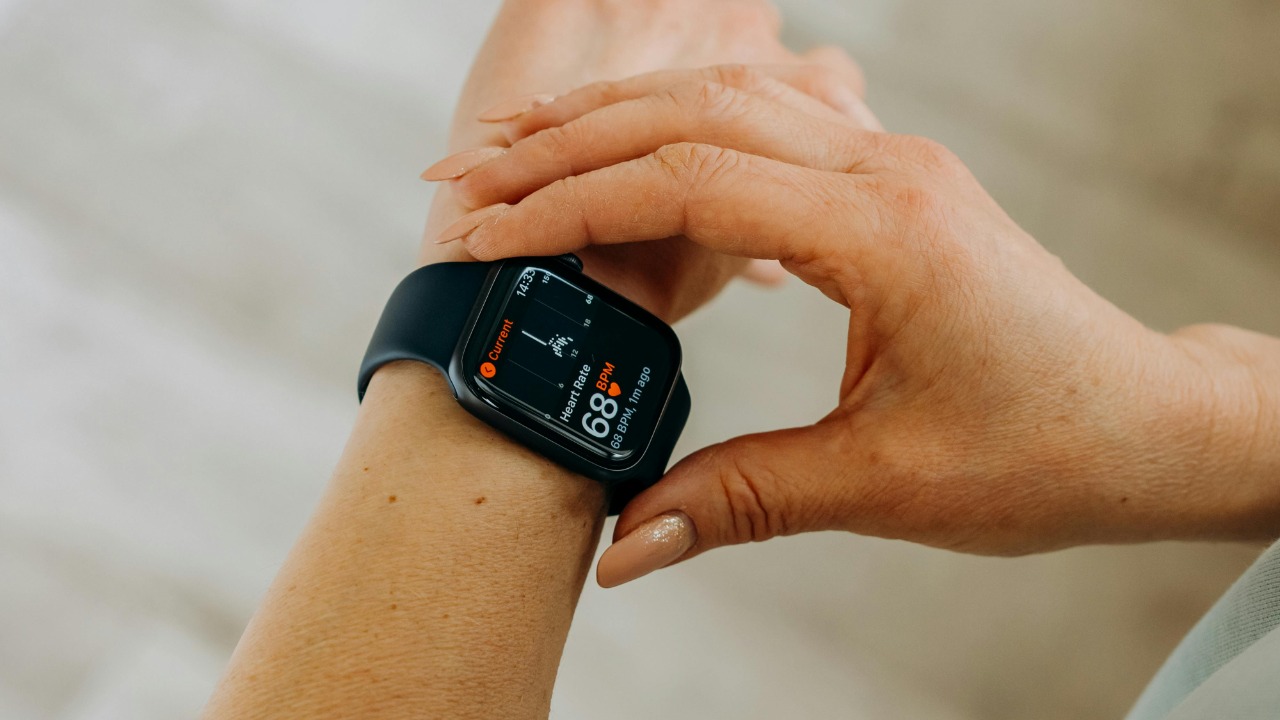

Smartwatch makers promise to turn your wrist into a sleep lab, translating tiny movements and heart rate blips into colorful charts of deep, light, and REM sleep. The pitch is seductive: better data, better rest, better health. The reality is more complicated, because these devices are very good at some parts of sleep tracking and surprisingly shaky at others.
As I sift through the latest research and real‑world experiences, a pattern emerges. Smartwatches can reliably sketch the broad outline of your nights, but they still struggle to match clinical tools when it comes to sleep stages and medical diagnoses. The smart move is not to ditch them, but to understand exactly what they can and cannot tell you.
How smartwatches actually track your sleep
At the core of every modern sleep‑tracking watch is a cluster of tiny hardware components that try to infer what your brain is doing without ever touching your brain. Most devices rely on an optical heart rate sensor plus an accelerometer that measures movement, sometimes joined by a gyroscope and skin temperature readings. The watch’s algorithms look for patterns, such as a drop in heart rate and reduced motion, to decide when you fell asleep and when you woke up, then layer on more assumptions to label segments as light, deep, or REM sleep.
That basic recipe is consistent across brands, from mainstream smartwatches to dedicated trackers. Guides that explain How Do Smartwatches Know When You are Sleeping emphasize that Movement and heart rate are the primary clues, with Smartwatches using them as a kind of aerial view of your night rather than a microscope. A sleep scientist who breaks down how trackers work describes this as a form of indirect measurement, useful for the basics but inherently limited compared with brainwave recordings.
The gold standard they are trying to imitate
To judge whether a smartwatch is “accurate,” I have to compare it with what sleep doctors actually use. In a clinical lab, the reference tool is polysomnography, a full‑blown sleep study that wires you up with electrodes on the scalp to record brainwaves, sensors near the eyes to track eye movements, belts around the chest and abdomen to monitor breathing, and clips on the fingers to measure oxygen levels. That setup directly measures the signals that define sleep stages, which is why specialists still treat it as the gold standard.
Researchers who study consumer devices repeatedly stress this gap. A sleep scientist explaining the gold standard of sleep notes that trackers are essentially guessing stages from surface signals, while polysomnography reads the brain directly. Medical centers that answer the question Sleep Trackers How Accurate Are They Really point out that while wearables can flag patterns that lead to poor sleep, they do not replace a formal overnight study when a disorder is suspected.
What the lab data says about smartwatch accuracy
When researchers bring wearables into the lab, the results are nuanced. In one inpatient study, Thirty five adults without diagnosed sleep disorders wore three commercial devices for a single night while hooked up to polysomnography. The investigators reported that the trackers were reasonably good at estimating total sleep time and sleep efficiency, but their ability to classify specific stages like REM and deep sleep varied widely between brands and often deviated from the clinical record by more than 50 minutes.
Another evaluation enrolled 75 participants at a tertiary hospital and a primary sleep‑specialized clinic in Korea, comparing 11 different wearable, nearable, and “airable” consumer devices with lab data. Across the two centers, the devices again did better at distinguishing sleep from wake than at nailing down REM or light sleep, with some products overestimating restorative stages and underestimating wakefulness after sleep onset.
Stage tracking: where things get messy
Stage breakdowns are the part of the app that look the most scientific, with stacked bar charts of light, deep, and REM sleep, but they are also the least reliable. In a comparison of five commercial devices against polysomnography, researchers found that The Oura Ring consistently underestimated light sleep of any duration, a reminder that even high‑end trackers can misclassify large chunks of the night. Reviews that ask whether Are Sleep Trackers Accurate echo this, noting that while total Sleep duration is often close, the finer‑grained stage data can be off by enough to mislead.
Independent analysts who rank the “best wearables for sleep” lean heavily on published studies, highlighting that even top performers are still approximating REM and deep sleep from heart rate variability and movement rather than measuring brainwaves directly. One such breakdown released in Oct walks through scientific literature before naming winners, underscoring that the rankings are relative and that no consumer device yet matches a lab hypnogram. Clinical blogs that discuss Quick Summary findings stress that the sleep stage data from Modern trackers like Fitbit and Apple Watch are built on heart rate and movement as substitutes for brain activity, which is why they should be read as estimates rather than precise diagnostics.
What doctors and sleep scientists say they are good for
When I talk to clinicians, a consistent message emerges: smartwatches are helpful for big‑picture trends, not fine‑print interpretation. Medical guidance that asks whether trackers are worth it concludes that they can reliably show when you are going to bed, how long you stay in bed, and whether your nights are fragmented, which covers “the basics of your sleep” but not the detailed architecture. A sleep scientist writing in Jun emphasizes that these devices are best used as coaching tools to nudge earlier bedtimes or more consistent schedules, not as self‑diagnosis engines.
Hospital sleep programs that field questions about consumer gadgets often strike a similar balance. One explainer that asks So, are sleep trackers even useful concludes that they can highlight habits that lead to poor sleep, such as late‑night screen time or irregular schedules, and can motivate behavior change. Consumer guides that review the best sleep trackers of 2025 echo that message, noting that Technology can provide meaningful data but is not perfectly accurate, so users should focus on trends over weeks rather than obsessing over single‑night fluctuations.
Where smartwatches fall short, especially on disorders
The biggest limitation is that consumer devices are not medical instruments, even when they flirt with clinical territory. Sleep clinics that evaluate wearables for apnea screening stress that Smartwatch Limitations are significant: While smartwatches help people realize they may have sleep apnea, the technology does not provide an accurate diagnosis. That is because apnea scoring depends on airflow, respiratory effort, and oxygen saturation patterns that wrist devices only approximate, if they measure them at all.
Specialists who work in comprehensive sleep centers are even more blunt. One clinical practice that evaluates consumer gadgets notes that Smartwatches are Great for Sleep Tracking But Not for Diagnosing Sleep Disorders, and that anyone with loud snoring, gasping, or severe daytime sleepiness should seek a formal evaluation regardless of what their watch shows. Even consumer‑friendly explainers that ask Do Sleep Trackers Really Work advise readers to treat the data as a prompt to talk to a doctor if something looks off, not as a verdict on whether a problem exists.
The psychological side: when tracking helps and when it harms
Even when the numbers are reasonably accurate, how you react to them matters. Some people find that seeing their sleep duration and consistency plotted over time nudges them toward healthier routines, like setting a regular bedtime or cutting late caffeine. Medical blogs that ask whether trackers are worth it note that they can be a useful accountability tool for people who otherwise underestimate how little they sleep, especially when combined with coaching features in apps.
For others, the constant scoring can backfire. Sleep experts warn about “sleep anxiety,” the feeling that you have a 5 a.m. flight every morning, which can be worsened by nightly grades. A detailed review of consumer devices points out that if you already struggle with this kind of worry, tracking can exacerbate anxiety, and suggests that some people may want to avoid sleep trackers altogether for that reason, a concern echoed in sleep anxiety guidance. Public health reporting on Measuring REM and non‑REM sleep also highlights that obsessing over nightly stage percentages can lead to more disrupted sleep, especially when people chase “perfect” REM targets that their devices are not precise enough to deliver.
What everyday users are actually seeing on their wrists
Outside the lab, user experiences are remarkably consistent: the data feels useful, but nobody believes it is flawless. In one Comments Section devoted to Garmin watches, a user named Tahor sums it up neatly: Yeah, it is definitely not 100% accurate, but it gives some kind of insight into how the night went. That mix of skepticism and appreciation is common among people who have worn devices for months and learned to correlate the graphs with how they feel.
Journalists who have lived with trackers for extended periods report similar patterns. One writer who asked Does My Smartwatch Sleep Tracker Actually Do Anything found that the nightly scores often matched subjective grogginess, but the precise breakdown of REM versus deep sleep felt more like a curiosity than a medical metric. Consumer reviews of devices like the Garmin Vivoactive 5 Smartwatch highlight features such as “Know the real you,” but users quickly learn that “real you” means trend lines and coaching prompts, not lab‑grade diagnostics.
How to use sleep tracking data wisely
Given all of this, the smartest way to treat your watch is as a rough sketch of your nights, not a verdict on your health. I recommend focusing on three metrics: what time you usually fall asleep, how long you stay asleep, and how often you wake up. If your device shows that you are consistently getting less than seven hours, or that your nights are fragmented with frequent awakenings, that is actionable information even if the exact REM percentage is off. Medical advice that asks Still skeptical about trackers often lands on this same point: use them to spot habits that lead to poor sleep, then change the habits.
It also helps to pick devices and apps that emphasize coaching over raw numbers. Some trackers now integrate with platforms that suggest earlier wind‑down times, dimming lights, or breathing exercises based on your patterns. Consumer guides that rank the best sleep trackers and explain More Than Just Movement highlight that the most helpful products translate data into simple recommendations rather than drowning you in charts. If you find yourself spiraling over nightly scores, experts who answer What these devices really track suggest taking breaks from monitoring or turning off stage breakdowns altogether.
When to trust your watch, and when to call a doctor
In the end, the accuracy question is less about a single number and more about knowing where the line is. I trust my watch to tell me whether I went to bed at midnight or 2 a.m., and whether I slept six hours or eight. I do not trust it to tell me whether I have insomnia, apnea, or restless legs, or to decide whether I need treatment. Clinical guidance that frames smartwatches as helpful but not diagnostic, such as the reminder that they are But Not for Diagnosing Sleep Disorders, is a useful rule of thumb.
If your watch flags very short sleep, frequent awakenings, or irregular breathing patterns, treat that as a prompt, not a diagnosis. Public health explainers on Wearables note that these devices can be a valuable first alert that something is off, especially for people who would not otherwise seek care. At that point, the next step is not to buy another tracker, but to talk with a clinician who can order proper testing. And if you are shopping for a device, remember that glossy marketing for products like the Vivoactive or other models you might find through a quick product search is selling motivation and convenience, not a replacement for a sleep lab.
More from MorningOverview