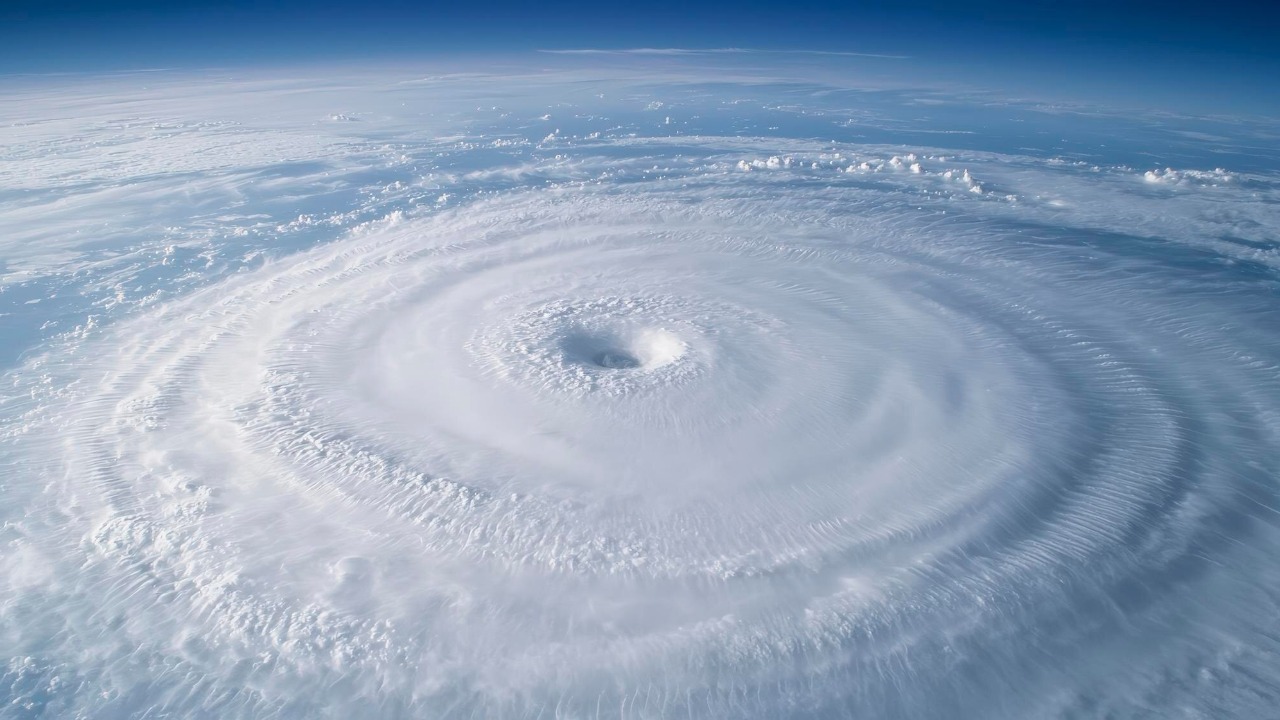

A vast pool of Arctic air is again spilling south, the kind of outbreak that can turn highways into morguish car lots and knock out power for days. As the polar vortex becomes a recurring villain in American winters, the federal government is simultaneously pulling back money for the very science and resilience programs that help the country see these events coming and survive them when they hit. If that retreat continues, the United States could find itself exposed to deadly cold with weaker forecasts, thinner safety nets, and fewer tools to rebuild.
The danger is not abstract. Researchers are warning that the same climate forces heating oceans and supercharging hurricanes are also reshaping the jet stream in ways that can drag frigid air much farther south than it used to travel. At the same time, President Donald Trump’s administration is cutting climate and weather budgets, sidelining data, and slowing resilience investments, even as the cost of extreme weather climbs. I see a widening gap between the scale of the threat and the resources left to manage it.
Polar vortex basics and a changing winter threat
The polar vortex is not a single storm but a high altitude circulation of frigid air that usually swirls around the Arctic, contained by the jet stream. When that circulation weakens or splits, lobes of brutally cold air can plunge into North America, driving wind chills to life threatening levels and turning routine snowstorms into crises. Federal forecasters describe how these outbreaks can trigger frostbite in minutes, overwhelm heating systems, and strain power grids, especially when people are not prepared for the speed or severity of the temperature drop, a risk detailed in official polar vortex safety guidance.
Scientists are still untangling how a warming planet is influencing these winter extremes, but they are clear that the relationship is complex and consequential. Reporting on current research explains that as the Arctic warms faster than mid latitudes, the temperature contrast that helps stabilize the jet stream can weaken, making it more prone to the kind of wobbles that send Arctic air south. One recent analysis notes that the storm now bearing down on the central United States is “very large” and particularly dangerous because a frigid mass of air known as a polar vortex will linger for days, a pattern that researchers are racing to understand using new models and long term climate records, as described in coverage from Jan and a companion explainer that lays out “Here’s what we know” about the link between climate change and winter storms in more detail from Here.
Climate science cuts and the blind spots they create
Against that backdrop, the Trump administration is shrinking the very federal climate infrastructure that tracks and explains these extremes. The National Oceanic and Atmospheric Administration, the agency that runs the nation’s weather satellites and many climate datasets, has stopped tracking the cost of climate change fueled disasters, including the overall losses from individual events. That decision, documented in an analysis of how National Oceanic and changed its reporting, removes a key yardstick that policymakers and the public used to understand how fast the financial toll of extreme weather is rising.
The retreat is not limited to accounting. Many of the scientists who study the jet stream and polar vortex are employed directly by federal agencies, including NASA and the National Oceanic and Atmospheric Administration, and their work is now under a “comprehensive review” as climate programs are targeted for cuts. Reporting on these internal shifts notes that “Many of the” researchers whose models help predict when Arctic air will spill south are facing uncertainty about their funding and missions, a risk laid out in coverage of how Many of the federal science teams are being reassessed just as their insights are most needed.
Weaker monitoring, shakier forecasts
Forecast skill depends on more than a few supercomputers in Maryland. It rests on a sprawling network of satellites, radar, ocean buoys, and upper air observations that feed into models, along with the staff and maintenance budgets that keep that network running. Climate and weather experts have already raised alarms that changes in funding at NOAA could erode this backbone, warning that gaps in satellite coverage or aging instruments would make it harder to track fast evolving systems, from atmospheric rivers to Arctic outbreaks, a concern highlighted in a segment on Funding changes that focused on San Diego County and featured chief meteorologist Carlen Ch explaining how reduced monitoring could leave forecasters with less lead time.
Those worries are echoed in broader warnings that federal budget cuts pose a risk to weather forecasting systems nationwide. One detailed discussion of hurricane prediction points out that every Category 5 storm to hit the United States was still classified as a tropical storm or weaker just three days before landfall, and that the “big ones” that cause the most damage often intensify quickly near the coast. The same dynamic applies to winter storms that can deepen rapidly as they tap into Arctic air, and experts caution that any degradation in models or data could shave precious hours off warnings, as argued in a briefing on how US federal budget decisions are putting forecasting systems under strain.
Rising disaster costs and a retreat from resilience
Even as the federal government tracks less, the price tag of climate amplified disasters is climbing. An analysis of what canceled climate data would have shown concludes that the first six months of 2025 were the costliest on record for weather disasters in the United States, with extreme events piling up losses faster than in any previous half year. That assessment, which reconstructs the missing numbers to show What the discontinued NOAA reports would have revealed, underscores how out of step it is to cut climate programs just as the financial damage from heat, floods, and winter storms is accelerating.
At the same time, the Trump administration’s broader “war on climate” is constraining the tools communities use to prepare. The Federal Emergency Management Agency has historically made headlines for disaster response, but in recent years it also spent billions helping cities and states harden infrastructure and move people out of harm’s way. New reporting shows that under President Trump, The Federal Emergency Management Agency has slowed or halted new approvals for resilience projects, even as it remains responsible for disaster response and recovery, a shift detailed in an assessment of how Federal Emergency Management is being steered away from proactive climate work. That leaves communities more exposed when a polar outbreak knocks out power or freezes water systems, and then more dependent on emergency aid after the fact, which is exactly the expensive cycle resilience spending is meant to break.
States step up as federal support recedes
With Washington backpedaling, state and local governments are trying to fill the gap, but their resources are limited. Across the country, legislatures and city councils are still passing climate resilience laws, updating building codes, and planning for more frequent extremes, including severe winter storms. One overview notes that, while the Trump administration has pulled back, states and municipalities are still planning for climate impacts and using more flexible federal funding such as BRIC to support resilience, even though these programs have not been without controversy, a tension captured in reporting that describes how While BRIC has increased spending, it has also raised questions about equity and access.
More from Morning Overview