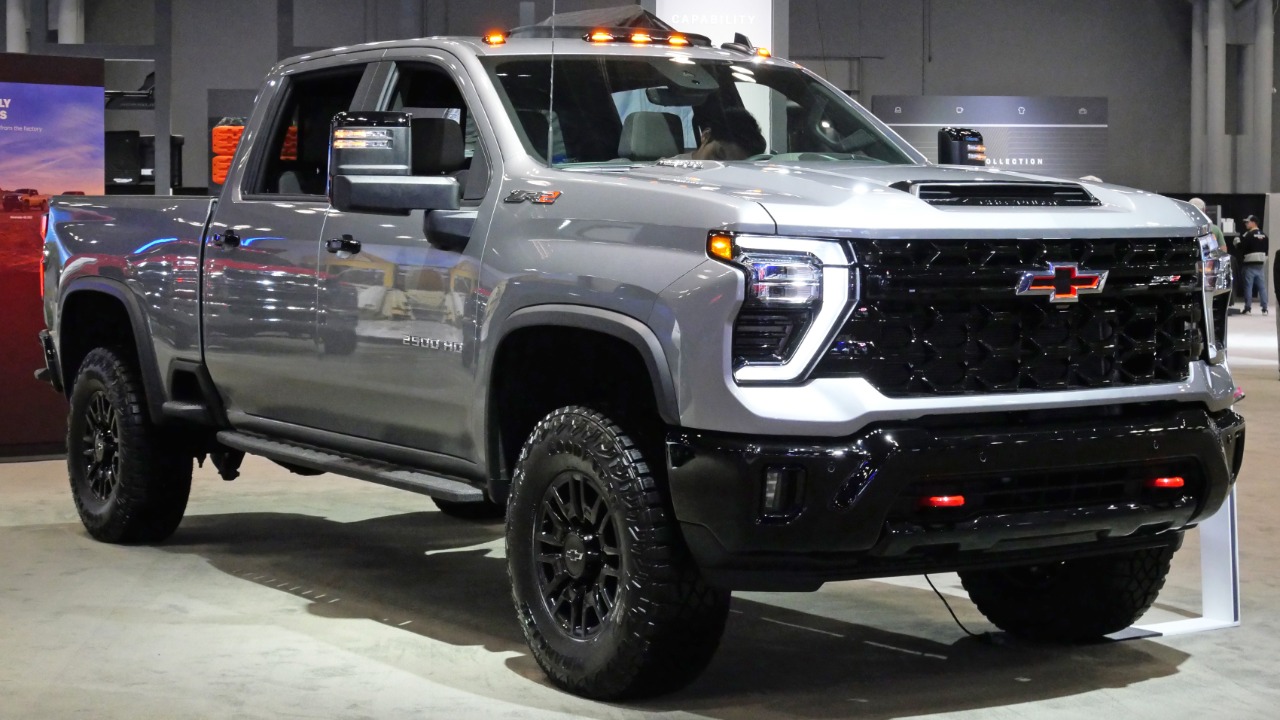

The Chevrolet Silverado ZR2 is one of the most visually aggressive full-size pickups on sale, with factory hardware that looks ready for a desert race. Yet once I dug into real-world impressions, pricing, and yearlong ownership reports, a pattern emerged: the ZR2’s image and capability are impressive, but many buyers would be better served by a cheaper Silverado trim that borrows only the upgrades they will actually use.
Instead of treating the ZR2 as the default “best” Silverado, I looked at how it drives, what it costs to run, and how owners live with it every day. The result is a clearer picture of who truly needs the full off-road package, and where a more modest configuration can deliver the same core truck experience for thousands less.
ZR2’s wild styling sets expectations sky high
The ZR2’s appeal starts with its stance. Factory lift, chunky tires, and a unique front bumper give it a purpose-built look that instantly separates it from work-truck and LT trims. Dealer walkarounds highlight the distinctive grille, blacked-out details, and off-road fascia that frame the ZR2 as the “halo” Silverado, a truck that looks as if it rolled straight out of a concept studio and onto the lot, as shown in one detailed ZR2 exterior overview. That visual drama is a big part of why shoppers gravitate to it before they ever ask about payload or fuel economy.
On video, the truck’s presence is even more pronounced. Close-up tours linger on the hood treatment, the aggressive wheel and tire package, and the unique front end that improves approach angle while signaling that this is not a basic half-ton. One in-depth walkaround and driving review underscores how the styling primes buyers to expect a premium, almost luxury off-road experience. That expectation matters, because it shapes how owners later judge the compromises that come with such a focused package.
Serious off-road hardware, but more than many owners will ever use
Under the sheet metal, the ZR2 backs up its looks with real hardware. Factory off-road suspension, specialized dampers, and locking differentials are designed to keep the truck composed when the pavement ends. Dealer materials emphasize the unique front bumper cutouts, skid plates, and off-road tuned components that separate the ZR2 from more conventional Silverado trims, positioning it as a turn-key trail machine in showroom descriptions like the detailed ZR2 feature breakdown. On paper, it is a compelling package for drivers who regularly tackle rutted tracks or rocky climbs.
Extended testing backs up that capability. A yearlong evaluation of a Silverado 1500 ZR2 with the Duramax diesel engine describes how the suspension and off-road tuning handle rough surfaces while still serving daily-driver duty, with the long-term verdict weighing both trail performance and everyday practicality in a comprehensive ownership review. The takeaway is clear: the ZR2 can do what its styling promises, but the full breadth of that capability is only relevant if owners actually use it, rather than spending most of their time on highways and in parking lots.
On-road manners: comfortable, but not always the best daily value
For many buyers, the ZR2 will spend most of its life on pavement, where its specialized setup brings both strengths and trade-offs. Test drives describe a ride that is impressively composed for a lifted, off-road-focused truck, with the suspension soaking up broken pavement and expansion joints better than some stiffer sport packages. One driver who finally sampled a 2022 Silverado ZR2 noted how the truck felt refined and capable in everyday use, sharing impressions of steering feel, ride quality, and cabin comfort in a detailed test-drive writeup. That kind of feedback suggests the ZR2 is not a punishing daily driver, even if it sits higher and rides on more aggressive tires than a standard half-ton.
Video reviews echo that balance, showing the ZR2 cruising at highway speeds with a calm demeanor while still feeling ready to pivot to a dirt road at a moment’s notice. One on-road and light off-road review walks through how the truck accelerates, brakes, and tracks on the freeway, then transitions to mild trail use to demonstrate the suspension’s range, as seen in a mixed-use driving impression. The result is a truck that can absolutely function as a comfortable commuter, but the question becomes whether buyers need to pay for the full off-road suite to get that level of comfort, or if a less extreme trim with upgraded shocks and tires could deliver similar daily satisfaction for less money.
Ownership stories reveal where the ZR2 shines and where it strains budgets
Long-term owners provide the clearest window into how the ZR2 fits into real lives. One detailed personal account describes a driver who genuinely loves the truck’s capability and character, yet is candid about the anxiety that comes with owning such a desirable, high-dollar pickup. In that reflection, the owner talks about appreciating the ZR2’s strengths while also acknowledging that its value and visibility can make it a target, a tension laid out in a thoughtful ownership essay. That kind of experience highlights a hidden cost: the mental load of parking and insuring a flagship off-road model in crowded cities or unsecured lots.
Other owners and reviewers focus more on the day-to-day running costs and practicality. Over a year of use, the Duramax-equipped ZR2’s fuel economy, maintenance needs, and tire wear become part of the value equation, as detailed in the same long-term Duramax ZR2 verdict. When those numbers are stacked against what a less specialized Silverado trim can deliver, the premium for the ZR2’s hardware and image looks harder to justify for drivers who rarely leave the pavement. In that context, a more modest trim with a strong engine and a few targeted upgrades can feel like a smarter financial decision without sacrificing core capability.
Test drives and real-world footage show how much capability typical buyers actually use
Watching how reviewers and owners actually drive the ZR2 helps separate fantasy from reality. In many test-drive videos, the truck spends most of its time on suburban streets, highways, and light gravel, with only brief forays into more challenging terrain. One detailed video review walks through the truck’s behavior in traffic, on ramps, and on mild dirt roads, illustrating that the ZR2’s full suite of off-road features is rarely pushed to its limits in typical use, as seen in a comprehensive on-road review. That pattern suggests that a large share of buyers are paying for headroom they will almost never tap.
Short-form clips reinforce that point by focusing on the ZR2’s looks and lifestyle appeal rather than hardcore trail abuse. One widely shared reel shows the truck posed in scenic settings, emphasizing its stance, wheels, and presence more than its rock-crawling prowess, as highlighted in a stylish ZR2 social video. When the camera lingers on the design and the soundtrack rather than the suspension at full flex, it underlines how much of the ZR2’s draw is emotional. For buyers who mainly want that image, a lower trim with appearance upgrades and a mild lift can deliver a similar vibe without the full ZR2 price tag.
Where a cheaper Silverado trim makes more sense
Once the ZR2’s real-world usage is clear, the case for a more affordable trim becomes stronger. Many of the qualities that make the Silverado appealing, such as a comfortable cabin, strong towing capability, and modern tech, are available across the lineup. A well-equipped LT or similar trim can be optioned with a capable engine, four-wheel drive, and upgraded suspension components, giving buyers the core truck they need without paying for specialized off-road hardware they will rarely engage. That approach aligns with the experiences of drivers who test the ZR2, appreciate its strengths, and then realize that a less extreme configuration would cover their actual needs, as reflected in the candid impressions from the 2022 ZR2 test drive.
For shoppers who still want some off-road flavor, targeted modifications can bridge the gap. A modest lift, all-terrain tires, and skid plates can be added to a mid-level Silverado for far less than the price difference to a factory ZR2, while still preserving better fuel economy and lower replacement costs for consumables like tires. Video reviews that compare the ZR2’s behavior to more conventional Silverados show that, in everyday driving, the gap in comfort and confidence is smaller than the styling suggests, as seen in mixed-use footage like the on- and off-road comparison. For many buyers, that makes a strong case for starting with a cheaper trim and upgrading only the pieces that match their actual driving.
Who should still buy the ZR2, and how to decide
None of this means the ZR2 is a bad truck. For drivers who regularly tackle challenging trails, who want factory-engineered hardware with warranty coverage, and who value having the most capable off-road Silverado straight from the showroom, it remains a compelling choice. Detailed dealer breakdowns of its unique suspension, bumpers, and protective hardware, such as the comprehensive ZR2 feature overview, make clear that this is not just an appearance package. If those features match how a buyer actually uses a truck, the premium can be justified.
The key is to be brutally honest about how and where the truck will be driven. If most miles are spent commuting, hauling light loads, and taking occasional dirt roads, then a more affordable Silverado trim with selective upgrades is likely the smarter financial move. For those who still crave the ZR2’s presence, watching detailed walkarounds and trail runs, such as the in-depth ZR2 driving review, can help clarify whether the full package is truly necessary or simply desirable. In a market where full-size trucks are already expensive, that distinction can be the difference between a purchase that stretches a budget and one that delivers capability and comfort without overpaying for unused potential.
More from MorningOverview