
Antarctica, often seen as a desolate land of ice, has proven to be a treasure trove of scientific discovery. The recent unearthing of an expansive cave system beneath the icy surface has thrown open new realms for exploration and research, painting a far more complex picture of this icy continent.
Discovering the Hidden Caverns
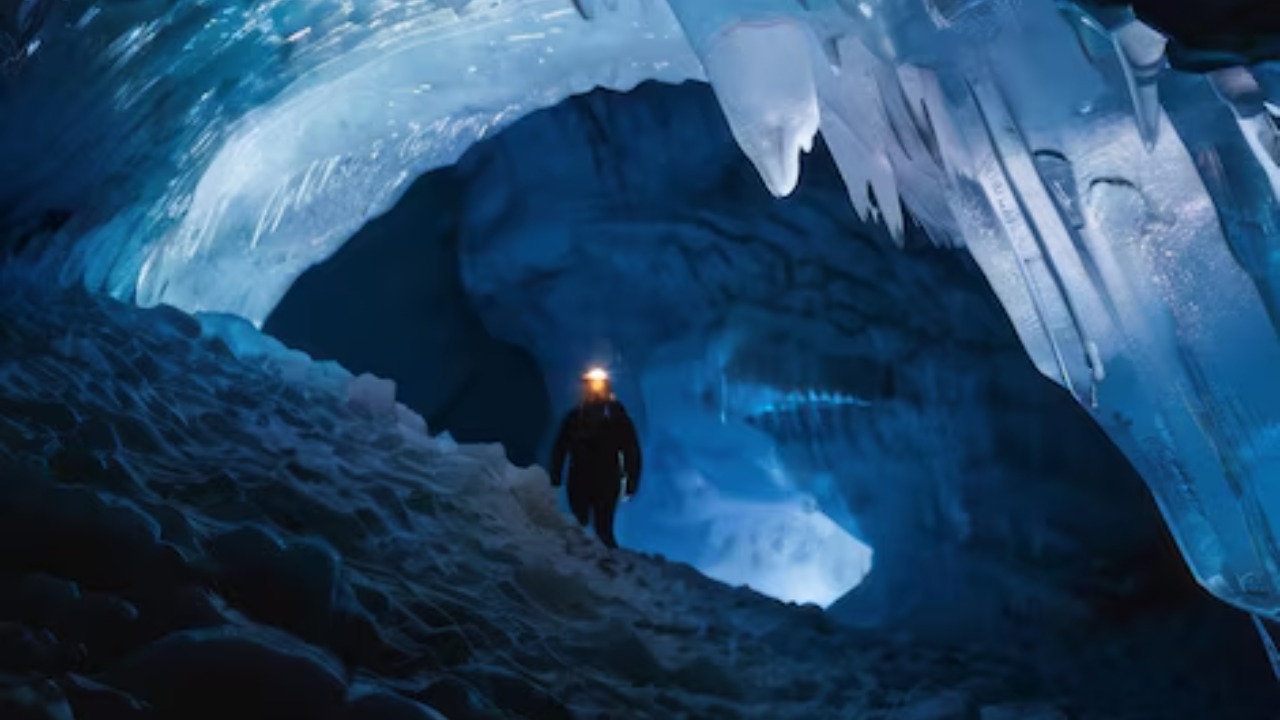
The discovery of this subterranean labyrinth was made possible through a combination of advanced imaging technologies and rigorous fieldwork. Satellite-based remote sensing and ground penetrating radar were instrumental in revealing the vast network of caves. The scientists also braved harsh weather conditions, navigating icy terrains and treacherous crevasses to validate the findings.
The cave system, as per the initial surveys, spans several kilometers, with some cavities large enough to house whole city blocks. The exploration process was not without its hurdles. The extreme cold, unstable ice formations, and the threat of sudden shifts in the ice posed significant challenges to the team.
Life Beneath the Ice

The caves opened up the possibility of the existence of unique ecosystems thriving in the extreme conditions. The caves, shielded from the harsh surface weather, maintain stable temperatures that could support microbial life. Detailed studies are in progress to identify potential life forms, a task made difficult by the scarcity of light and nutrients in the caves. A promising example is the finding of microbial mats in one of the caves, as reported by Science News.
The discovery could redefine our understanding of life’s adaptability. If life indeed exists in these caves, it would be a testament to life’s resilience, thriving in conditions once thought inhospitable. It also offers insights into how life might adapt and survive in extreme environments, both on Earth and beyond.
The Geological Formation of the Caves
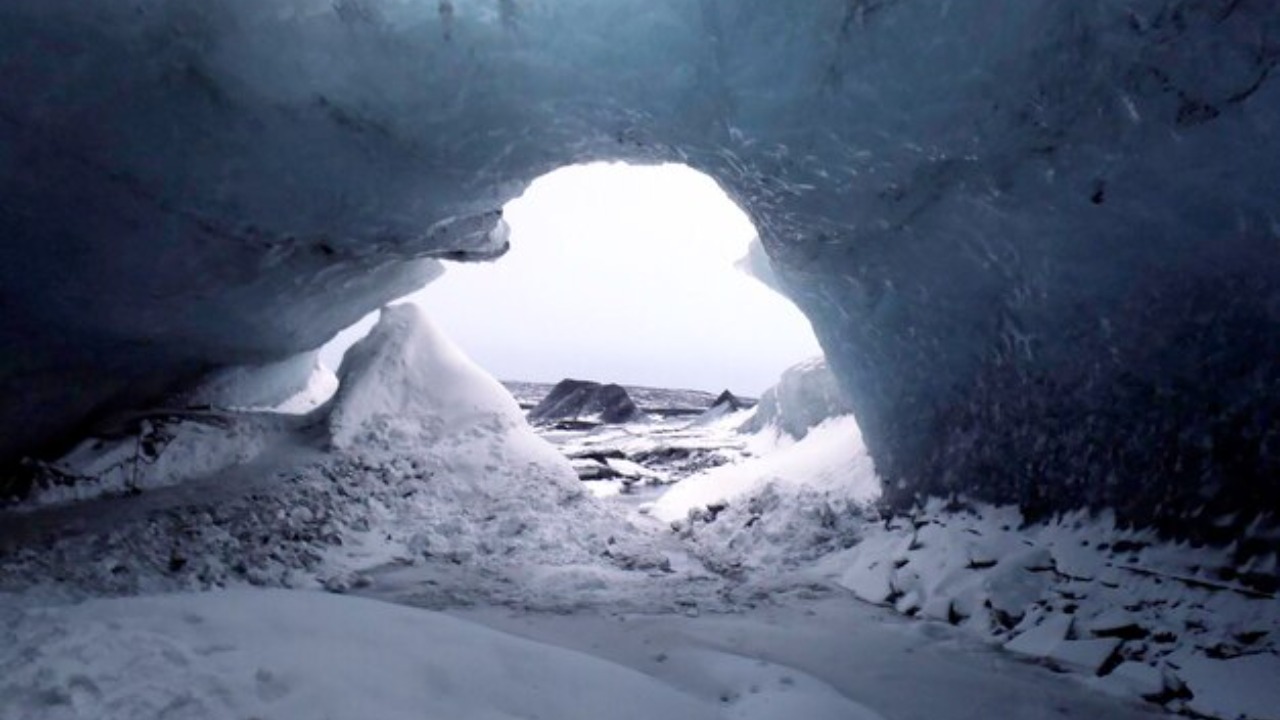
The formation of these caves can be attributed to the complex geological processes that have shaped Antarctica over millions of years. The constant movement of glaciers and the geothermal heat from the Earth’s interior have played substantial roles in their creation. Analyses suggest that these caves could be thousands, if not millions, of years old, offering a unique glimpse into the geological history of Antarctica.
Inside these caves, scientists have found a multitude of unique geological features. From intricate ice formations to mineral-rich deposits, these features provide a wealth of information about the continent’s past. A detailed exploration of these features has been discussed in a Science Direct article.
The Impact on Climate Studies
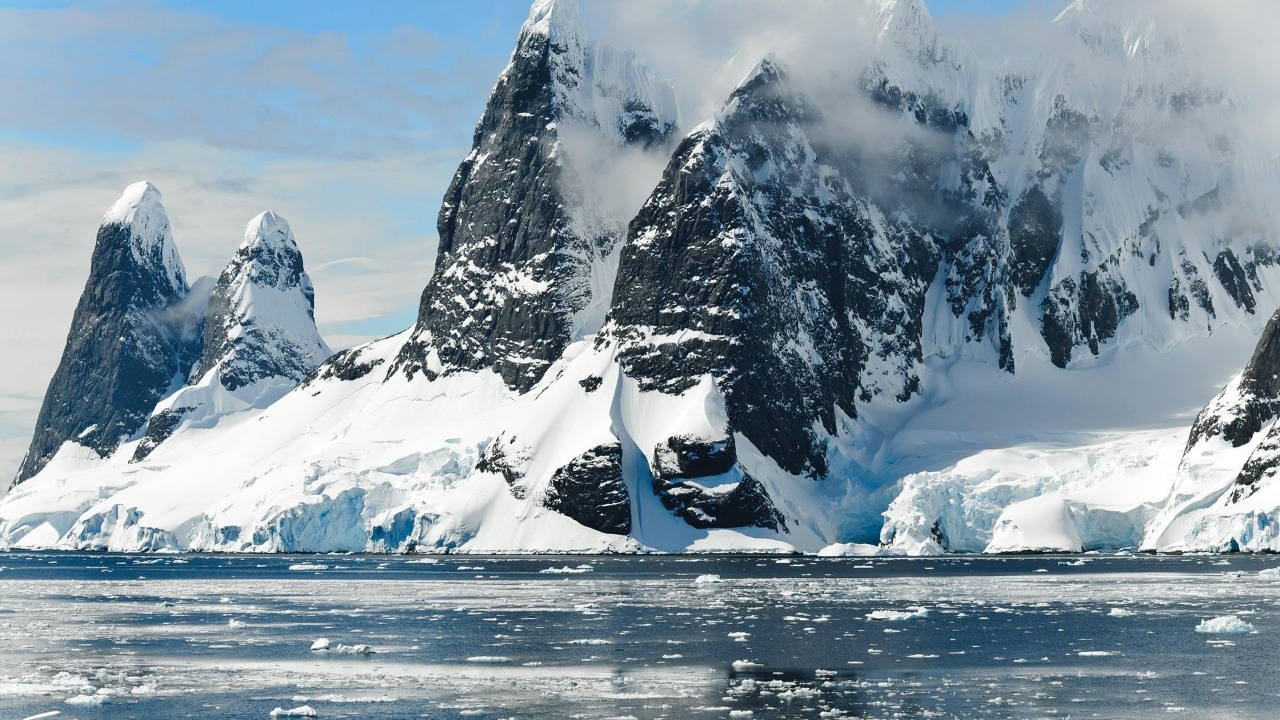
The caves could serve as a valuable repository of Antarctica’s climatic past. Preserved within their icy walls are clues about past climatic conditions, which can help scientists unravel the history of climate change in Antarctica. By studying the ice and rock formations, scientists can piece together a timeline of past climatic events.
These caves could also play a significant role in future climate change studies. Understanding the caves’ formation and evolution can provide insights into the effects of climate change on Antarctica’s ice sheets. Moreover, the caves could serve as a ‘time capsule’, preserving evidence of past climate conditions, as elaborated in Sustainability Times.
Implications for Extraterrestrial Life
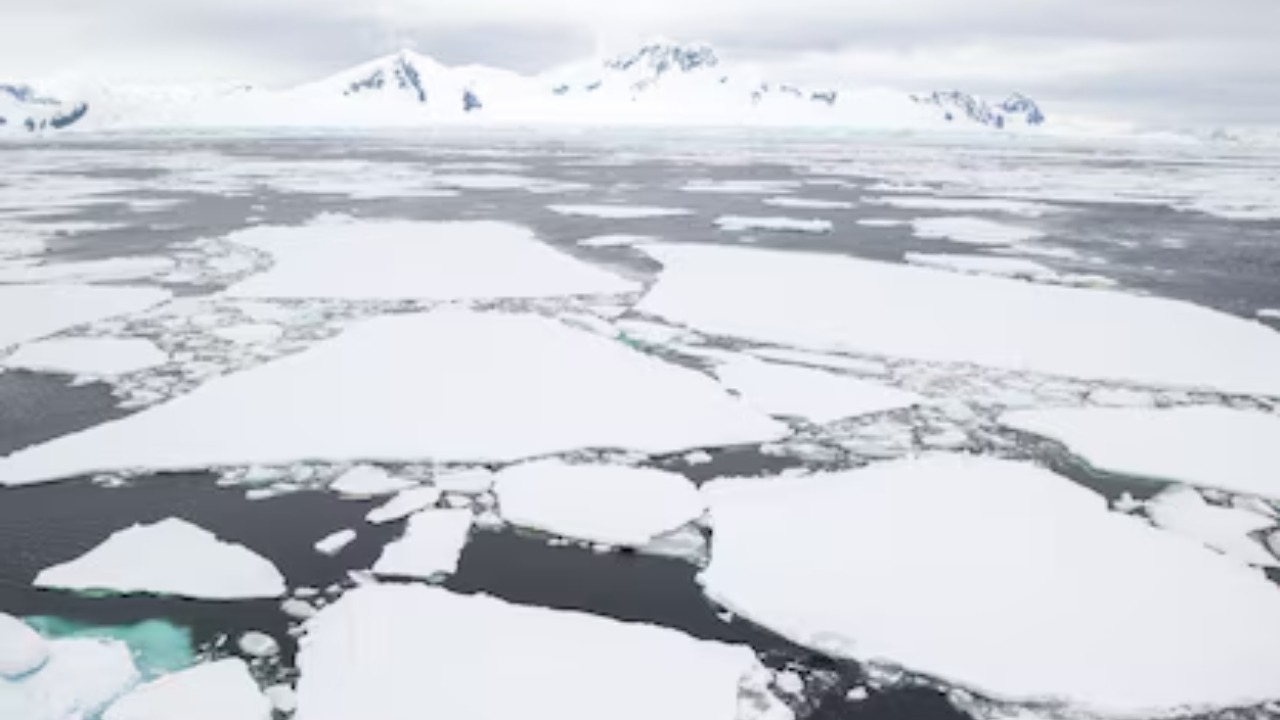
The discovery of life in such extreme conditions could have far-reaching implications for the search for life on other planets. If life can survive in the harsh conditions of the Antarctic caves, it’s plausible that similar extreme environments in space could also harbor life. This discovery could inform future astrobiology research and space missions, redefining where we might look for signs of life.
There could be parallels between the Antarctic caves and environments on other celestial bodies, such as Mars or the icy moons of Jupiter and Saturn. For instance, the caves’ potential to harbor life could suggest similar potential in the subterranean water reservoirs of Mars or the ice-covered oceans of Europa and Enceladus. More on this fascinating topic can be found at Frontiers in Microbiology.
