
Scientists have made a significant advancement in the search for extraterrestrial life, uncovering the best evidence yet indicating that Enceladus, Saturn’s icy moon, is habitable. This discovery, based on observations of the moon’s subsurface ocean and potential chemical building blocks for life, highlights Enceladus as a prime target for future astrobiology missions.
Enceladus’ Geological Features
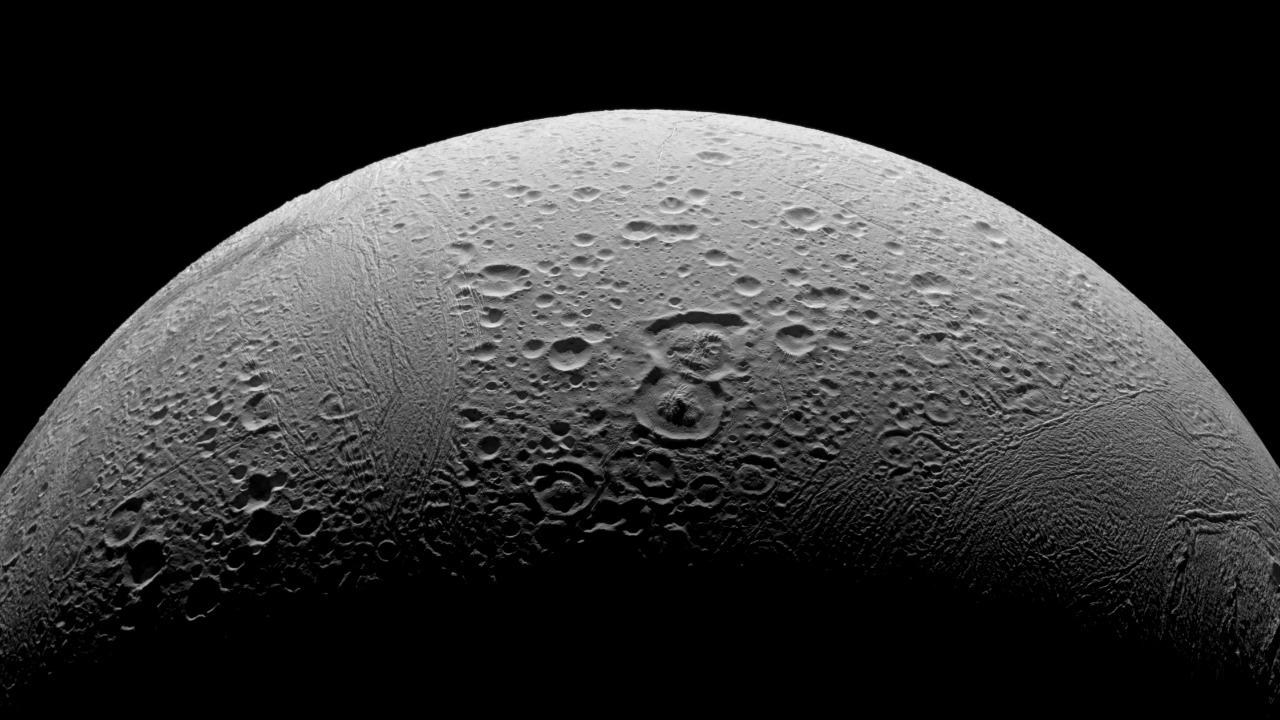
Enceladus, one of Saturn’s largest moons, is characterized by an icy surface that conceals a global subsurface ocean. This ocean is sustained by tidal heating from Saturn’s gravity, a process that could maintain the liquid water essential for habitability. The moon’s surface is also marked by cryovolcanic plumes that eject water vapor and organic compounds into space, providing direct samples of its subsurface environment.
These plumes have been found to contain silica nanoparticles and hydrogen, suggesting the presence of hydrothermal activity similar to Earth’s deep-sea vents. This discovery, along with the evidence of a subsurface ocean, points to the possibility of a habitable environment within Enceladus.
Enceladus’ geological features are not limited to its icy surface and subsurface ocean. The moon is also home to a complex network of ‘tiger stripes’ – four parallel fractures at the south pole that are the source of the moon’s plumes. These fractures, named Alexandria, Cairo, Baghdad, and Damascus, are warmer than the surrounding terrain, indicating active geology. The tiger stripes are unique to Enceladus among the solar system’s moons, further highlighting its geological uniqueness.
Moreover, the moon’s icy surface is not static but shows signs of tectonic activity. The surface ice is constantly being resurfaced, leading to a lack of impact craters in certain areas. This suggests a dynamic environment where the icy crust is broken and reformed, possibly due to the tidal forces exerted by Saturn. Such geological activity could play a crucial role in maintaining the subsurface ocean and the potential habitability of Enceladus.
Key Evidence for Habitability
The plumes of Enceladus have been found to contain molecular hydrogen and methane. These compounds could serve as energy sources for microbial life through chemical reactions. Furthermore, the detection of phosphorus in the form of sodium phosphate completes the set of life’s essential elements (carbon, hydrogen, nitrogen, oxygen, phosphorus, sulfur) that have been previously identified or inferred on the moon.
An analysis conducted on October 2, 2025, confirmed these ingredients in concentrations suitable for sustaining life. This analysis was based on a re-examination of data from the Cassini mission, which explored Saturn and its moons from 2004 to 2017.
The complex organic molecules are heavier than 200 atomic mass units, are indicative of complex chemical processes taking place within the moon. The presence of these complex organics, along with the other essential elements for life, strengthens the case for Enceladus as a potentially habitable environment.
Furthermore, the detection of salts in the plumes suggests that the subsurface ocean is in contact with the moon’s rocky core. This is significant as it allows for geochemical reactions that could provide nutrients to potential life forms. The presence of salts also suggests that the ocean is not a recent addition but has been present for a significant part of the moon’s history, providing ample time for life to potentially develop.
Historical Observations from Space Missions
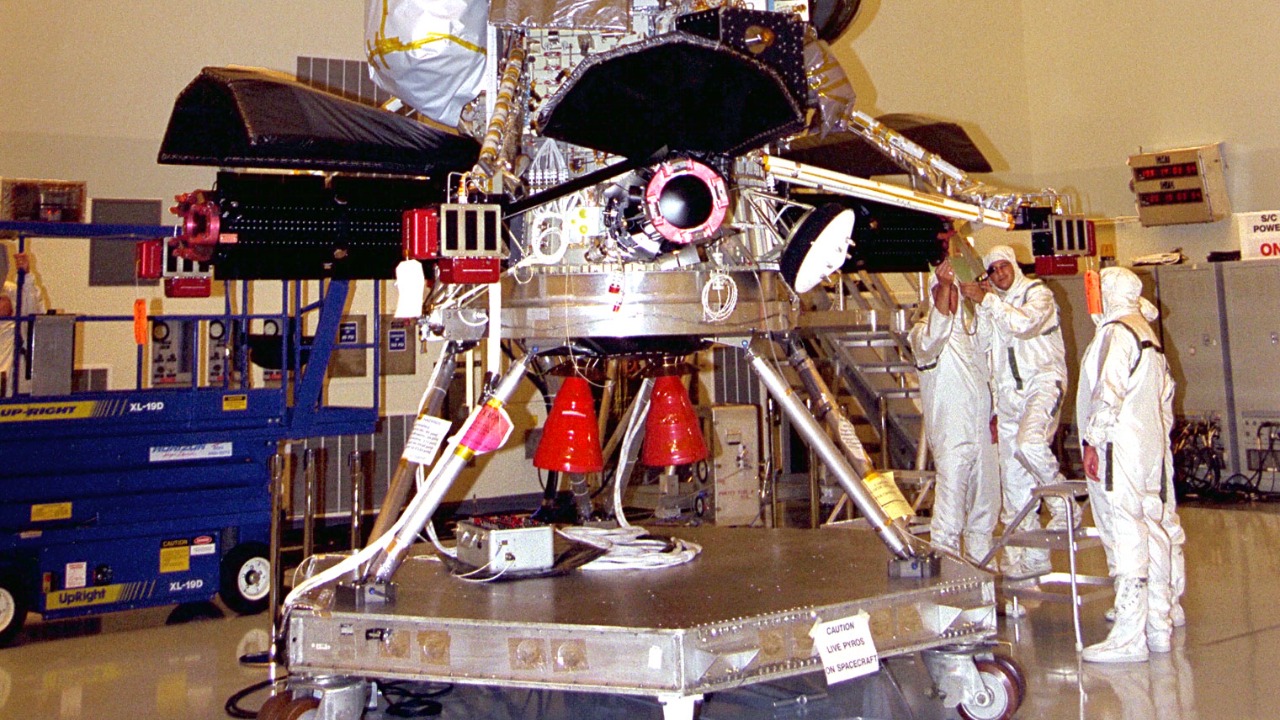
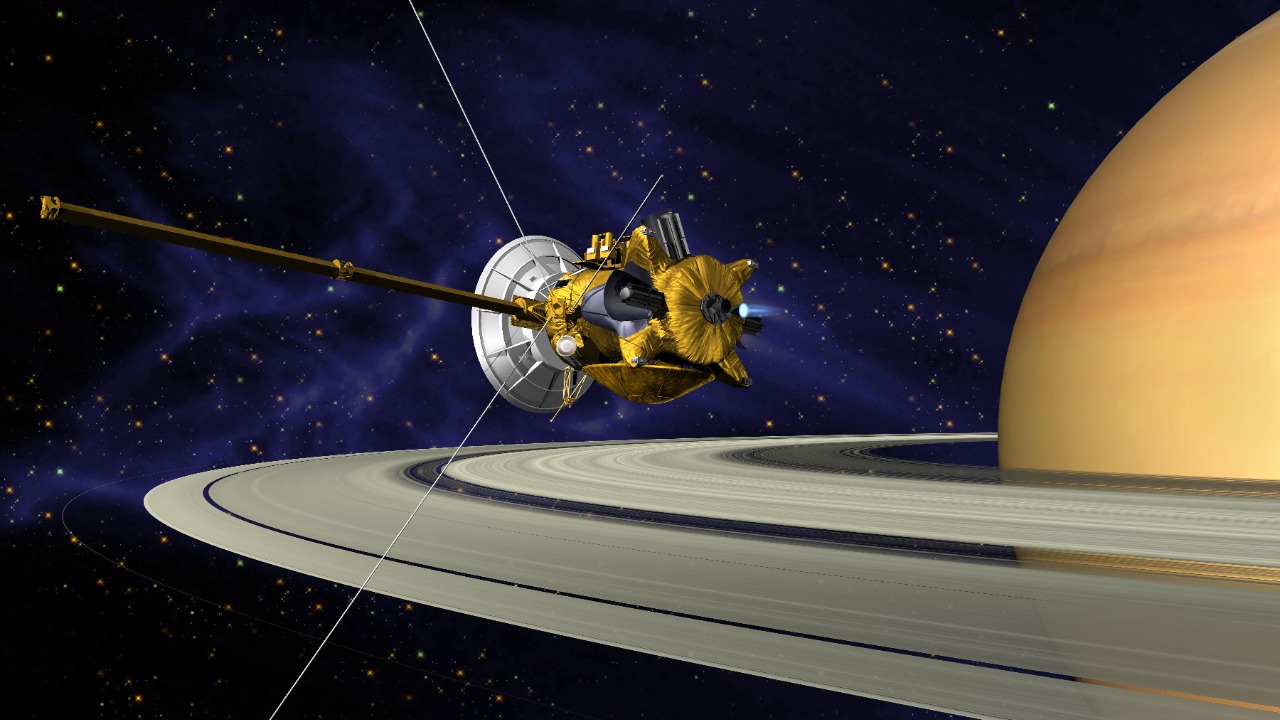
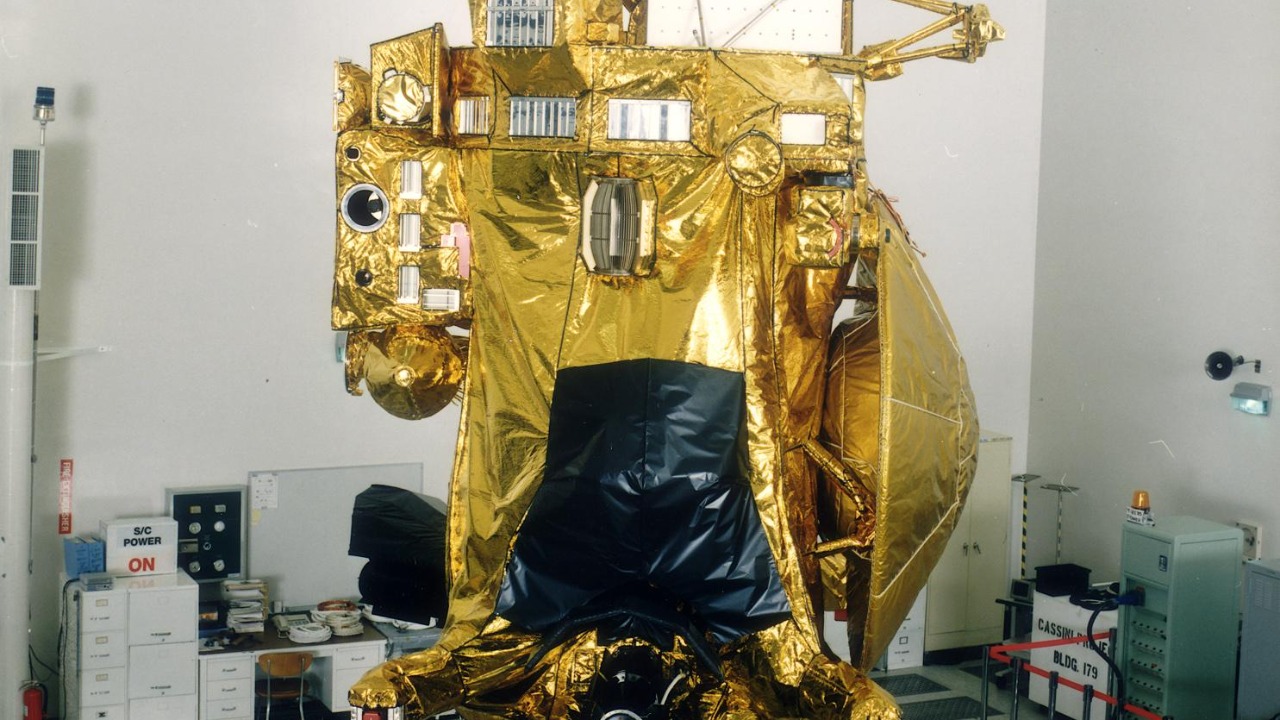
The Cassini spacecraft made several flybys of Enceladus from 2005 to 2017, revealing the moon’s plumes and sampling their composition using instruments like the Ion and Neutral Mass Spectrometer (INMS) and the Cosmic Dust Analyzer (CDA). The 2015 “E-21” flyby was particularly significant, as Cassini passed through a plume to collect particles, providing the raw data for recent habitability assessments.
Earlier missions, such as Voyager 2 in 1981, imaged Enceladus but lacked the tools to detect subsurface activity. The advancements in technology and instrumentation since then have allowed scientists to delve deeper into the moon’s potential for life.
While the Cassini mission provided the most detailed observations of Enceladus, other missions have also contributed to our understanding of this intriguing moon. The Pioneer 11 mission in 1979 provided the first close-up images of Enceladus, revealing a highly reflective surface due to its ice cover. Later, the Voyager missions provided more detailed images, hinting at the moon’s active geology.
More recently, the Hubble Space Telescope has observed Enceladus from Earth’s orbit. In 2014, Hubble detected a plume of water vapor erupting from the moon’s south pole, providing further evidence of its subsurface ocean. These observations from different missions have collectively built a comprehensive picture of Enceladus and its potential for habitability.
Scientific Analysis and Methods
Scientists have used laboratory simulations and computational modeling to recreate the conditions within Enceladus’ plumes and subsurface ocean. These simulations revealed phosphate levels up to 1,000 times higher than previously estimated. The models also inferred ocean conditions, including a pH of about 10 and temperatures around 90°C in hydrothermal vents.
This research was conducted by an interdisciplinary team led by researchers at Freie Universität Berlin. Their findings were published in the scientific journal Nature on October 2, 2025.
In addition to laboratory simulations and computational modeling, scientists have also used spectroscopic analysis to study Enceladus. Spectroscopy, which involves studying the interaction of light with matter, has been instrumental in identifying the composition of the moon’s plumes. For instance, the detection of molecular hydrogen in the plumes was made possible through spectroscopic analysis of the light reflected off the plumes.
Another important method involves the use of gravity measurements. By studying the gravitational pull of Enceladus on the Cassini spacecraft during its flybys, scientists have been able to infer the presence of a subsurface ocean. These gravity measurements have provided crucial insights into the internal structure of the moon, furthering our understanding of its geology and potential habitability.
Implications for Astrobiology
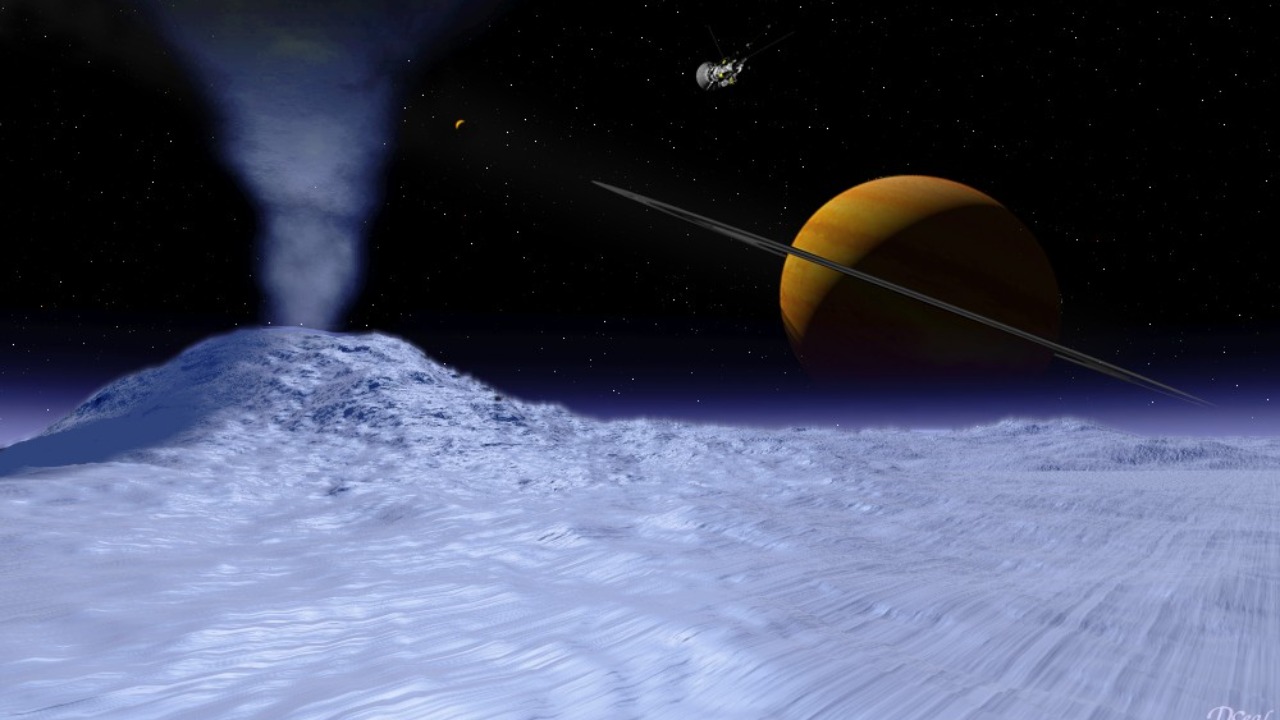
The conditions on Enceladus mirror those of early Earth environments, potentially hosting chemosynthetic life forms that are independent of sunlight. This discovery has broad implications for the search for life in the outer solar system, with Enceladus now being compared to other candidates with subsurface oceans, such as Europa and Titan.
While the evidence points to a habitable environment on Enceladus, scientists have not yet confirmed the presence of biological activity. The probability of life existing on the moon remains a topic of ongoing research.
The discovery of a potentially habitable environment on Enceladus has profound implications for astrobiology. It expands our understanding of where life can exist, suggesting that life may not be limited to planets within the habitable zone of a star. Instead, life could potentially exist in the subsurface oceans of icy moons, far from the warmth of the sun.
Moreover, the potential for life on Enceladus raises intriguing questions about the nature of such life. If life does exist on Enceladus, it would likely be microbial and adapted to extreme conditions, similar to extremophiles on Earth. The study of such life forms could provide valuable insights into the adaptability and resilience of life, furthering our understanding of life’s potential to exist in the universe.
Future Exploration Plans
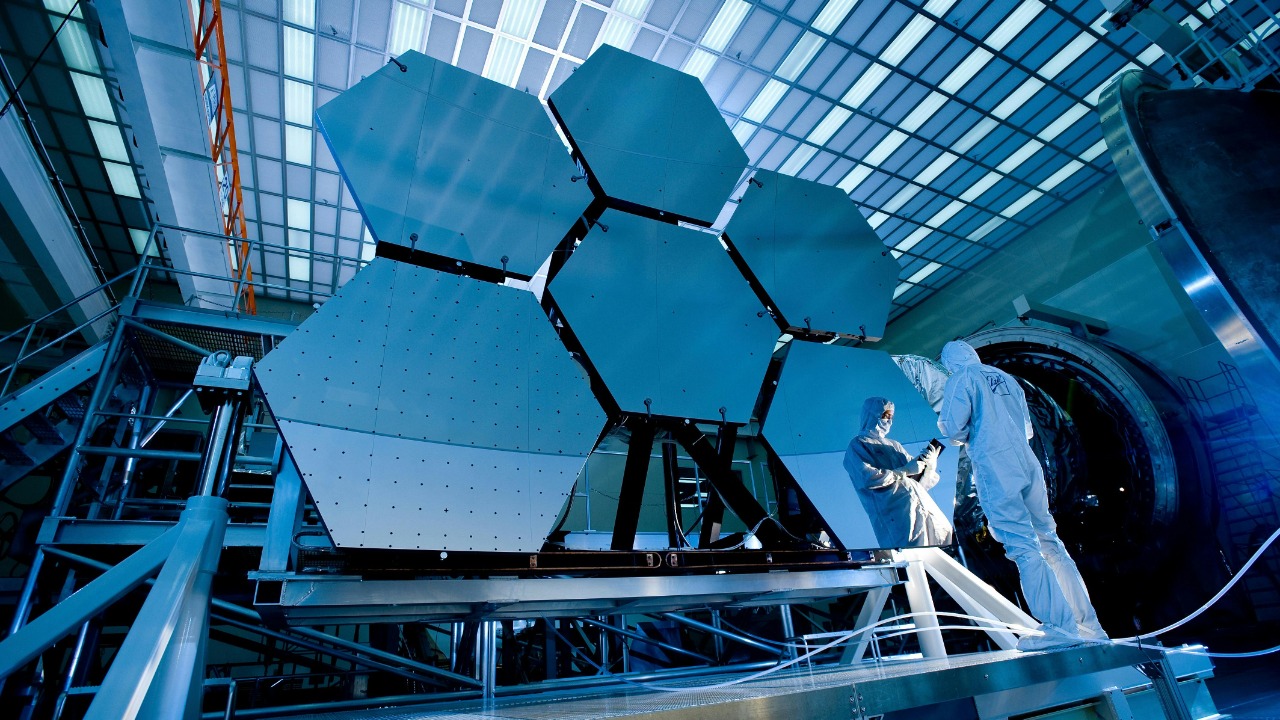
NASA has proposed the Enceladus Life Finder (ELF) mission, which aims to directly sample the moon’s plumes for biosignatures in the 2030s. The European Space Agency is also considering involvement in orbiter concepts to map the moon’s ice shell and ocean interface.
However, these future missions face challenges such as radiation from Saturn’s belts and the need for advanced instrumentation to detect trace organics. Despite these obstacles, the exploration of Enceladus remains a key priority in the search for extraterrestrial life.
Future missions to Enceladus will aim to build on the discoveries made by the Cassini mission. One of the main goals will be to directly sample the moon’s plumes and analyze them for signs of life. This would involve flying a spacecraft through the plumes and capturing particles for analysis, similar to what Cassini did but with more advanced instruments.
Another goal will be to map the moon’s subsurface ocean and study its interaction with the surface ice and the underlying rocky core. This could provide valuable insights into the geology and chemistry of the ocean, shedding light on its potential for supporting life. Despite the challenges, the exploration of Enceladus promises to be a fascinating journey in the search for extraterrestrial life.
