
Mysterious radio pulses emanating from deep beneath the Antarctic ice have baffled scientists, challenging our current understanding of physics. These signals, detected by the Antarctic Impulsive Transient Antenna (ANITA), represent a potentially exciting breakthrough in particle physics. Let’s delve into the details of this intriguing discovery.
Unveiling the Mystery: Discovery of Radio Pulses
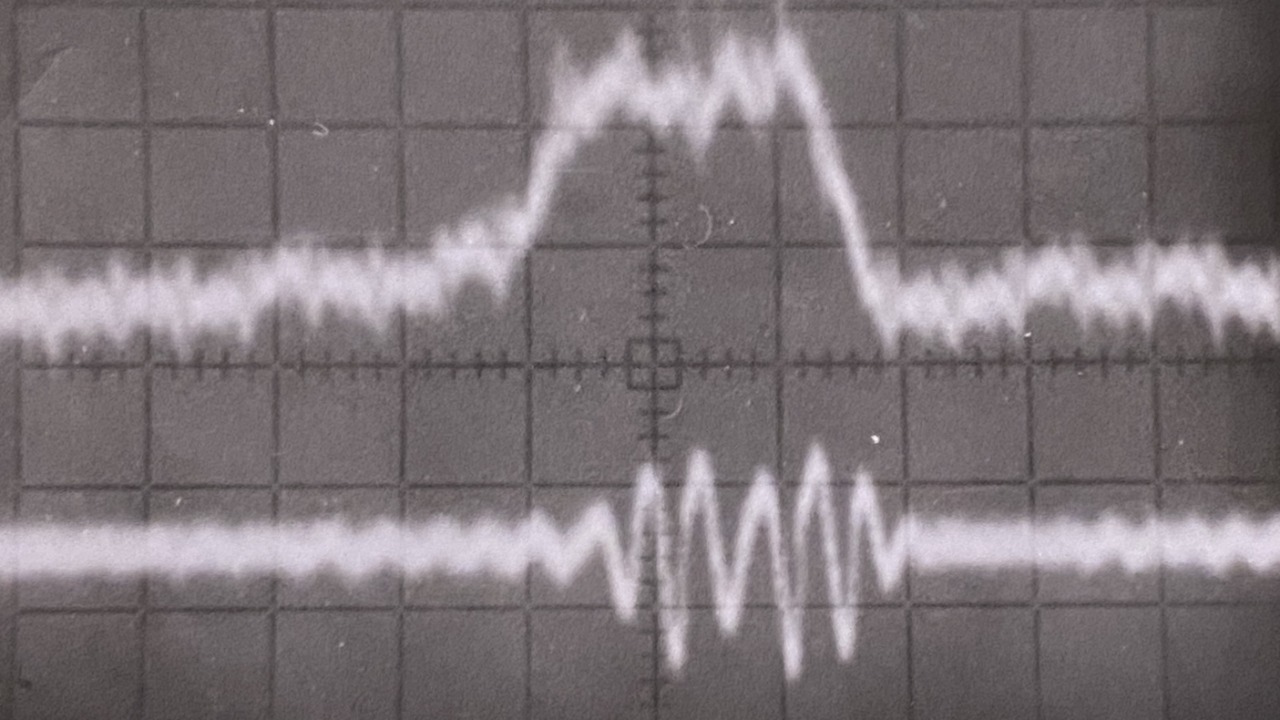
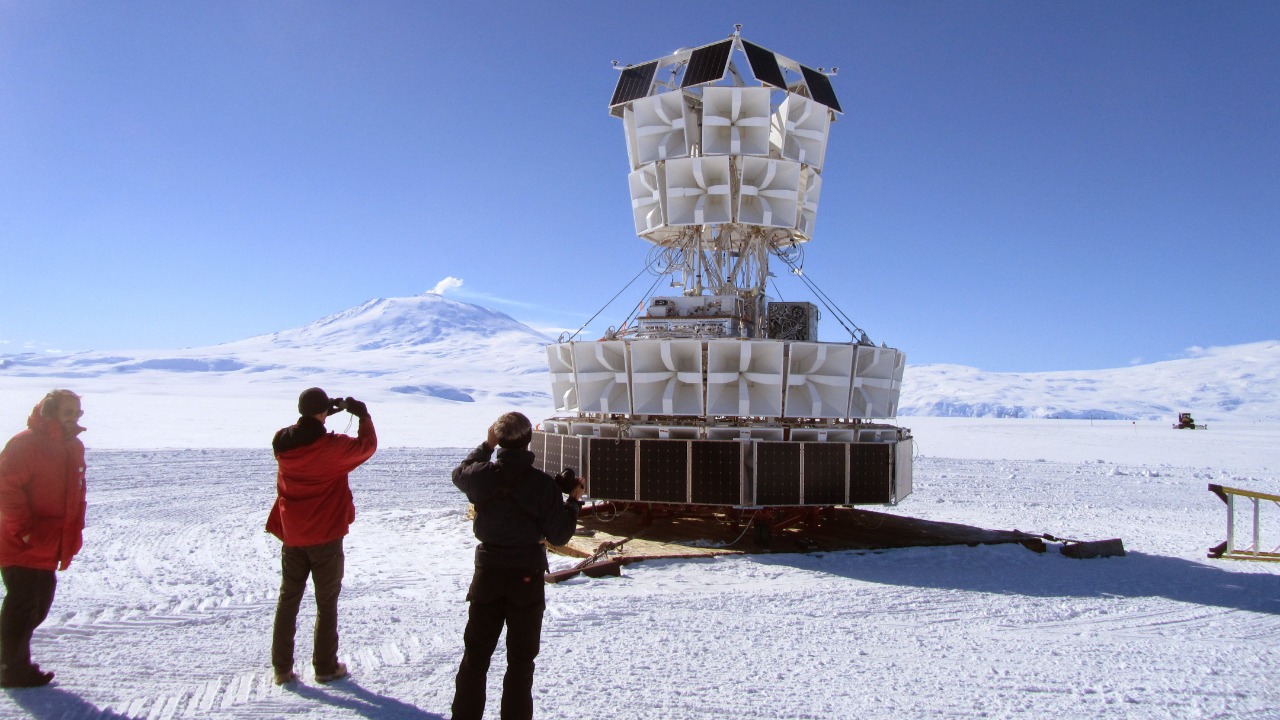
These mysterious radio pulses were first detected by the ANITA, a sophisticated balloon-borne radio frequency antenna array, over a decade ago. What makes these signals extraordinary is that they appear to be coming from deep within the Antarctic ice, a phenomenon that was initially considered impossible according to our understanding of radio wave propagation.
The ANITA’s primary function is to detect ultra-high-energy cosmic neutrinos, which are elusive particles that can pass through matter almost undisturbed. However, the nature and origins of these radio pulses remain an enigma, prompting a flurry of scientific research and debate.
Delving Deeper: Understanding the Radio Pulses
Radio pulses are bursts of radio waves that occur in nature and can be detected by specially designed antennas. They are characterized by their frequency, strength, and duration. The pulses detected by ANITA were of a high frequency band, indicating a potentially powerful source.
Where these signals originate from is still a matter of conjecture. The depth from which they seem to emerge suggests a source located far beneath the Antarctic ice. This unusual location has led to a number of theories about the possible origins of these pulses, ranging from new types of subatomic particles to unknown geophysical phenomena.
The Neutrino Controversy: A Twist in Physics
Neutrinos are elusive particles that rarely interact with matter, making them extremely difficult to detect. Nevertheless, they play a crucial role in the standard model of particle physics. These mysterious signals have challenged our understanding of neutrinos and the standard model as a whole.
The controversy surrounding these signals revolves around the possibility that they could be evidence of a type of neutrino that behaves differently than expected. Some scientists argue that the radio pulses could be the result of neutrinos interacting with ice in a new and previously unobserved way, while others remain skeptical. This controversy has sparked a lively debate within the scientific community.
Implications and Future Research
The discovery of these radio pulses could revolutionize our understanding of physics. If these signals are indeed related to neutrinos, it could mean that these particles behave in ways we have yet to comprehend, drastically altering our grasp of the universe’s fundamental principles.
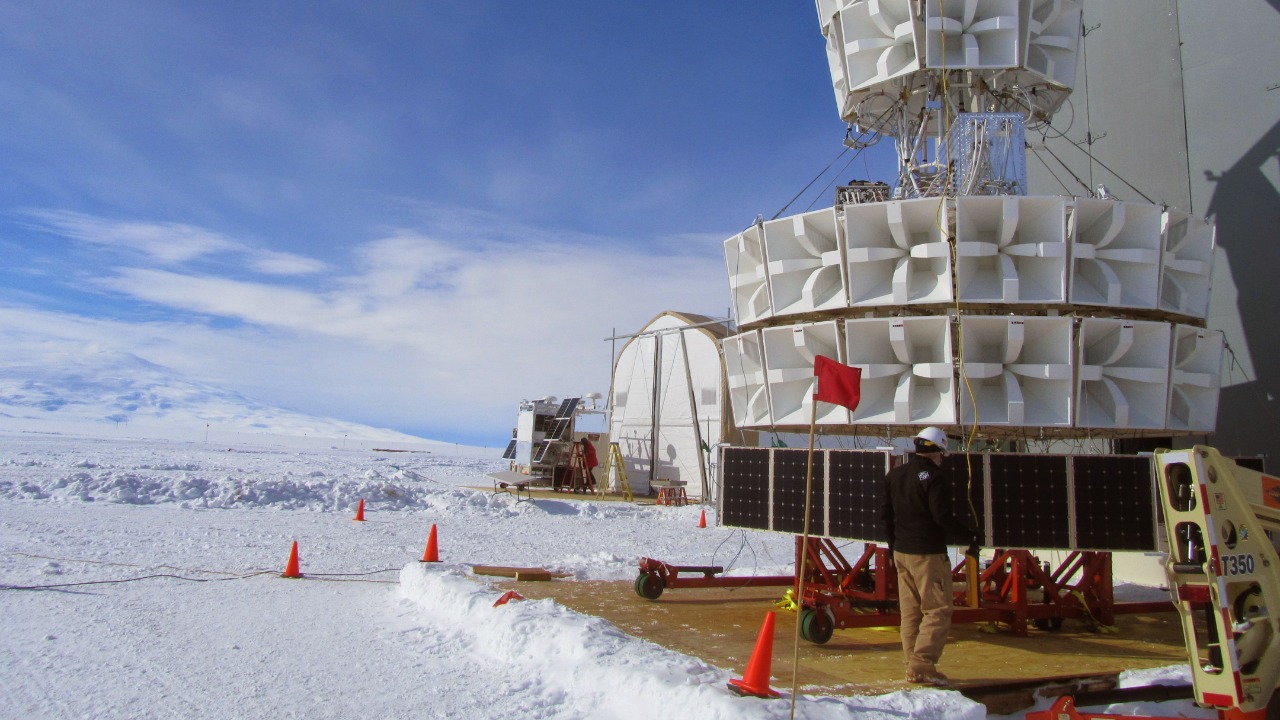
Further research is crucial to understanding these pulses better. New expeditions are being planned, and advancements in detection technology could potentially provide more detailed data on these signals. The future of Antarctic research holds great promise in resolving this mystery.
The Antarctic Ice: A Frontier for New Discoveries

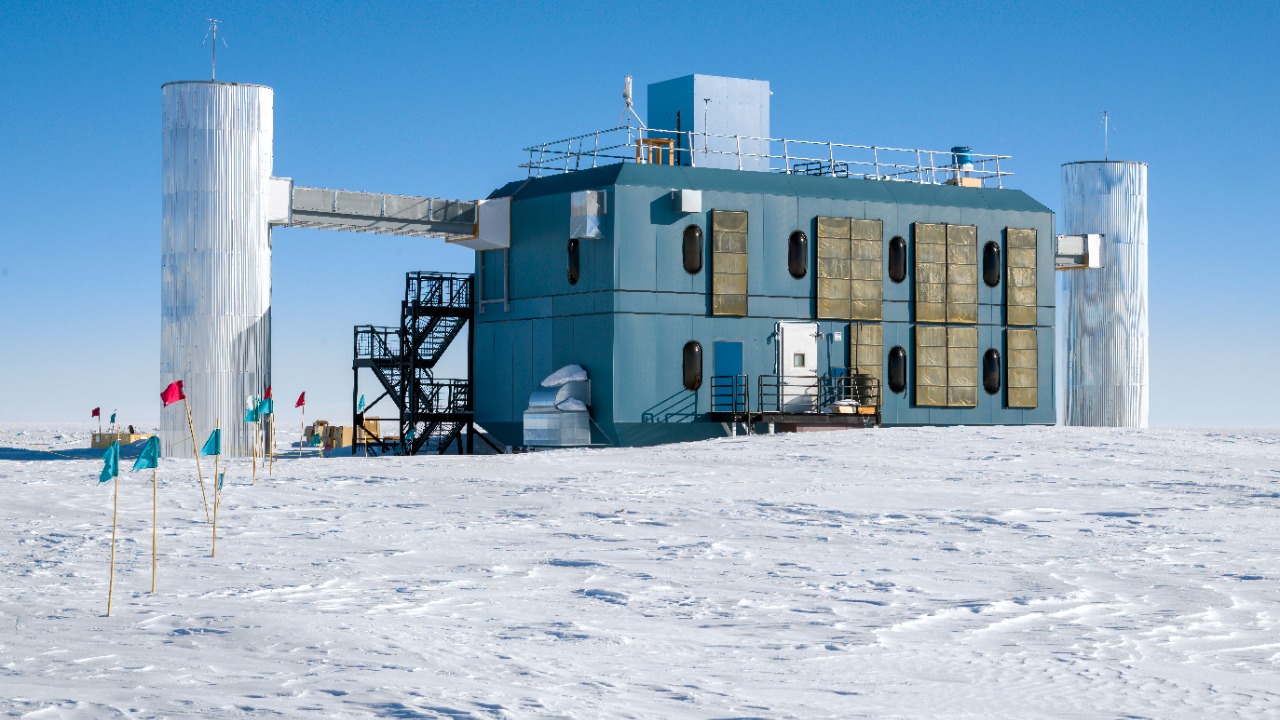
The Antarctic ice is a frozen frontier, rich with potential for new scientific discoveries. Its extreme conditions and isolation make it an ideal laboratory for studying phenomena that cannot be easily observed elsewhere. These mysterious radio signals are just one of the many intriguing puzzles the Antarctic has presented to scientists.
In the past, the Antarctic has been a source of numerous unexpected discoveries, from ancient climate data locked in ice cores to evidence of past meteor impacts. Who knows what other secrets lie beneath the Antarctic ice, waiting to be discovered? The ongoing exploration of this vast icy wilderness continues to push the boundaries of our knowledge and understanding of our world and beyond.
