
Scientists have recently observed a phenomenon that seems straight out of science fiction: metal that appears to move autonomously, almost as if it were alive. This discovery has sparked both excitement and debate in the scientific community, challenging our understanding of what constitutes life and the boundaries between organic and inorganic matter.
The Discovery of ‘Living Metal’
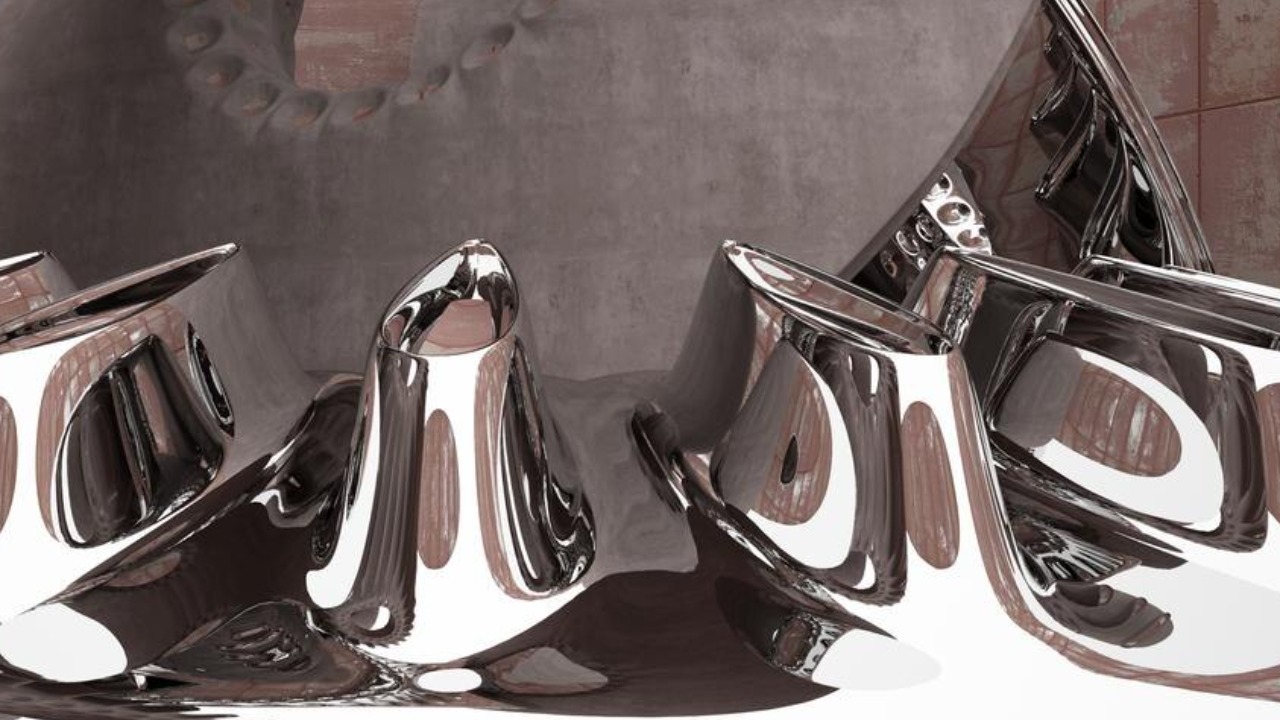
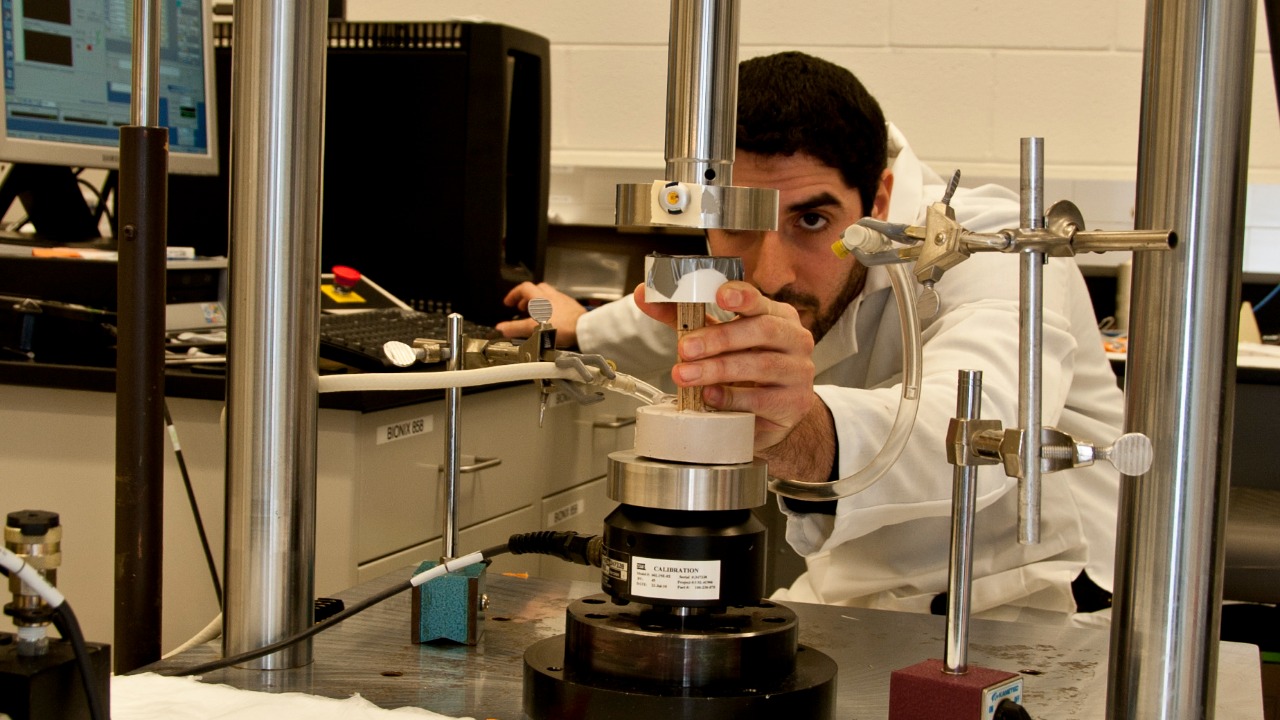
The phenomenon of ‘living metal’ was first noticed when a team of researchers observed unusual movement patterns in metal samples under controlled laboratory conditions. Using cutting-edge imaging technology, they detected subtle shifts and reconfigurations in the metal’s structure that could not be attributed to external physical forces. This unexpected discovery was made possible through the use of advanced electron microscopes and spectroscopic analysis, which provided a detailed view of the metal’s behavior at an atomic level.
The scientific community’s reaction to the discovery has been a mix of awe and skepticism. While some researchers are excited about the potential applications and implications of this new form of material, others are cautious, calling for more rigorous testing and verification. Regardless of the initial reactions, the notion of metal exhibiting life-like properties has opened up fascinating discussions about the future of science and technology.
Historical Context and Theoretical Foundations
The idea of ‘living metal’ is not entirely new; it has been a recurring theme in science fiction and philosophy. Writers and thinkers have long speculated about materials that could bridge the gap between the living and the non-living. In science fiction, metals that move or change shape on their own have been depicted as integral components of advanced technologies and alien civilizations. Philosophically, this raises questions about the nature of life itself and challenges the traditional boundaries we have set between living organisms and inanimate objects.
Historically, the relationship between nature and technology has been a topic of intense debate. Carolyn Merchant’s seminal work, “Death of Nature”, explores how the mechanistic view of nature has influenced scientific and technological advancements. The discovery of living metal could represent a paradigm shift, echoing past theories that have attempted to attribute life-like properties to non-organic materials.
Mechanisms Behind the Movement
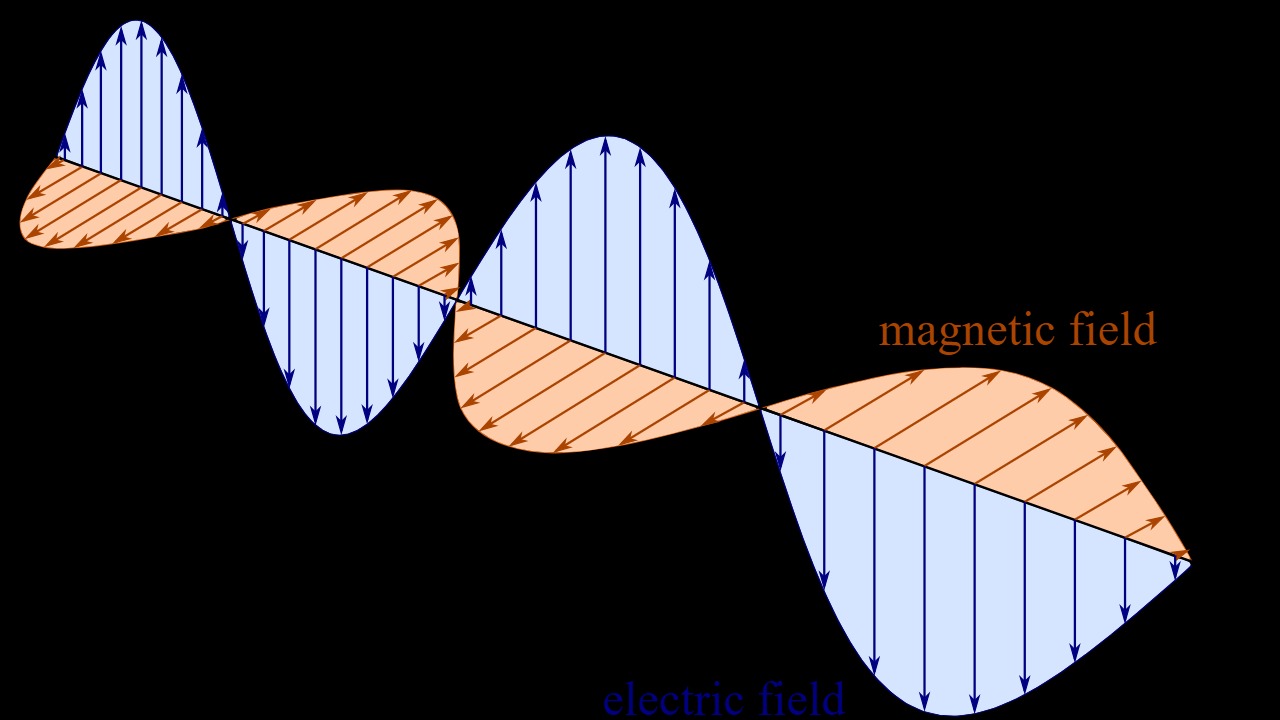
Several theories have been proposed to explain how metal can exhibit autonomous movement. At the atomic level, it is suggested that certain metals may possess unique properties that allow them to respond dynamically to environmental stimuli. These interactions might involve changes in temperature, magnetic fields, or chemical reactions that trigger movement within the metal’s structure.
External stimuli play a significant role in influencing the behavior of these metals. For instance, exposure to varying temperatures or electromagnetic fields could induce changes in the arrangement of atoms, causing the metal to expand, contract, or shift in a manner that mimics movement. Similar phenomena are observed in nature, where biological processes and self-organizing systems exhibit dynamic behavior in response to environmental changes.
Implications for Science and Technology

The potential applications of ‘living metal’ are vast and varied, with significant implications for fields such as robotics, medicine, and materials science. In robotics, metals that can change shape or move autonomously could lead to the development of more adaptive and flexible machines. In medicine, these materials might be used to create implants that adjust to changes in the human body, improving compatibility and function.
However, the ethical considerations surrounding the use of living metals cannot be overlooked. The prospect of creating materials that blur the line between living and non-living raises important questions about the moral and societal implications of such technologies. As researchers continue to explore this new frontier, it will be crucial to engage in interdisciplinary discussions that address both the scientific and ethical challenges.
Cultural and Artistic Reflections

The discovery of living metal has also inspired artists and creatives, sparking a wave of artistic interpretations that explore the intersection of science and art. Exhibitions like Vista’s “Organic Metal” showcase how artists are using this concept to challenge traditional notions of what constitutes a living thing. As one Vista artist puts it, “Living things as machines” invites us to reconsider our relationship with technology and the natural world.
Beyond the art world, the impact of scientific discoveries like living metal extends into popular culture, influencing literature, film, and media. These narratives often explore themes of transformation and the blurring of boundaries, reflecting our collective curiosity and apprehension about the future of technology. As science and art continue to inform each other, they help to expand our understanding and imagination of new possibilities, fostering a dynamic dialogue that enriches both fields.
