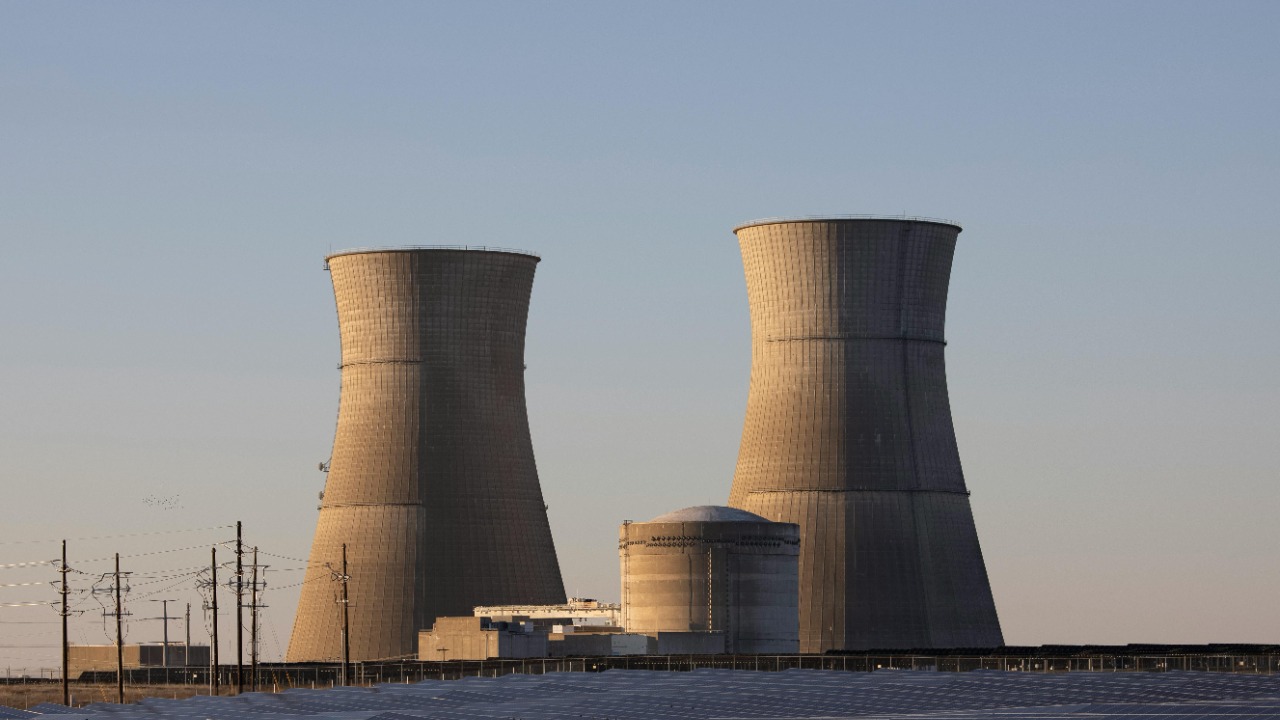

Russian plans to bring a reactor at the occupied Zaporizhzhia nuclear power plant back online have triggered a wave of warnings that the Kremlin is flirting with a nuclear emergency in the middle of a war zone. The facility, which has been in cold shutdown for safety reasons since 2022, now sits at the center of a high‑stakes confrontation over basic nuclear norms and control of critical infrastructure. At issue is whether any government can responsibly restart a major reactor while shells, drones and cyberattacks continue to threaten the plant’s power and safety systems.
The world’s largest nuclear plant in a war zone
The Zaporizhzhia nuclear power plant, often shortened to ZNPP, is not just another industrial site, it is the largest nuclear station in Europe and a symbol of how far the conflict between Russia and Ukraine has spilled into civilian infrastructure. The plant has been under Russian military occupation since early in the full‑scale invasion, even as Ukrainian staff have continued to operate it under extreme pressure. According to detailed accounts of the war around Zaporizhzhia, the front line and artillery duels have repeatedly come uncomfortably close to the reactors and spent fuel storage areas, turning what should be a tightly controlled industrial environment into a contested military zone.
All six units at the station have been shut down since the spring of 2022, with every reactor placed in cold shutdown to reduce the risk of a major release of radiation if the site is hit. The International Atomic Energy Agency, or IAEA, has maintained a continuous presence at the plant, sending experts to monitor safety systems, power supplies and the condition of the Ukrainian workforce that still keeps the reactors stable. In its public assessments, the agency has repeatedly stressed that the combination of military activity, damaged infrastructure and political uncertainty around who actually controls the facility creates a unique and deeply worrying situation for nuclear safety.
Russian restart plans collide with safety warnings
Despite that fragile backdrop, Russian authorities have been laying the groundwork to restart at least one reactor at the complex, framing the move as a way to stabilize electricity supplies in occupied territory and, eventually, to feed power into the wider grid. Reporting on these plans notes that the ZNPP has been inactive since September 2022 because of safety concerns, yet Moscow has still explored reconnecting the plant to the Russian electrical grid in December 2024 and beyond, a strategy described in detail in analyses of The ZNPP. The push to restart is not just technical, it is political, signaling Russia’s intent to cement its grip on occupied Ukrainian infrastructure and to present itself as the guarantor of energy security in the territories it controls.
Nuclear experts, however, have been blunt that such a move is incompatible with basic safety standards while the war continues. The IAEA’s director general has said that restarting the nuclear station is not feasible amid ongoing military operations, emphasizing that all six units are in cold shutdown and should remain there. In the same assessment, he pointed to the destruction of the Kakhovka dam in June 2023, referred to as In June Kakhovka da, which severely compromised the reservoir that had supplied cooling water to the plant. With cooling margins reduced and the grid unstable, the idea of ramping a reactor back up looks less like normal operations and more like a high‑risk experiment in the middle of a battlefield.
A plant held together by a single power line
Even with the reactors shut down, the safety systems at Zaporizhzhia depend on a reliable external power supply to run pumps, monitoring equipment and emergency cooling. That redundancy has been eroded to a dangerous degree. The IAEA has warned that the plant’s situation is “extremely fragile” because it has been relying on a single off‑site power line, a vulnerability highlighted in detailed coverage of how Zaporizhzhia has been forced to operate. If that line is cut by shelling or sabotage, the plant must fall back on diesel generators, which are not designed to provide long‑term power and depend on fuel deliveries that are themselves vulnerable to disruption.
Restarting a reactor would dramatically increase the stakes of any power interruption, because an operating unit produces far more heat than one in cold shutdown and needs robust, redundant cooling. The IAEA’s own safety principles, which it has reiterated in multiple briefings on IAEA missions to the site, call for multiple independent power sources and secure off‑site lines before a reactor is brought back online. In a setting where artillery strikes have already damaged transmission infrastructure and where operators have had to improvise to keep systems running, those conditions are plainly not met. To proceed anyway would be to accept that a single broken cable or missed fuel delivery could trigger a cascading emergency.
International backlash and accusations of “nuclear terrorism”
The prospect of a restart has galvanized a broad coalition of states that see the plant’s status as a test of whether wartime nuclear safety norms still mean anything. In a joint statement, 49 IAEA member states declared that any restart of reactors at the Zaporizhzhia NPP is only possible after the facility is returned to its legitimate control and that it is critically important that all reactors at the ZNPP remain in cold shutdown, a position laid out in detail by Jun and other signatories. That language is unusually direct for a multilateral document, effectively accusing Russia of planning to operate a major nuclear facility without the consent of its sovereign owner and in defiance of the global watchdog that is supposed to oversee such plants.
Criticism has not been limited to diplomatic communiqués. Commentators and officials have accused Moscow of engaging in “nuclear terrorism” by both occupying the plant and attacking Ukraine’s wider energy grid, a charge that has been amplified in social media posts highlighting how Russia “risks nuclear catastrophe” by pushing ahead with a restart. Detailed reporting on the situation at the station has echoed those concerns, noting that Moscow has been accused of nuclear terrorism for attacking Ukraine’s energy grid while simultaneously trying to bring a reactor at Zaporizhzhia back online. The combination of physical occupation, military strikes on surrounding infrastructure and unilateral operational decisions has convinced many governments that the Kremlin is using the plant as both a shield and a weapon.
Human operators under pressure and a wider hybrid campaign
Behind the geopolitical rhetoric are the people who would actually have to run any restarted reactor: the Ukrainian engineers and technicians still working at the plant. Accounts from the site describe how Ukrainia staff have been working under duress, facing pressure from occupying forces while trying to maintain professional standards, a reality captured in social media commentary that refers explicitly to Ukrainia staff at the plant. Operating a nuclear reactor safely depends on a culture where workers can report problems, challenge unsafe orders and shut down equipment without fear of reprisal. In an occupied facility where the chain of command runs through a foreign military, those conditions are, at best, compromised.
The pressure on Zaporizhzhia also fits into a broader pattern of hybrid tactics that blend kinetic attacks, cyber operations and information warfare against energy infrastructure. Investigations into recent incidents have described how three serious cyber attacks on Polish companies were probed as part of Russian hybrid warfare, while separate coverage has accused Russian actors of nuclear terrorism after targeting critical systems. In Ukraine itself, live footage from the front has shown repeated strikes and pleas for “heat” around the nuclear site, with one broadcast from Oct capturing the desperation of residents as they watched attacks near the plant. In that context, a reactor restart looks less like a technical decision and more like another lever in a campaign to weaponize energy.
More from Morning Overview