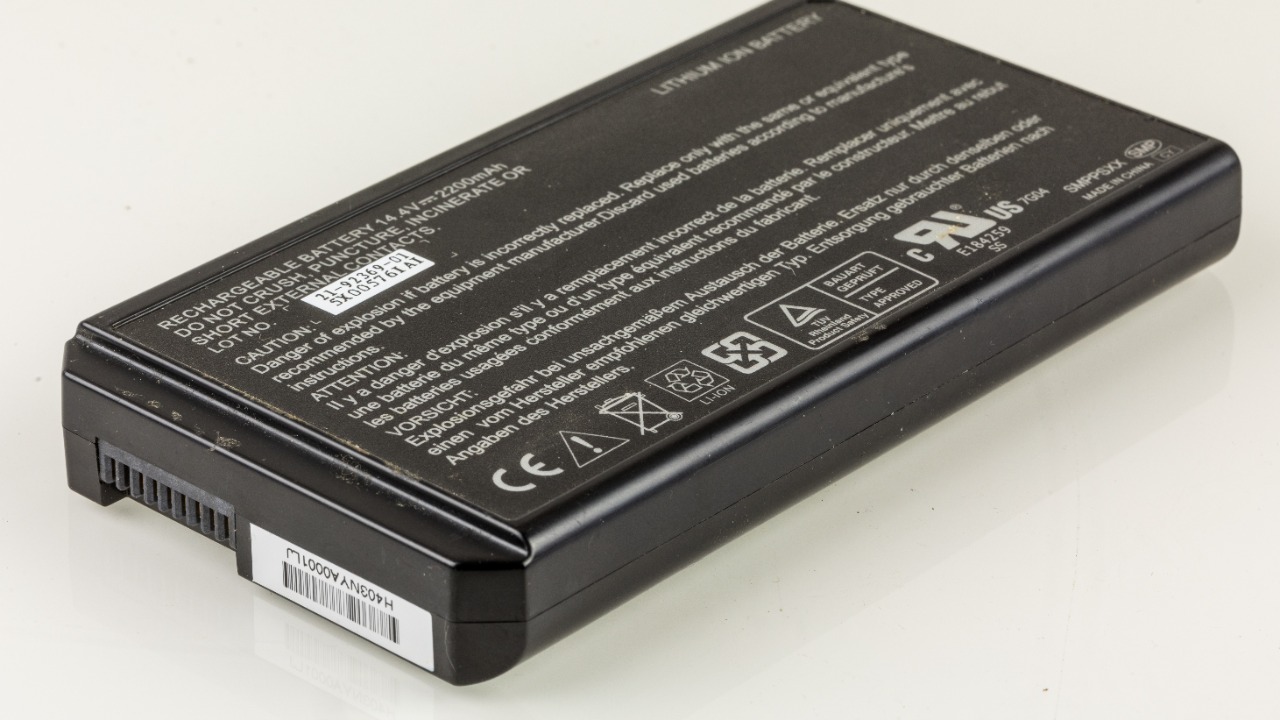

Lithium-ion batteries turned smartphones, laptops, and electric cars into everyday tools, but they also brought fire risk, supply bottlenecks, and rising costs. A new wave of sodium-based designs now promises to keep the fast charging and long life while stripping out much of the danger and expense that made lithium feel like a necessary gamble. If the latest lab and industry milestones hold up, the era of “risky” lithium-ion dominance may be ending far sooner than most policymakers and car buyers expected.
Researchers and manufacturers are converging on sodium-ion and related chemistries that can charge in minutes, tolerate abuse, and rely on elements that are vastly more abundant in the Earth’s crust. From grid-scale pilot plants to prototype car packs and solid-state cells, the technology is moving out of the speculative bucket and into real hardware, with safety and speed as its calling cards.
The safety problem lithium never solved
The core weakness of conventional lithium-ion cells is baked into their architecture, which uses flammable organic liquid electrolytes and tightly packed electrodes that can trigger thermal runaway when damaged or overheated. Commercial Li-ion batteries, as detailed in recent analysis of electric vehicle designs, typically rely on these organic liquids to reach high energy density, but the same chemistry can feed chain reactions that are difficult to stop once a cell vents or short circuits, especially in large packs for cars or grid storage Commercial Li. Fire brigades from New York to Shanghai have had to adapt to battery incidents that can reignite hours after being doused, a reminder that the chemistry itself is the hazard, not just poor engineering.
By contrast, sodium-ion cells are emerging as a fundamentally calmer alternative, with testing that points to a much lower chance of runaway reactions. Detailed fire risk analysis notes that sodium-ion batteries do not experience thermal runaway in the same way lithium-ion batteries can, even though any electrochemical system can potentially ignite under extreme abuse While. That does not make sodium packs magically fireproof, but it does shift the baseline from “inherently volatile” to “inherently more forgiving,” which matters when you are stacking thousands of cells under a car floor or in a shipping container.
Solid-state sodium and the end of thermal runaway
The safety gap widens further when sodium chemistry meets solid-state design, which replaces flammable liquids with solid electrolytes that do not leak or vaporize. Researchers working on new solid-state sodium-ion batteries describe architectures that eliminate the organic liquid found in most commercial Li-ion cells and instead use solid materials that can tolerate higher temperatures without decomposing into fuel for a fire new battery breakthrough. In practice, that means a punctured pack is more likely to fail quietly than erupt, a crucial difference for electric buses, ferries, and dense urban charging hubs.
Even outside solid-state designs, sodium’s chemistry gives engineers more room to prioritize safety without sacrificing performance. Technical briefings on sodium-ion safety emphasize that these cells can be shipped at zero state of charge, unlike lithium-ion cells that typically travel partially charged, which reduces the risk of fire during transport and simplifies global logistics for large-scale deployments Sodium. For manufacturers and utilities that move megawatt-hours of storage hardware across oceans, that single operational change can cut insurance costs and lower the barrier to adoption.
Fast-charging sodium steps out of the lab
Safety alone would not be enough to dethrone lithium if sodium cells were slow or weak, but the latest prototypes are closing that gap with surprising speed. Work on anode-free sodium designs shows how removing the anode and using inexpensive, abundant sodium instead of lithium can yield batteries that are not only cheaper but also capable of very rapid charging while remaining safe and powerful Sustainability and. By stripping out some of the most failure-prone components, these cells aim to combine structural simplicity with high current handling, a recipe for both durability and speed.
Indian researchers have pushed this idea further with a newly developed sodium-ion battery that directly tackles the usual complaints about the technology, including lower energy density and sluggish charging compared with lithium counterparts super-fast charging. Their design is pitched as a leap toward affordable energy storage that can fill quickly without exotic materials, a combination that would be particularly attractive for two-wheelers, compact cars, and rural microgrids where cost and turnaround time matter more than squeezing out every last kilometer of range.
CATL, grid pilots, and the 3.6 M mile claim
The shift from lab curiosity to commercial threat is clearest in the plans of CATL, the world’s largest battery maker, which has spent several years refining sodium-ion packs for real vehicles. CATL announced its first-generation sodium-ion battery with an energy density of 160 Wh/kg and the ability to charge to 80% in 15 minutes, a specification that already puts it in the same conversation as mid-range lithium packs for city cars and delivery vans CATL. The company has since showcased three major innovations, including a battery promising 1500 km range, a system that can add 520 km in 5 minutes of ultrafast charging, and a roadmap to 2025 mass production of sodium-ion batteries for mainstream use Battery. Those figures are still tied to specific test conditions, but they signal that sodium is no longer confined to low-end scooters or stationary boxes.
On the durability front, CATL’s marketing has leaned into a headline-grabbing claim that its New Sodium Battery Lasts 3.6 M Million Miles, framed bluntly as a sign that Lithium Is In Trouble for long-life applications such as robotaxis and grid storage 3.6 M. Earlier technical breakdowns of the same platform describe how the company has optimized cycle life and thermal stability to support that kind of mileage, positioning sodium as a workhorse chemistry that can be charged and discharged thousands of times with minimal degradation Oct. If those lifetimes are borne out in independent testing, fleet operators may find it hard to justify sticking with lithium packs that age faster and cost more to insure.
From grid plants to global supply chains
Real-world deployments are starting to validate the promise that sodium can scale beyond prototypes and PowerPoint slides. In the United States, a first grid-scale sodium-ion power plant has been activated with a 3.5 m megawatt-hour system, a project described as a very big deal precisely because it moves sodium from lab benches into utility operations Oct. The installation is modest compared with the largest lithium farms, but it gives grid operators a live test of how sodium handles daily cycling, temperature swings, and maintenance in the field.
Behind the scenes, sodium’s abundance is one of its quiet superpowers. Its crustal abundance is 24,000 pp ppm compared to lithium’s 20 ppm, according to Physics Magazine, a gap that translates directly into easier sourcing and less geopolitical risk for battery makers Its. Analysts who track the sector argue that sodium-ion batteries can be shipped at zero state of charge and stored safely for long periods, which is especially valuable for global supply chains that move cells by sea and air supply chains. That combination of abundant raw material and safer logistics could make sodium the default choice for large stationary systems and entry-level vehicles in markets from India to Africa.
More from Morning Overview