
The resilience of life has once again amazed the scientific community. Recent research has confirmed that bacteria, specifically Streptococcus mitis, survived an astonishing 15 years on the Moon. This astonishing discovery provides further fuel for the ongoing debate about the existence of extraterrestrial life and the capacity of Earth life to withstand extreme environments.
The Discovery of Lunar Bacteria
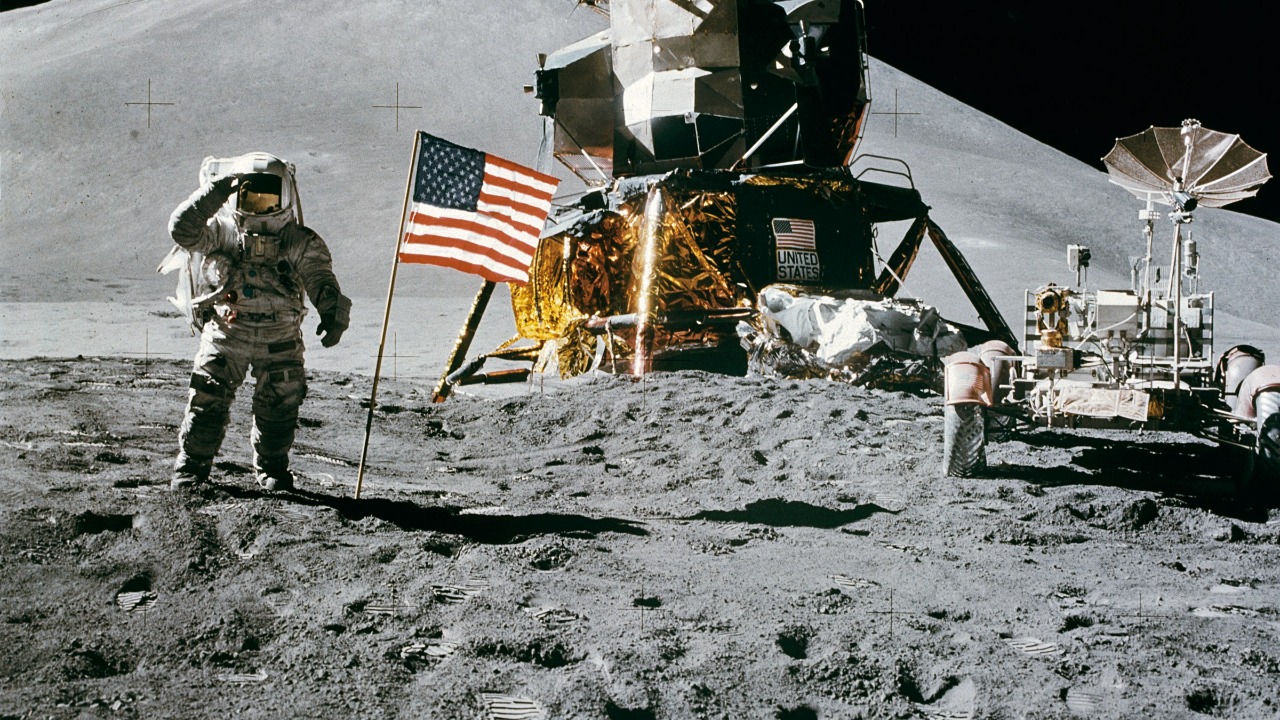
Originating from the Apollo missions, the discovery of lunar bacteria came as a surprise to many. The Apollo astronauts returned with numerous samples from the Moon, and it was within these samples that the bacteria were found. The discovery of Streptococcus mitis, a common bacterium on Earth, surviving on another celestial body is a testament to its adaptability and resilience.
The presence of Streptococcus mitis on the Moon challenges previous scientific assumptions about the survivability of life in space. The inhospitable lunar environment, characterized by extreme temperatures, a lack of atmosphere, and high radiation levels, was thought to be incapable of sustaining life. This breakthrough, however, has led to a re-evaluation of these notions, opening up new possibilities for astrobiology, the study of life in the universe.
Survival Mechanisms of Bacteria in Space
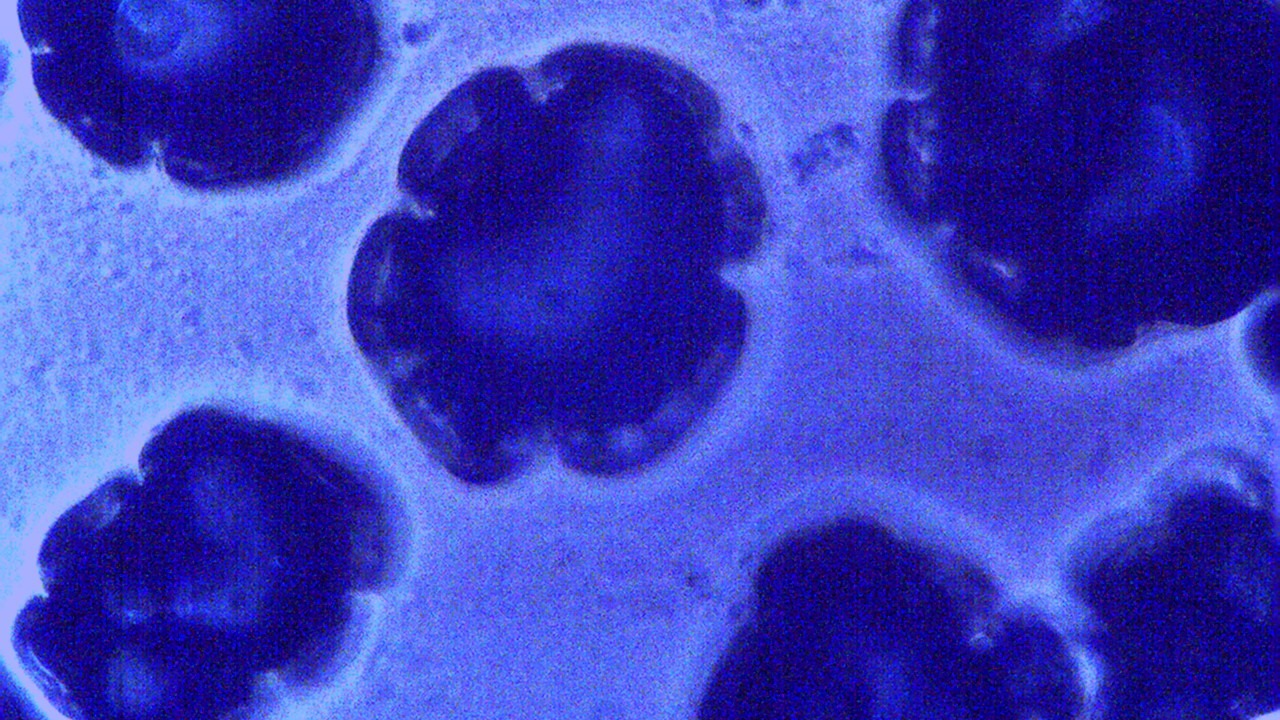
The survival of Streptococcus mitis on the Moon can be attributed to its resilience and ability to adapt to harsh conditions. Bacteria, in general, are known for their adaptability, but the survival of Streptococcus mitis in the lunar environment is a remarkable feat that defies previous scientific understanding. Microbes have been known to develop survival strategies in response to radiation, a fact highlighted by a recent study on radiation-resistant microbes.
Environmental factors play a crucial role in the survival of bacteria in space. The bacteria must withstand extreme temperatures, radiation, and a vacuum environment, among other challenges. Although conditions on the Moon are harsh, the survival of Streptococcus mitis suggests certain bacteria may have adaptations that allow them to thrive in such environments.
Implications for Astrobiology and the Search for Extraterrestrial Life
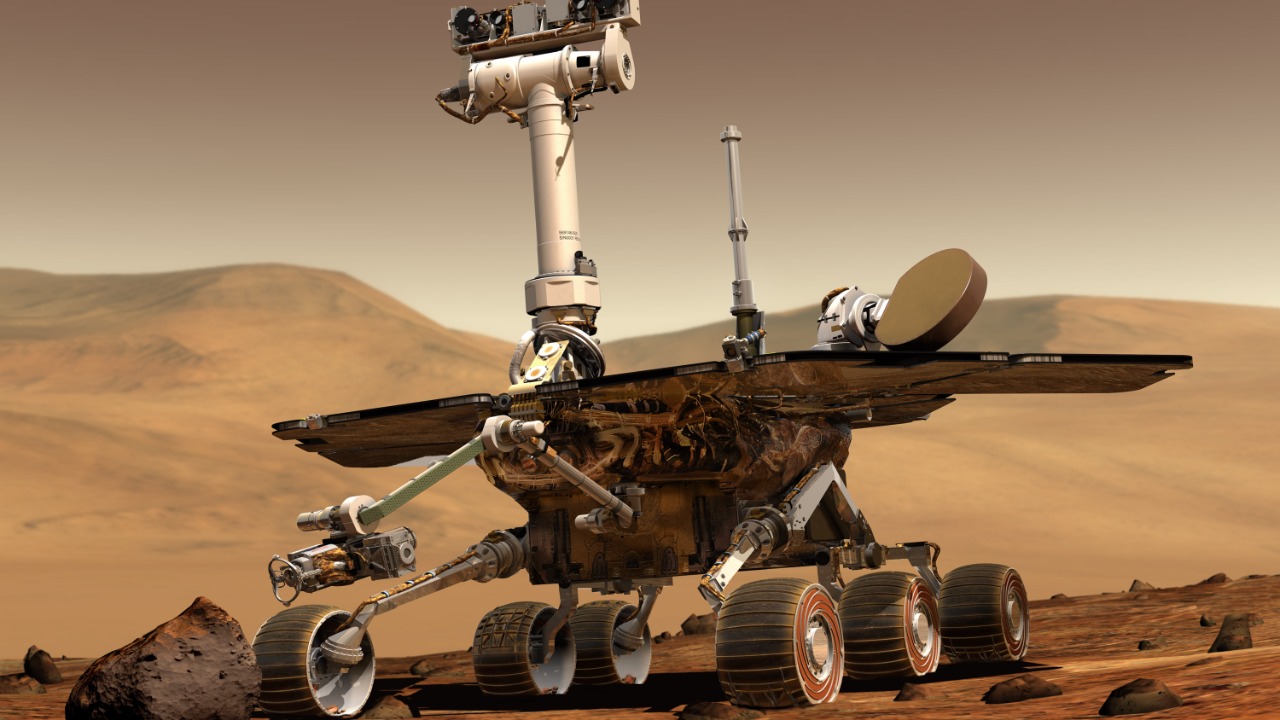
The discovery of lunar bacteria contributes significantly to astrobiology research. It provides a tangible example of life surviving in space, bolstering theories that life may exist or have existed on other celestial bodies. This discovery also suggests that microbes from Earth could potentially survive on Mars or other planets, a topic of recent interest as highlighted by this CNN article.
This research also influences the search for extraterrestrial life. The survival of Streptococcus mitis on the Moon provides a new perspective on what environments might be capable of sustaining life. It broadens the parameters for potential habitable environments in space, expanding the search for extraterrestrial life beyond planets and moons with Earth-like conditions.
The Future of Lunar Research
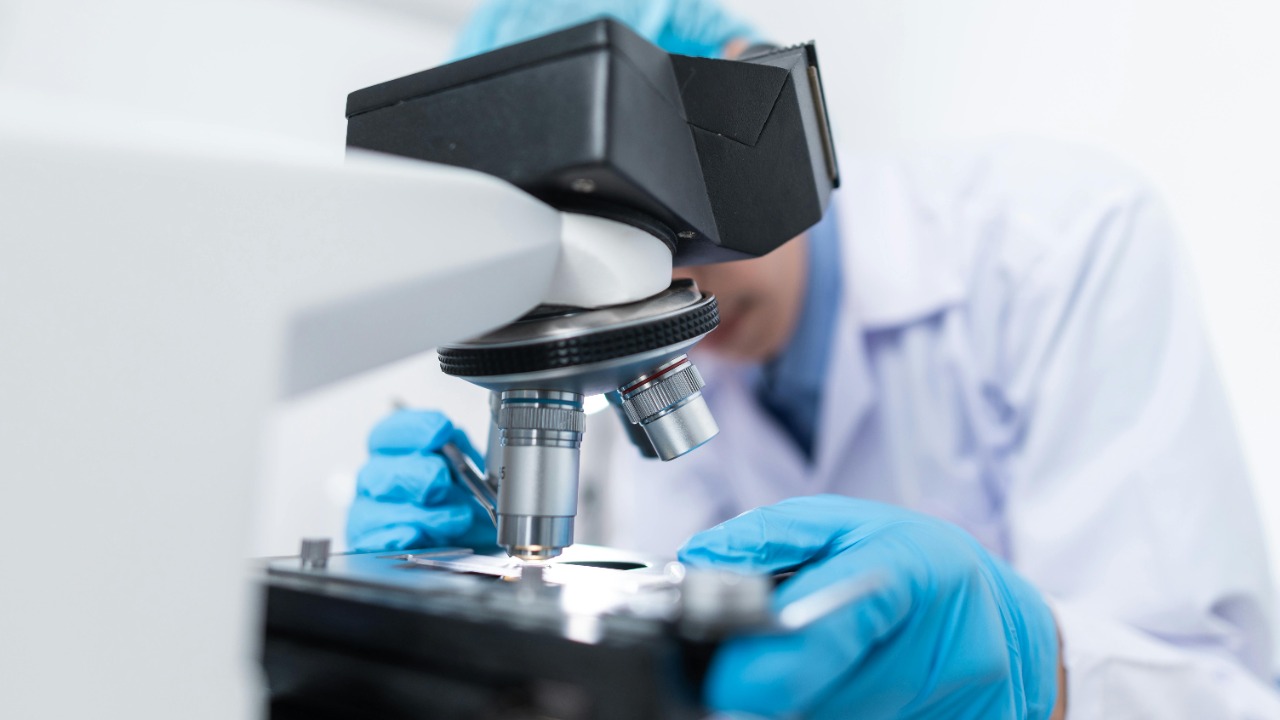
Current and planned missions aim to further explore lunar microbiology. The discovery of Streptococcus mitis on the Moon opens up new avenues of research, including the study of how bacteria survive in space and the potential for microbial life in other extreme environments, such as the lunar polar regions discussed in this Universe Today article.
Additionally, the potential for lunar colonies and the role of bacteria in these endeavors are becoming increasingly relevant. Studying the survival and potential uses of bacteria in a lunar environment could be crucial for establishing long-term human presence on the Moon. However, the ethical considerations of introducing Earth life to other celestial bodies must be carefully considered to prevent potential harm to existing extraterrestrial ecosystems, if they exist.
Impact on Earth’s Understanding of Life’s Resilience
The implications of this discovery for understanding life’s survival in harsh environments on Earth are profound. The adaptability and resilience demonstrated by Streptococcus mitis could shed light on how life survives in extreme environments on Earth, such as deep-sea trenches or volcanic areas.
These findings could also influence research into extremophiles, organisms that thrive in extreme environments, and their potential use in biotechnology. By understanding how these organisms adapt and survive, scientists can harness their abilities for various applications, from waste treatment to medicine. The broader implications for understanding life’s adaptability and resilience are vast, changing our perception of life’s potential not just on Earth, but throughout the universe.
