
In a significant leap forward for technology, researchers have developed a phone capable of projecting 3D holograms. This groundbreaking innovation is set to transform the worlds of communication and entertainment by producing lifelike images that can be experienced from all angles.
The Journey to 3D Holography
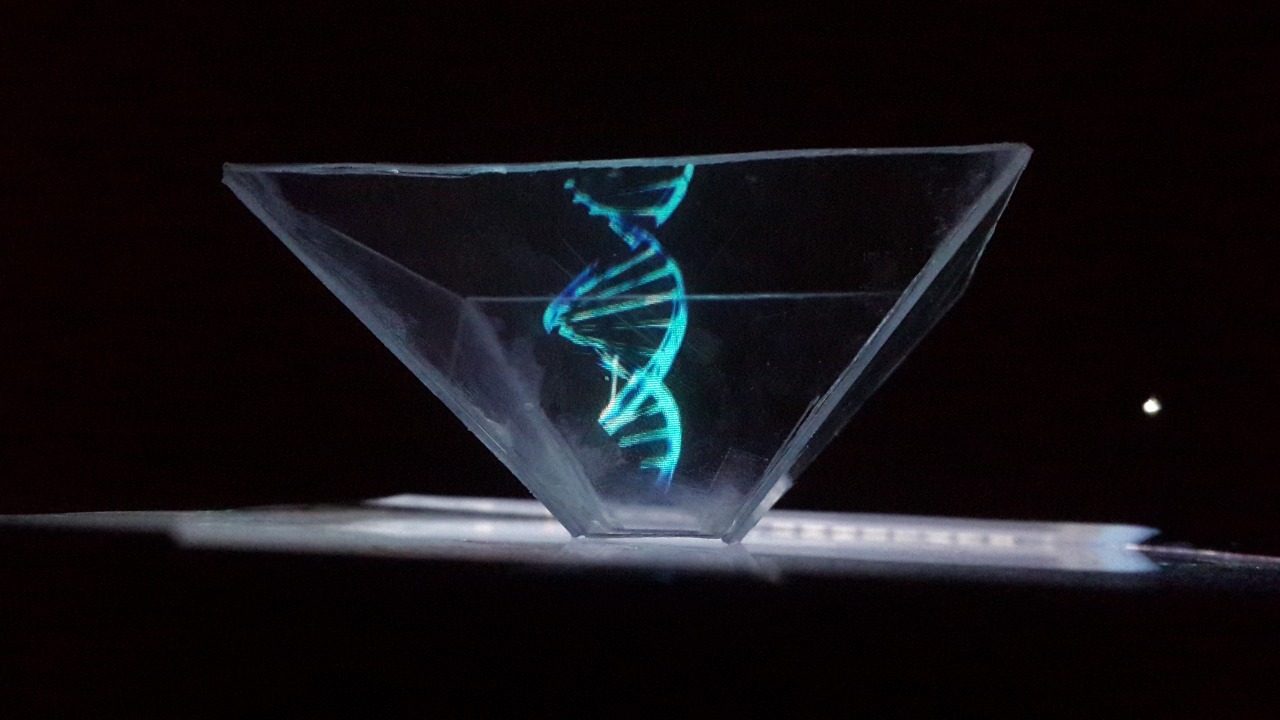
The evolution of 3D holography in technology has been a fascinating journey. From the early days of simply creating the illusion of depth in images to now being able to project fully three-dimensional, interactive objects, the field of 3D holography has grown leaps and bounds. A crucial player in this development has been artificial intelligence (AI). AI has enabled the creation of more realistic holograms by improving image processing and recognition capabilities.
However, the journey has not been without its challenges. Achieving high-quality resolution and maintaining hologram stability are just a few of the hurdles that researchers have had to overcome. But through perseverance and innovation, these issues have been tackled head-on, leading to the creation of the 3D holographic phone.
How the 3D Holographic Phone Works
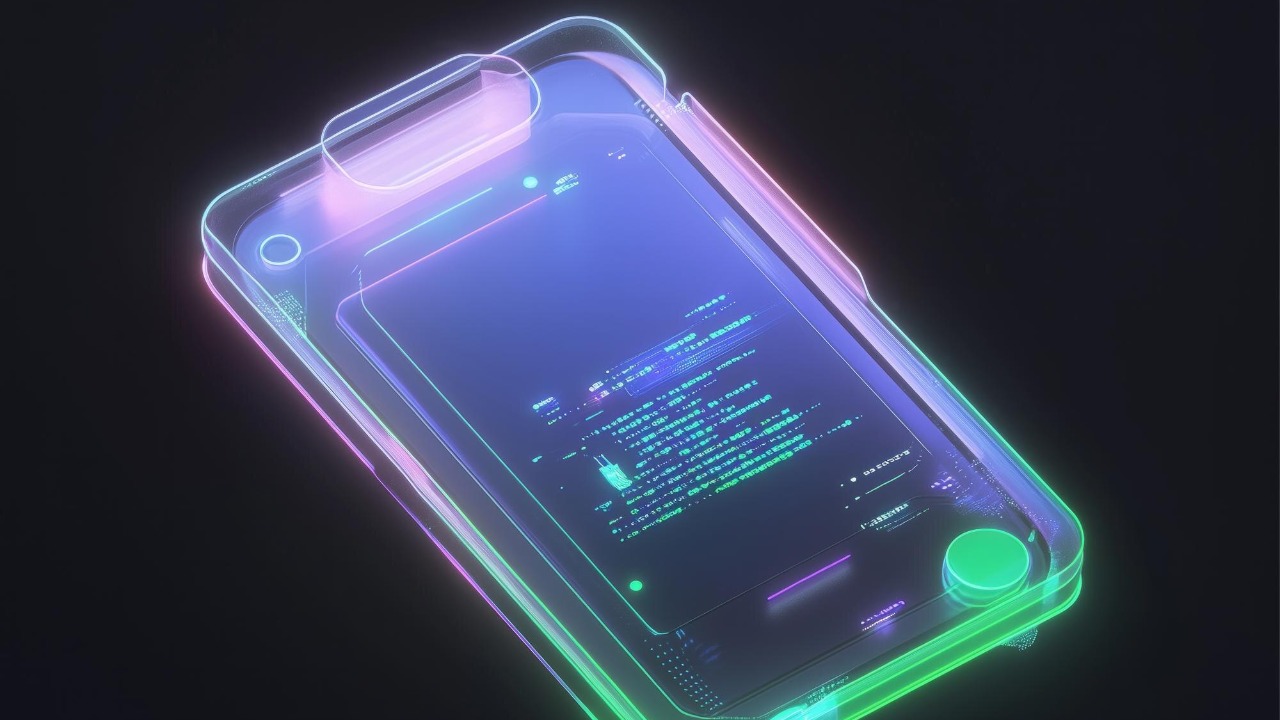
The technology that allows smartphones or TV displays to project holographic images is nothing short of remarkable. It involves complex algorithms and advanced hardware to manipulate light and create the illusion of a three-dimensional object. This process leverages the principles of both physics and computer science to bring holography to the palm of your hand.
Using virtual reality (VR) technology, 3D holograms can be created and projected. This involves capturing an object from multiple angles and then using computer algorithms to construct a three-dimensional representation of the object. This technology holds immense potential for integration into everyday devices, transforming how we interact with technology.
Implications of 3D Holography in Everyday Life
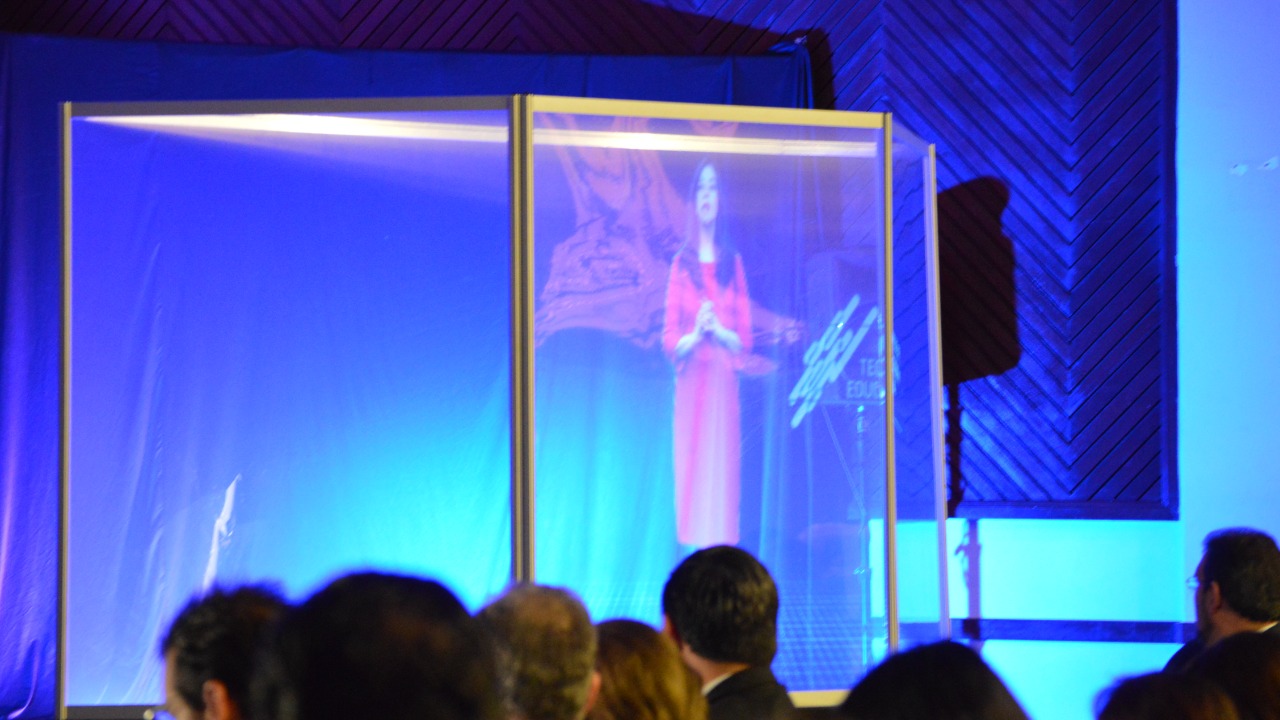
The potential impact of this technology on communication methods cannot be overstated. Imagine being able to project a life-sized, three-dimensional image of a loved one who is miles away, effectively bridging the gap between reality and virtual communication. The benefits of 3D holography extend beyond communication to entertainment, education, and business. For instance, it could enable students to interact with complex scientific concepts in a more tangible way, or allow businesses to showcase their products in a more immersive format.
However, the widespread use of 3D holography also raises certain concerns. Privacy issues, the potential for misuse, and the technological limitations of current hardware are all factors that need to be considered as this technology continues to evolve.
Future of 3D Holography
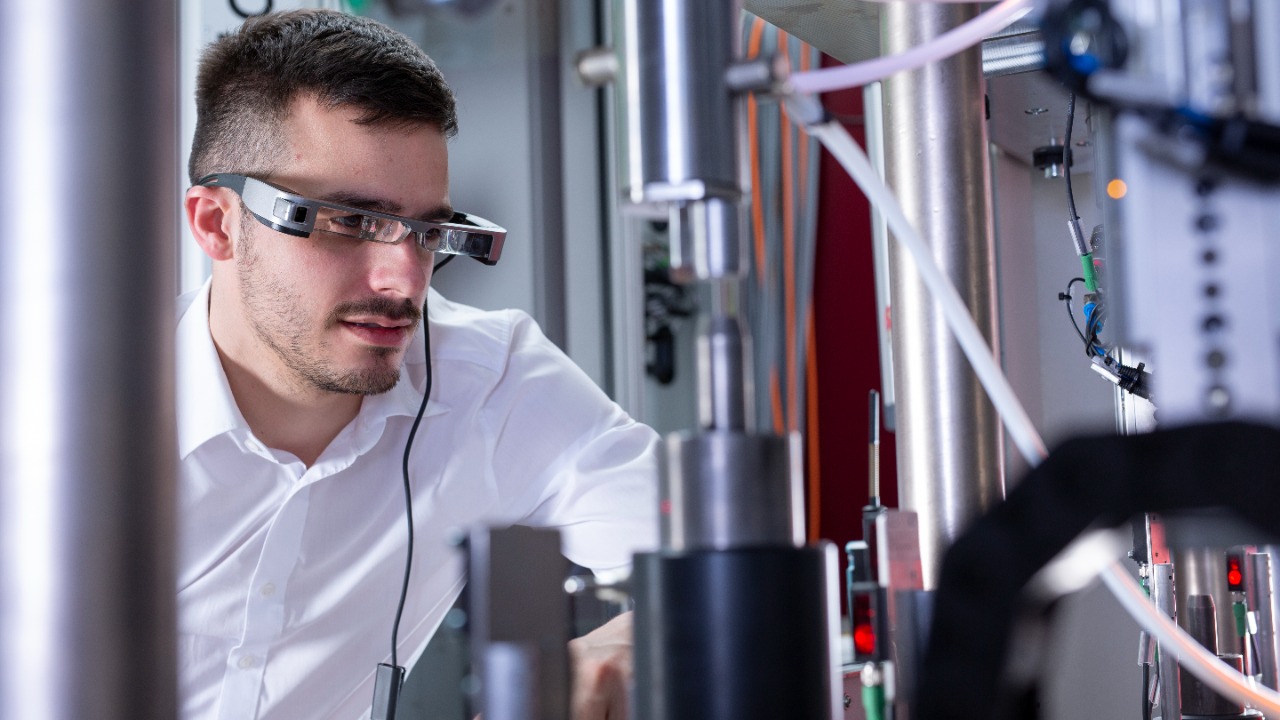
While the current strides in 3D holography are indeed impressive, there is still much room for enhancement. Future developments could see holographic displays becoming more commonplace, with even more realistic and high-resolution holograms. The integration of 3D holography into other fields of technology, such as augmented reality (AR) and mixed reality (MR), is also a promising prospect.
As we continue to push the boundaries of what technology can do, it’s clear that 3D holography has the potential to redefine the future of technology. From creating immersive virtual worlds to revolutionizing remote communication, the possibilities are endless.
Case Study: MIT’s Research on 3D Holograms and VR
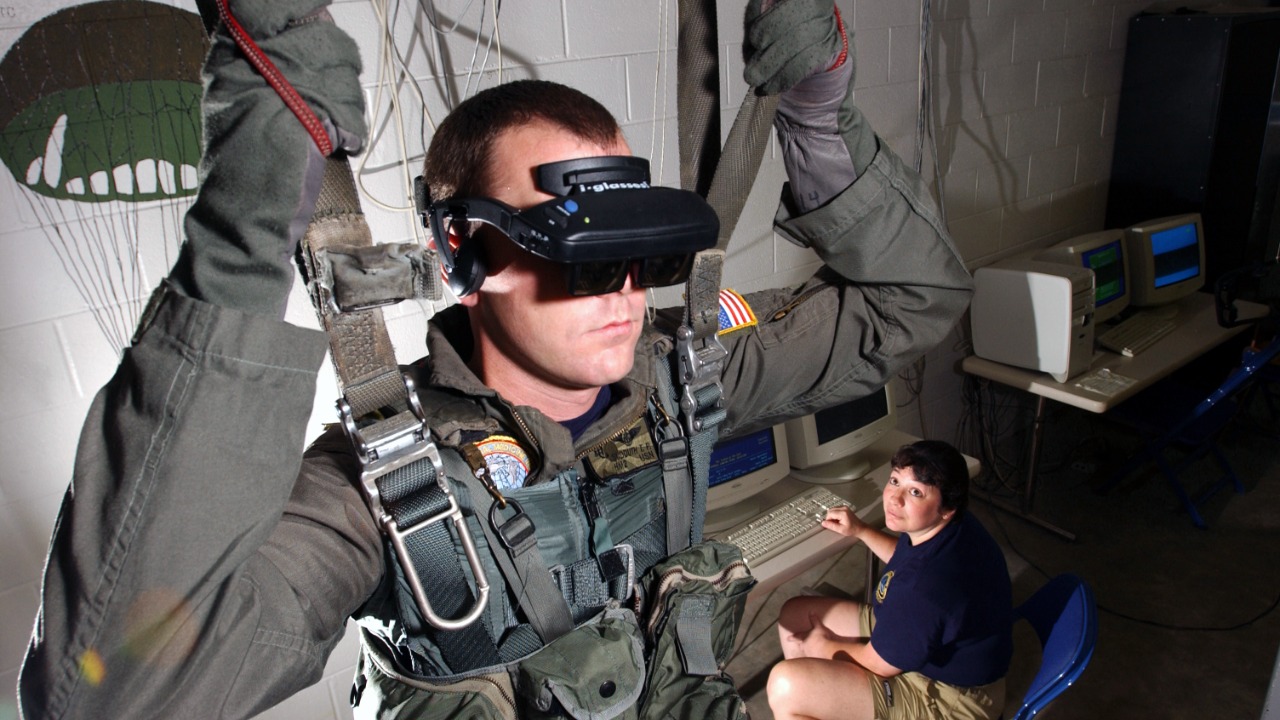
A notable contributor to the development of the 3D holographic phone is the research conducted by the Massachusetts Institute of Technology (MIT). Their groundbreaking work on 3D holograms and VR technology provides meaningful insights into the capabilities of this technology. The research conducted by MIT has led to significant breakthroughs in the field of holography.
MIT’s research has aided in addressing the challenges associated with creating lifelike holograms. They have developed novel methods to improve the resolution and stability of holograms, contributing significantly to the development of the 3D holographic phone. Their work serves as a testament to the potential of 3D holography and its future applications in our everyday lives.
