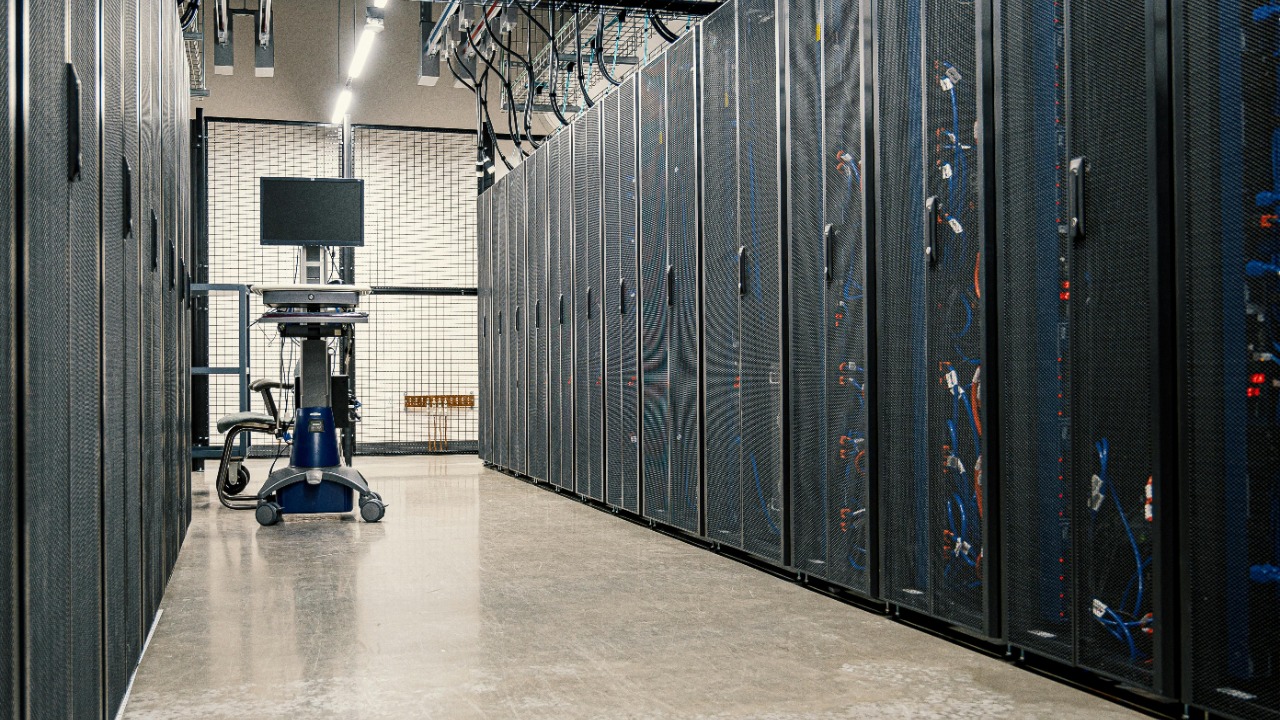

Pennsylvania is trying to keep the artificial intelligence boom from blowing up household power bills. As energy-hungry data centers race to plug into the grid, lawmakers are moving to slow speculative growth, rein in utilities, and answer residents who say they never signed up to host server farms next to their homes. The fight is turning the state into a test case for how far governments will go to protect ratepayers while still courting the tech industry.
At the center of the clash is a simple question with billion‑dollar stakes: who pays when utilities overbuild for data centers that may never arrive, or that demand far more electricity than expected? Pennsylvania’s answer is starting to take shape in new laws, hearings, and model ordinances that try to put guardrails around a sector many communities now see as both economic opportunity and existential threat.
Ratepayers revolt as speculative data center bets hit electric bills
State officials are increasingly explicit that the data center rush is not an abstract future risk but a present hit to family budgets. In HARRISBURG, Pa., The Pennsylvania House Energy and Consumer Protection committees recently held a joint hearing to probe why electricity costs are rising so fast and how much of that spike traces back to AI facilities that devour power around the clock, a concern that has put data centers squarely on the agenda for State Rep. questions about affordability and reliability. At the same time, separate reporting from HARRISBURG, Pennsylvania has documented lawmakers pressing utilities on how much of the surge in demand, and the resulting higher bills, is being driven by AI data centers rather than traditional industrial growth.
Behind those hearings is a growing sense that utilities have been making aggressive assumptions about future server farms and then asking customers to foot the bill. Analysts estimate that Pennsylvania faces a roughly 9 billion dollar problem tied to grid investments premised on data centers that may or may not materialize, a pattern that prompted the General Assembly to pass Pennsylvania’s new Load Forecast Accountability Act so regulators can scrutinize the projections that are already hitting electric bills. The law is explicitly framed as a way to Protect Ratepayers from Speculative Data Center Demand, and it requires utilities to justify big capacity expansions that hinge on large computing loads, rather than quietly socializing the costs of infrastructure built for centers that may never materialize.
Load Forecast Accountability Act: a rare bipartisan brake pedal
For a legislature often split on energy policy, the Load Forecast Accountability Act stands out as a rare consensus that the status quo was untenable. I see it as a direct response to years of utilities treating data center interest as a blank check, locking in long‑lived transmission and generation projects that ratepayers would be stuck paying for even if the tech companies walked away. By tightening oversight of how companies forecast demand, Pennsylvania’s new Load Forecast Accountability Act forces utilities to show their work and gives regulators a clearer line of sight into which grid upgrades are truly necessary and which are speculative bets on AI growth.
The law’s backers are blunt that they are trying to Protect Ratepayers from Speculative Data Center Demand, not to freeze out the industry entirely. In practice, that means requiring more transparent modeling of large customer loads, stress testing scenarios where promised facilities never break ground, and limiting the ability of utilities to roll the dice on multi‑billion‑dollar expansions without clear contractual commitments. It is a technocratic fix, but one with sharp political edges, because it implicitly rebukes past decisions that left households subsidizing infrastructure for data centers that may never materialize.
Shapiro’s tightrope: welcoming AI jobs while facing “dirty data center” backlash
Governor Josh Shapiro is trying to walk a narrow line between tech boosterism and neighborhood anger. In a recent budget address, Gov Shapiro used prime time to outline a plan for regulating AI data centers, signaling that the administration sees the sector as both an economic pillar and a regulatory headache, a message amplified in a televised segment that urged viewers to Download the FOX43 app to follow his evolving framework. At the same time, State and federal officials are finding their footing on data center development and AI broadly, with figures on the left such as Sen Bernie Sanders pushing for tougher national standards while Shapiro leans on advisory committees on data centers to shape Pennsylvania’s approach.
That balancing act has not quieted critics. Environmental and community groups warn that a Shapiro‑supported model ordinance, embodied in HB2151, threatens to speed up controversial data center construction statewide by streamlining local approvals and limiting how much municipalities can say no. In their view, the bill would grease the skids for what opponents have branded dirty data centers, a label that surfaced in coverage by Matthew Duckworth, who reported that Amidst widespread community backlash, residents and advocates are telling lawmakers these projects must be stopped and highlighting that the story drew 2Comment and 56 reactions as a sign of public intensity. For Shapiro, the political risk is clear: if voters associate his administration with higher bills and noisier, more polluting facilities, the promise of AI‑era jobs may not be enough to offset the anger.
Local pushback: “decisions are being made in vacuums”
On the ground, the fight over data centers is playing out township by township, often with residents learning about projects only after key decisions are made. In one high‑profile case, State Sen Gene Yaw of Lycoming County acknowledged that he has heard constituents say, Well, just let’s bar them. We will prohibit them, a reflection of how quickly skepticism has hardened into outright opposition in some rural and suburban communities. That frustration is echoed by State Sen Katie Muth of Montgomery County, whose district includes a planned facility and who has warned that Her constituents feel decisions about AI data centers are being made in vacuums, without meaningful local input or clear answers about noise, diesel backup generators, and 24/7 light pollution.
Those complaints are not limited to a single project or party. Many Pa. residents do not want data centers in their communities, and they are increasingly organized, showing up at zoning hearings and pressing county commissioners to slow or block approvals. Their concerns range from water use to property values, but a common thread is the sense that state leaders are welcoming them while leaving locals to absorb the risks, a dynamic captured in reporting that quotes State Sen Katie Muth warning that Her neighbors are being asked to trust promises about jobs and tax revenue without hard guarantees. When that skepticism collides with model ordinances like HB2151 that appear to tilt the playing field toward developers, it feeds the narrative that Harrisburg is siding with power‑hungry corporations over the people who live next door.
First‑ever regulations and a crowded legislative battlefield
Inside the Capitol, lawmakers are scrambling to catch up to an industry that has already reshaped parts of the grid. Members of the House have touted what they describe as the first‑ever regulations aimed specifically at data centers, with hearings that featured Matzi warning that this is not to mention the impacts on water, land, and other resources that we will need to consider in future legislation if Pennsylvania is serious about managing the full footprint of AI infrastructure. Parallel efforts outlined in a legal analysis of the data center surge describe new bills that would create a Data Center Act, tie tax incentives to renewable energy use, and set up an accelerated two‑phase permitting process, a package that shows how quickly the policy conversation has shifted from whether to regulate to how aggressively to shape the sector’s growth.
More from Morning Overview