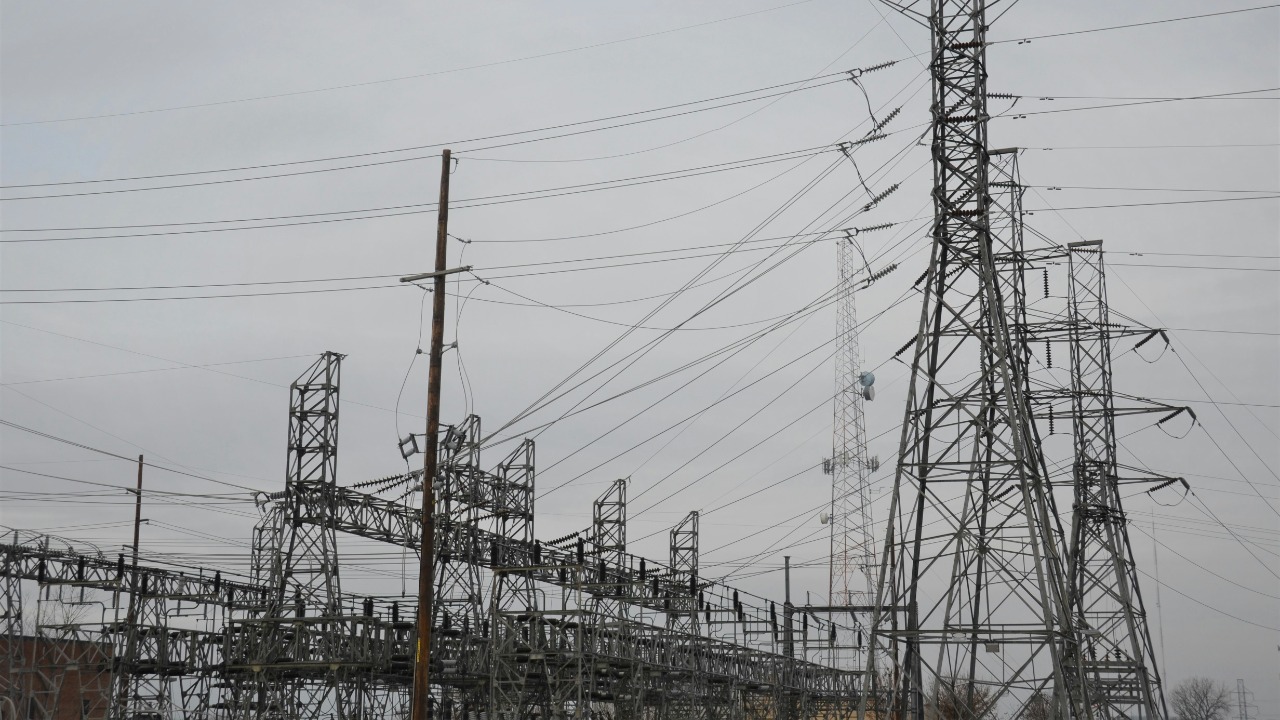

Across the United States, the lights have mostly stayed on through a bruising winter, even as Arctic air and ice hammered power lines and transformers. Grid operators have leaned on new tools, from batteries to emergency orders, to keep electricity flowing. Yet the same experts who are celebrating that short term resilience are warning that the next five years could be some of the most precarious in modern grid history, as demand surges and infrastructure struggles to keep up.
The tension is simple: the system is passing today’s stress test, but the exam is about to get much harder. A rapid build out of solar farms, batteries and data centers is colliding with aging poles, congested transmission lines and a warming climate that is turning once rare “hundred year” storms into regular events. The result is a reliability outlook that is deteriorating even as investment and innovation accelerate.
Storm battered grids are holding, but only with emergency help
Recent winter weather has shown both how far the grid has come and how fragile it remains. During Winter Storm Fern, power plants largely stayed online, but the real damage came at the edges of the system, where Winter Storm Fern the storm wiped out at least 860 distribution poles. That kind of destruction underscores how vulnerable local lines are, even when generation fleets perform as designed.
Federal officials have been forced to lean on extraordinary measures to keep that fragility from turning into catastrophe. The U.S. Department of Energy has extended an emergency order so power plants in New England can temporarily bypass some environmental limits to avoid blackouts as another storm bears down. At the same time, analysts tracking the North American system say reliability is “worsening” and that blackout risks are rising for millions of people, a warning detailed in a Jan report and echoed by a group that monitors the U.S. electricity system in a separate Jan assessment.
Demand is exploding faster than the grid can grow
The core reason the next five years look so punishing is that electricity demand is rising at a pace the modern grid has rarely seen. After decades of relatively flat consumption, global power use is now surging across markets, with one analysis finding that demand is increasing by several percentage points a year as economies electrify transport, heating and industry, a trend highlighted in a global energy outlook. In the United States, that surge is amplified by a wave of AI driven data centers and advanced manufacturing plants that are connecting to the grid with multi gigawatt appetites.
Federal officials now say Electricity demand from AI driven data centers and advanced manufacturing is rising at a record pace, compounding seasonal stress and exposing interregional dependencies. One industry assessment warns that MISO will start to see the risk climb as soon as 2028 and that will spread to the other regions the following year, noting that, since last year, relatively little firm capacity has been added. According to According to NERC’s capacity and energy risk assessment, that imbalance between surging demand and lagging resources is already creating adequacy challenges over the next five years.
Clean energy is racing ahead, but the wires are the bottleneck
On the supply side, the picture is more hopeful, but it comes with its own complications. Over the next five years, Over the next five years, solar power and batteries are expected to make up most of the new electric generation coming online in the United States and Canada. That shift is already visible in places like Texas, where, for a brief period on a recent Monday morning, 9.5% of the power supplied to the grid came from batteries that generated more than 7,000 megawatts during the storm. Those resources helped the Texas grid weather conditions that, just a few years ago, might have triggered rolling outages.
The problem is that the high voltage network needed to move that clean power is not expanding nearly as fast. Analysts warn that, in parallel with this build out, after decades of relatively stable consumption, electricity demand is surging across markets globally and is quickly eating up available capacity for new demand, a trend detailed in a grid infrastructure analysis and expanded in a second Jan briefing. Without a rapid acceleration of transmission projects, much of the new solar and storage capacity risks being stranded behind congested lines, unable to reach the cities and factories that need it most.
Reliability is now a national security and economic issue
What used to be a technical debate about reserve margins has become a front line national security concern. Industry strategists argue that Energy Grid Modernization is no longer optional, because Why Transmission Infrastructure Is Now a National Security Issue is tied directly to the resilience of military bases, hospitals and critical manufacturing. A companion analysis notes that Energy grid modernization becomes critical as electrification, renewables and data centers all scale up simultaneously. In that context, a prolonged regional blackout is not just an inconvenience, it is a strategic vulnerability.
Rural cooperatives, which serve tens of millions of Americans, are sounding similar alarms. NRECA has issued a blunt warning titled Calls for Swift Action to Address Worsening Grid, arguing that Projected energy resource and transmission growth will not be enough to meet rising demand in regions including the Midwest, Mid Atlantic and Northwest. A separate Projected analysis from the same group stresses that without faster permitting, more flexible market rules and targeted federal support, co ops will struggle to keep power affordable and reliable for their members.
The next five years will decide whether resilience keeps up
For now, the system is muddling through. The United States is experiencing a major winter storm in Jan 2026 that has strained the grid across multiple regions, yet most customers have stayed connected thanks to mutual aid crews and emergency imports, as detailed in a Winter Storms Are analysis of the Electric Grid in The United States. Yet the same storm has exposed how much of that resilience depends on last minute heroics, from emergency orders in New England to crews racing to replace broken poles highlighted by Grist.
Whether the grid can keep passing those tests will depend on choices made very quickly. Analysts argue that accelerating grid infrastructure deployment, clearing interconnection backlogs and hardening local distribution networks against storms will determine whether the system can handle both climate stress and digital era demand. A broader electrified future analysis and a companion Energy Grid Modernization strategy both point to the same conclusion: if policymakers and utilities move quickly, the next half decade can be a bridge to a more robust, cleaner system. If they do not, the storms that the grid is surviving today may look mild compared with what comes next.
More from Morning Overview