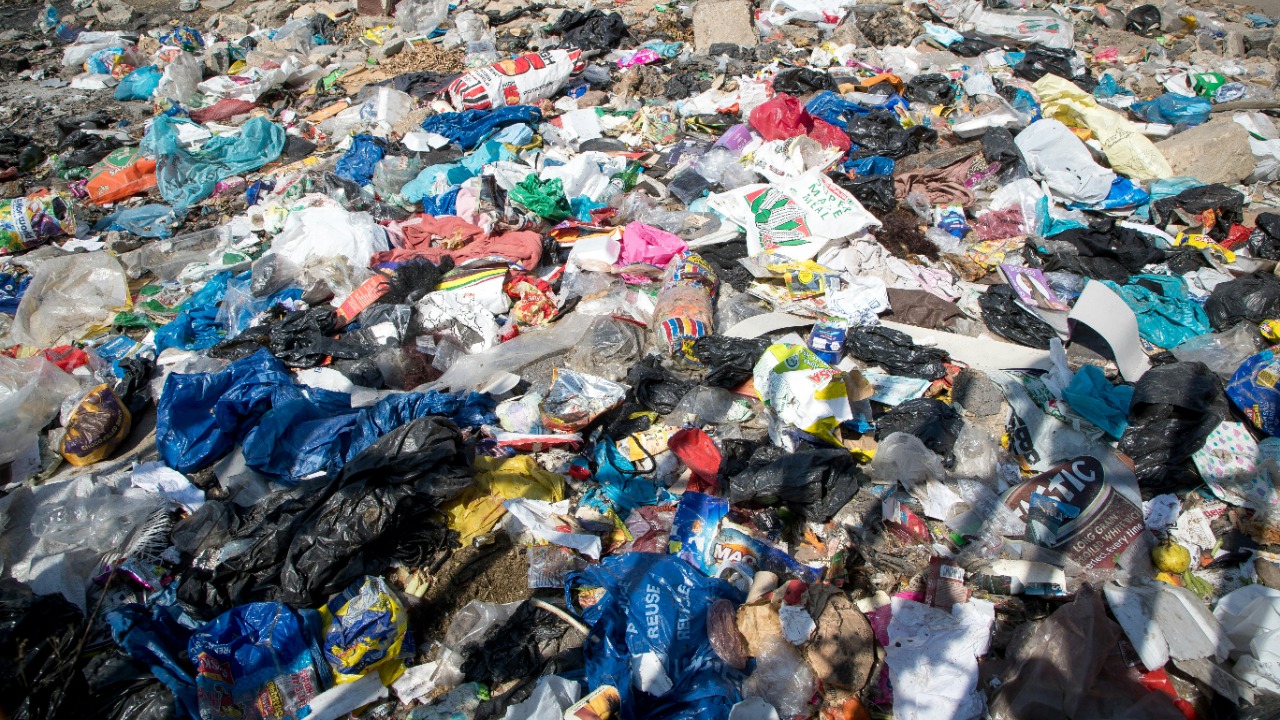

Plastic has become the default material of modern life, from food packaging and fashion to phones and cars, yet almost none of it is truly reclaimed. The comforting story that we can buy what we like and simply “recycle” the waste was never a neutral public service message, it was a sales strategy. That lie helped plastic take over the planet, and I still see it shaping how governments, companies and consumers respond to a deepening pollution and health crisis.
Instead of treating plastic as a hazardous, largely unrecoverable material, we have been taught to see it as a kind of circular resource that just needs the right bin. The evidence now shows that this belief has delayed regulation, fueled overconsumption and left communities and ecosystems carrying the costs.
The scale of a crisis disguised as a success story
To understand how powerful the myth of recycling has been, it helps to start with the numbers. Globally, plastic consumption has quadrupled in the past 30 years and is expected to triple again in the next 30, even as the world already faces a global plastics crisis. Nov reporting from environmental advocates notes that plastic consumption has already surged and that this trajectory continues even as waste systems buckle. At the same time, the share of plastic that is actually recycled remains tiny: in the United States, the rate hovers around 5 percent, and Globally the plastic recycling rate is slightly higher at 9 percent.
Those figures are not a rounding error, they are the system working as designed. Analysts who track the Plastic economy point out that between 1950 and 2015, over 90% of plastic ever produced was never recycled at all. Yet on America Recycles Day, campaigns still tell Americans that diligent sorting will solve the problem, even as Today the same groups warn that Americans cannot effectively recycle because of a fossil fuel industry backed lie about what is possible.
How Big Oil sold “recycling” to keep plastic flowing
The gap between the promise and reality of recycling is not an accident, it is the result of a deliberate communications strategy. Historical accounts of the History of Plastic describe how “Recycling to the Rescue” campaigns emerged as plastic waste became impossible to ignore, casting collection programs as a kind of civic heroism. Later investigations into plastic bans show that the industry promoted recycling specifically to keep restrictions at bay and keep its sales growing.
According to The Fraud of Plastic Recycling, which details how Big Oil and the plastics industry shaped public perception, the core message was that plastic waste was a technical problem that could be solved with better sorting and new plants, not a production problem. Fraud of Plastic notes that Underpinning the crisis is a campaign of fraud and deception that fossil fuel and petrochemical companies used to sell plastic as recyclable even when internal research showed large scale recycling was not technically or economically viable. When I look at the messaging that still dominates corporate sustainability reports, I see the same pattern: a focus on collection and consumer behavior, and almost no appetite to talk about cutting production.
A decades long campaign of deception
Recent investigations have filled in the details of how that campaign worked. According to a new report from fossil fuel accountability organization the Center for Climate, or CCI, plastics producers spent decades funding ads, front groups and research to promote recycling and mislead the public about its limits. The same analysis stresses that “Plastic pollution is one of the most serious environmental crises facing the world today” and that Plastic companies should face action to hold them accountable.
Legal pressure is now catching up. The State of California and environmental groups including the Sierra Club have accused ExxonMobil and other petrochemical giants of misleading the public about plastics recycling for 50 years, arguing that the companies always knew large scale recycling would be too difficult or too expensive to work. Separate reporting on Big Oil and the plastics industry concludes that Big Oil and plastics industry deceived the public for decades, causing the global plastic waste crisis that communities are now struggling to manage.
Recycling was a distraction technique, not a solution
What makes this history so corrosive is that it did not just misinform people, it actively blocked better options. Analysts who have examined internal documents describe a distraction technique that was meant to shift the blame and responsibility for plastic pollution from companies to consumers, while plastic production kept rising. One detailed account notes that This distraction technique helped keep regulators focused on bins and sorting instead of caps on output, even as microplastics spread into the water we drink.
Critics now argue that Plastic Recycling is a Lie Designed to Distract Us from Real Solutions, and the evidence backs them up. For decades, the plastic industry has used the idea of recycling to Distract Us from policies that would limit production, phase out toxic additives and redesign products. One analysis of global waste flows finds that Only 1 – 14% of the plastic packaging that households put in bins is actually turned into new products, with the rest burned, buried or shipped as waste exports from the U.S., a figure highlighted in the same Real Solutions critique.
What really happens to the plastic in your bin
When I follow the path of a typical plastic bottle or wrapper, the disconnect between the blue bin and reality becomes obvious. Advocates who track waste flows say Recycling is broken, and that Much of the plastic dropped in recycling bins is not actually recycled at all. In one snapshot from 2014, 22% of PET plastic collected for recycling in the United States was exported to other countries at a loss, a reminder that even the most recyclable PET often leaves the country instead of becoming new bottles.
Other assessments are even starker. One review of municipal data concludes that Plastic Recycling is a Facade and that Only about 5% of U.S. plastic waste gets recycled, while only 10% of the plastic ever made has been recycled at all, a reality that undercuts every feel good campaign about circular packaging. That same analysis notes that Plastic Recycling is a Facade in part because so many products are made from complex mixes of resins, chemicals, additives and colorants that are nearly impossible to separate. As the NPR story rightly highlights, plastics recycling is not going to solve our plastics pollution problem, and As the NPR analysis of industry tactics shows, the real solution is to cut production, redesign materials and build systems that do not depend on single use plastic in the first place.
More from Morning Overview