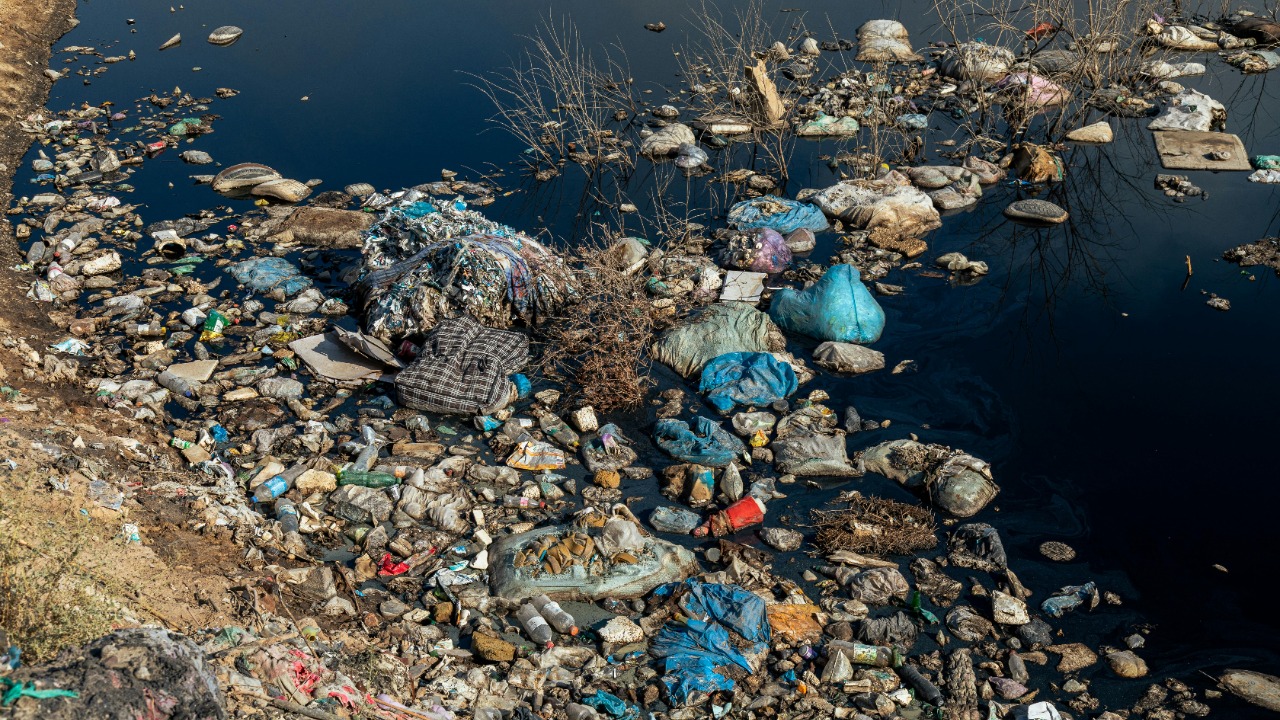

Plastic waste is no longer just an eyesore floating on the surface of rivers and seas. A growing body of research now shows that it is reshaping the chemistry and biology of water itself, creating conditions that favor toxic blooms, disease, and long term ecosystem damage. The latest findings warn that as plastics fragment into microscopic and even nanoscale particles, they can destabilize the very microbial communities that keep water safe to drink and oceans able to absorb carbon.
What looks like a solid bottle or food wrapper is, in practice, a slow release device for particles and chemicals that persist for decades. As those fragments accumulate, they interact with warming temperatures, nutrient pollution, and overfishing to push lakes, coasts, and open oceans toward more hazardous states. I see the emerging science as less a niche pollution story and more a warning that our plastic habit is undermining basic life support systems.
Microplastics are turning water into a microbial experiment
Researchers in San Diego have shown that tiny plastic fragments can tip the balance of microscopic life in water toward more dangerous configurations. In controlled experiments, fossil fuel based particles were found to destabilize microbial communities, encouraging the growth of organisms linked to low oxygen conditions and harmful toxins, while bioplastic alternatives had a much smaller impact. The work, described in detail by Plastic Pollution Promotes Hazardous Water Conditions, New Study Finds, suggests that the material recipe of our trash matters as much as the sheer volume.
The same team’s findings, summarized in a separate San Diego report, indicate that petroleum derived microplastics can encourage blooms of bacteria that strip oxygen from water and produce compounds that are toxic to fish and potentially to people. Coverage on Feb further underscores that these shifts are not subtle background noise but measurable changes in water quality indicators that regulators already track.
Plastic pollution is supercharging harmful blooms and dead zones
One of the clearest warning signs is the way plastic appears to amplify algal outbreaks. New research highlighted by Plastic shows that microplastics can act as rafts and nutrient hotspots for algae, helping toxic species outcompete their benign neighbors. The study links these particles to more frequent and intense harmful blooms, including the red tides and sprawling green slicks that have shut down fisheries and tourism in coastal communities.
Those findings are echoed in a second analysis of Harmful blooms, which notes that plastics can change how nutrients and light are distributed in the water column. In the open ocean, case studies of the Great Pacific Garbage Patch show that dense accumulations of debris alter nutrient balance and oxygen levels, effectively engineering new dead zones, as described in a case study of that floating dump.
From ocean gyres to tap water, nanoplastics are slipping through defenses
As plastics break down, they do not disappear, they simply become harder to detect and remove. Recent work on Nanoplastics warns that particles small enough to slip through conventional filters can interfere with disinfection processes and cling to pathogens. That raises the risk that even well managed treatment plants could struggle to guarantee safe drinking water as contamination grows.
A companion report on Plastic notes that these nanoscale fragments can also interact with pipe materials and treatment chemicals, creating new byproducts that utilities are not yet monitoring. At the household level, laboratory work on plastic water bottles has shown that microscopic bubbles and cracks can accelerate the release of particles, with Scientists warning that Society urgently needs to come to grips with how everyday containers erode into what they describe as an invisible hazard.
Climate change is making plastic pollution more dangerous
Plastic and climate are often treated as separate crises, but researchers now argue they are tightly linked. A major analysis of Nov findings describes how hotter water speeds up plastic breakdown, increases the leaching of additives, and intensifies the stratification that helps harmful microbes thrive. The authors frame plastic and climate as Joint crises, arguing that mitigation strategies must address both at once rather than in isolation.
Other scientists have gone further, describing plastic and climate as co crises that intensify each other. One group of Scientists studying top ocean predators warned that They are already seeing shifts in feeding behavior and health that reflect both warming and rising debris loads. Another team, quoted in a report on Jan research, put it bluntly, saying that Climate disruption and plastic pollution intersect in complex ways, including by making it harder for oceans to absorb carbon dioxide as microplastics interfere with plankton and other key organisms.
Wildlife and human health are already feeling the strain
Marine ecosystems are on the front line. Conservation groups tracking Marine debris report that wildlife suffers the most direct and damaging effects of ocean plastic pollution, from entanglement to ingestion that blocks digestion or delivers toxic chemicals. The same overview notes that What happens in the sea does not stay there, because the ocean is a delicate ecosystem that regulates oxygen and carbon for the entire planet.
Regulators are starting to connect those ecological impacts to human health. The US Environmental Protection Agency’s review of Environmental Impacts of Plastic pollution stresses that ingestion and exposure to associated chemicals pose risks to both marine species and people. Consumer advocates have cataloged Some of the health issues linked to plastic additives, including low birth weights, preterm births, impaired fertility, and effects on brain development in young children, as detailed in a Some of the focused investigation.
More from Morning Overview