

In an era where sustainable energy solutions are more critical than ever, a groundbreaking innovation inspired by nature is paving the way for future advancements. A PhD student’s ingenious device is not only a testament to the potential of biomimicry but also a beacon of hope for cleaner, more efficient energy sources.
Innovation Rooted in Nature
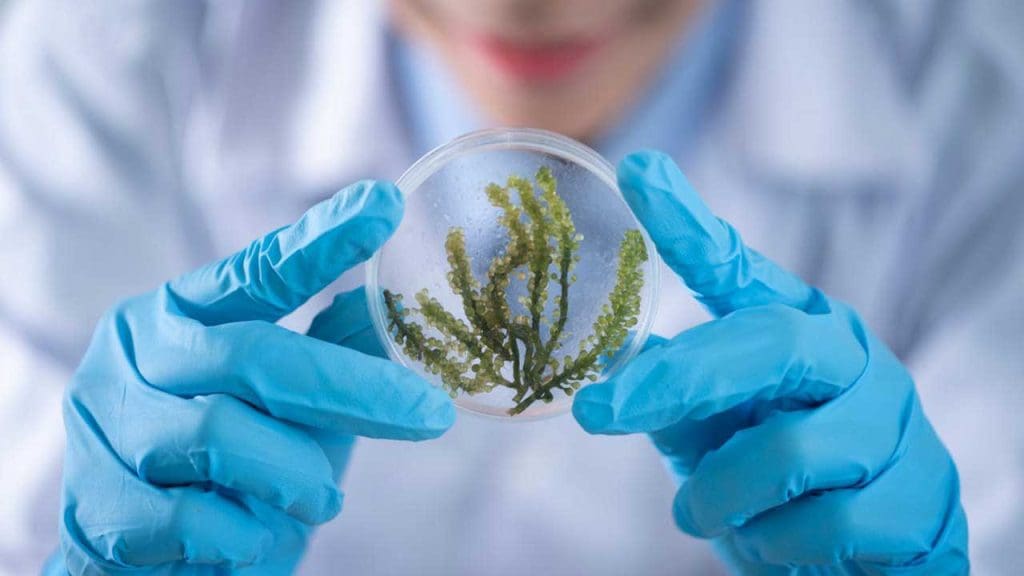
Biomimicry, the art and science of emulating nature’s designs and processes, has become a transformative force in sustainable technology. By observing and replicating the efficiency of natural systems, engineers and scientists aim to create solutions that are both innovative and environmentally friendly. This approach has led to significant advancements across various fields, from architecture to energy production.
A key component in this nature-inspired innovation is sporopollenin, a robust polymer found in the outer walls of spores and pollen grains. Research from MIT has highlighted the remarkable durability and chemical resistance of sporopollenin, making it an ideal candidate for enhancing the longevity and efficiency of energy devices.
Nature’s mechanisms offer a treasure trove of inspiration. For instance, the efficient water drainage systems in plants and the energy storage capabilities of plant cells have significantly influenced the development of new energy solutions. By mimicking these natural processes, researchers are devising technologies that promise greater efficiency and sustainability.
The Journey from Concept to Prototype

Eric Chadwick, a dedicated PhD student, has been at the forefront of this innovation. His work focuses on leveraging nature’s designs to tackle contemporary energy challenges. Chadwick’s nature-inspired device is a beacon of innovation, addressing the urgent need for sustainable energy solutions while pushing the boundaries of what is possible in green technology.
The path from concept to prototype was fraught with challenges. Design and testing phases presented numerous hurdles, but the principles of biomimicry offered unique solutions. By studying natural structures and processes, Chadwick was able to overcome these obstacles, bringing his vision closer to reality. More about his journey can be found in this detailed article.
This breakthrough would not have been possible without the collaborative efforts of experts from various disciplines. Institutions like Penn State’s Institute of Energy and the Environment have provided crucial support, fostering an environment where innovative ideas can thrive and develop into tangible solutions.
Implications for the Future of Energy
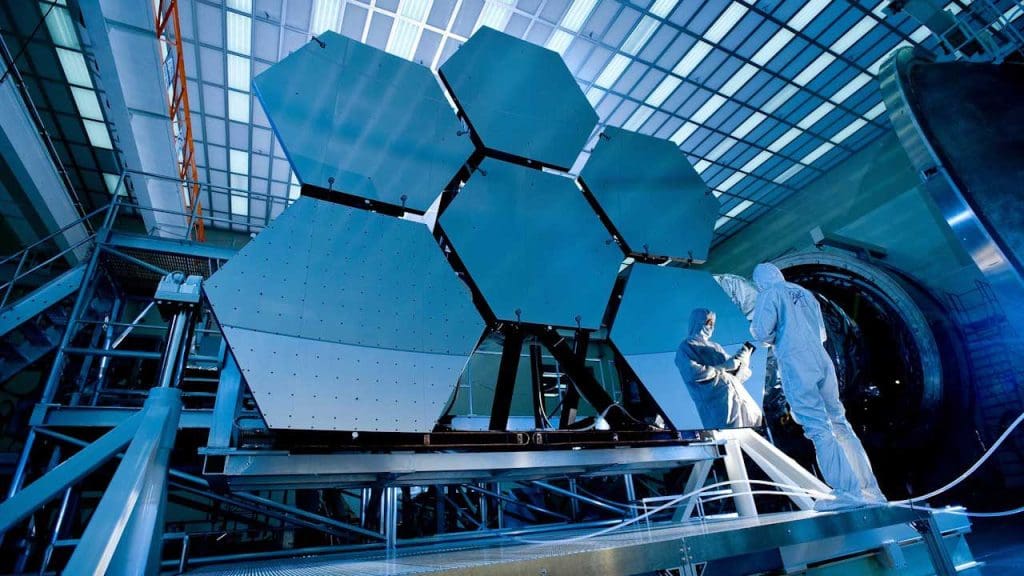
The implications of Chadwick’s innovation are profound. Nature-inspired technologies hold immense potential for promoting sustainability and efficiency in energy production. By reducing reliance on non-renewable resources, these innovations can significantly lessen the environmental impact of energy consumption.
Beyond sustainability, the scalability of Chadwick’s device opens new avenues for real-world applications. This technology holds promise for widespread adoption across various industries, from manufacturing to transportation, offering a versatile solution to diverse energy needs.
This breakthrough is not just a single achievement; it is a catalyst for future innovations. By demonstrating the efficacy of biomimicry in energy technology, Chadwick’s work inspires a new wave of research and development, encouraging others to explore the untapped potential of nature in solving the world’s energy challenges. For more insights into this transformative field, explore this comprehensive resource.