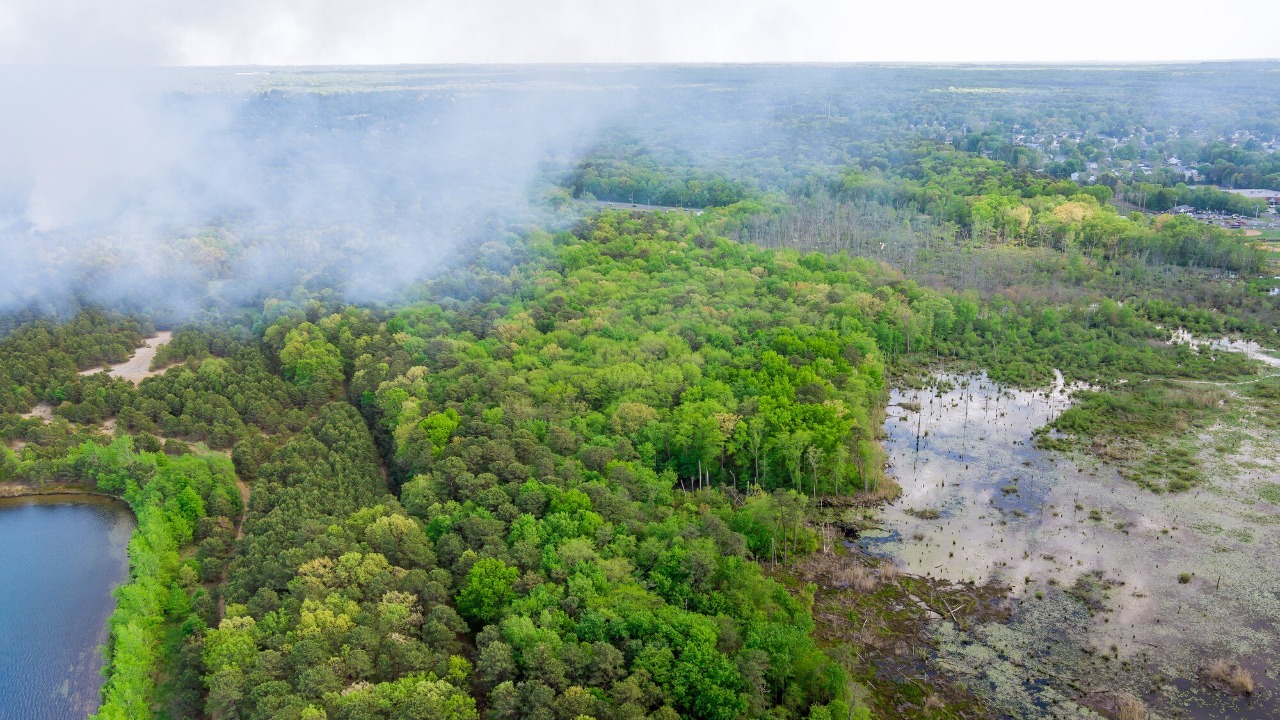

An unexpected region of the Amazon is experiencing ‘alarming’ rapid growth in climate extremes, a development that underscores the intensifying effects of climate change on weather patterns in areas not previously anticipated to be hotspots for such shifts. This phenomenon, coupled with the impacts of climate change on the fate of contaminants through extreme weather events, highlights broader environmental risks in vulnerable ecosystems like the Amazon.
Identifying the Unexpected Region
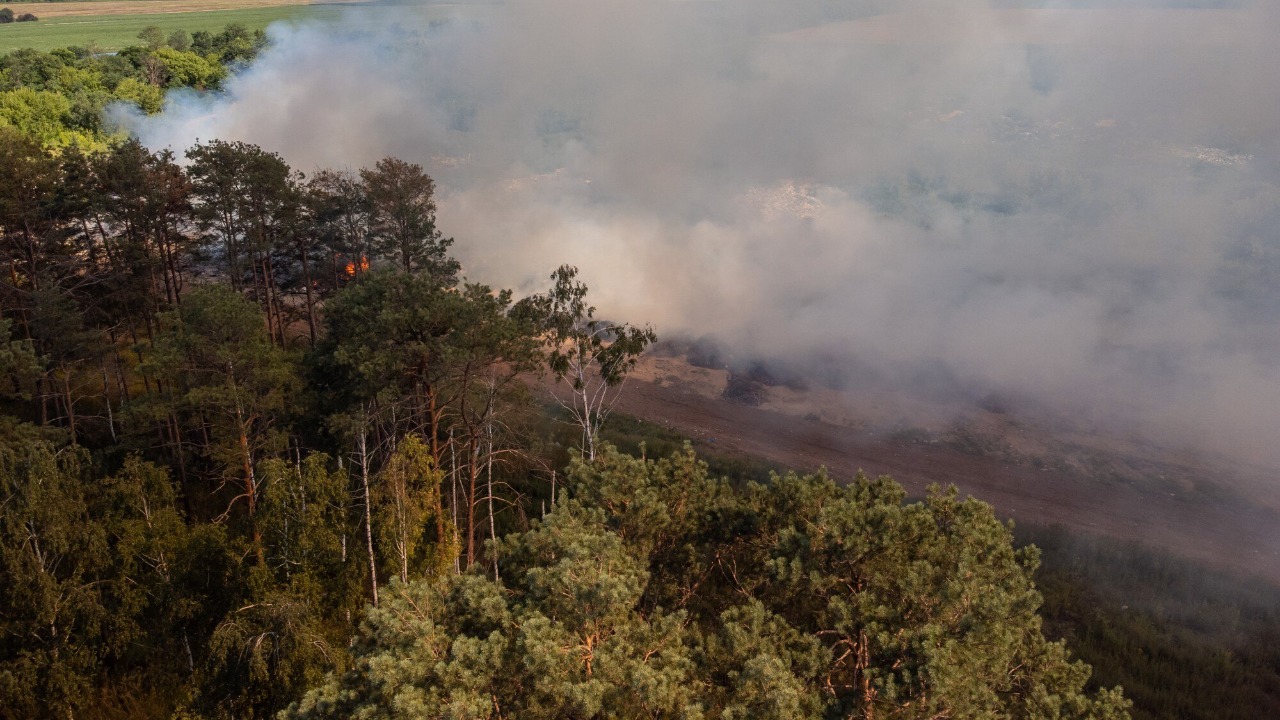
The specific region within the Amazon that is facing these rapid climate shifts is yet to be detailed in the reporting. This area was not previously anticipated to experience such extremes, which makes the current developments all the more alarming. The characteristics of this region, when viewed in the context of the broader Amazon, underscore the vulnerabilities that are being amplified by climate change.
Understanding why this region was not expected to experience such extremes requires a deeper look at the core observations made in the recent coverage. These observations, when analyzed, can provide insights into the unique characteristics of the region that may have contributed to its unexpected vulnerability to climate change.
Further research is needed to identify the specific factors that have made this region more vulnerable to climate extremes. These could include factors such as the region’s topography, vegetation, and soil composition, among others. Understanding these factors could provide valuable insights into how climate change is likely to impact other regions in the future.
Defining ‘Alarming’ Rapid Growth
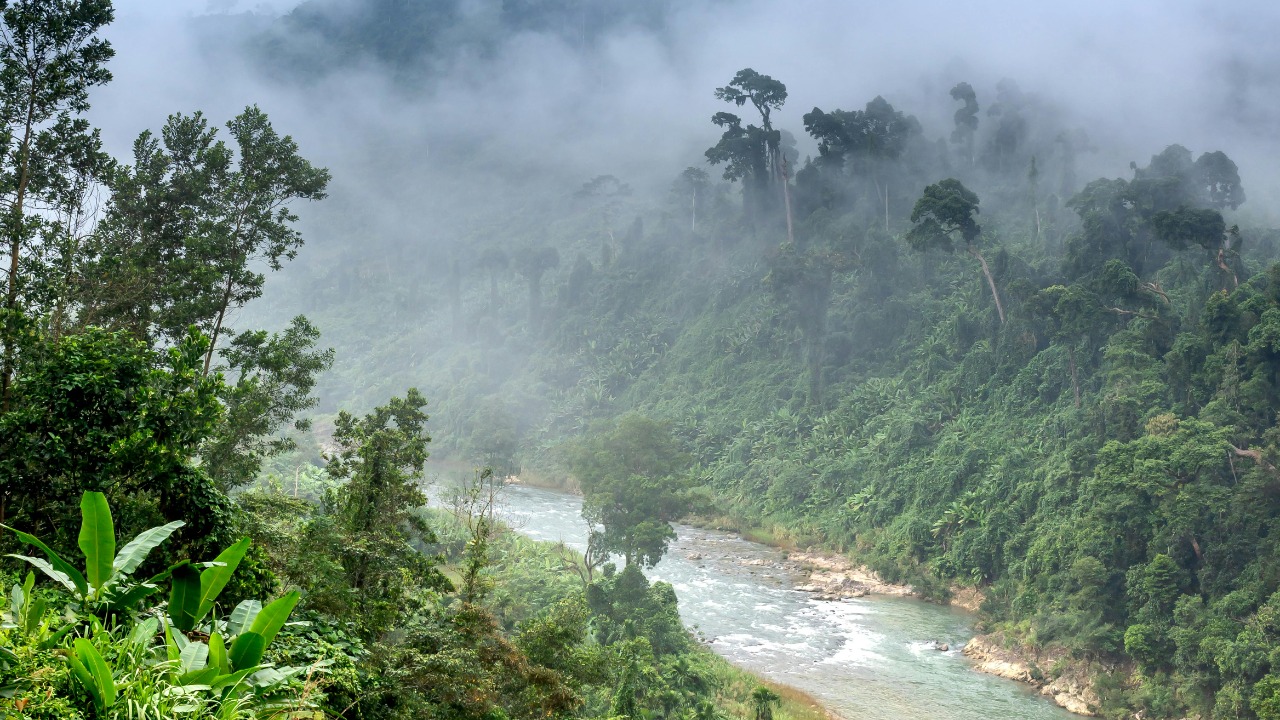
The term ‘alarming’ as used in the context of the recent reporting refers to the unexpected and rapid growth in climate extremes in this particular region of the Amazon. The pace of this growth, as described in the reporting, is indeed alarming, indicating a significant acceleration in the manifestation of climate change effects.
Examples of measurable increases in extreme events specific to this Amazon region are yet to be detailed in the reporting. However, the use of the term ‘alarming’ suggests that these increases are significant and potentially detrimental to the region’s ecosystem.
The ‘alarming’ rapid growth in climate extremes in this region of the Amazon is a cause for concern for several reasons. Firstly, the speed at which these changes are occurring suggests that the impacts of climate change are accelerating. This acceleration could potentially outpace our ability to adapt and mitigate these effects, leading to more severe consequences for the region’s ecosystem and its inhabitants.
Secondly, the magnitude of these changes is also a cause for alarm. While the specific increases in extreme events are not detailed in the reporting, the use of the term ‘alarming’ implies that these changes are substantial. These could include drastic increases in the frequency and intensity of extreme weather events, such as floods and droughts, which could have devastating impacts on the region’s ecosystem.
Types of Climate Extremes Observed
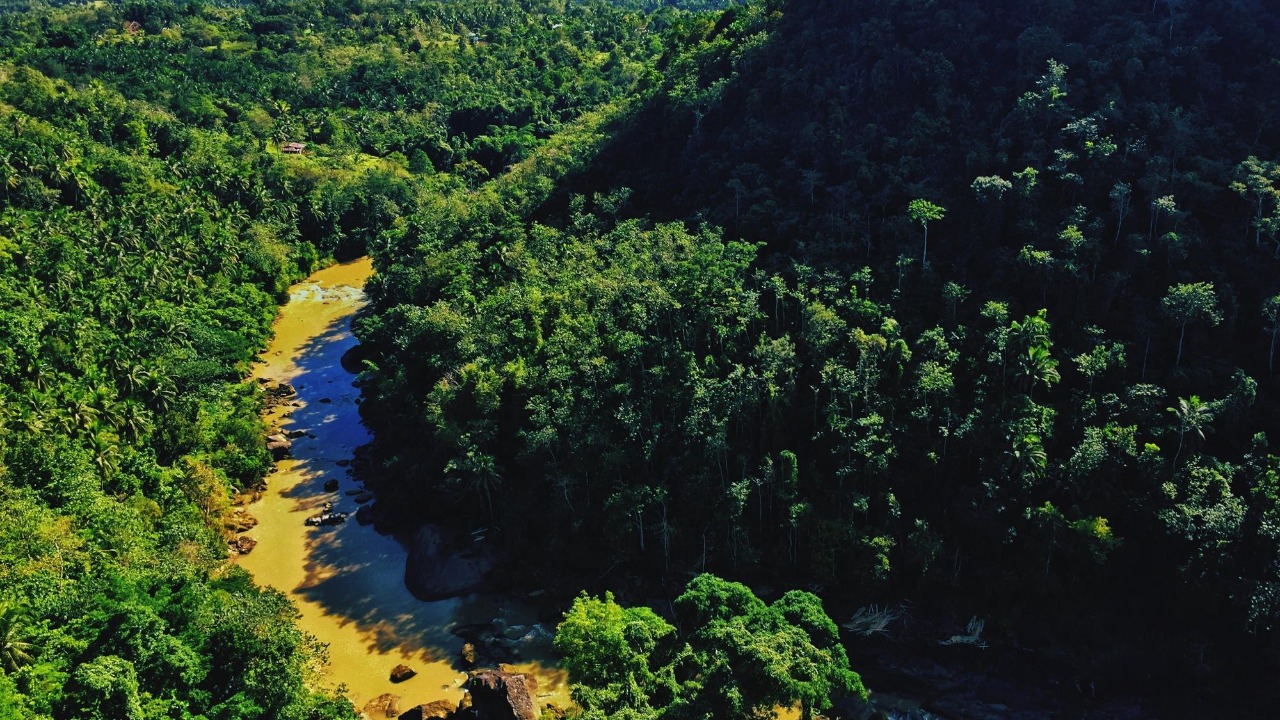
The specific climate extremes noted in the unexpected Amazon region are tied back to the ‘rapid growth’ highlighted in the recent reporting. These extremes, which include intensified droughts or floods, are in line with the alarming trends reported.
These extremes are not only impacting the immediate environment but are also altering broader environmental conditions. This is highlighted in a study on extreme weather events and their role in influencing the fate of contaminants.
While the specific types of climate extremes observed in this region of the Amazon are not detailed in the reporting, they are likely to include a range of extreme weather events. These could include severe droughts, which can lead to water shortages and increased risk of wildfires, and intense rainfall events, which can cause flooding and landslides. Both of these extremes can have devastating impacts on the region’s ecosystem and its inhabitants.
Other potential climate extremes could include heatwaves and cold snaps, which can have a range of impacts on the region’s biodiversity. For example, heatwaves can lead to increased evaporation rates, which can exacerbate drought conditions, while cold snaps can cause frost damage to vegetation. These extremes can also affect the behavior and survival of wildlife species in the region.
Impacts on Contaminants and Ecosystems
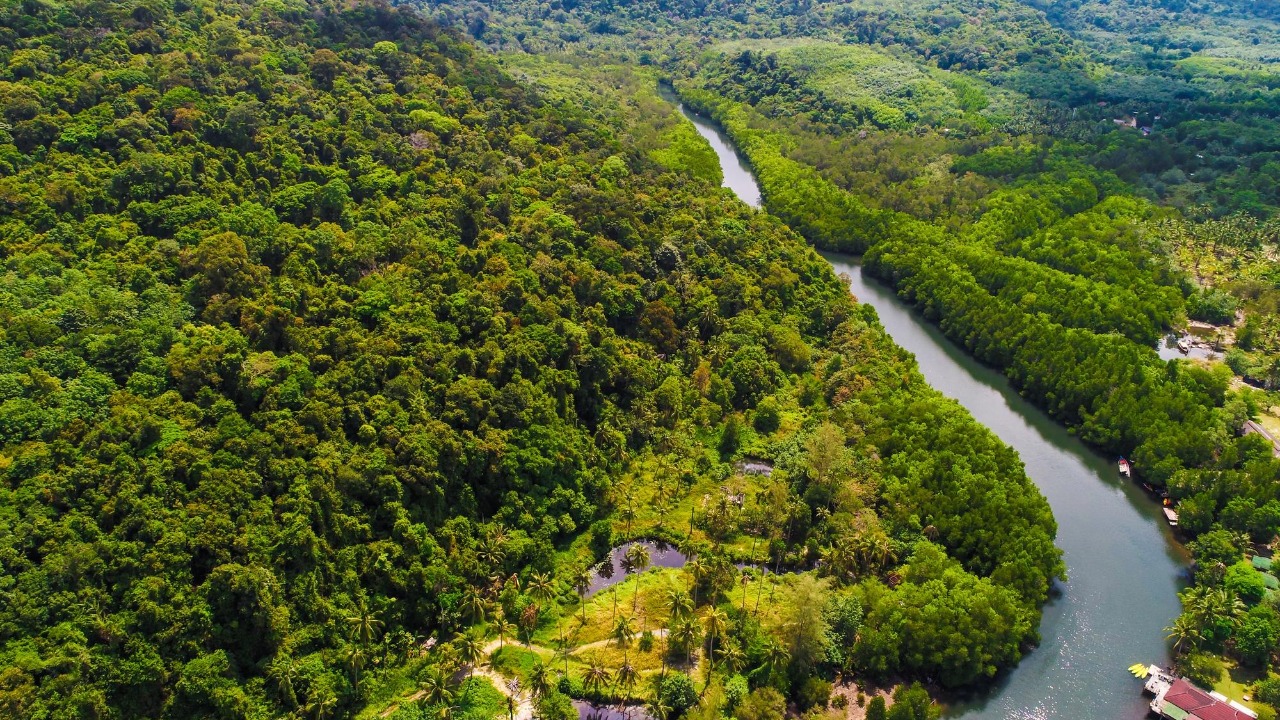
The fate of contaminants is significantly influenced by extreme weather events, as detailed in the aforementioned research. Climate change exacerbates the spread of these contaminants, particularly in vulnerable ecosystems like the Amazon.
This spread of contaminants, coupled with the rapid growth in climate extremes, is causing disruptions in the ecosystem of the unexpected region. The combined impact of these factors is likely to have far-reaching effects on the region’s biodiversity and overall health.
The impacts of climate extremes on the fate of contaminants in the Amazon are multifaceted. Extreme weather events can lead to the mobilization and redistribution of contaminants, potentially exposing new areas and organisms to these harmful substances. For example, heavy rainfall events can wash contaminants into rivers and streams, while droughts can lead to the concentration of contaminants in shrinking water bodies.
Contaminants can have a range of harmful effects on wildlife, including toxicity, disruption of reproductive processes, and changes in behavior. These effects can lead to declines in wildlife populations and changes in community structure, potentially disrupting the region’s food webs and overall ecosystem functioning.
Broader Climate Change Connections
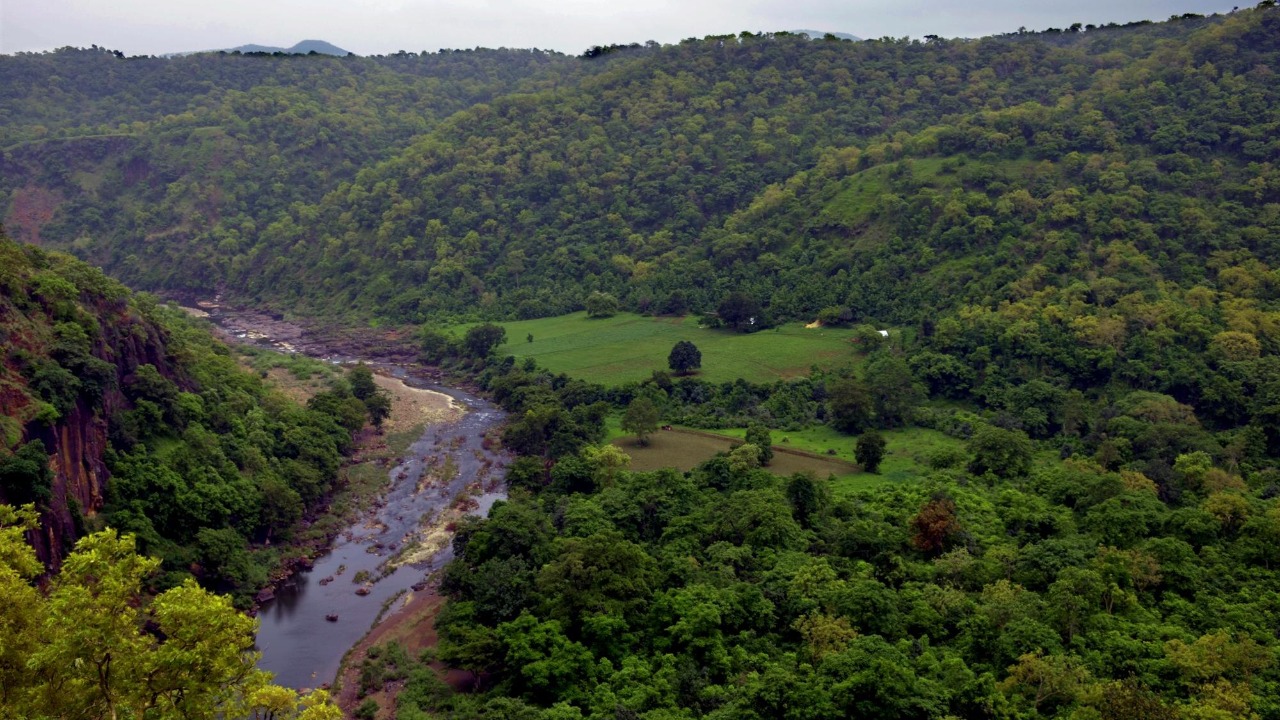
The extremes observed in the Amazon’s unexpected region are not isolated phenomena. They are connected to global climate patterns, as highlighted in the recent reporting. The findings from the study on the impacts of climate change on the fate of contaminants through extreme weather events further underscore these connections.
These connections have significant implications for Amazon biodiversity. However, without introducing unverified data, it is clear that the effects of climate change on this unexpected region of the Amazon are part of a larger, global pattern of environmental change.
Furthermore, the impacts of climate change on the Amazon’s ecosystems can have global implications. The Amazon is one of the world’s most biodiverse regions, and changes in its ecosystems can affect global biodiversity. Additionally, the Amazon plays a crucial role in global carbon cycling, and changes in the region’s carbon storage capacity can influence global climate change.
Scientific and Reporting Context

The full title “Unexpected region of the Amazon is experiencing ‘alarming’ rapid growth in climate extremes” from the recent article provides a succinct summary of the current situation. Similarly, the title “Impacts of climate change on the fate of contaminants through extreme weather events” from the study provides a broader context for understanding the environmental impacts of climate change.
These sources, along with ongoing research into Amazon climate vulnerabilities, provide a comprehensive understanding of the current situation. They highlight the urgent need for further research and action to mitigate the impacts of climate change on vulnerable ecosystems like the Amazon.
The reporting on the ‘alarming’ rapid growth in climate extremes in the Amazon provides a critical update on the state of our planet’s climate. It highlights the urgency of addressing climate change and underscores the need for continued research and monitoring of climate trends, particularly in vulnerable regions like the Amazon. This research is crucial for informing climate policy and guiding efforts to mitigate the impacts of climate change.
Furthermore, the study on the impacts of climate change on the fate of contaminants provides important insights into the environmental risks associated with climate change. It underscores the need for integrated approaches to climate change mitigation and adaptation that take into account the complex interactions between climate, contaminants, and ecosystems. This research is a valuable contribution to our understanding of the environmental challenges we face in the era of climate change.