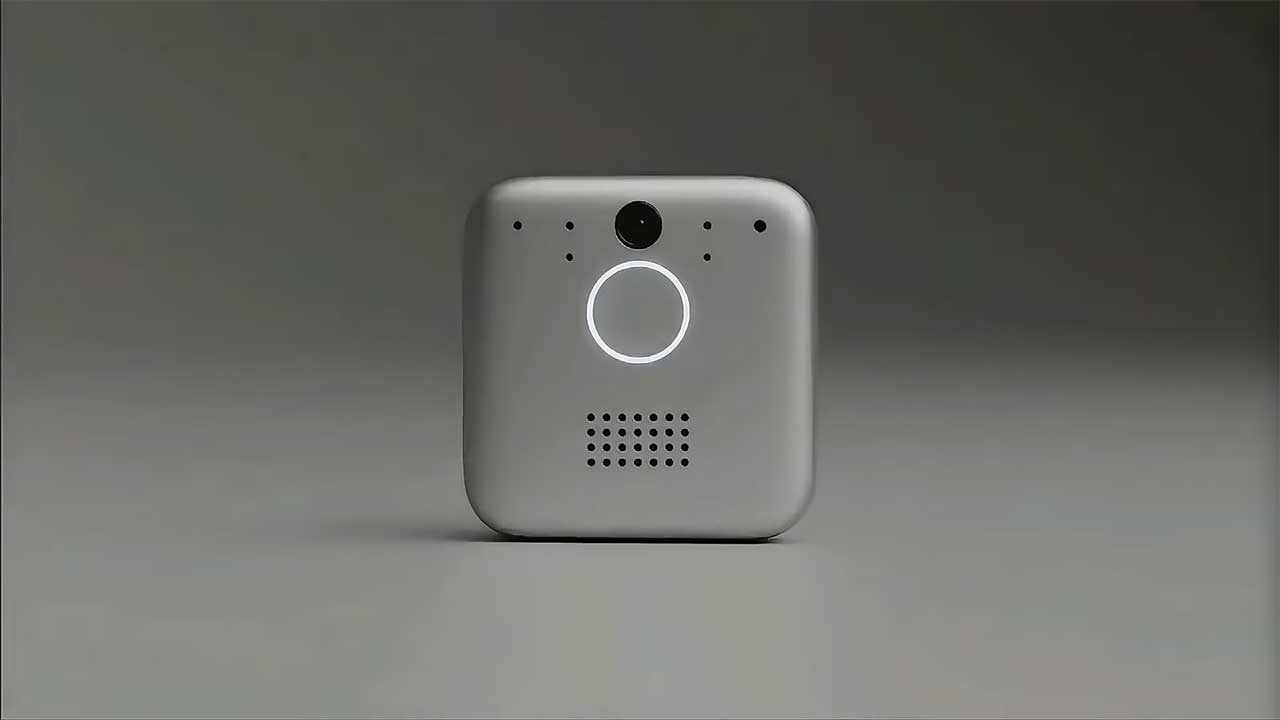

OpenAI is preparing to move beyond apps and APIs and into people’s hands, with its first dedicated hardware product slated for the second half of 2026. The company has signaled that this inaugural device will lean heavily on audio, pairing conversational AI with a small, wearable form factor rather than a traditional screen-first gadget. If the plan holds, late 2026 will mark the moment ChatGPT stops living only in phones and laptops and starts arriving as a purpose-built object.
That shift is not just a branding exercise. It reflects a broader bet that the next wave of AI adoption will come from tightly integrated hardware and software, designed together from the silicon up. OpenAI is lining up industrial design talent, manufacturing partners, and even its own AI chips to make that happen, setting up a collision between Silicon Valley’s software-first culture and the realities of consumer electronics.
Late‑2026 launch window and an audio‑first design
OpenAI’s policy chief, Chief Christopher Lehane, has been unusually explicit about timing, telling audiences that the company is “on track” to reveal its first device in the second half of 2026 and listing “devices” as a core strategic pillar at the World Economic Forum, a message echoed in Chief Christopher Lehane’s public comments. Separate reporting describes a coordinated Hardware Release Plan that targets late 2026 for the commercial debut, framing this as the company’s first attempt to Unveil First Hardware rather than a limited experiment. Social and crypto market chatter has picked up on the same guidance, with one widely shared post summarizing that OpenAI Plans to Launch First Hardware in the Late 2026 window. A trending topic on X repeats that OpenAI Plans First Hardware 2026, underscoring how firmly that timeframe has taken hold.
On the product side, Lehane has described the project as a largely audio based hardware product, a characterization repeated in coverage that notes OpenAI is “on track” to unveil the device while Jony Ive’s former team hires more Apple alumni, as reflected in reports citing Chris Lehane’s comments on Monday. Another account of his interview with Axios stresses that he holds the title of Chief Global Affairs Officer Chris Lehane and again frames the device as audio first. Market oriented summaries echo that OpenAI is on track to launch its inaugural hardware product in late 2026 and argue that even a reveal earlier in the year could excite investors, a view captured in analysis that OpenAI is set to launch its first hardware device in late 2026. Crypto focused coverage from MEXC News similarly notes that OpenAI plans to launch its first AI device in H2 2026 and even tags the project with the ticker style label LOT, a sign of how financial markets are already treating the hardware roadmap as a tradable narrative.
Design rumors, Jony Ive’s role, and the “Gumdrop” concept
Beyond timing, the clearest throughline in the leaks is that OpenAI is not trying to build another smartphone. According to Kuo, the device is “slightly larger” than Humane’s AI Pin and shares a likeness to the iPod Shuffle, positioning it closer to a clip on accessory than a pocket computer. That comparison to Humane’s AI Pin and to the iPod era suggests a minimalist interface that leans on touch and voice rather than a large display. One short video even frames the broader category as an “AI necklace,” asking whether Johnny IV is about to release such a product and referring to the famed designer simply as John. While the exact industrial design is unverified based on available sources, the repeated emphasis on small size, wearability, and audio interaction points to a deliberate move away from screens.
Those design rumors intersect with a second thread, the collaboration with Jony Ive’s studio. One widely shared explainer describes a “Gumdrop” concept in which OpenAI is building its own physical device designed by Joanie IV, manufactured by Foxcon, and meant to sit alongside the iPhone rather than replace it. That framing aligns with reports that Jony Ive’s former team is hiring more Apple alumni to support OpenAI’s hardware push, a trend highlighted in coverage that ties those hires directly to Lehane’s comments about an audio based device and that again cites Monday’s remarks. For now, the “Gumdrop” name itself is unverified based on available sources, but the pattern is clear: OpenAI is leaning on the same design DNA that shaped the iPhone and iPod to craft a new kind of AI companion.
Custom chips, ecosystem bets, and what late 2026 means for AI
Hardware is only as good as the silicon inside it, and OpenAI is moving to control that layer too. According to one detailed account, the ChatGPT maker was finalizing the design for its first in house AI chip and planned to send it for fabrication at TSMC, working with Broadcom on the design. A separate report notes that OpenAI intends to launch this first in house AI chip with Broadcom in 2026 and will still rely on processors from TSMC, AMD, and Nvidia to handle soaring demand for computing power. If those chips are ready on schedule, they could underpin both OpenAI’s data center workloads and the on device intelligence in its late 2026 hardware, tightening the feedback loop between model design, silicon, and user experience.
More from Morning Overview