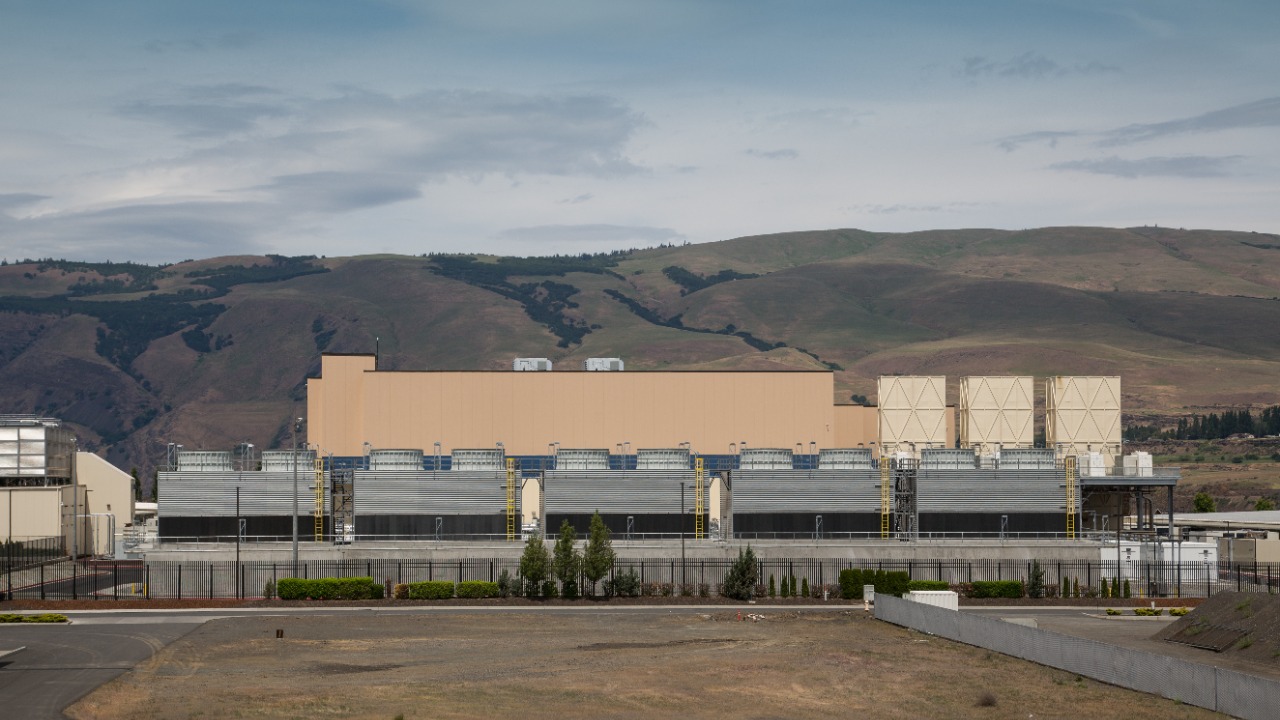

Residents living in the shadow of a Google data center say the facility’s thirst for water is turning a shared resource into a private asset, with fallout they describe as “really bad” for local ponds, wildlife, and trust in government. While town leaders weigh handing control of a key water source to the company, homeowners and neighborhood groups are racing to court to try to stop what they see as a permanent transfer of power over their taps. The clash has turned a once‑quiet infrastructure project into a test of who gets to decide how much water Big Tech can take, and at what cost.
At the center of the fight are two intertwined fronts: a proposal by local Officials to cede ownership of a municipal water source near a Google data center, and a lawsuit by the Stillwater HOA accusing another Google facility of polluting a neighborhood pond and driving away wildlife. Together, they show how quickly a data center’s cooling pipes can become a flashpoint, not only for environmental concerns but for basic questions about public control over essential resources.
Backlash as Officials move to hand Google the town’s water source
The most explosive development is a plan by local Officials to transfer ownership of a town water source that sits near a Google data center, effectively shifting control of a vital supply from the public to a private corporation. Residents argue that giving Google legal control over the source would lock in the company’s ability to draw large volumes of water for its servers, even in drought or emergency, while leaving households and small businesses to absorb the risk. Critics say the move is a direct contradiction of earlier assurances that the town would retain authority over its own water and that any industrial user would remain a customer, not an owner.
Opponents have packed public meetings and circulated petitions, warning that the proposal could set a precedent for other utilities to be carved off and handed to corporate partners. They point to the fact that the data center, described as a facility established in 2006, already exerts enormous influence over local infrastructure planning, and fear that formal ownership of the water source would tilt that balance even further. The backlash has been intense enough that the Officials behind the plan now face organized resistance from residents who see the transfer as an irreversible surrender of leverage to Google.
Residents, not Officials, lead the legal fight over “really bad” fallout
While elected leaders debate the ownership transfer, it is residents and neighborhood groups who are actually racing to sue over the environmental fallout they blame on Google’s data center operations. In Stillwater, a homeowners’ association has filed a lawsuit against Google over a proposed data center that is rising directly across from their subdivision, arguing that construction and early site work have already harmed a community pond and the wildlife that depend on it. The Stillwater HOA says the project has turned what residents once considered a small slice of paradise into a polluted basin, with murky water and fewer birds and fish.
The plaintiffs describe the situation as “really bad,” accusing the company of degrading the pond and surrounding habitat even before the facility is fully online. Their complaint focuses on alleged pollution and runoff, but it is also rooted in fears about how much water the completed data center will eventually draw for cooling, and what that will mean for neighborhood quality of life. By taking Google to court, the Stillwater HOA is trying to force stricter limits and oversight on a project that local Officials have largely welcomed, underscoring that the most aggressive pushback is coming from residents rather than from the governments that oversee Google.
Inside the Stillwater HOA’s case against Google’s data center
The Stillwater HOA’s lawsuit offers a detailed look at how a single data center can reshape a neighborhood’s environment long before the first server is switched on. The association, representing homeowners in Stillwater, argues that the massive construction site across from their community has already altered drainage patterns and sent sediment and contaminants into a shared pond. Residents say they have watched the water quality deteriorate and wildlife disappear, turning what had been a focal point for recreation and property value into a liability they now have to explain to potential buyers when they list their homes near the planned Google facility.
To bolster their claims, the Stillwater HOA has leaned on a poll of residents that documents widespread frustration with the project and deep concern about long term environmental damage. Homeowners told association leaders that they feel shut out of key decisions and blindsided by the scale of the data center, which they say was not fully explained when the project was first floated. The lawsuit frames the pond as a bellwether for what could happen to other local water bodies once the data center begins drawing heavily on municipal supplies, and it casts Google’s handling of the site as a warning sign for how the company might treat shared resources in the future in Stillwater.
Water, power, and a widening trust gap
What ties the Stillwater lawsuit to the separate fight over water ownership near another Google data center is a growing sense that the company’s infrastructure needs are being prioritized over local control. Residents who oppose the transfer of the town’s water source say they already feel sidelined by the way Officials have handled negotiations, and they see the Stillwater HOA’s experience as proof that communities must act quickly if they want any leverage. In their view, once a data center is built and a water deal is signed, the balance of power shifts decisively toward the corporation that can threaten to move jobs and investment if regulators push too hard on conservation or pollution controls.
That dynamic is fueling a broader trust gap between communities and the leaders who are supposed to safeguard public resources. Critics argue that when Officials propose to cede ownership of a water source to a company that is already drawing heavily on local supplies, they are effectively choosing short term economic development over long term resilience. The backlash has been particularly sharp because residents remember earlier promises that the town would retain control, and they now see those assurances unraveling as the data center’s footprint grows. The controversy has turned the once technical question of water rights into a litmus test for whether local government is willing to stand up to Google when residents say the fallout is already “really bad.”
What happens if Officials sign the water away
The stakes of the proposed transfer go far beyond a single pipeline or pumping station. If Officials finalize a deal to hand ownership of the town’s water source to Google, they would be giving the company a direct legal claim over a resource that underpins everything from household taps to firefighting capacity. Residents fear that in a future drought or infrastructure failure, the town could find itself negotiating with Google over access to its own water, rather than setting priorities unilaterally. That prospect has energized opposition groups, who argue that once the deed is signed, no lawsuit or election result will easily unwind the arrangement with Officials.
For now, the only formal legal action is coming from residents and associations like the Stillwater HOA, not from the governments that negotiated with Google in the first place. That mismatch between who is signing the deals and who is filing the lawsuits is at the heart of the current anger. People living near these facilities see their ponds clouding, their wildlife vanishing, and their water sources being bargained away, and they are turning to the courts because they no longer trust the political process to protect them. Whether those lawsuits succeed or not, they have already exposed a deeper question that every town courting a data center will have to answer: how much control over essential water can it afford to give up in exchange for the promise of high tech growth tied to Google?
More from Morning Overview