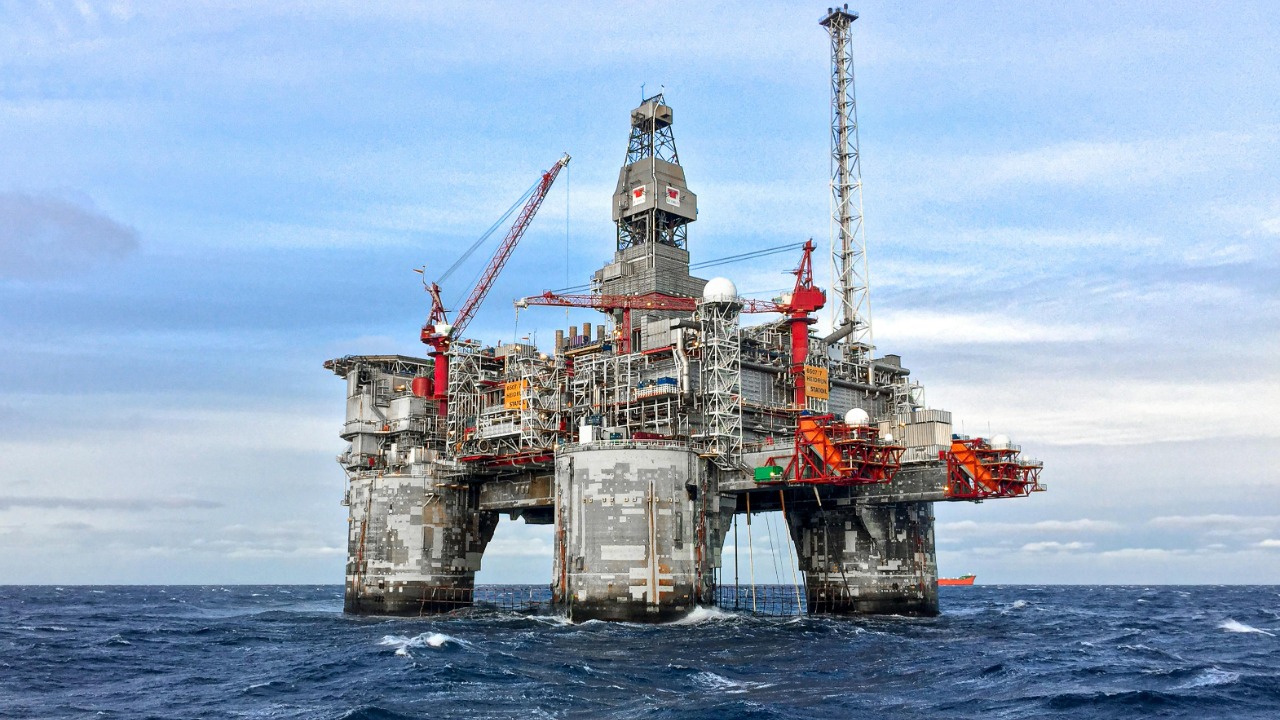

Norway has spent half a century turning North Sea oil into one of the world’s largest sovereign wealth funds, but a new discovery suggests the country’s next chapter could be written in rock rather than crude. Deep under its southwestern mountains, geologists have identified what may be the largest single phosphate deposit on the planet, a resource that underpins food production and low carbon technology. If it can be developed responsibly, this find has the potential to rival, and in some ways surpass, the strategic weight of Norway’s oil boom.
Phosphate is a quiet cornerstone of modern life, feeding crops, powering batteries and enabling solar panels, and the scale of Norway’s new reserves is already reshaping expectations for global supply. The discovery arrives just as governments fret about long term shortages and geopolitical chokepoints, positioning the Nordic state to become a pivotal supplier to both agriculture and the green energy transition for decades to come.
The scale of the Rogaland discovery
The new resource sits in the Rogaland region of southwestern Norway, where exploratory drilling has revealed a vast body of ore rich in phosphorus, titanium and vanadium. According to Key Points that Report the discovery, the deposit could contain up to 70 billion tons of combined phosphate, titanium and vanadium in the rugged terrain of Rogaland. That figure, repeated across multiple technical assessments, is what has turned a regional mining project into a story with global implications.
The company at the center of the find, Norge Mining, says its exploration work has identified at least 70 billion tonnes of phosphate rock, a number echoed in separate reporting that describes a Norwegian company uncovering 70 billion tonnes in the southwest of Norway. Agricultural analysts have picked up the same figure, with one assessment noting that Norway has announced a 70 billion tonne phosphate deposit, a scale that would instantly place the country among the world’s dominant holders of this critical mineral.
From oil state to phosphate superpower
For decades, Norway’s identity has been bound up with offshore oil and gas, which turned a relatively small population into one of the world’s wealthiest societies. The country’s petroleum revenues have been channeled into a vast public investment vehicle, and commentators in videos such as Norway has Discovered describe how all oil revenues are funneled into a government pension fund that by 2025 had become several times larger than the national economy. That model has allowed the state to cushion its citizens from volatility while still debating how quickly to wind down fossil fuel production.
The new phosphate reserves arrive just as policymakers in Norway weigh their long term role in a decarbonizing world. A widely shared clip on MSN, flagged as Posted and Last updated in early Feb, frames the phosphate discovery as a resource that could surpass oil in strategic importance, with potential revenues and influence stretching for decades. Another analysis from Jan notes that Norway’s phosphate reserves have been valued at around US$24 trillion, a headline figure that, while subject to market swings and extraction costs, hints at why some observers speak of a new era for the country’s resource economy.
Why phosphate matters for food and climate
Phosphate rock is the primary source of phosphorus, a nutrient that cannot be substituted in plant growth, which makes it indispensable for fertilizer. Analysts have warned of a looming “phosphogeddon” in which concentrated reserves and rising demand collide, and one technical review of global stocks notes that China holds 3.2 billion tonnes, Egypt 2.8 billion tonnes and Algeria 2.2 billion tonnes of phosphate rock, with European Union heavily reliant on imports. In that context, a new source in a politically stable democracy looks less like a curiosity and more like a strategic lifeline.
The Rogaland ore body is not just about fertilizer. Reporting on the Huge discovery in Scandinavia highlights that the same deposit contains minerals used in batteries and solar panels, with the potential to supply such technologies for the next 100 years. A separate technical overview of the Norway Phosphate Discovery describes it as a Green Energy Future asset, a Game changing find in an Unexpected Location that is Located squarely within the EU’s push toward climate neutrality.
Strategic leverage for Europe and beyond
Europe has long worried about its dependence on a handful of suppliers for critical raw materials, from rare earths to battery metals. The Rogaland deposit offers a rare chance to shift that balance, giving European policymakers a friendly source of phosphorus and associated minerals inside the continent’s own neighborhood. One analysis of how Norway has discovered a resource that could surpass oil stresses the direct impact on the European Union, arguing that secure access to fertilizer inputs and clean tech materials could blunt future supply shocks.
Technical commentators have gone further, suggesting the find could “solve the world’s needs for 50 years” in phosphorus terms, based on claims from a Norwegian mining company that the deposit holds at least 70 billion tonnes. A separate overview of Norway and the copper crisis frames the Rogaland reserves as a factor that could reshape global markets, particularly if combined with other supply constraints in metals essential for electrification.
The politics and risks of a new mining frontier
Turning geological promise into real world output will not be simple. The ore lies deep under a region known for its natural beauty, and large scale mining raises questions about land use, emissions and local disruption. According to one assessment of how the Norwegian phosphate discovery holds promise, ministers in Oslo are treating the project as a high priority, but they also face pressure to ensure that extraction methods minimize environmental damage and respect community concerns.
Industry advocates argue that Norway’s regulatory culture and technical expertise give it an edge in managing those trade offs. The country already hosts sophisticated operators such as Nordic Mining, and the government has experience balancing resource extraction with strict environmental standards in offshore oil. Public debate, captured in videos such as won’t believe what and Norway has Discovered, often highlights how the Norwegian economy has historically invested resource profits in long term public wealth, a precedent that could shape how phosphate revenues are handled.
More from Morning Overview