
Recent research is shedding light on a surprising potential source for Alzheimer’s disease: the mouth. Groundbreaking studies suggest that oral bacteria could play a significant role in the development and progression of this devastating neurological condition, urging a closer look at oral health’s impact on brain health.
The Link Between Oral Health and Alzheimer’s

In recent years, several studies have emerged suggesting a potential connection between oral bacteria and Alzheimer’s disease. Research published in Springer and Wiley journals highlight the possibility that the bacteria residing in our mouths might be influencing brain health. These studies suggest that certain bacteria could travel from the mouth to the brain, potentially leading to inflammation and neurodegeneration.
Historically, the exact causes of Alzheimer’s have been elusive, with theories ranging from genetic predispositions to environmental factors. The oral health connection adds a new dimension to this complex puzzle. Researchers are increasingly focused on how bacteria might migrate to the brain through the bloodstream or cranial nerves, potentially triggering the hallmark plaques and tangles associated with Alzheimer’s.
Understanding the Role of Gum Disease
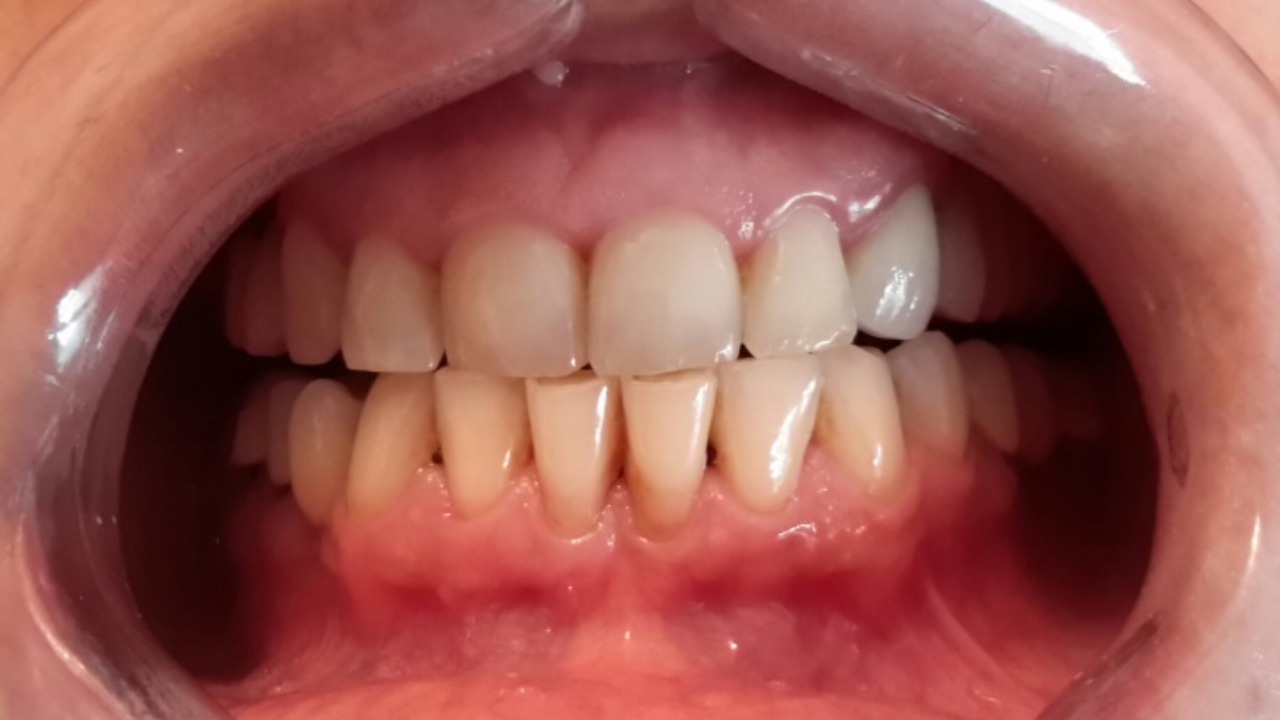
Common gum diseases like gingivitis and periodontitis have also come under scrutiny for their potential link to Alzheimer’s. Insights from ScienceAlert and UniLadTech suggest that these conditions could exacerbate Alzheimer’s development. The presence of specific pathogens, such as Porphyromonas gingivalis, is believed to influence brain health negatively.
Research featured on SciTechDaily discusses how these pathogens might reach the brain, potentially causing inflammation that contributes to neurodegenerative processes. This understanding opens the door to new clinical implications, where early detection and intervention through oral health assessments could become a routine part of managing Alzheimer’s risk.
Implications for Treatment and Prevention
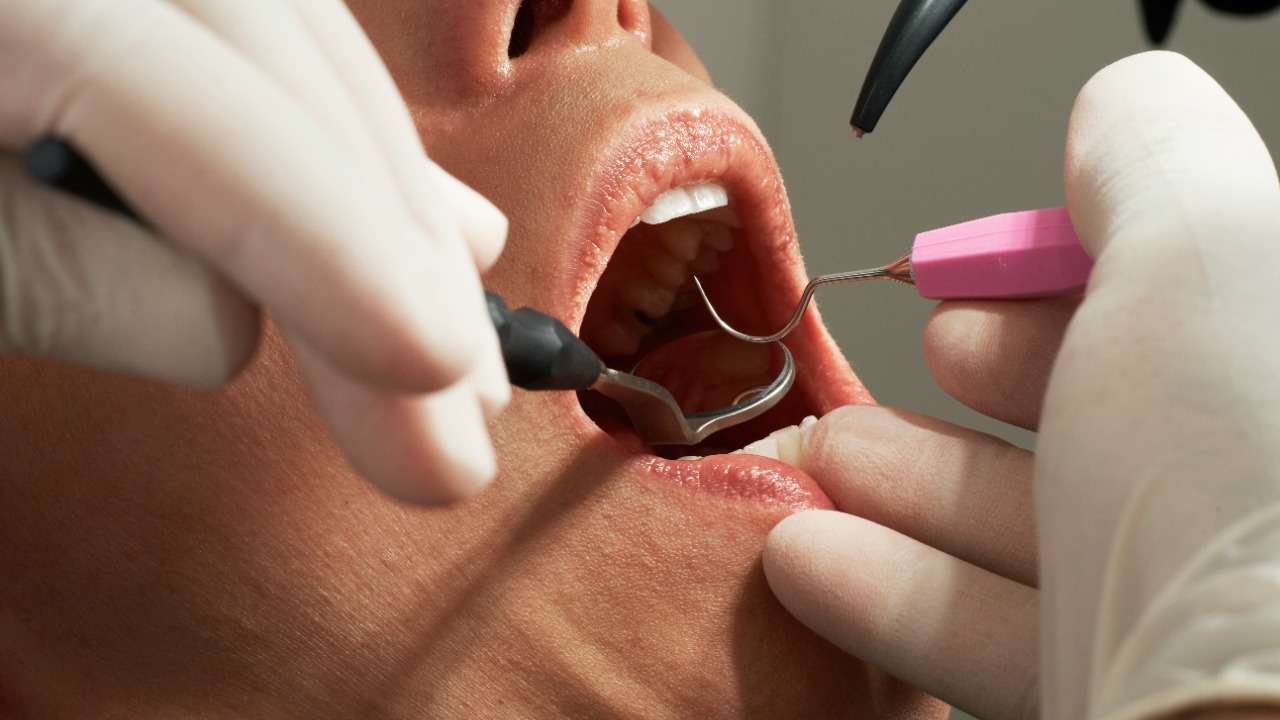
With these findings, the potential for new therapies targeting oral bacteria is growing. Researchers are exploring treatments that could disrupt the pathways allowing bacteria to affect brain health. This research underscores the importance of maintaining regular dental care as a proactive measure to potentially reduce Alzheimer’s risk.
Future research directions are focused on further unraveling the oral health-Alzheimer’s connection. As scientists continue to investigate, they hope to develop strategies for prevention and treatment rooted in these new insights. The medical community is watching closely as ongoing studies strive to verify and expand upon current findings.
Public Awareness and Education
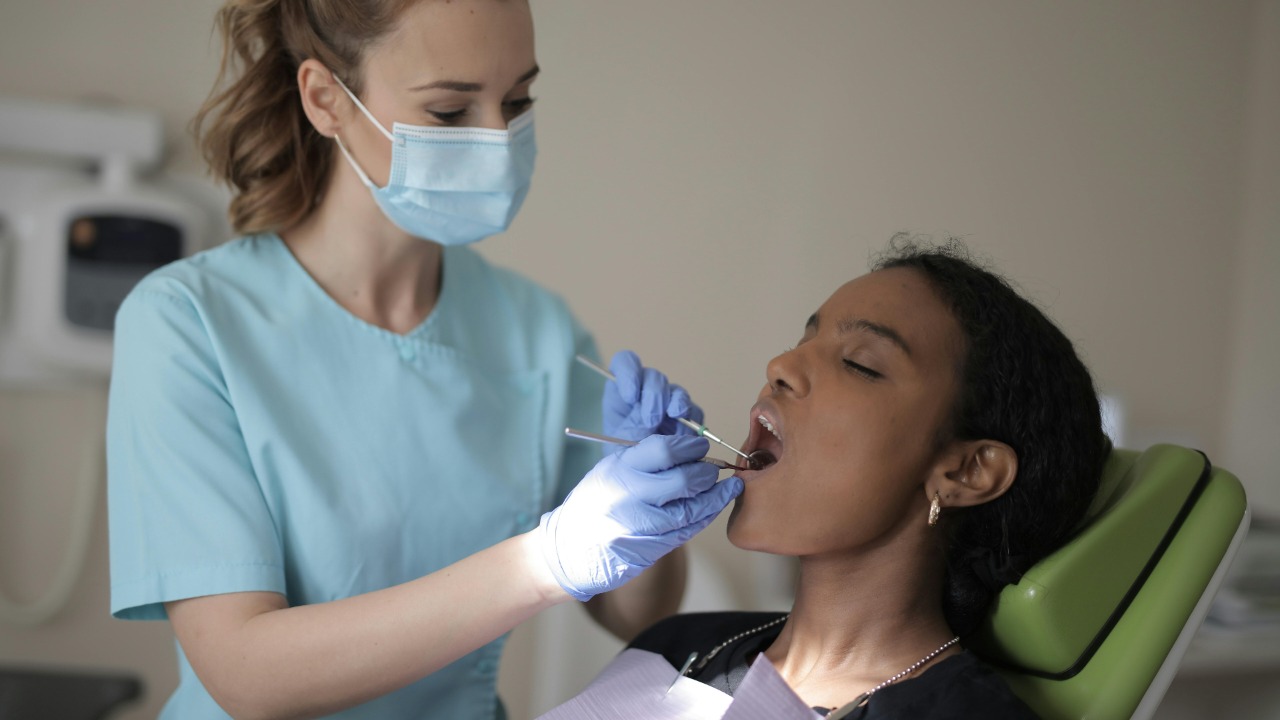
Increasing public awareness of the link between oral health and neurodegenerative diseases is crucial. Public health campaigns are needed to educate people on the importance of oral hygiene not just for dental health, but potentially for overall brain health as well.
Integrating dental and medical care can be a significant step forward. Proposals suggest healthcare systems should incorporate dental evaluations in routine medical check-ups for older adults, potentially catching oral health issues early and reducing the risk of Alzheimer’s. Personal stories and testimonials from individuals affected by both oral health issues and Alzheimer’s can help personalize these scientific findings, making the information more relatable and impactful.
Challenges and Controversies
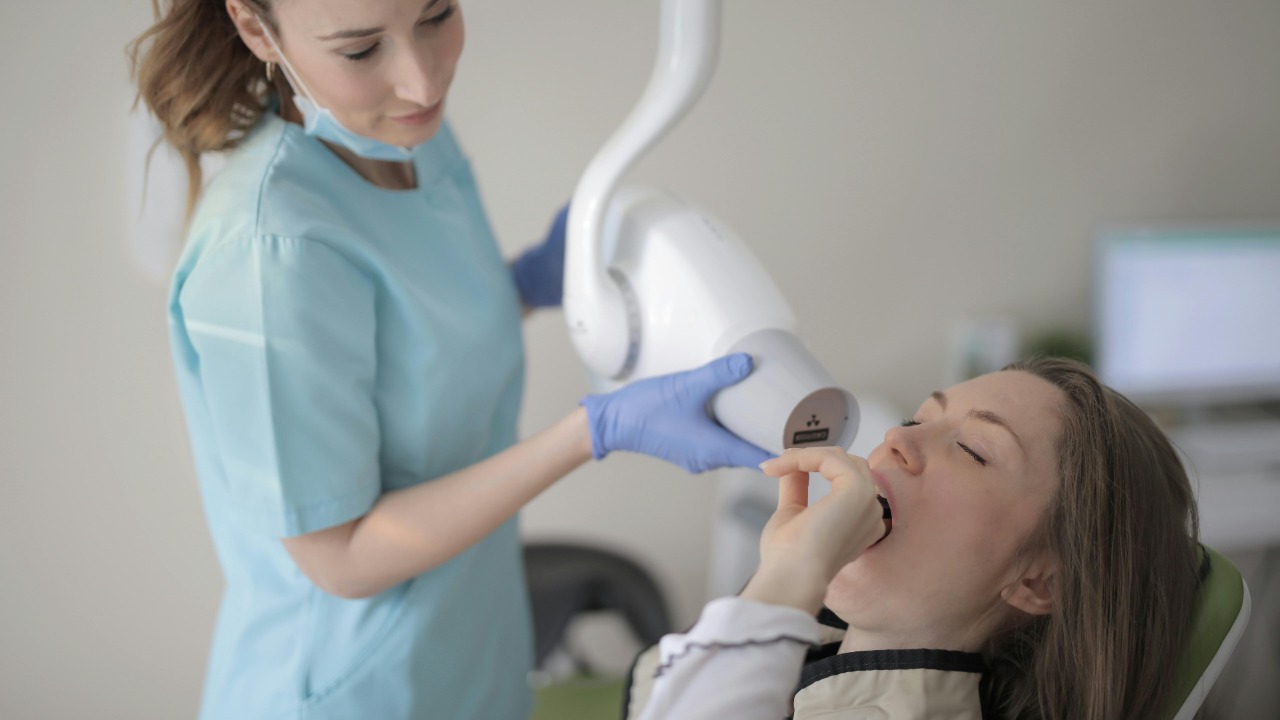
Despite the promising nature of these findings, there is scientific skepticism regarding the strength of the oral health-Alzheimer’s link. Criticisms often focus on the limitations of current studies, such as small sample sizes and the need for more longitudinal research to establish a definite causal relationship.
Balancing hope and hype is important as the research community and the public digest these findings. While the potential implications are significant, it is essential to approach them with measured optimism, recognizing that much of the research is still in its early stages. Continued investigation and robust scientific discourse will be key to fully understanding and validating the oral health connection to Alzheimer’s disease.
