
The discovery of a new fossil has once again turned our understanding of human evolution on its head. This monumental find suggests that hominins may have ventured out of Africa much earlier than previously believed, reshaping the timeline of human migration and evolution. As scientists delve deeper into the implications of this discovery, the narrative of our ancient past continues to evolve.
The Discovery of the Fossil

The newly found fossil was unearthed in the remote expanses of southeastern Europe. The site, characterized by its rugged terrain and isolated location, provided a unique environment that contributed to the fossil’s preservation. The specific conditions of the area, including a stable climate and minimal human interference, have kept the fossil remarkably well-preserved, offering a rare glimpse into a past era. This discovery site adds to a growing list of locations where significant paleoanthropological finds have been made, further expanding our understanding of ancient hominin habitats.
Examining the fossil’s physical attributes reveals a blend of characteristics that both align with and diverge from known hominin species. The fossil showcases a distinct cranial structure and dental patterns that suggest it belongs to a previously unidentified hominin species. These features, while reminiscent of certain known species, present unique variations that hint at a more complex evolutionary path than previously understood. The initial reactions from the scientific community were a mix of excitement and skepticism. As news of the discovery spread, researchers quickly began to explore the implications of this find, prompting a flurry of academic discussions and debates.
Implications for Human Migration

The most profound implication of this discovery is the possibility that hominins departed from Africa around 200,000 years earlier than previously estimated. This new timeline suggests a significant revision of our understanding of early human migration. Previous models, which placed the exodus from Africa at approximately 60,000 to 80,000 years ago, are now being re-evaluated in light of this new evidence. The discovery challenges conventional theories and suggests that our ancestors were more adaptable and resourceful than once thought.
As we examine the potential migration routes, it becomes evident that these early hominins might have traveled through regions previously thought to be inhospitable. Factors such as climatic shifts, resource availability, and evolving survival strategies likely played crucial roles in their journey. This new understanding invites researchers to reassess historical narratives surrounding human migration and evolution. By integrating this discovery into the broader context of human history, scholars are beginning to unravel more intricate migration patterns that shaped the course of human development.
Comparative Analysis with Other Findings
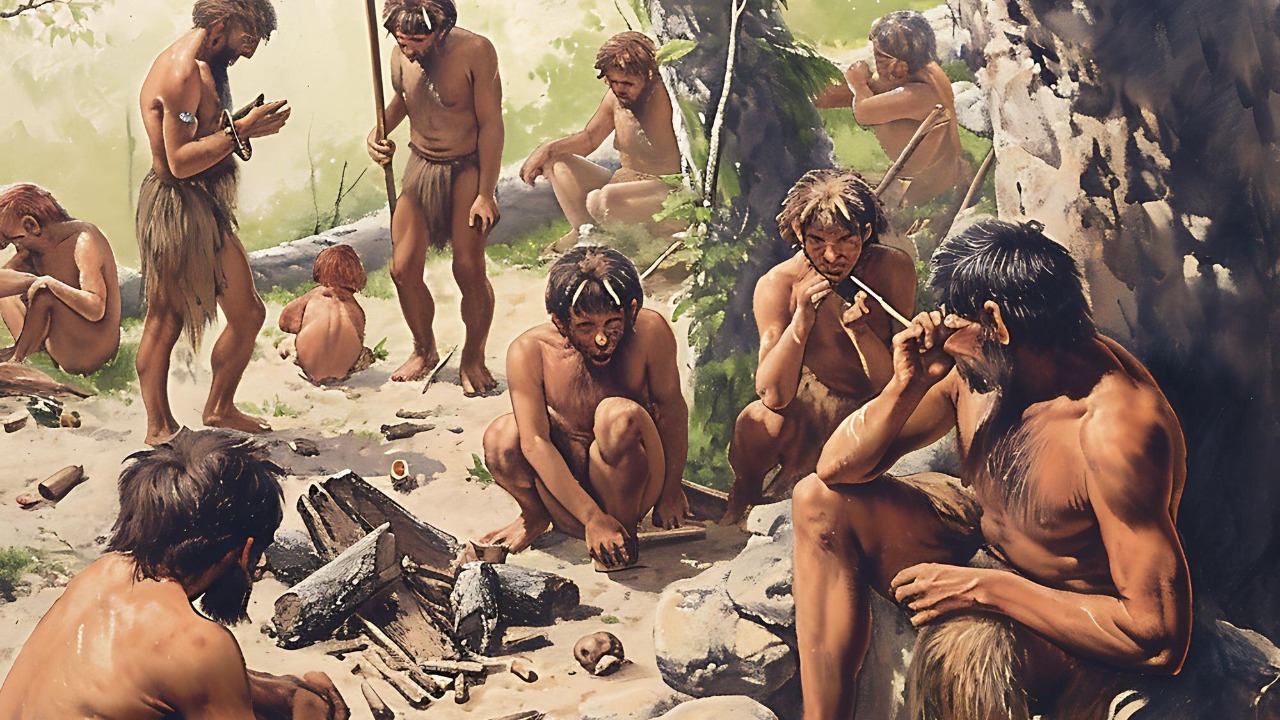
This discovery is not isolated; it builds upon a series of recent fossil findings that have similarly challenged established paradigms. For instance, the discovery of a new human species in the Philippines, Homo luzonensis, has already prompted significant reevaluations of human history. These findings collectively suggest a more diverse and widespread distribution of ancient hominins than previously acknowledged. The implications of such discoveries are vast, urging scientists to reconsider the pathways of human evolution and migration.
Amidst the excitement, contrasting theories and debates have emerged within the scientific community. Some researchers argue that these findings support a more complex web of human evolution, while others remain cautious, emphasizing the need for further evidence before drawing definitive conclusions. Integrating this new fossil into the existing fossil record poses its own set of challenges, but it also offers an opportunity to refine our understanding of hominin diversity and adaptation. By examining similar discoveries, scientists can better contextualize this fossil within the broader tapestry of human evolution.
Technological and Methodological Advances
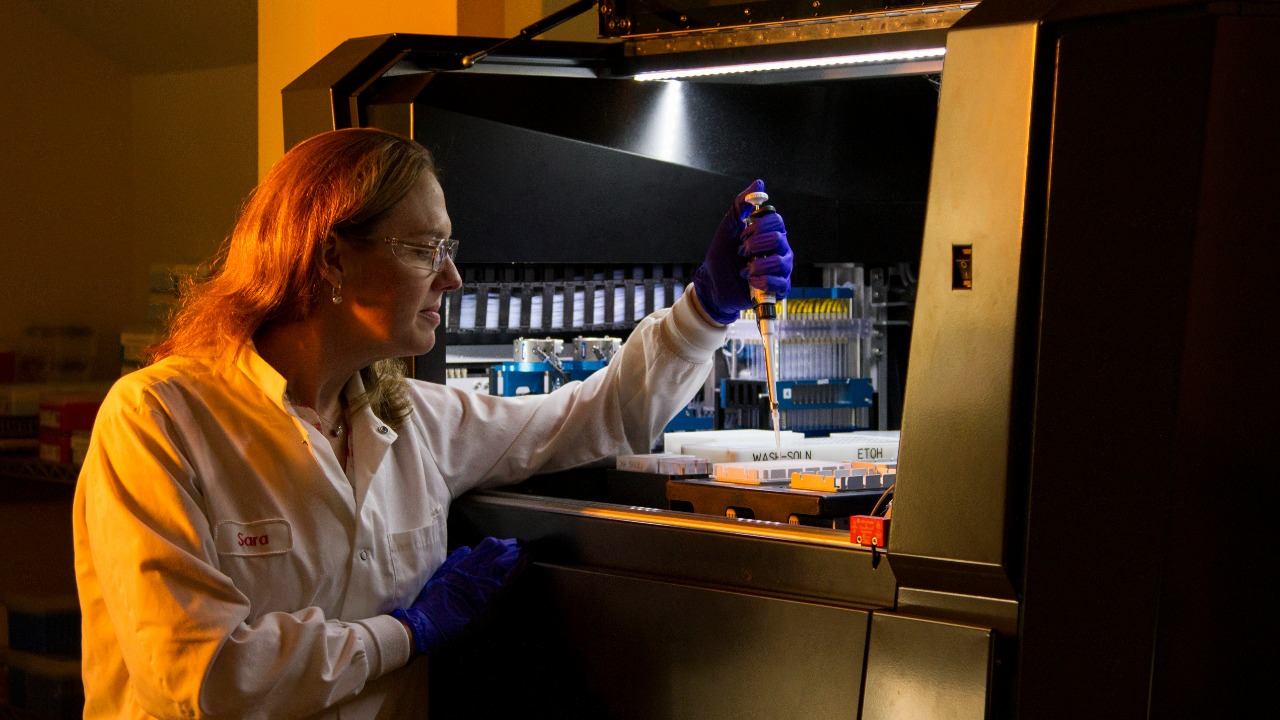
The discovery was made possible through advancements in dating techniques that have revolutionized our ability to accurately determine the age of fossils. Techniques such as uranium-series dating and optically stimulated luminescence provide precise timelines that were previously unattainable. These methods allow researchers to not only date the fossil itself but also the surrounding materials, adding crucial context to the findings. Such technologies are reshaping the field of paleoanthropology by enabling a more comprehensive understanding of ancient environments and timelines.
In addition to dating techniques, genetic analysis has emerged as a powerful tool in studying ancient hominins. By extracting and analyzing DNA from fossilized remains, scientists can draw conclusions about genetic traits, lineage, and even potential interbreeding with other hominin species. This approach enhances our understanding of the evolutionary relationships between different species and provides insights into the genetic diversity of our ancestors. As technology continues to advance, future research will likely focus on areas such as ancient climate patterns, migration corridors, and the social structures of early hominin groups.
Broader Impact on Anthropology and Archaeology

This groundbreaking discovery has significant implications for the fields of anthropology and archaeology. As new findings continue to emerge, educational institutions may need to revise textbooks and academic curricula to reflect the updated understanding of human evolution. Such revisions ensure that students and researchers alike are equipped with the most accurate and comprehensive knowledge of our ancient past. By integrating these new discoveries into educational materials, we foster a deeper appreciation for the complexity and diversity of human history.
Public interest in ancient human history has been invigorated by these discoveries, capturing the imagination of people worldwide. As our understanding of human evolution evolves, so too does public perception and appreciation for the intricate journey of our ancestors. Such discoveries often prompt discussions and debates beyond academic circles, engaging a broader audience in the exploration of humanity’s origins. Furthermore, interdisciplinary collaborations have become increasingly important in the wake of such findings. Researchers from diverse fields, including anthropology, archaeology, and genetics, are working together to piece together the puzzle of human evolution. By pooling resources and expertise, these collaborations are pushing the boundaries of what we know and opening new avenues for future research.
